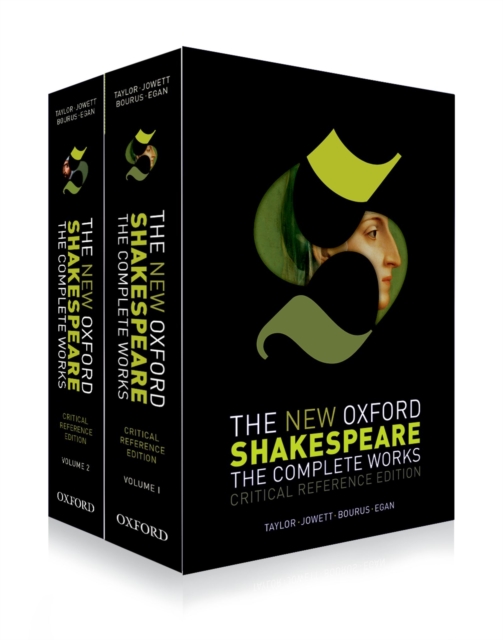
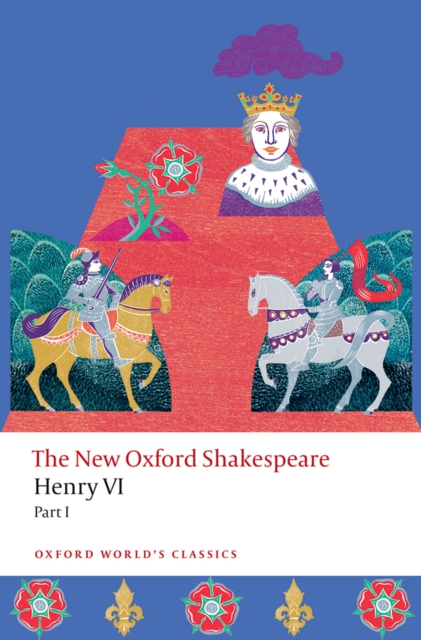
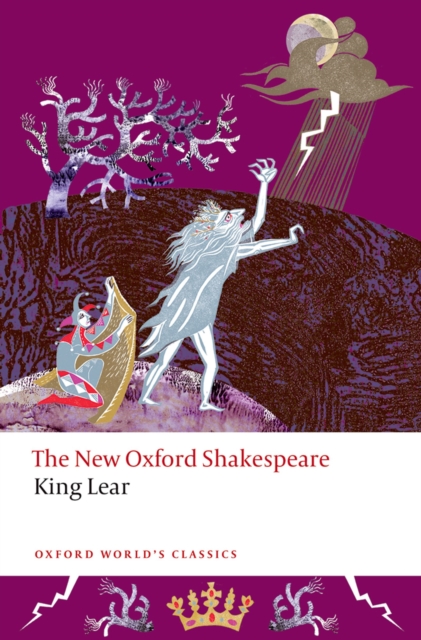
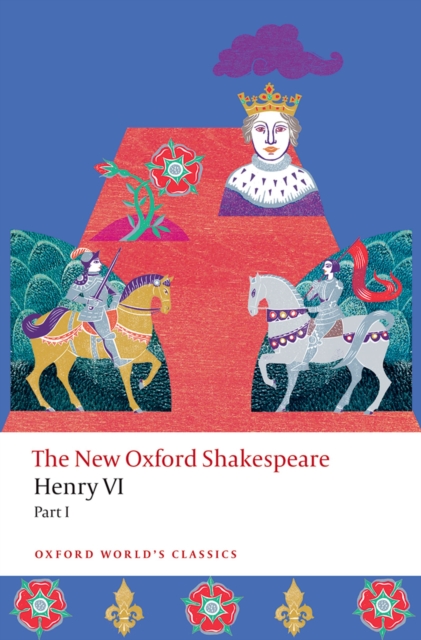
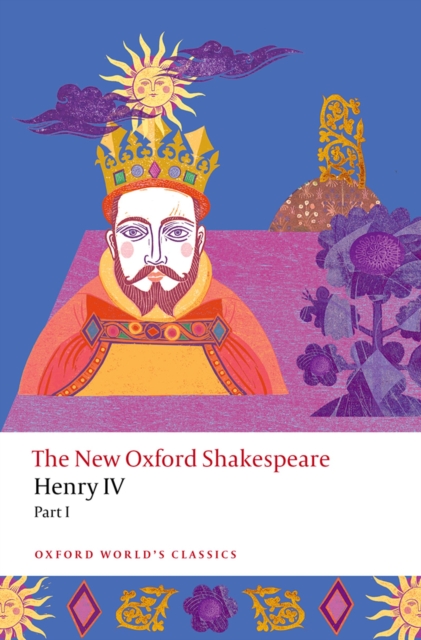
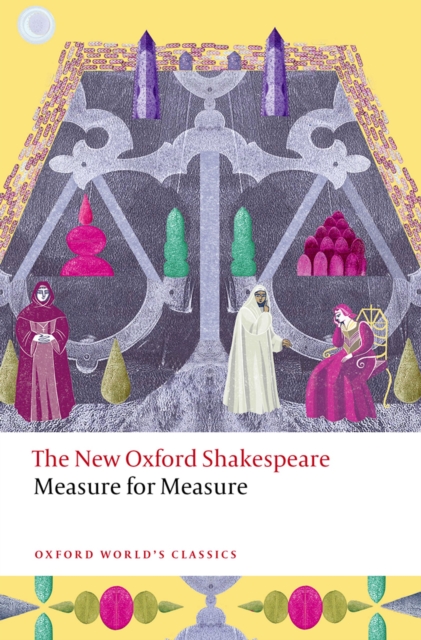
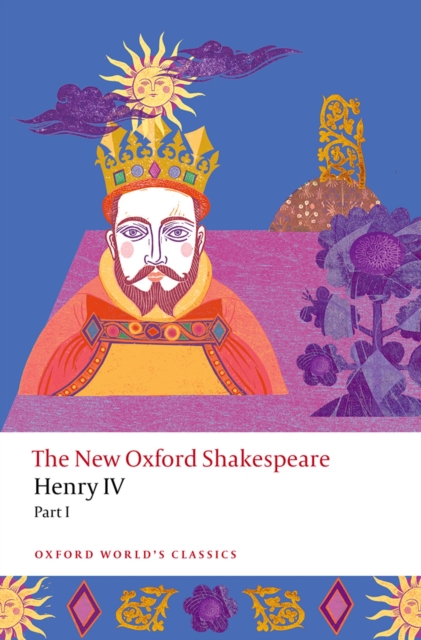
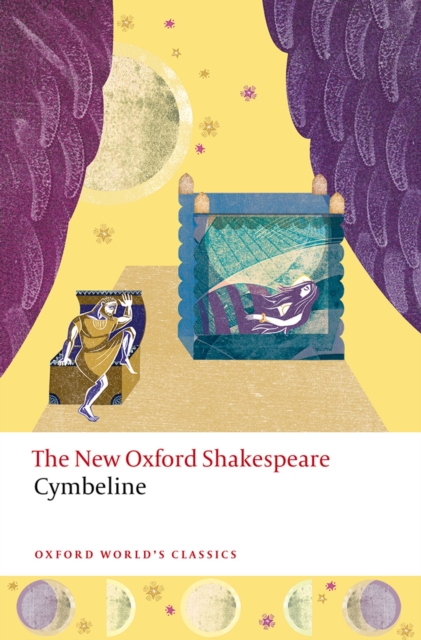
The New Oxford Shakespeare is a landmark print and online project, which for the first time provides fully edited and annotated texts of all extant versions of all Shakespeare's works, including collaborations, revisions, and adaptations.
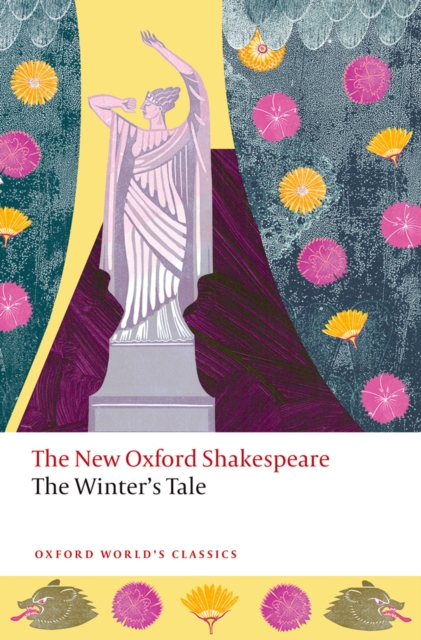
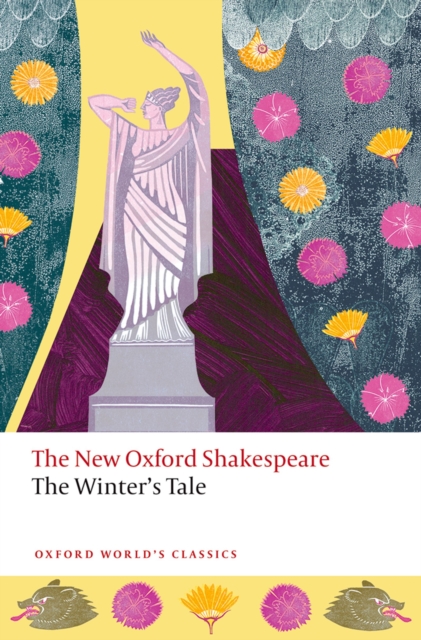
'It is requiredYou do awake your faith'Variously seen as a romance, a comedy, and a tragic fairytale, The Winter's Tale is a radical experiment with genre, character, and storytelling towards the end of Shakespeare's career as a playwright.
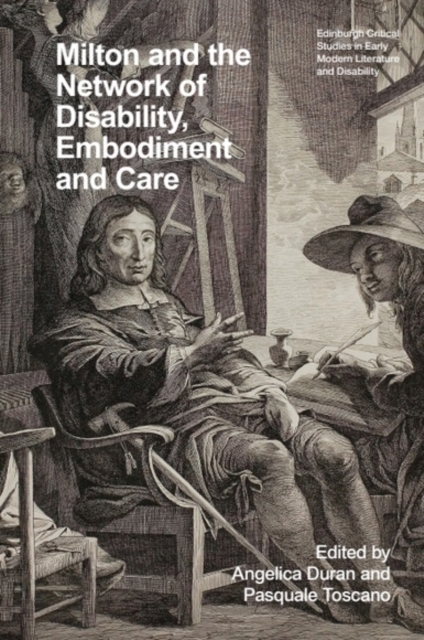
The governing questions of Milton and the Network of Disability, Embodiment and Care are threefold: What does reading Milton’s texts – and literature generally – through the theoretical lens of disability, embodiment and care studies (DEC) reveal that was illegible before?
The governing questions of Milton and the Network of Disability, Embodiment and Care are threefold: What does reading Milton’s texts – and literature generally – through the theoretical lens of disability, embodiment and care studies (DEC) reveal that was illegible before?
'It is requiredYou do awake your faith'Variously seen as a romance, a comedy, and a tragic fairytale, The Winter's Tale is a radical experiment with genre, character, and storytelling towards the end of Shakespeare's career as a playwright.
'A pair of star-crossed lovers take their life' This edition provides a clear and accessible introduction to Shakespeare's enduring tale of ill-fated lovers.
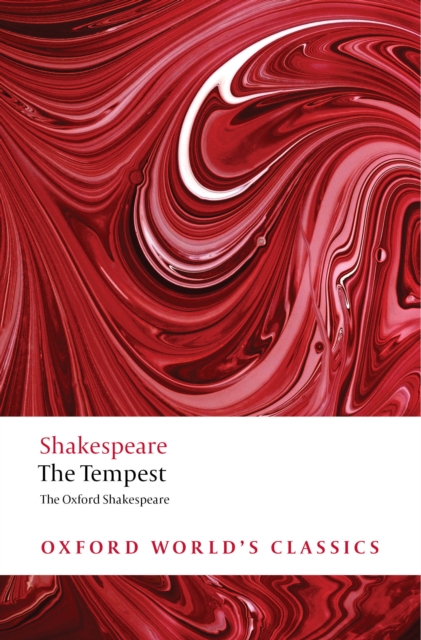
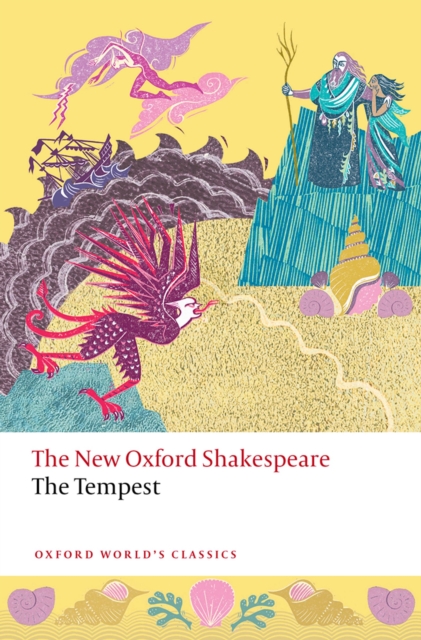
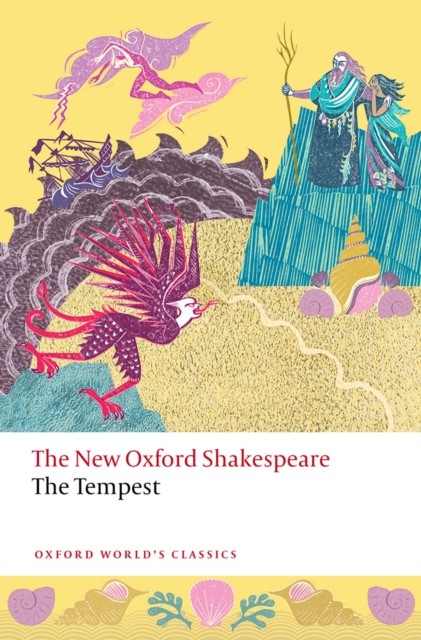
Performed variously as escapist fantasy, celebratory fiction, and political allegory, The Tempest is one of the plays in which Shakespeare's genius as a poetic dramatist found its fullest expression.
The Oxford Handbook of Shakespeare and Early Modern Authorship draws together leading and emerging scholars of Shakespeare and early modern literature to consider anew how authorship worked in the time in which Shakespeare wrote, and to interrogate the construction of the Shakespeare-as-author figure.
The Oxford Handbook of Shakespeare and Early Modern Authorship draws together leading and emerging scholars of Shakespeare and early modern literature to consider anew how authorship worked in the time in which Shakespeare wrote, and to interrogate the construction of the Shakespeare-as-author figure.
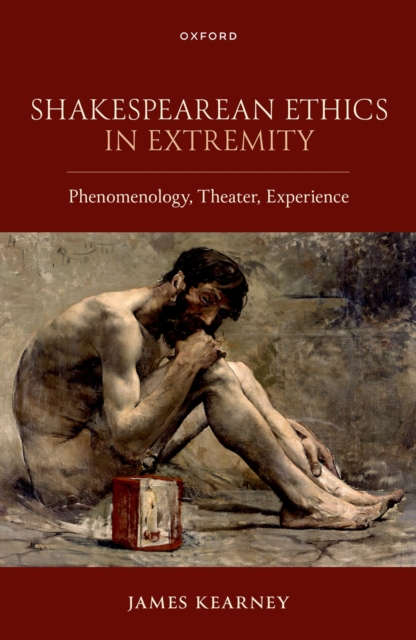
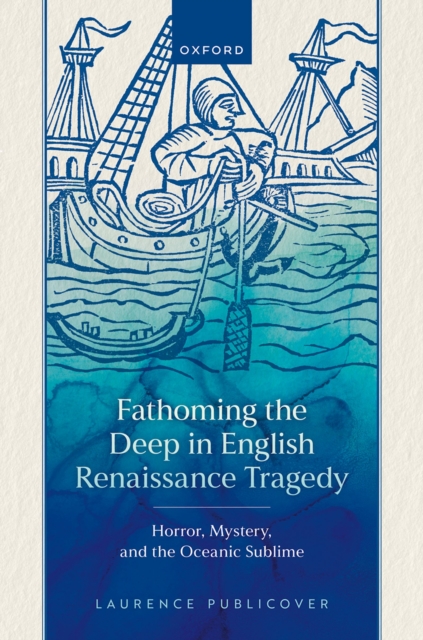
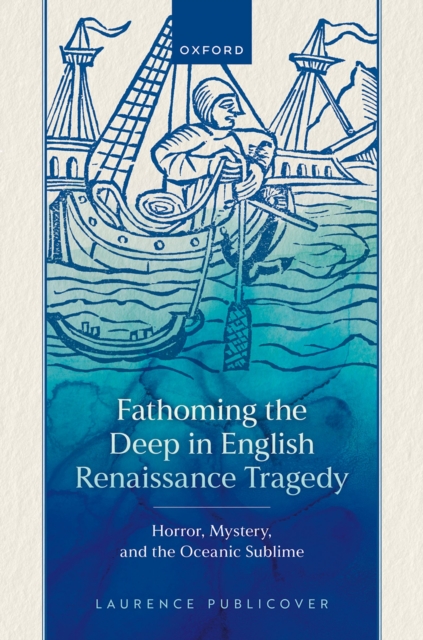
This book demonstrates how a group of tragedies by Shakespeare and his contemporaries stage the fear and exhilaration generated by encounters with the unknown and the extraordinary.
This book demonstrates how a group of tragedies by Shakespeare and his contemporaries stage the fear and exhilaration generated by encounters with the unknown and the extraordinary.
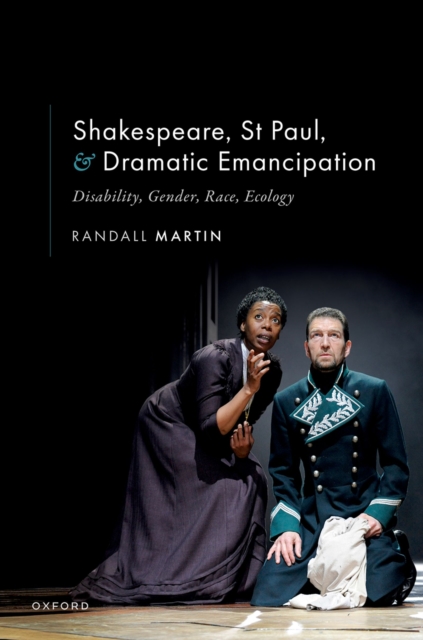
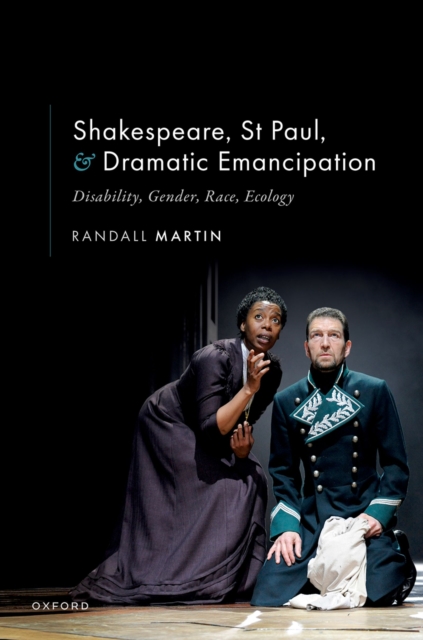
Shakespeare, St Paul, and Dramatic Emancipation: Disability, Gender, Race, Ecology breaks new ground by revealing the playwright's dramatic reinvention of early modern Pauline texts and paratexts in a wide range of plays.
Shakespeare, St Paul, and Dramatic Emancipation: Disability, Gender, Race, Ecology breaks new ground by revealing the playwright's dramatic reinvention of early modern Pauline texts and paratexts in a wide range of plays.
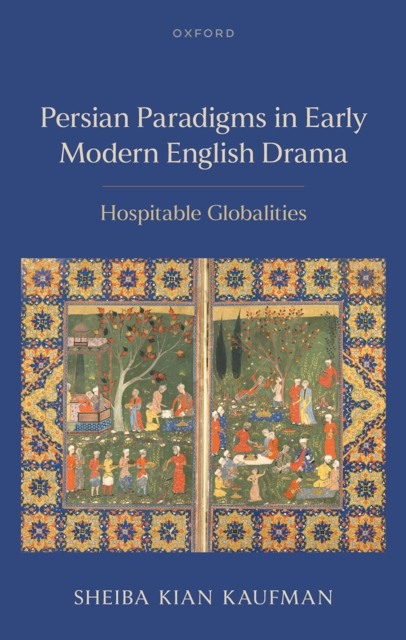
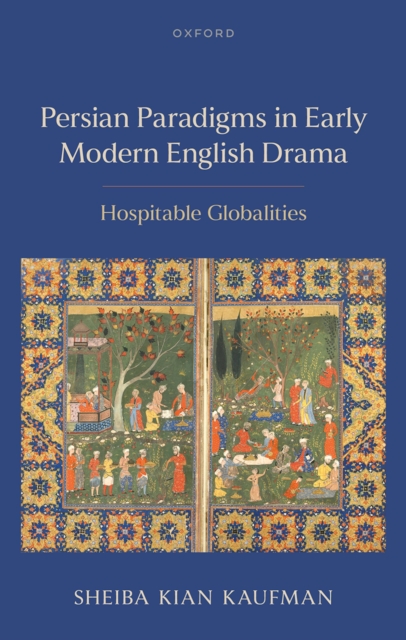
Persian Paradigms in Early Modern English Drama examines the concept of early modern globality and the development of European toleration discourse through English representations of Persian monarchs and Persianate conceptions of hospitality as paradigms of interreligious and intercultural hospitality for early modern and Shakespearean drama.
Persian Paradigms in Early Modern English Drama examines the concept of early modern globality and the development of European toleration discourse through English representations of Persian monarchs and Persianate conceptions of hospitality as paradigms of interreligious and intercultural hospitality for early modern and Shakespearean drama.
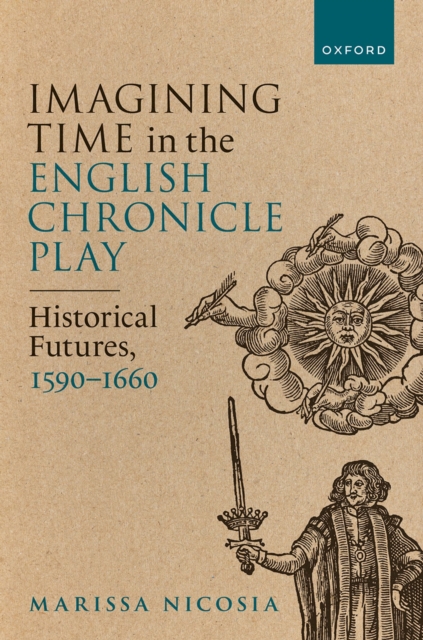
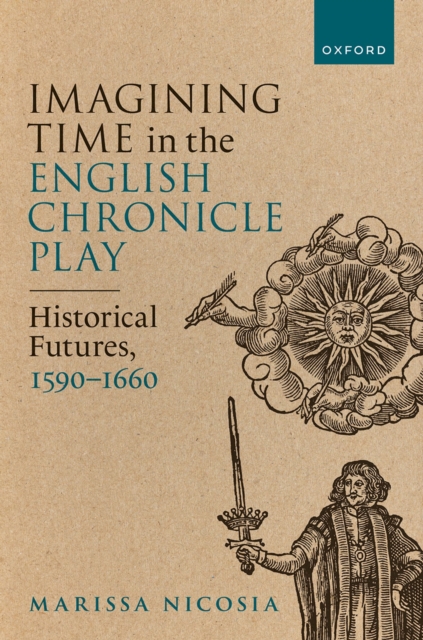
Imagining Time in the English Chronicle Play: Historical Futures, 1590-1660 argues that dramatic narratives about monarchy and succession codified speculative futures in the early modern English cultural imaginary.
Imagining Time in the English Chronicle Play: Historical Futures, 1590-1660 argues that dramatic narratives about monarchy and succession codified speculative futures in the early modern English cultural imaginary.