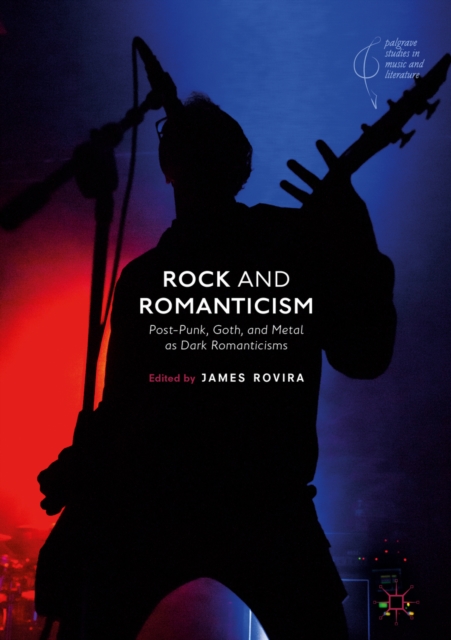
Rock and Romanticism: Post-Punk, Goth, and Metal as Dark Romanticisms explores the relationships among the musical genres of post-punk, goth, and metal and American and European Romanticisms traditionally understood.
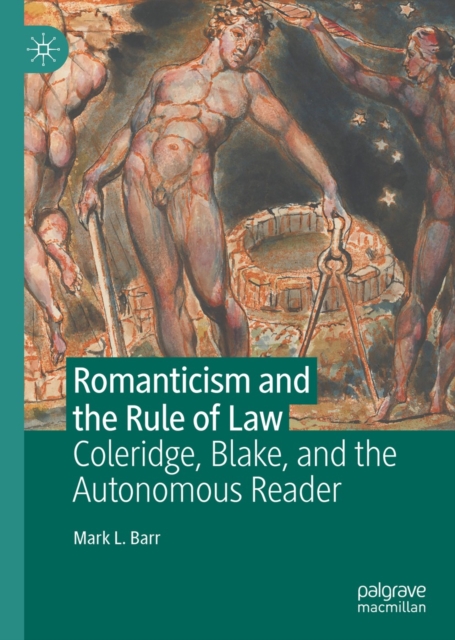
This book frames British Romanticism as the artistic counterpart to a revolution in subjectivity occasioned by the rise of "e;The Rule of Law"e; and as a traumatic response to the challenges mounted against that ideal after the French Revolution.
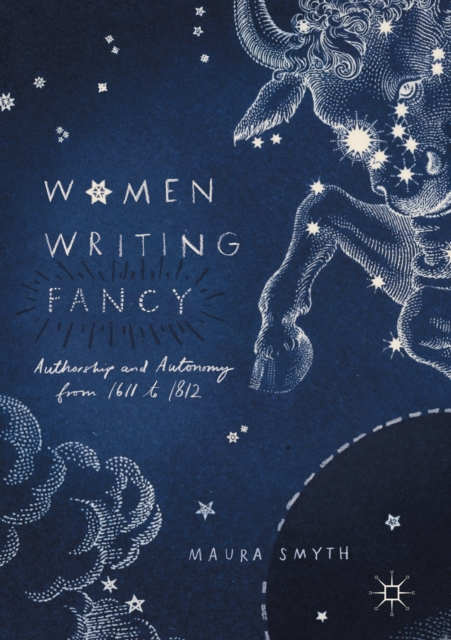
This book brings to the foreground the largely forgotten "e;Fancy"e; of the seventeenth and eighteenth centuries and follows its traces as they extend into the nineteenth and twentieth.
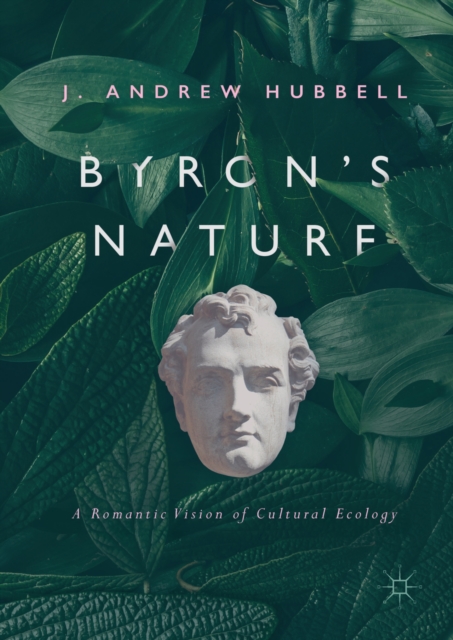
This book is a thorough, eco-critical re-evaluation of Lord Byron (1789-1824), claiming him as one of the most important ecological poets in the British Romantic tradition.
This book addresses the function of the classical world in the cultural imaginations of the second generation of romantic writers: Percy Shelley, Mary Shelley, Thomas Love Peacock, John Keats, Leigh Hunt, and the rest of their diverse circle.
David Bowie and Romanticism evaluates Bowie's music, film, drama, and personae alongside eighteenth- and nineteenth-century poets, novelists, and artists.
Inventing the Gothic Corpse shows how a series of bold experiments in eighteenth-century British realist and Gothic fiction transform the dead body from an instructive icon into a thrill device.
This book reveals the cultural significance of the pregnant woman by examining major eighteenth-century debates concerning separate spheres, man-midwifery, performance, marriage, the body, education, and creative imagination.
This book makes connections between selfhood, reading practice and moral judgment which propose fresh insights into Austen's narrative style and offer new ways of reading her work.
Joe Bray's careful analysis of Jane Austen's stylistic techniques reveals that the genius of her writing is far from effortless; rather he makes the case for her as a meticulous craftswoman and a radical stylistic pioneer.
This collection of essays by leading scholars in Burney studies provides an innovative, interdisciplinary critical consideration of the relationship of one of the major authors of the long English Romantic period with the arts.
This edited collection aims at highlighting the various uses of water in sixteenth, seventeenth, and eighteenth-century England, while exploring the tensions between those who praised the curative virtues of waters and those who rejected them for their supposedly harmful effects.
This book argues that there are recurrent spatiotemporal patterns and structures in six Jane Austen novels which constitute a source of enduring, if unconscious, pleasure.
This book shows that the publishers and editors of the radical press deployed Romantic-era texts for their own political ends-and for their largely working-class readership-long after those works' original publication.
This book uses the figure of the Victorian heroine as a lens through which to examine Jane Austen's presence in Victorian critical and popular writings.
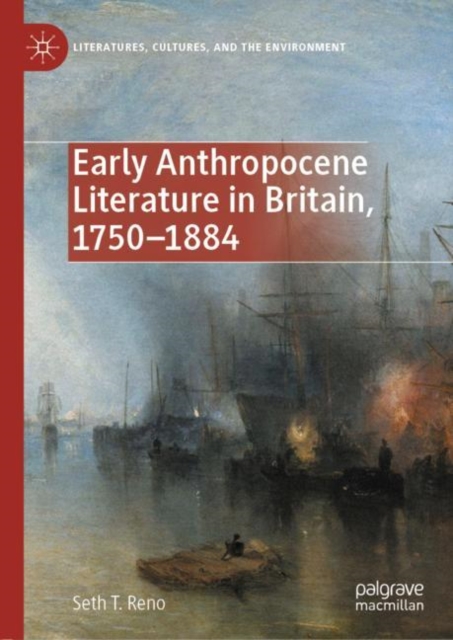
This book questions when exactly the Anthropocene began, uncovering an "e;early Anthropocene"e; in the literature, art, and science of eighteenth- and nineteenth-century Britain.
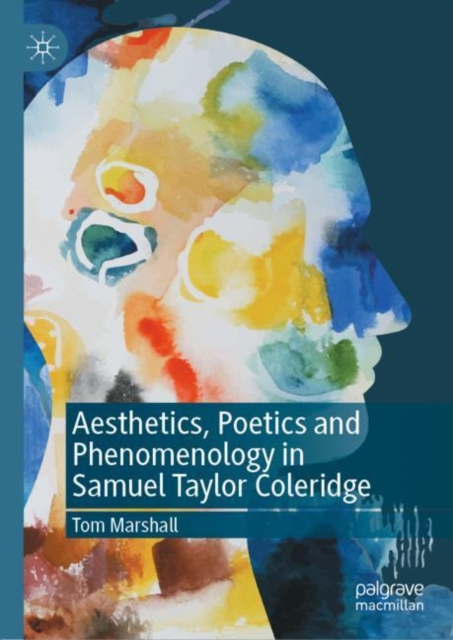
This book re-evaluates the philosophical status of Samuel Taylor Coleridge by providing an extended comparison between his work and the phenomenological theory of Edmund Husserl.
British travellers regarded all inhabitants of the seventeenth-century Ottoman empire as 'slaves of the sultan', yet they also made fine distinctions between them.
Das Handbuchdokumentiert den Stand der Idyllenforschung und zeigt neue Wege auf, um die ‚Idylle‘ und das ‚Idyllische‘ literatur- und kulturwissenschaftlich zu erfassen.
The essays in this volume offer fresh and innovative considerations both of how children interacted with the world of print, and of how childhood circulated in the literary cultures of the eighteenth century.
This book is a contribution to the new field of literary studies which is informed by book history and takes interest in the intersection of the ideal and material aspects of literature.
This book delineates the discovery of a previously unknown manuscript of a letter from Granville Sharp, the first British abolitionist, to the "e;Lords Commissioners of the Admiralty.
This book examines the development of Samuel Taylor Coleridge's intellectual legacy in Britain and America from 1834 to 1934 by focusing on his late role as the Sage of Highgate and his programme of educating young minds who were destined for the higher professions (particularly preaching and teaching).
In der frühen Neuzeit beschäftigen sich zahlreiche Texte mit Berufen, indem sie das jeweils erforderliche Wissen, einzelne Aufgabenfelder, Zweck, Ursprung und Prestige darstellen.
This book presents a longitudinal study of cultural influence on psychiatric disorders, from late imperial China to contemporary China, drawing on both reviews and lab results to do so.
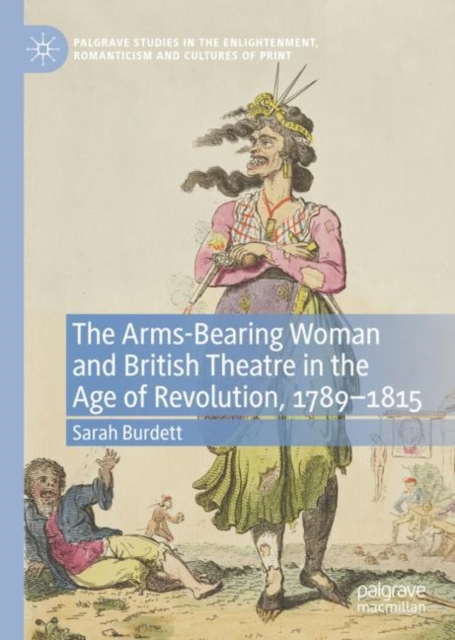
This book explores shifting representations and receptions of the arms-bearing woman on the British stage during a period in which she comes to stand in Britain as a striking symbol of revolutionary chaos.
Almost 400 years after his death, William Shakespeare is still acclaimed as the world's greatest writer, and yet the man himself remains shrouded in mystery.
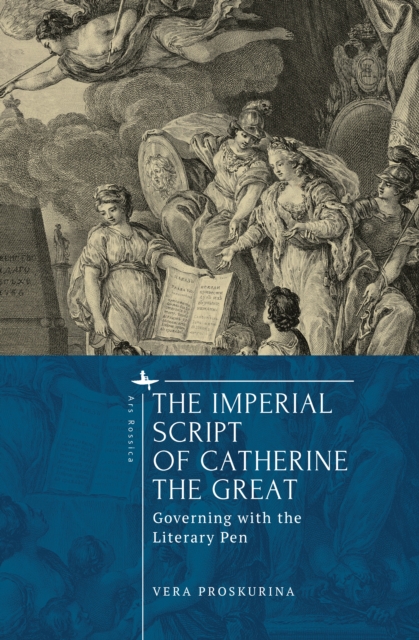
Empress Catherine II produced a body of written material so vast and diverse that it seems impossible to provide a general characterization of the works contained in the authoritative twelve-volume collection assembled by A.
The Caribbean has traditionally been understood as a region that did not develop a significant 'native' literary culture until the postcolonial period.
The seventeenth century saw some of the most important jurisprudential changes in England's history, yet the period has been largely overlooked in the rich field of literature and law.
This book presents ten new chapters on John Keats's medical imagination, beginning with his practical engagement with dissection and surgery, and the extraordinary poems he wrote during his 'busy time' at Guy's Hospital 1815-17.