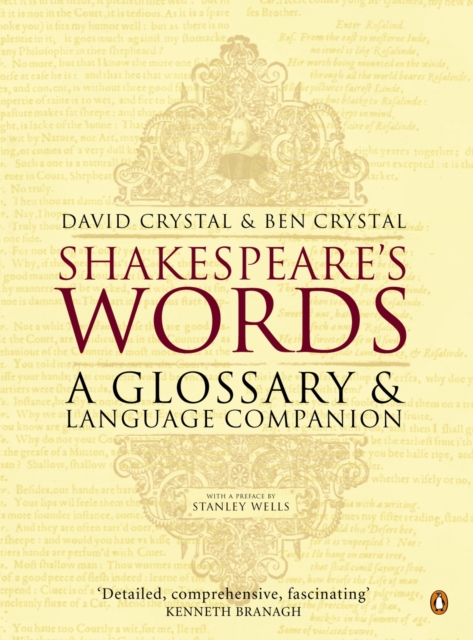
A vital resource for scholars, students and actors, this book contains glosses and quotes for over 14,000 words that could be misunderstood by or are unknown to a modern audience.
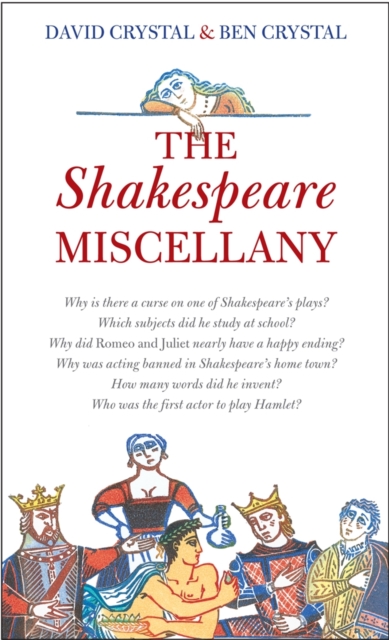
This compilation, in the tradition of the Victorian miscellany, gathers together essential facts and fascinating insights into the plays and poems, the man behind them (insofar as this is known), and the context in which he worked.
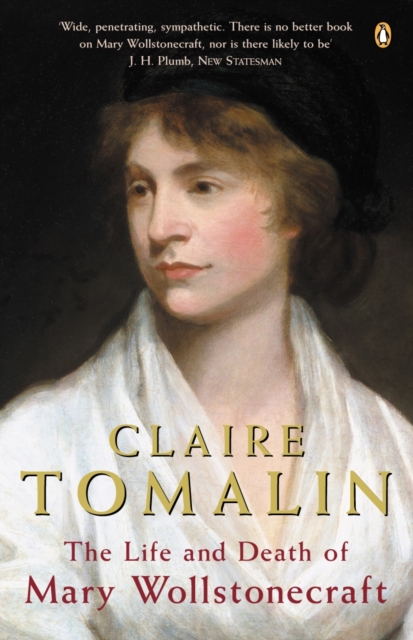
The Life and Death of Mary Wollstonecraft is the acclaimed bestselling biography by Claire TomalinWinner of the Whitbread First Book PrizeWitty, courageous and unconventional, Mary Wollstonecraft was one of the most controversial figures of her day.
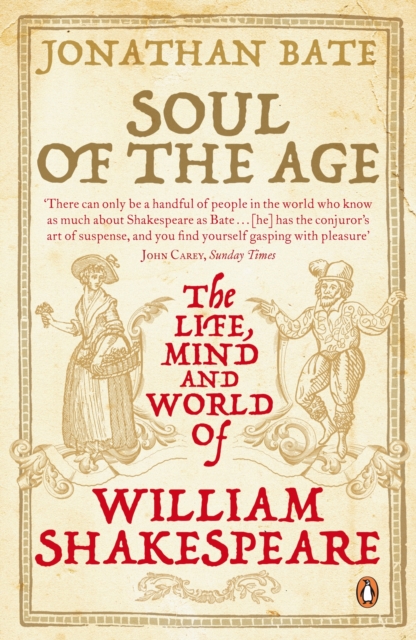
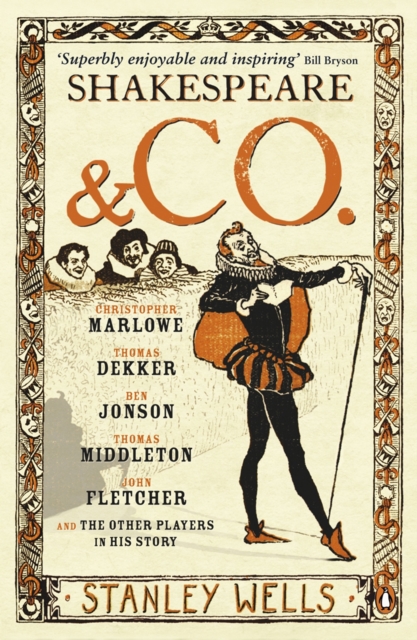
'Enjoyable, lively such a pleasure to read renders the drama of Shakespeare s contemporaries more than fringe entertainment Independent Shakespeare is one of the greatest of all English figures, considered a genius for all time.
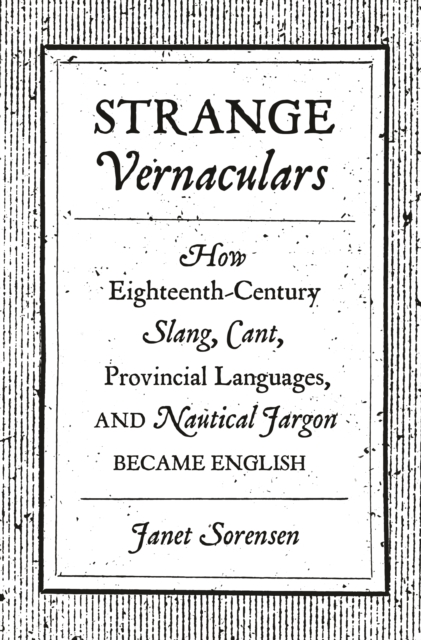
How vocabularies once associated with outsiders became objects of fascination in eighteenth-century BritainWhile eighteenth-century efforts to standardize the English language have long been studied-from Samuel Johnson's Dictionary to grammar and elocution books of the period-less well-known are the era's popular collections of odd slang, criminal argots, provincial dialects, and nautical jargon.
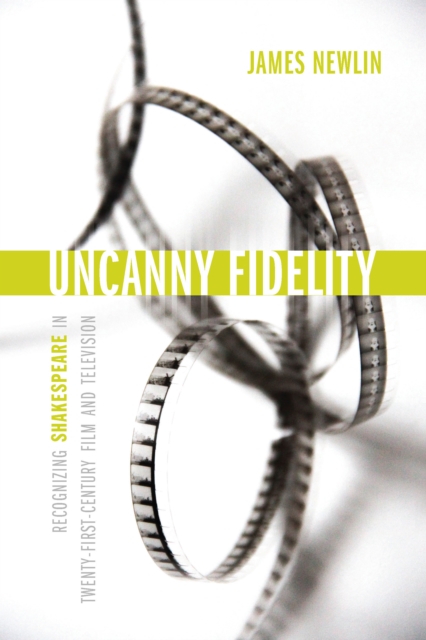
How the study of Shakespeare's legacy, specifically in film and television, can radically challenge what we consider to be authentically Shakespearean In the field of adaptation studies today, the idea of reading an adapted text as "e;faithful"e; or "e;unfaithful"e; to its original source strikes many scholars as too simplistic, too conservative, and too moralizing.
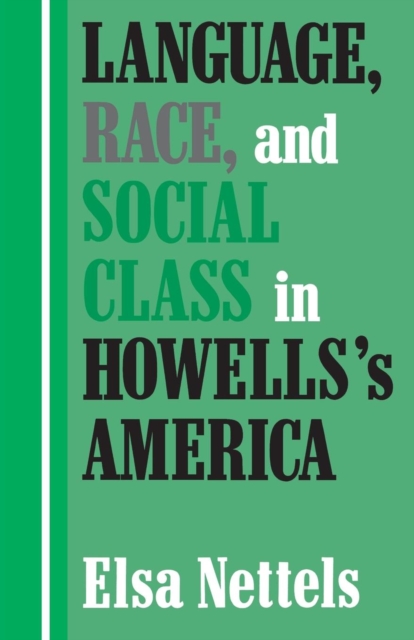
No other American novelist has written so fully about languagegrammar, diction, the place of colloquialism and dialect in literary English, the relation between speech and writingas William Dean Howells.
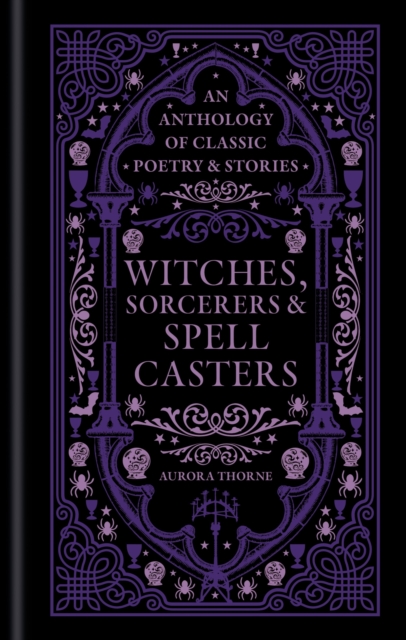
Step into the enchanting world of Witches, Sorcerers & Spellcasters, where the serene darkness and treacherous allure of the magical realm come to life through classic poetry and stories.
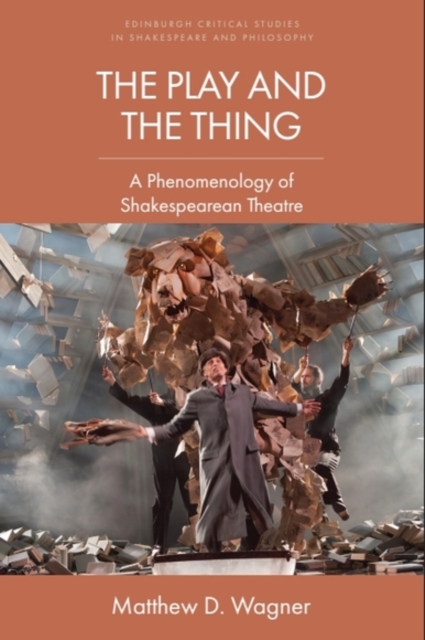
Shakespeare’s Hamlet insisted that ‘the play’s the thing’; Edmund Husserl’s philosophy advised us to (re)turn our attention ‘back to the things themselves!
Shakespeare’s Hamlet insisted that ‘the play’s the thing’; Edmund Husserl’s philosophy advised us to (re)turn our attention ‘back to the things themselves!
An interpretive approach to current literary criticism grounded in critical histories and an openness to the unpredictability of readingRethinking the relationship of current literary criticism to the discipline's past, Reading the Literary Past presents an interpretive approach to literary criticism grounded in critical histories rather than methods, attentive to the idiosyncrasy of reading and the contingencies influencing it.
An interpretive approach to current literary criticism grounded in critical histories and an openness to the unpredictability of readingRethinking the relationship of current literary criticism to the discipline's past, Reading the Literary Past presents an interpretive approach to literary criticism grounded in critical histories rather than methods, attentive to the idiosyncrasy of reading and the contingencies influencing it.