Shakespeare and the Law appreciates Shakespeare and his works as expressions of an English early modern culture in which the shared rhetorical practices of dramatists and lawyers were informed by the renaissance of classical practice.
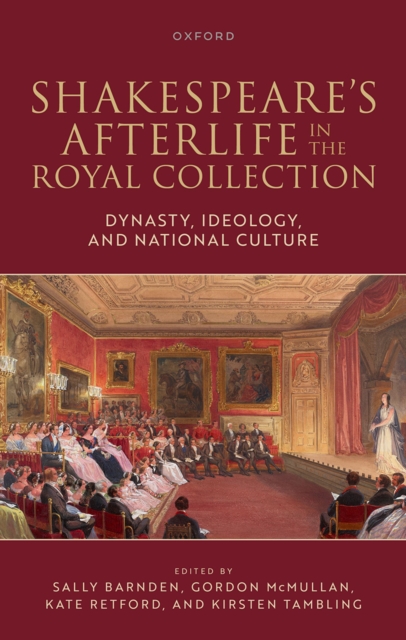
This unique collection of essays and images explores a series of objects in the Royal Collection as a means of assessing the interrelated histories of the British royal family and the Shakespearean afterlife across four centuries.
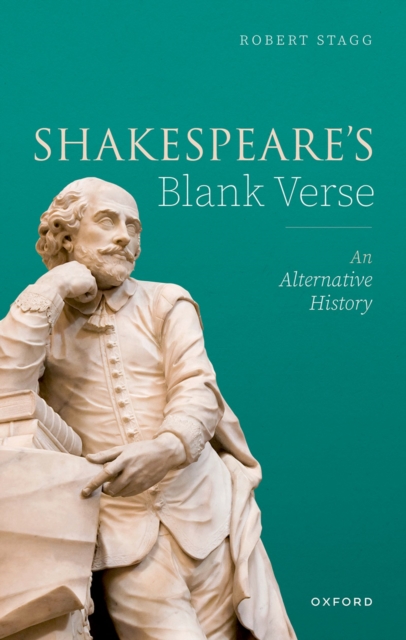
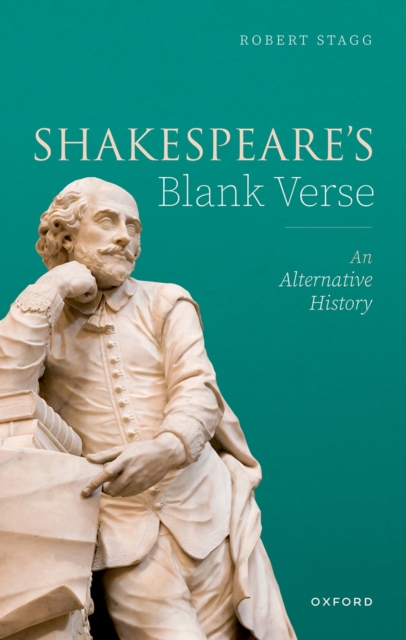
Shakespeare's Blank Verse: An Alternative History is a study both of Shakespeare's versification and of its place in the history of early modern blank verse (unrhymed iambic pentameter).
Shakespeare's Blank Verse: An Alternative History is a study both of Shakespeare's versification and of its place in the history of early modern blank verse (unrhymed iambic pentameter).
A look at how seventeenth-century English literary genres associated with gastronomic and aesthetic pleasure shaped representations of Caribbean colonization and slaveryOver the course of the seventeenth century, sugar prices fell drastically.
A look at how seventeenth-century English literary genres associated with gastronomic and aesthetic pleasure shaped representations of Caribbean colonization and slaveryOver the course of the seventeenth century, sugar prices fell drastically.
A literary, legal, and cultural history of disability, race, and citizenship between the Revolution and the Civil WarThe history of disability rights is often told as a recent one, but it is not.
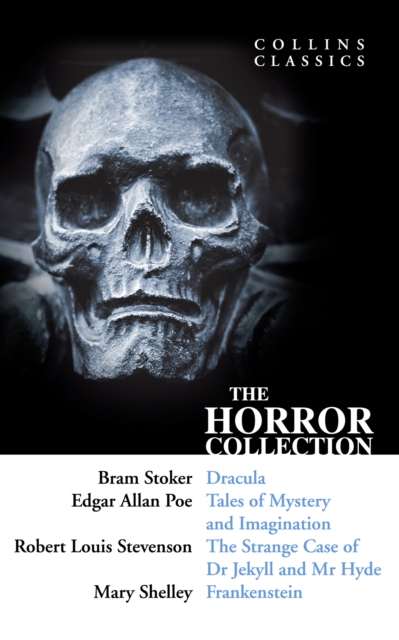
Collins Classics brings you a haunting selection of the finest horror stories from classic literature - featuring works by Bram Stoker, Edgar Allan Poe, Robert Louis Stevenson and Mary Shelley - with additional content.
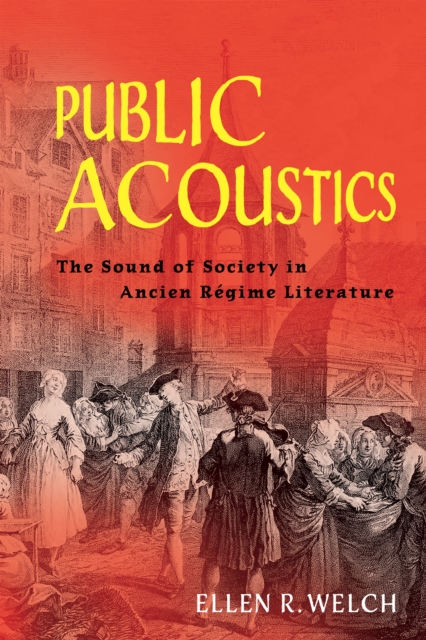
Explores how Ancien Regime writers theorized public communication through acoustic metaphorsThe salons, cafes, theaters, and print shops of Ancien Regime France have long occupied a key place in histories of the "e;public sphere"e;-that is, a cultural arena where private individuals could discuss topics of public interest.
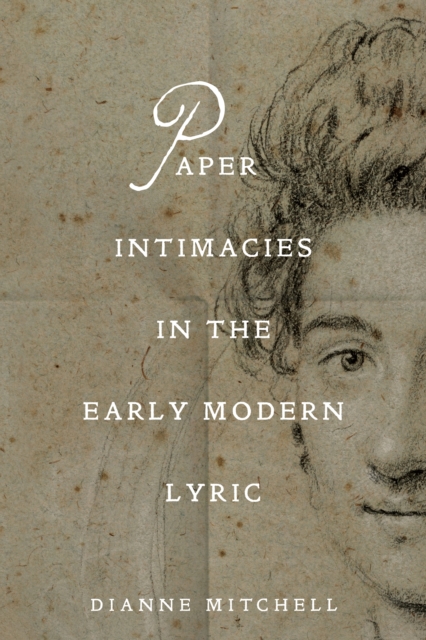
An exploration of how everyday Renaissance practices of folding, sending, archiving, and arranging manuscript poetry created lyric intimacyPaper Intimacies in the Early Modern Lyric explores how everyday Renaissance practices of folding, sending, archiving, and arranging manuscript poetry informed how their authors imagined possibilities for nearness and desire.
An exploration of how everyday Renaissance practices of folding, sending, archiving, and arranging manuscript poetry created lyric intimacyPaper Intimacies in the Early Modern Lyric explores how everyday Renaissance practices of folding, sending, archiving, and arranging manuscript poetry informed how their authors imagined possibilities for nearness and desire.
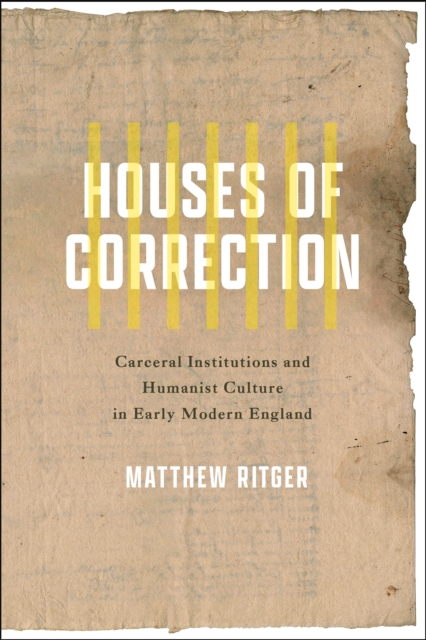
The first book-length literary history of some of early modern Europe's most influential carceral institutions, including England's BridewellMore than 250 years before the rise of the modern penitentiary, houses of correction pioneered the use of forced labor and individualized sentences within institutions of confinement, promoting reform and the "e;hope of amendment"e; for every individual.
The first book-length literary history of some of early modern Europe's most influential carceral institutions, including England's BridewellMore than 250 years before the rise of the modern penitentiary, houses of correction pioneered the use of forced labor and individualized sentences within institutions of confinement, promoting reform and the "e;hope of amendment"e; for every individual.
Explores how Ancien Regime writers theorized public communication through acoustic metaphorsThe salons, cafes, theaters, and print shops of Ancien Regime France have long occupied a key place in histories of the "e;public sphere"e;-that is, a cultural arena where private individuals could discuss topics of public interest.
Links early modern English drama and empire studies, exploring how staged scenes of maritime peril created a new form of economic uncertaintyImperial Ventures links early modern English drama and empire studies, exploring how staged scenes of maritime peril created a new form of economic uncertainty around the turn of the seventeenth century, amid London's explosion in commercial colonialism.
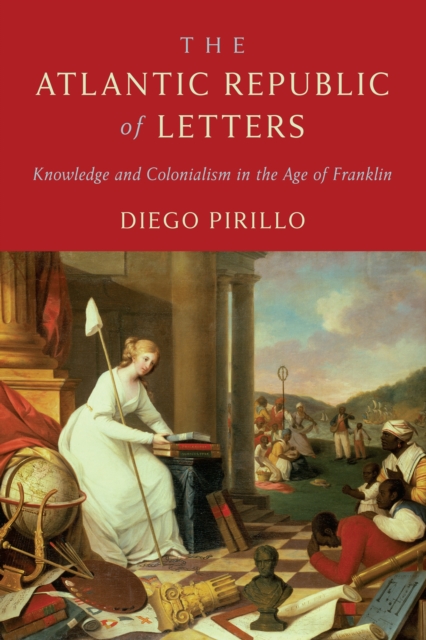
Places Benjamin Franklin's Philadelphia in the context of a broader Atlantic intellectual world and investigates the entanglement among books, knowledge, and colonialismThe Atlantic Republic of Letters offers an alternative intellectual history of early America.
Links early modern English drama and empire studies, exploring how staged scenes of maritime peril created a new form of economic uncertaintyImperial Ventures links early modern English drama and empire studies, exploring how staged scenes of maritime peril created a new form of economic uncertainty around the turn of the seventeenth century, amid London's explosion in commercial colonialism.
Places Benjamin Franklin's Philadelphia in the context of a broader Atlantic intellectual world and investigates the entanglement among books, knowledge, and colonialismThe Atlantic Republic of Letters offers an alternative intellectual history of early America.
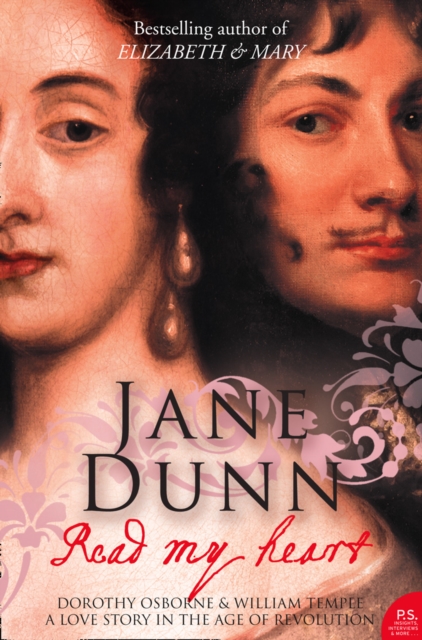
From the bestselling author of 'Elizabeth and Mary', the remarkable love story of Dorothy Osborne and Sir William Temple, set against the turbulence and romance of 17th-century England.
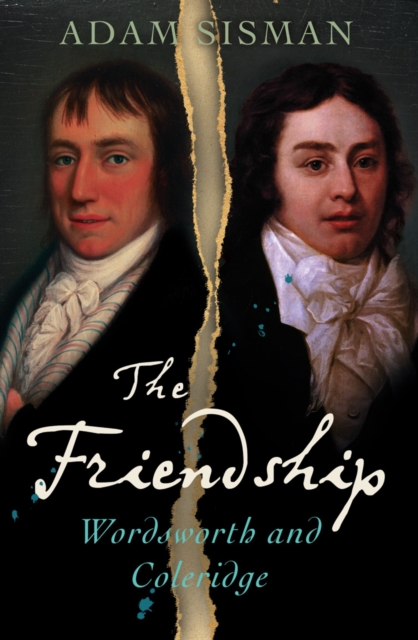
The first book to explore the extraordinary story of the legendary friendship - and quarrel - between Wordsworth and Coleridge, two giants of English Romanticism.