This book examines the representation of figures, memories and images of childhood in selected contemporary diasporic African fiction by Adichie, Abani, Wainaina and Oyeyemi.
This book explores the representation of fatherhood in contemporary North American autobiographical comics that depict paternal conduct from the post-war period up to the present.
This book sheds light on the intimate relationship between built space and the mind, exploring the ways in which architecture inhabits and shapes both the memory and the imagination.
The Fictions of American Capitalism: Working Fictions and the Economic Novel introduces a new way of thinking about fiction in connection with capitalism, especially American capitalism.
The American Roadside in Emigre Literature, Film, and Photography: 1955-1985 traces the origin of a postmodern iconography of mobile consumption equating roadside America with an authentic experience of the United States through the postwar road narrative, a narrative which, Elsa Court argues, has been shaped by and through white male emigre narratives of the American road, in both literature and visual culture.
This collection of essays offers innovative methodological and disciplinary approaches to the intersection of Anglophone literary cultures with children and childhoods across the twentieth century.
The Affects, Cognition, and Politics of Samuel Beckett's Postwar Drama and Fiction: Revolutionary and Evolutionary Paradoxes theorizes the revolutionary and evolutionary import of Beckett's works in a global context defined by increasingly ubiquitous and insidious mechanisms of capture, exploitation, and repression, alongside unprecedented demands for high-volume information-processing and connectivity.
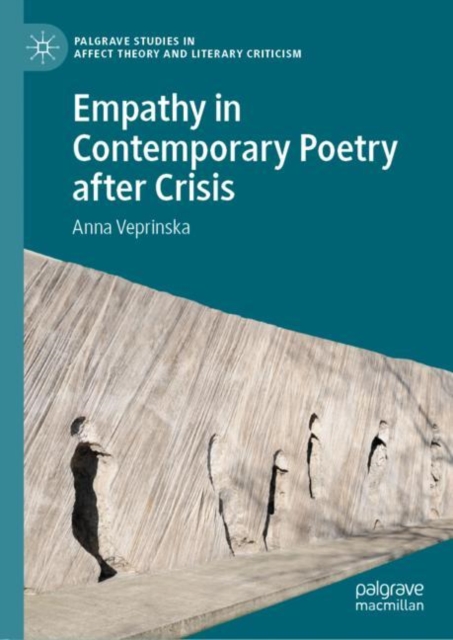
This book examines the representation of empathy in contemporary poetry after crisis, specifically poetry after the Holocaust, the September 11, 2001 terrorist attacks, and Hurricane Katrina.
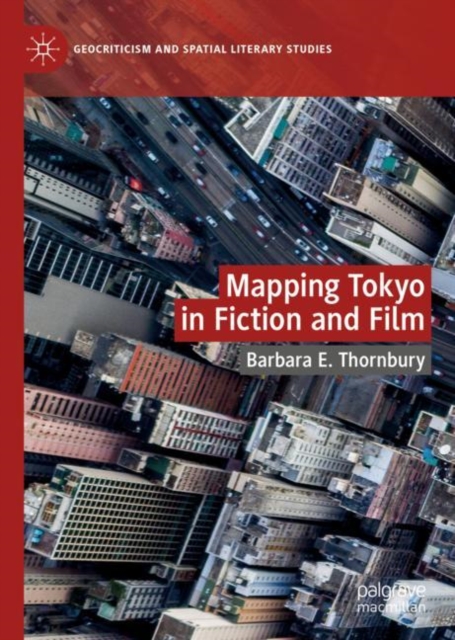
Mapping Tokyo in Fiction and Film explores ways that late 20th- and early 21st- century fiction and film from Japan literally and figuratively map Tokyo.
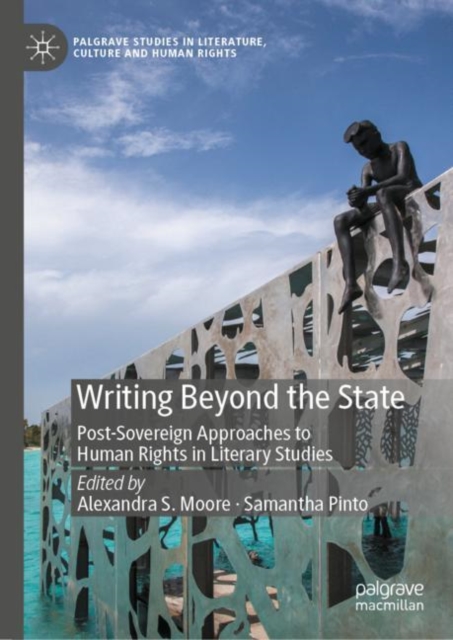
This book investigates the imaginative capacities of literature, art and culture as sites for reimagining human rights, addressing deep historical and structural forms of belonging and unbelonging; the rise of xenophobia, neoliberal governance, and securitization that result in the purposeful precaritization of marginalized populations; ecological damage that threatens us all, yet the burdens of which are distributed unequally; and the possibility of decolonial and posthuman approaches to rights discourses.
The Palgrave Handbook of Holocaust Literature and Culture reflects current approaches to Holocaust literature that open up future thinking on Holocaust representation.
In the early decades of the twenty-first century, we are grappling with the legaciesof past centuries and their cascading effects upon children and all people.
This book discusses the complex ways in which the novel offers a vibrant arena for critically engaging with our contemporary world and scrutinises the genre's political, ethical, and aesthetic value.
Religion, Secularism, and the Spiritual Paths of Virginia Woolf offers an expansive interdisciplinary study of spirituality in Virginia Woolf's writing, drawing on theology, psychology, geography, history, gender and sexuality studies, and other critical fields.
Maternal Representations in Twenty-First Century Broadway Musicals: Stage Mothers analyzes Broadway productions within the context of their presentation and assessment of motherhood and the variety of roles for mother figures.
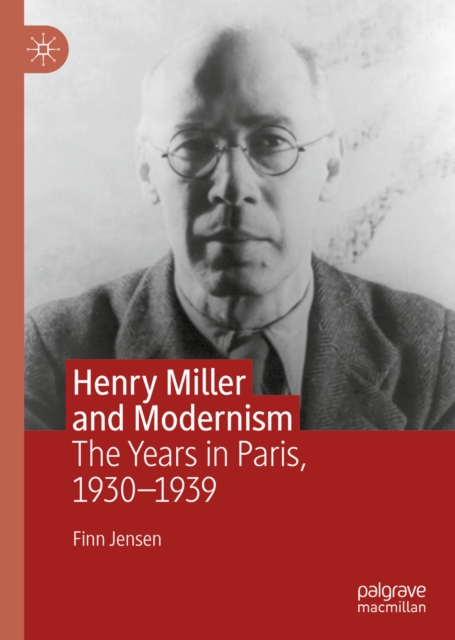
Henry Miller and Modernism: The Years in Paris, 1930-1939 represents a major reevaluation of Henry Miller, focusing on the Paris texts from 1930 to 1939.
This book explores the extraordinary proliferation of novels based on Henry James's life and works published between 2001 and 2016, the centenary of his death.
This book explores one of the most exciting new developments in the literary field to emerge over recent decades: the growing body of work known as 'electronic literature', comprising literary works that take advantage of the capabilities of digital technologies in their enactment.
In this book, Reinhold Kramer explores a variety of important social changes, including the resistance to objective measures of truth, the rise of "e;How-I-Feel"e; ethics, the ascendancy of individualism, the immersion in cyber-simulations, the push toward globalization and multilateralism, and the decline of political and religious faiths.
This book presents the first comparative study of the works of Charlotte Delbo, Noor Inayat Khan, and Germaine Tillion in relation to their vigorous struggles against Nazi aggression during World War II and the Holocaust.
Anticipatory Materialisms explores nineteenth and early twentieth-century literature thatanticipates and pre-empts the recent philosophical 'turn' to materiality and affect.
This book revisits Jean Rhys's ground-breaking 1966 novel to explore its cultural and artistic influence in the areas of not only literature and literary criticism, but fashion design, visual art, and the theatre as well.
This collection of essays discusses genre fiction and film within the discursive framework of the environmental humanities and analyses the convergent themes of spatiality, climate change, and related anxieties concerning the future of human affairs, as crucial for any understanding of current forms of "e;weird"e; and "e;fantastic"e; literature and culture.
Literature and Modern Time is a collection of essays that explore literature in the context of a wave of challenges to linear conceptions of time introduced by thinkers such as Bergson, Einstein, McTaggart, Freud and Nietzsche.
This book examines the earliest writings of Edward Said and the foundations of what came to be known as postcolonial criticism, in order to reveal how the groundbreaking author of Orientalism turned literary criticism into a form of political intervention.
This book explores women's short supernatural fiction between the emergence of first wave feminism and the post-suffrage period, arguing that while literary ghosts enabled an interrogation of women's changing circumstances, ghosts could have both subversive and conservative implications.
This book introduces Elite Theory to the literary study of class as a framework for addressing issues of the nature of governance in political fiction.
This book examines the intersection of trauma and the Gothic in six contemporary British novels: Martin Amis's London Fields, Margaret Drabble's The Gates of Ivory, Ian McEwan's Atonement, Pat Barker's Regeneration and Double Vision, and Kazuo Ishiguro's Never Let Me Go.
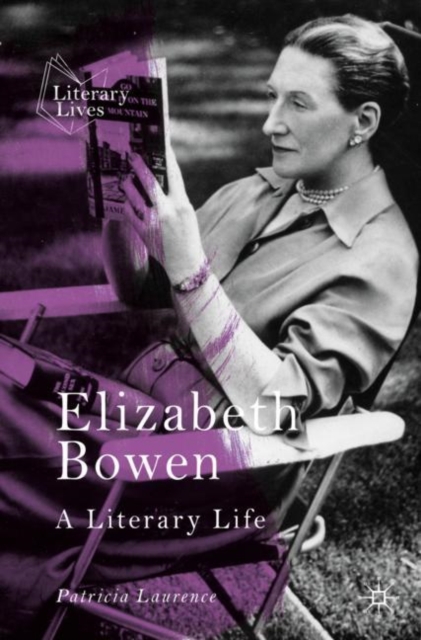
Elizabeth Bowen: A Literary Life reinvents Bowen as a public intellectual, propagandist, spy, cultural ambassador, journalist, and essayist as well as a writer of fiction.
This book examines several distinctive literary figurations of posthuman embodiment as they proliferate across a range of internationally acclaimed contemporary novels: clones in Kazuo Ishiguro's Never Let Me Go, animal-human hybrids in Margaret Atwood's Oryx and Crake, toxic bodies in Indra Sinha's Animal's People, and cyborgs in Jeanette Winterson's The Stone Gods.
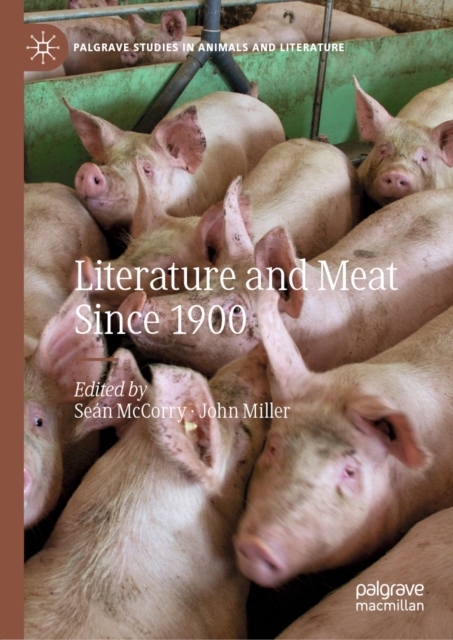
This collection of essays centers on literary representations of meat-eating, bringing aesthetic questions into dialogue with more established research on the ethics and politics of meat.
This book explores the formative role of mobilities in the production of our close relationships, proposing that the tracks-both literal and figurative- we lay down in the process play a crucial role in generating and sustaining intimacy.
This edited book represents the first cohesive attempt to describe the literary genres of late-twentieth-century fiction in terms of lexico-grammatical patterns.