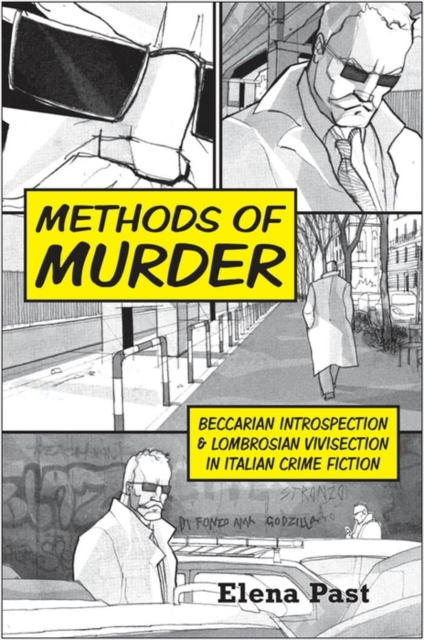
The first extended analysis of the relationship between Italian criminology and crime fiction in English, Methods of Murder examines works by major authors both popular, such as Gianrico Carofiglio, and canonical, such as Carlo Emilio Gadda.
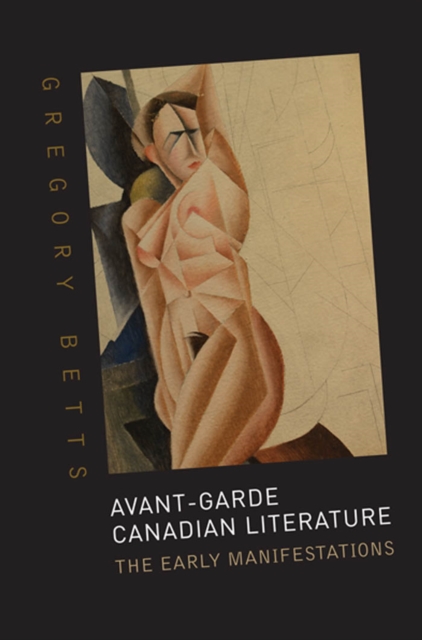
In Avant-Garde Canadian Literature, Gregory Betts draws attention to the fact that the avant-garde has had a presence in Canada long before the country's literary histories have recognized, and that the radicalism of avant-garde art has been sabotaged by pedestrian terms of engagement by the Canadian media, the public, and the literary critics.
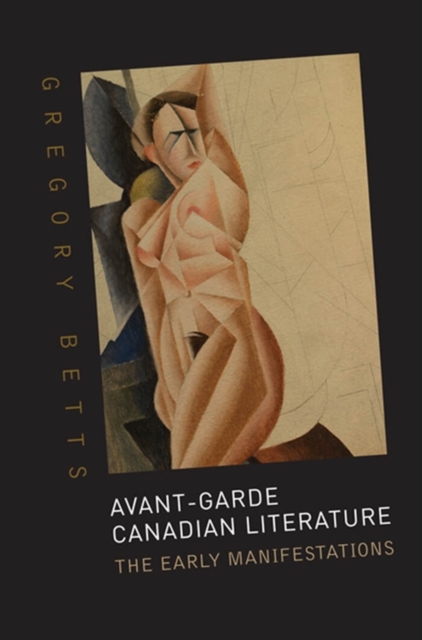
In Avant-Garde Canadian Literature, Gregory Betts draws attention to the fact that the avant-garde has had a presence in Canada long before the country's literary histories have recognized, and that the radicalism of avant-garde art has been sabotaged by pedestrian terms of engagement by the Canadian media, the public, and the literary critics.
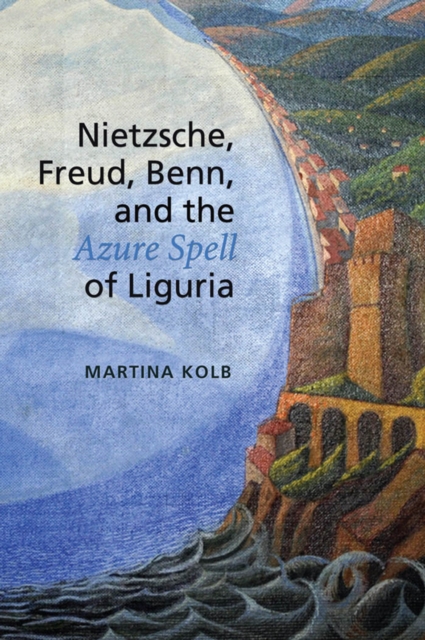
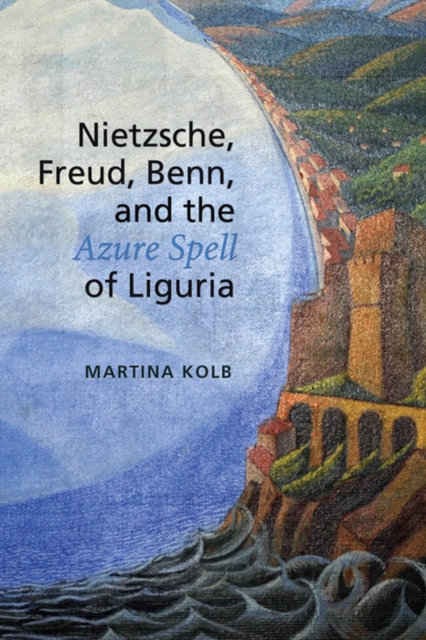
The Mediterranean region of Liguria, where the Maritime Alps sweep down to the coasts of northwest Italy and southeast France, the Riviera, marks the intersection of two of Europe’s major cultural landscapes.
The Mediterranean region of Liguria, where the Maritime Alps sweep down to the coasts of northwest Italy and southeast France, the Riviera, marks the intersection of two of Europe’s major cultural landscapes.
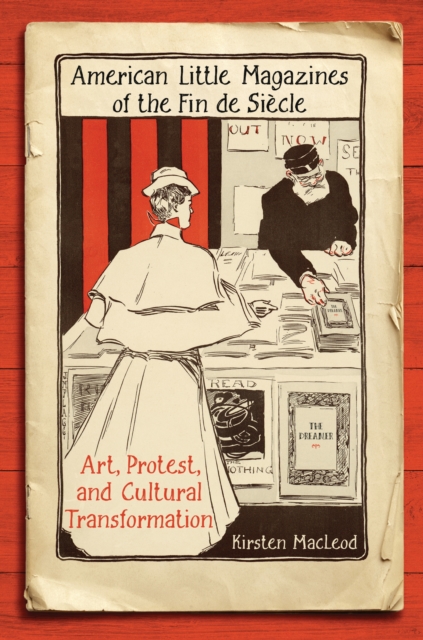
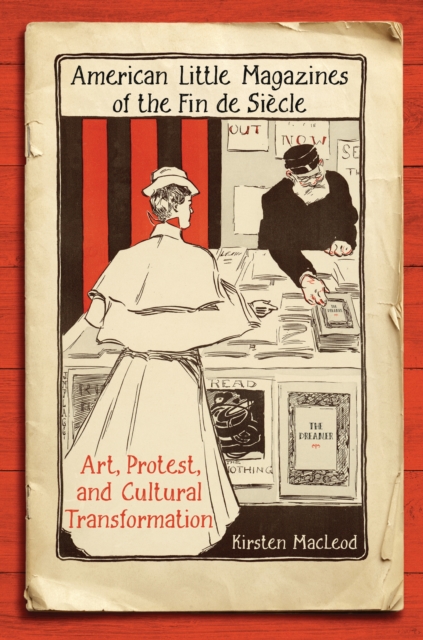
In American Little Magazines of the Fin de Siecle, Kirsten MacLeod examines the rise of a new print media form - the little magazine - and its relationship to the transformation of American cultural life at the turn of the twentieth century.
In American Little Magazines of the Fin de Siecle, Kirsten MacLeod examines the rise of a new print media form - the little magazine - and its relationship to the transformation of American cultural life at the turn of the twentieth century.
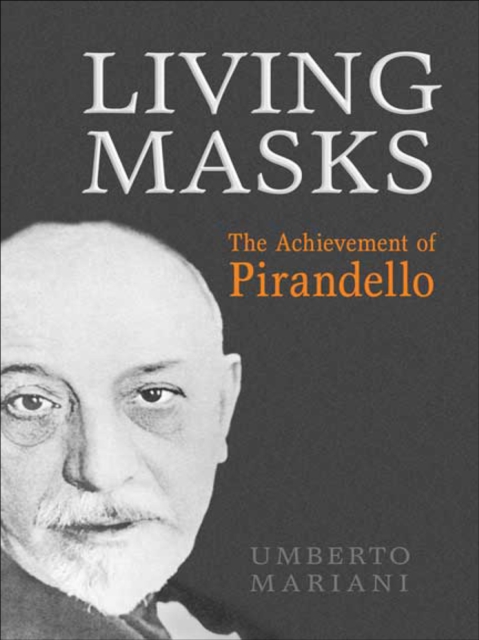
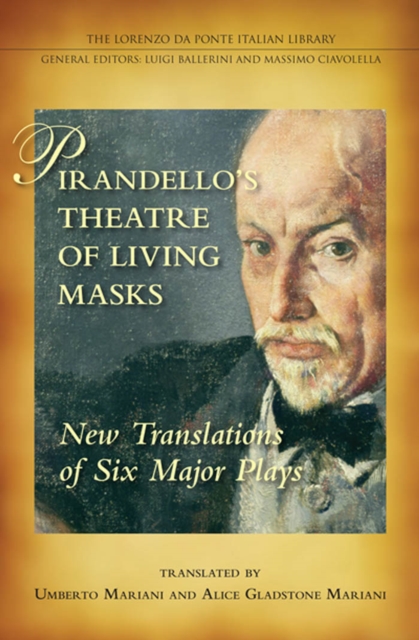
The Nobel Prize-winning dramatist Luigi Pirandello (1867-1936) is undoubtedly one of the most innovative playwrights of the twentieth century and also one of the most complex.
One of twentieth-century Italy's greatest thinkers, Primo Levi (1919-1987) started reflecting on the Holocaust almost immediately after his return home from the year he survived in Auschwitz.
Given that the Nobel Prize-winning author Samuel Beckett (1906-1989) was personally acquainted with the modernist master James Joyce, and even helped research and promote Finnegans Wake, it should come as no surprise that Beckett was greatly influenced by Joyce's own work.
A Multitude of Women looks at the ways in which both Italian literary tradition and external influences have assisted Italian women writers in rethinking the theoretical and aesthetic ties between author, text, and readership in the construction of the novel.
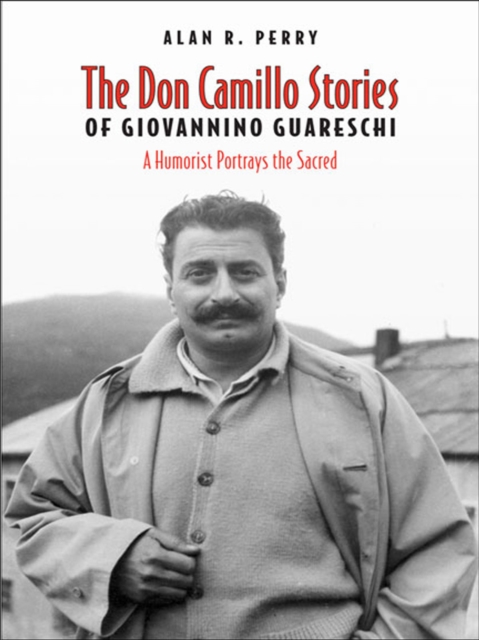
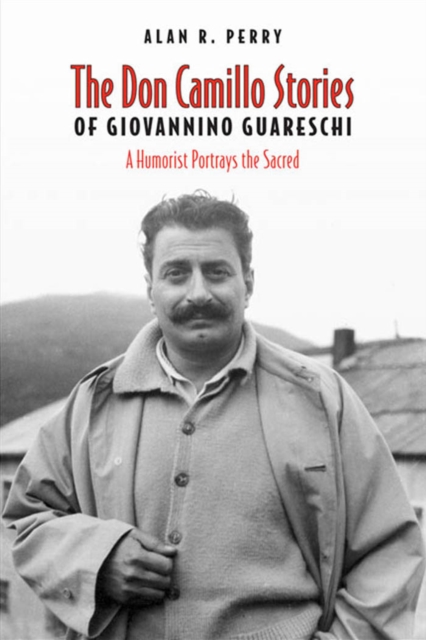
Giovannino Guareschi (1908-1968) was an Italian journalist, humorist, and cartoonist best known for his short stories based on the fictional Catholic priest Don Camillo.
While Canadian historians have studied socialism in the 1930s, and although there have been many studies of American and British literary leftists from this period, Comrades and Critics is the first full-length study of Canada's 1930s literary left.
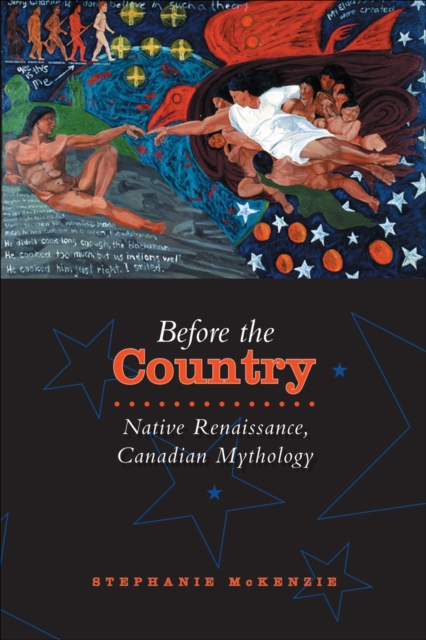
In the late 1960s and early 1970s, Canada witnessed an explosion in the production of literary works by Aboriginal writers, a development that some critics have called the Native Renaissance.
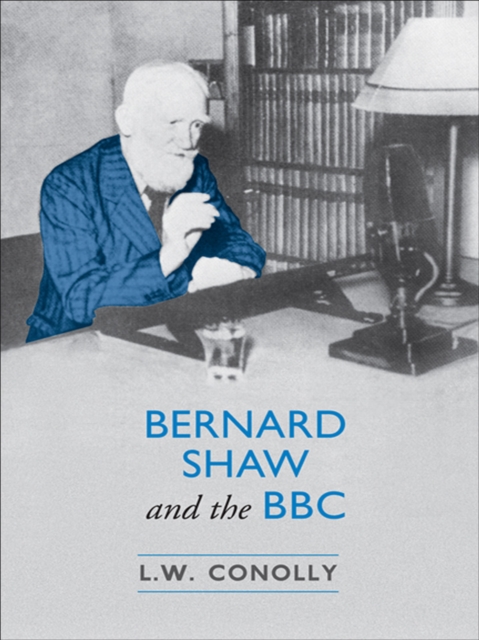
George Bernard Shaw's frequently stormy but always creative relationship with the British Broadcasting Corporation was in large part responsible for making him a household name on both sides of the Atlantic.
Giovannino Guareschi (1908-1968) was an Italian journalist, humorist, and cartoonist best known for his short stories based on the fictional Catholic priest Don Camillo.
Comparing second generation children of immigrants in black Canadian and black British women's writing, Settling Down and Settling Up extends discourses of diaspora and postcolonialism by expanding recent theory on movement and border crossing.
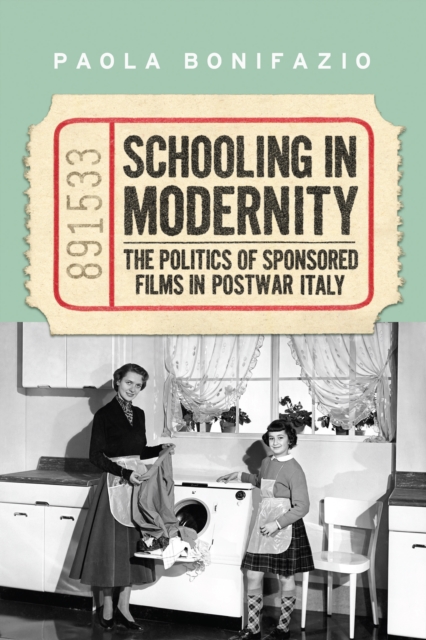
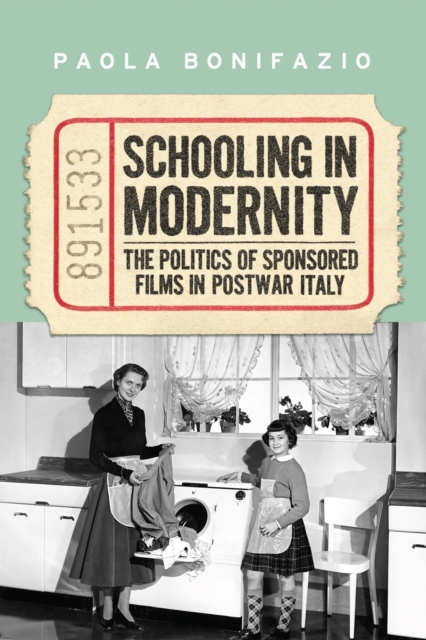
Between 1948 and the end of the 1950s, Italian and American government agencies and corporations commissioned hundreds of short films for domestic and foreign consumption on topics such as the fight against unemployment, the transformation of rural and urban spaces, and the re-establishment of democratic regimes in Italy and throughout Europe.
Between 1948 and the end of the 1950s, Italian and American government agencies and corporations commissioned hundreds of short films for domestic and foreign consumption on topics such as the fight against unemployment, the transformation of rural and urban spaces, and the re-establishment of democratic regimes in Italy and throughout Europe.
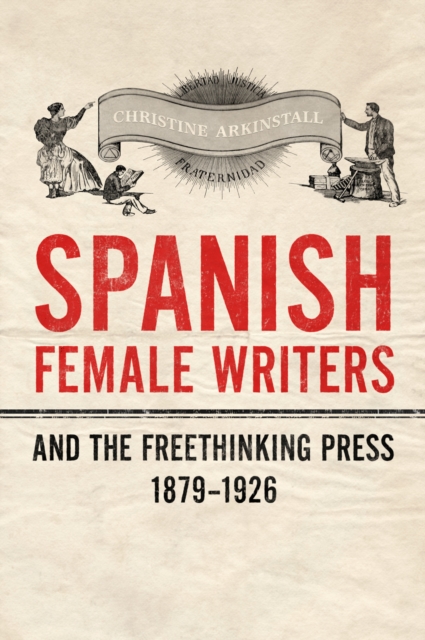
Christine Arkinstall’s historical and literary study of female freethinking intellectuals in fin-de-siècle Spain examines the contributions of three intellectuals, Amalia Domingo Soler, Angeles López de Ayala, and Belén Sárraga, to the development of feminist consciousness and democracy.
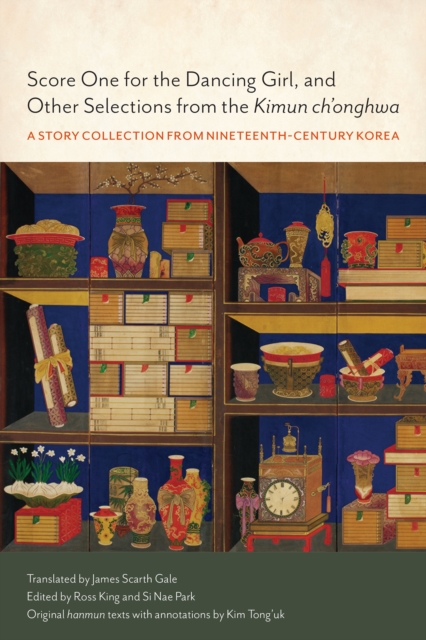
Score One for the Dancing Girl presents more than a hundred stories from an early-nineteenth-century collection of yadam stories, the Kimun ch’onghwa (“Compendium of Records of Hearsay”).
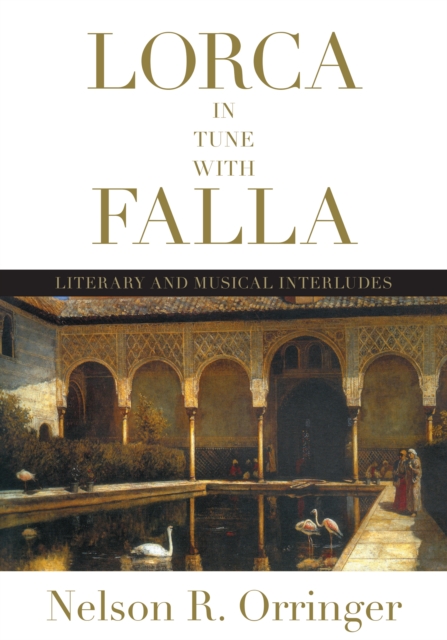
Federico García Lorca (1889-1936) is widely regarded as the greatest Spanish poet of the twentieth century; Manuel de Falla (1876-1946) is Spain’s most performed composer of the same period.
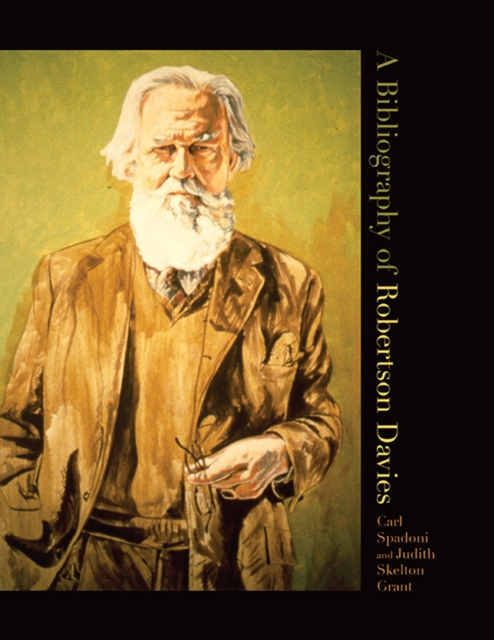
Robertson Davies (1913–1995), one of Canada’s most distinguished authors of the twentieth century, was known for his work as a novelist, playwright, critic, journalist, and professor.
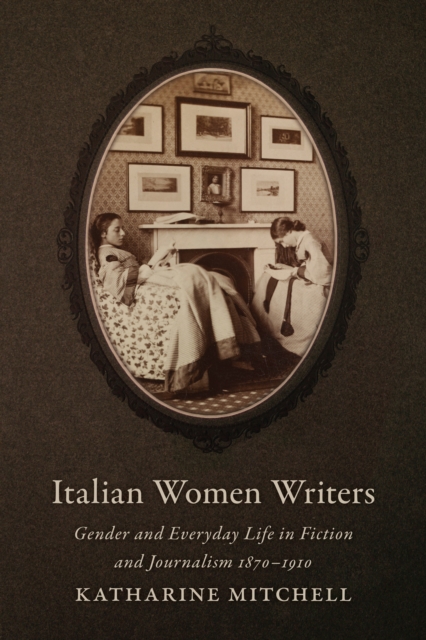
Post-Unification Italy saw an unprecedented rise of the middle classes, an expansion in the production of print culture, and increased access to education and professions for women, particularly in urban areas.