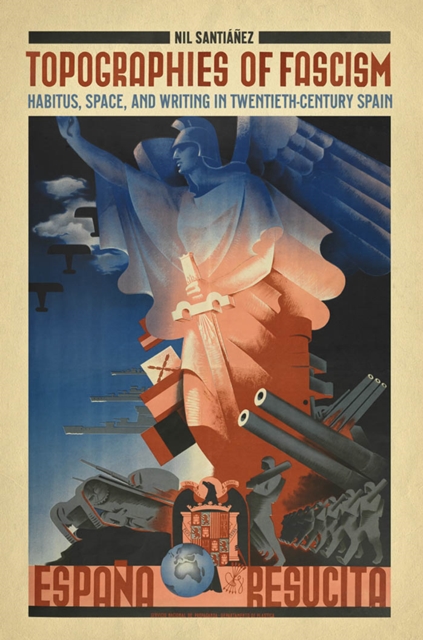
Topographies of Fascism offers the first comprehensive exploration of how Spanish fascist writing – essays, speeches, articles, propaganda materials, poems, novels, and memoirs – represented and created space from the early 1920s until the late 1950s.
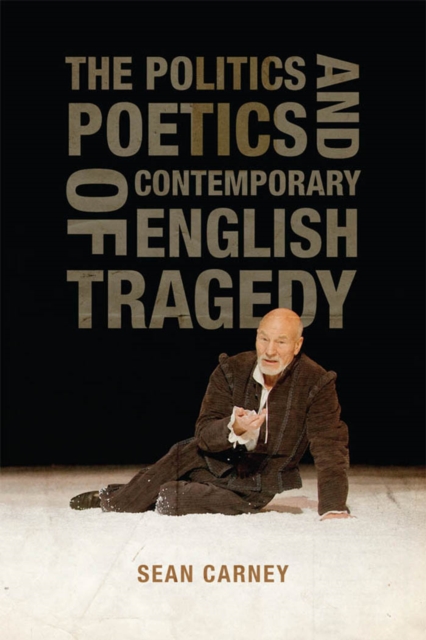
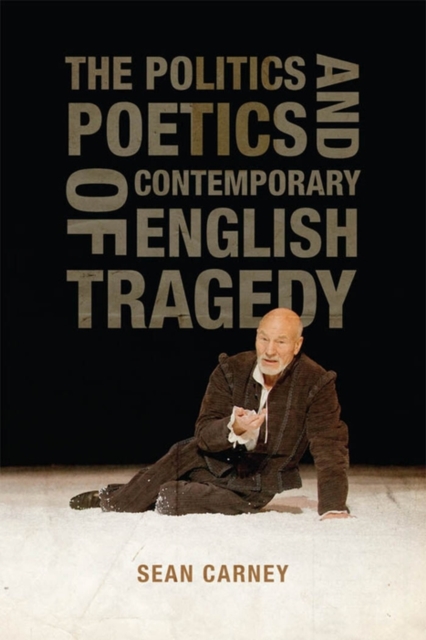
The Politics and Poetics of Contemporary English Tragedy is a detailed study of the idea of the tragic in the political plays of David Hare, Howard Barker, Edward Bond, Caryl Churchill, Mark Ravenhill, Sarah Kane, and Jez Butterworth.
The Politics and Poetics of Contemporary English Tragedy is a detailed study of the idea of the tragic in the political plays of David Hare, Howard Barker, Edward Bond, Caryl Churchill, Mark Ravenhill, Sarah Kane, and Jez Butterworth.
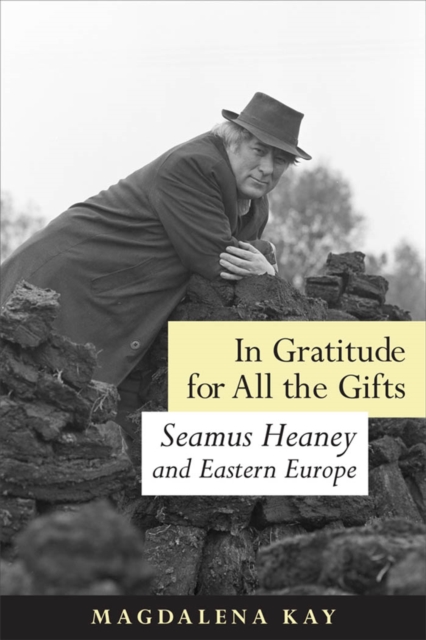
In Gratitude for All the Gifts explores the literary and cultural links between the bestselling, Nobel Prize-winning Northern Irish poet Seamus Heaney and the preeminent Eastern European poets of the twentieth century, including fellow Nobel laureate Czeslaw Milosz and Zbigniew Herbert.
In Performing Autobiography, Jenn Stephenson presents an innovative new approach to autobiography studies that links the growing field of research to drama.
In Performing Autobiography, Jenn Stephenson presents an innovative new approach to autobiography studies that links the growing field of research to drama.
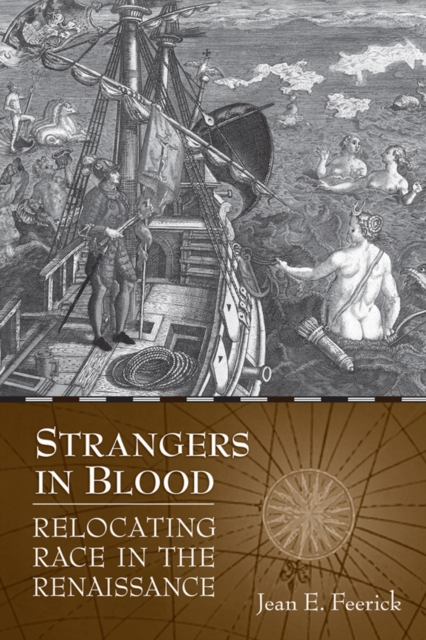
Strangers in Blood explores, in a range of early modern literature, the association between migration to foreign lands and the moral and physical degeneration of individuals.
The first major work in Sino-Western comparative semiotics, Parallels, Interactions, and Illuminations is a trans-disciplinary and intercultural effort that makes intellectual connections not only across such diverse academic fields as epistemology, anthropology, linguistics, sociology, and cultural studies but also between Chinese and Western theories of the sign in the conviction that they can shed light on one another.
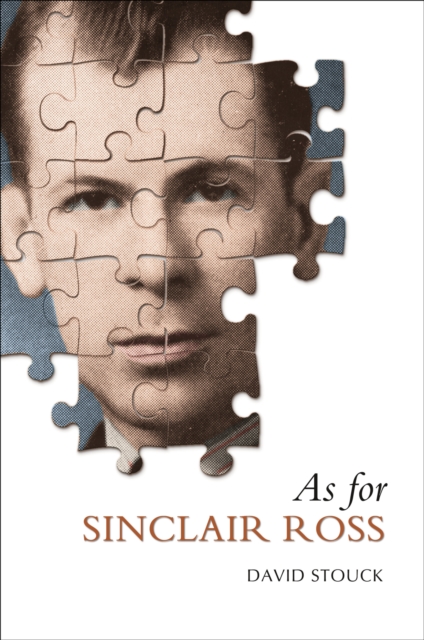
Sinclair Ross (1908-1996), best known for his canonical novel As for Me and My House (1941), and for such familiar short stories as "e;The Lamp at Noon"e; and "e;The Painted Door,"e; is an elusive figure in Canadian literature.
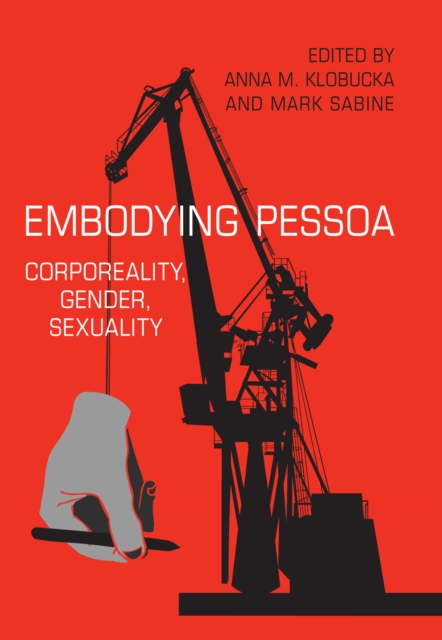
The multifaceted and labyrinthine oeuvre of the Portuguese poet Fernando Pessoa (1888-1935) is distinguished by having been written and published under more than seventy different names.
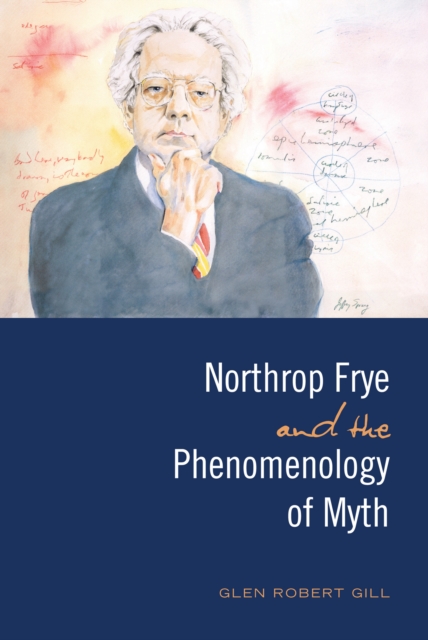
In Northrop Frye and the Phenomenology of Myth, Glen Robert Gill compares Frye's theories about myth to those of three other major twentieth-century mythologists: C.
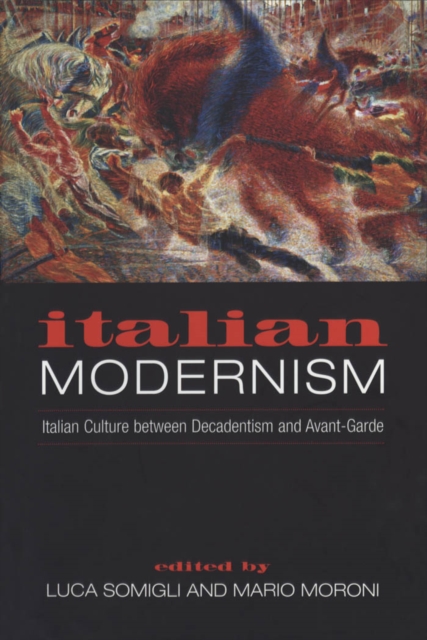
Italian Modernism was written in response to the need for an historiographic and theoretical reconsideration of the concepts of Decadentismo and the avant-garde within the Italian critical tradition.
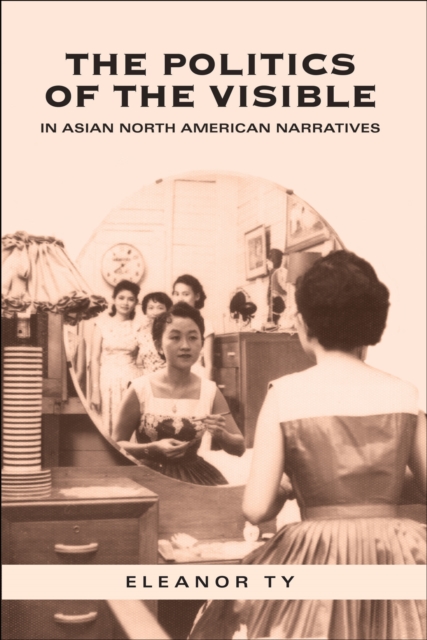
Examining nine Asian Canadian and Asian American narratives, Eleanor Ty explores how authors empower themselves, represent differences, and re-script their identities as 'visible minorities' within the ideological, imaginative, and discursive space given to them by dominant culture.
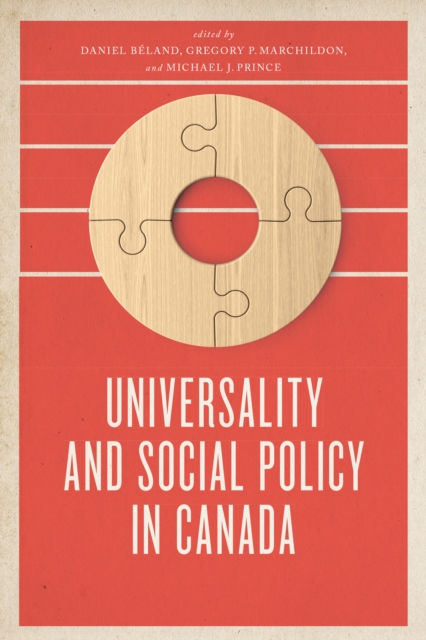
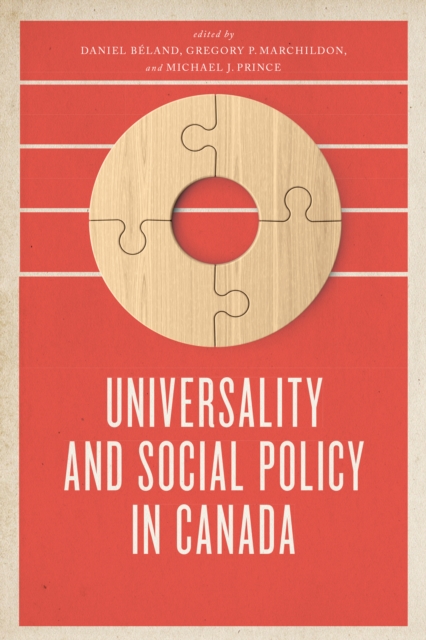
Bringing together top scholars in the field, Universality and Social Policy in Canada provides an overview of the universality principle in social welfare.
Bringing together top scholars in the field, Universality and Social Policy in Canada provides an overview of the universality principle in social welfare.
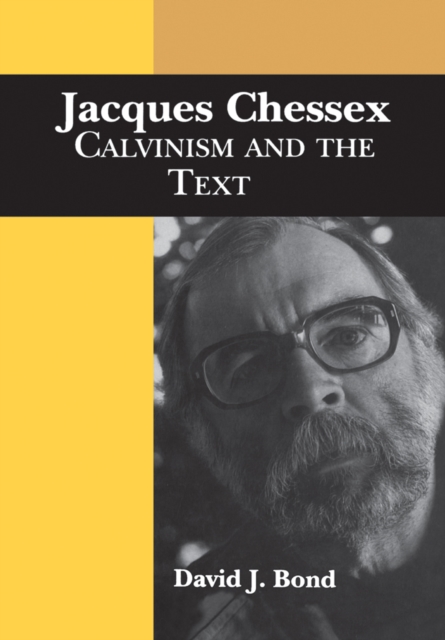
Despite an impressive body of poems, novels, short stories, and literary criticism; high praise for his writing by French and Swiss critics; and a collection of honours that includes the prestigious Prix Goncourt, awarded for his novel L’Ogre in 1973, Jacques Chessex is relatively unknown outside France and Switzerland.
After Florence Hester Edgar passed away in 1944, there was found among her effects a quantity of compositions in prose and verse almost ready for publication.
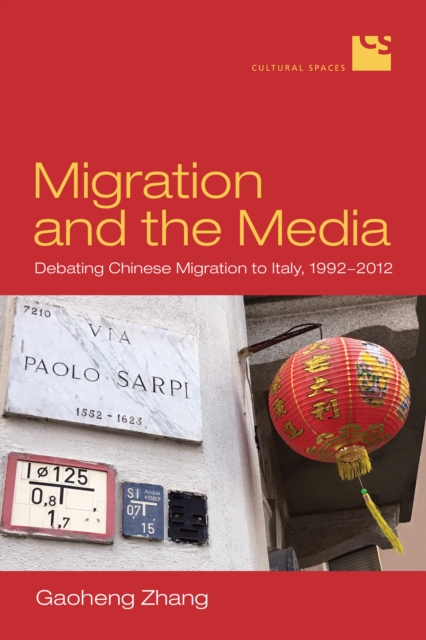
The first book to analyse cultural dynamics of Chinese migration to Italy, Migration and the Media compares Italian, Chinese migrant, and international media interpretations between 1992 and 2012.
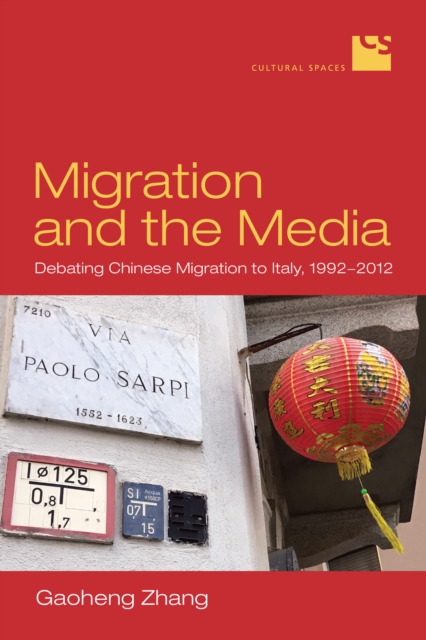
The first book to analyse cultural dynamics of Chinese migration to Italy, Migration and the Media compares Italian, Chinese migrant, and international media interpretations between 1992 and 2012.
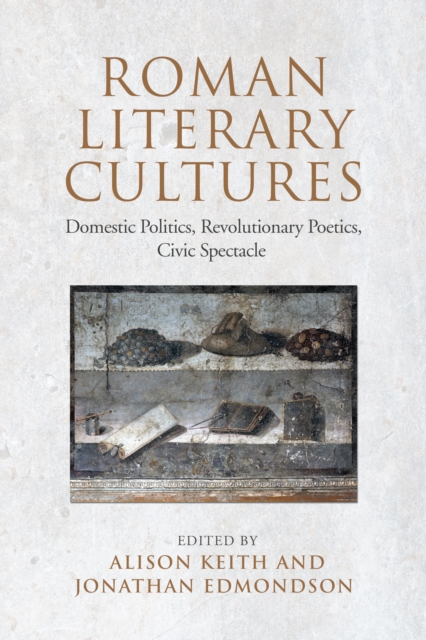
Drawing on the historicizing turn in Latin literary scholarship, Roman Literary Cultures combines new critical methods with traditional analysis across four hundred years of Latin literature, from mid-republican Rome in the second century BC to the Second Sophistic in the second century AD.
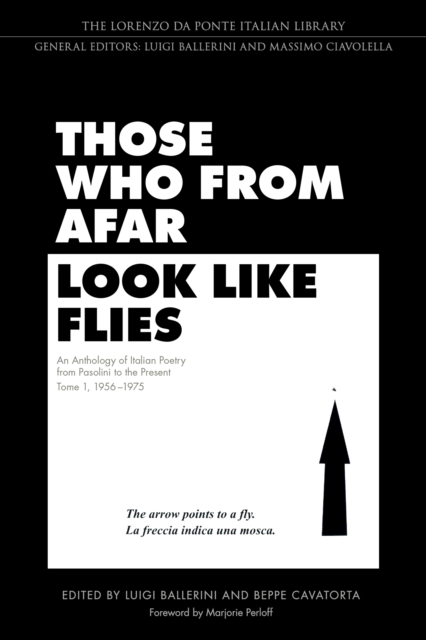
Those Who from Afar Look Like Flies is an anthology of poems and essays that aims to provide an organic profile of the evolution of Italian poetry after World War II.
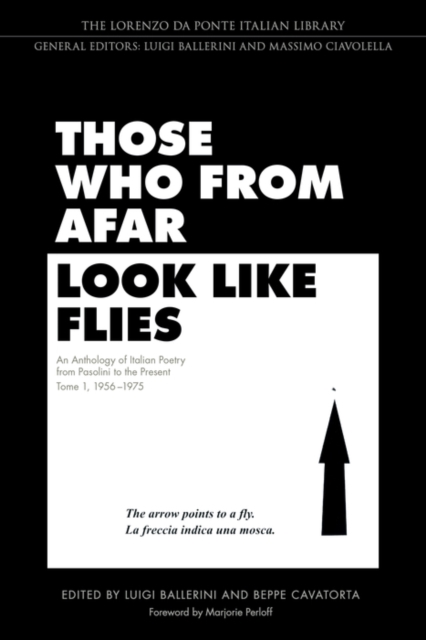
Those Who from Afar Look Like Flies is an anthology of poems and essays that aims to provide an organic profile of the evolution of Italian poetry after World War II.
Italian Modernism was written in response to the need for an historiographic and theoretical reconsideration of the concepts of Decadentismo and the avant-garde within the Italian critical tradition.
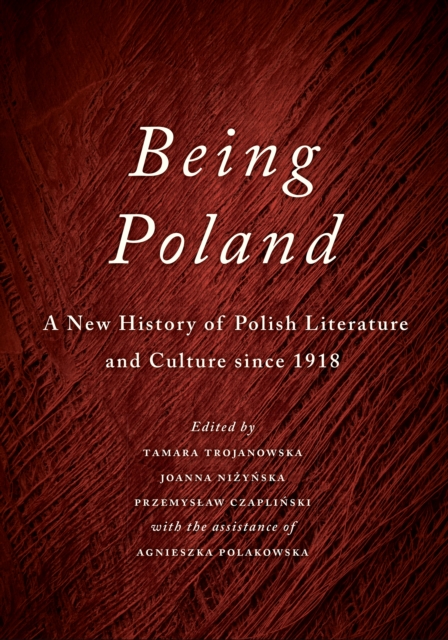
Being Poland offers a unique analysis of the cultural developments that took place in Poland after World War One, a period marked by Poland's return to independence.