A cutting-edge collection of original essays on American literary giant Philip Roth offering contemporary critical readings and assessments of recent texts.
Defying critical suggestions that the pastoral elegy is obsolete, Iain Twiddy reveals the popularity of the form in the work of major contemporary poets Seamus Heaney, Ted Hughes and Paul Muldoon, Michael Longley, Douglas Dunn and Peter Reading.
Closer emerged as one of the most successful plays of the 1990s, and one with a continuing afterlife through the academy award nominated film adaptation in 2004.
A comprehensive reference guide to the published writings of Graham Greene, this book surveys not only Greene's literary work - including his fiction, poetry and drama - but also his other published writings.
Both literary author and celebrity, Bret Easton Ellis represents a type of contemporary writer who draws from both high and the low culture, using popular culture references, styles and subject matters in a literary fiction that goes beyond mere entertainment.
With its innovative narrative structure and its controversial explorations of race, gender and empire, Joseph Conrad's Heart of Darkness is a landmark of 20th century literature that continues to resonate to this day.
Henry James's ghost story novella, The Turn of the Screw (1898) is a key gothic text and is one of the most popular James texts for undergraduate study.
British Fictions of the Sixties focuses on the major socio-political changes that marked the sixties in relationship to the development of literature over the decade.
Bringing new insights from genre theory to bear on the work of the journalist and novelist Rebecca West, this study explores how West's use of and combinations of multiple genres (often in single works) was informed and furthered by her subversive feminist goals.
Contemporary Caribbean Writing and Deleuze maps a new intellectual and literary history of postcolonial Caribbean writing and thought spanning from the 1930s surrealist movement to the present, crossing the region's language blocs, and focused on the interconnected principles of creativity and commemoration.
This major interdisciplinary collection captures the vitality and increasingly global significance of the Faust figure in literature, theatre and music.
The Bloomsbury Companion to Holocaust Literature is a comprehensive reference resource including a wealth of critical material on a diverse range of topics within the literary study of Holocaust writing.
Literary Art in Digital Performance examines electronic works of literary art, a category integrating the visual+textual including interactive poetry, narrative computer games, filmic sculpture and projective art.
Religion has always been an integral part of the literary tradition: many canonical and non-canonical texts engage extensively with religious ideas, and the development of English Literature as a professional discipline began with an explicit consideration of the relationship between religion and literature.
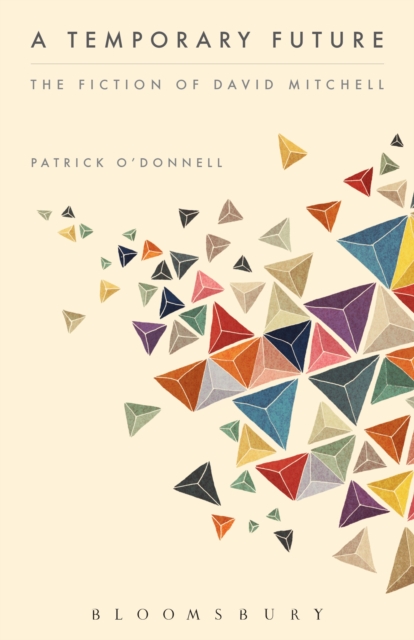
Having emerged as one the leading contemporary British writers, David Mitchell is rapidly taking his place amongst British novelists with the gravitas of an Ishiguro or a McEwan.
Thinking in Literature examines how the Modernist novel might be understood as a machine for thinking, and how it offers means of coming to terms with what it means to think.
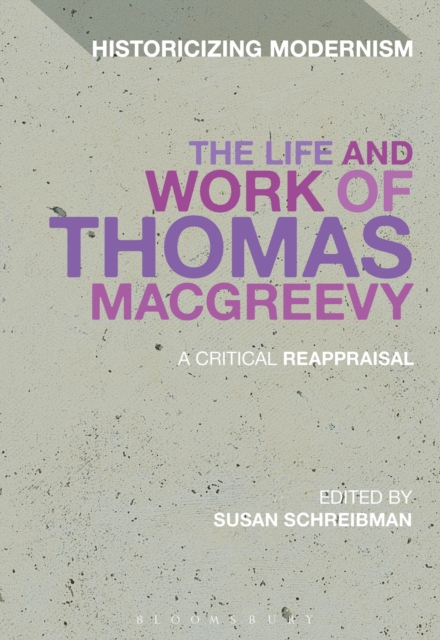
As a poet and literary critic, Thomas MacGreevy is a central force in Irish modernism and a crucial facilitator in the lives of key modernist writers and artists.
Featuring close readings of selected poetry, visual texts, short stories and novels published for children since 1945 from Naughty Amelia Jane to Watership Down, this is the first extensive study of the nature and form of ethical discourse in British children's literature.
While postcolonial studies of Romantic-period literature have flourished in recent years, scholars have long neglected the extent of Samuel Taylor Coleridge's engagement with the Orient in both his literary and philsophical writings.
The Contemporary British Novel is a lively, wide-ranging guide to the key issues in writing in Britain since the mid-1970s, including social change, gender, sexuality, class, history and ethnicity.