The fifteen essays in this collection, published here for the first time, survey the work of some of the major British and Irish dramatists since 1960.
Stage Right is a refreshingly abrasive account of the state of British theatre since 1979, offering an account of the development of a new mainstream formed in conscious opposition to the work of the politically committed dramatists of the 70s and an analysis of the plays of the most successful playwrights of the new mainstream: Nichols, Gray, Frayn, Bennett, Ayckbourn and Stoppard.
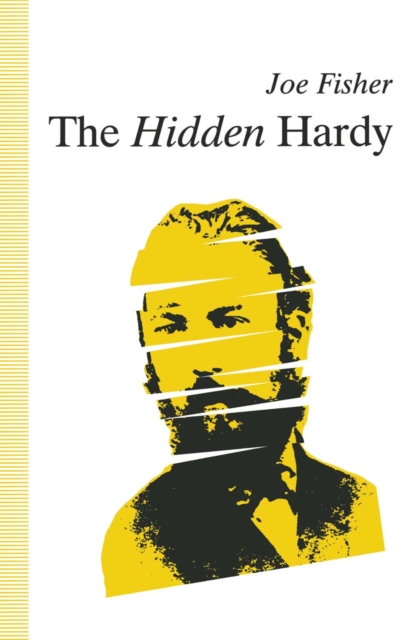
New Perspectives on Thomas Hardy is a lively and varied collection of new essays on Thomas Hardy, contributed by some of the world's leading Hardy scholars.
In this second volume of his study of the Anglo-Irish novelist Lawrence Durrell (following the appearance in 1988 of The Dandy and the Herald: Manners, Mind and Morals from Brummell to Durrell Richard Pine examines in detail Durrell's unique contribution to the development of the modern novel, concentrating in particular on the evidence of Durrell's private notebooks and diaries.
The Nouveau Roman writers have been actively involved in the theory as well as the practice of fiction, participating in a series of vigorous debates on issues such as the political significance of literature, formalism and structuralism, the status of the author, etc.
This is a selection of papers on Russian literature of the Soviet period presented at the IVth World Congress for Soviet and East European Studies in 1990.
This volume consists of ten essays by scholars from the Soviet Union, the United States and New Zealand on aspects of Russian literature of the late nineteenth and early twentieth century.
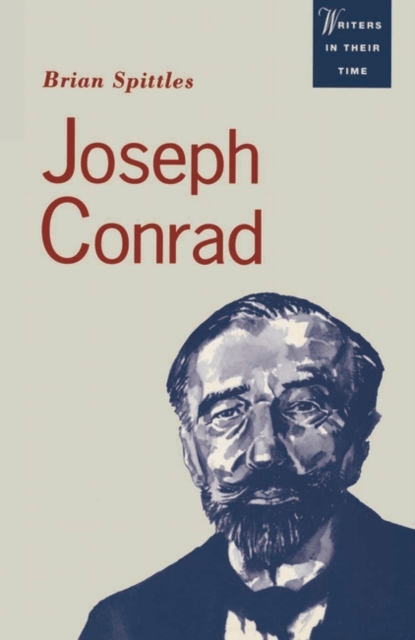
Through attention to incidents of betrayal and self-betrayal in his fiction, this book traces the development of Conrad's conception of identity through the three phases of his career: the self in isolation, the self in society and the sexualised self.
This book is essential reading for an understanding of Conrad's fiction both as a product of the political, social and intellectual forces dominating the period 1870-1920, and of the pressures and influences in Conrad's own life.
British Fiction in the 1930s studies the literary climate of the British 1930s through a critical treatment of some of its influential and socially representative fiction.
Few attempts have been made to arrive at a sober assessment of Tolkien's achievement as a literary artist, and even fewer to define a place for him in twentieth-century literature.
Taking as its starting-point the 'death of tragedy' debate, and focusing on the supposed disappearance from the stage of the individual tragic hero, the book views selected plays and writings on the theatre by Miller, Williams, Maxwell Anderson and O'Neill as exemplifying four versions of heroism: idealism, martyrdom, self-reflection and survival.
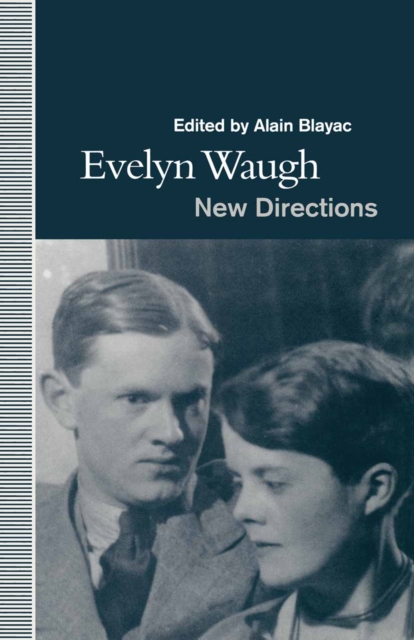
In this volume of essays casting new light on aspects of Waugh's life and writings, the essential Waugh emerges as a diffident artist and a sensitive recorder not only of the Roaring Twenties but also of his century.
This is a collection of original essays by international scholars which focuses on Irish writing in English from the eighteenth century to the present.
This study examines the historical relationship between tragicomedy in the modernist theatre and the performative culture of Western consumer societies.
Reissued to commemorate the 100th anniversary of Bloomsday, Reading Joyce's 'Ulysses' includes a new preface taking account of scholarly and critical development since its original publication.
The nine essays in this volume make significant contributions to the development of contemporary literary theory and demonstrate how a range of new approaches can be applied to modern British drama.
Following the recent publication of Philip Larkin's Collected Poems, this study draws on a previously unavailable range of work extending from 1938 to 1983.