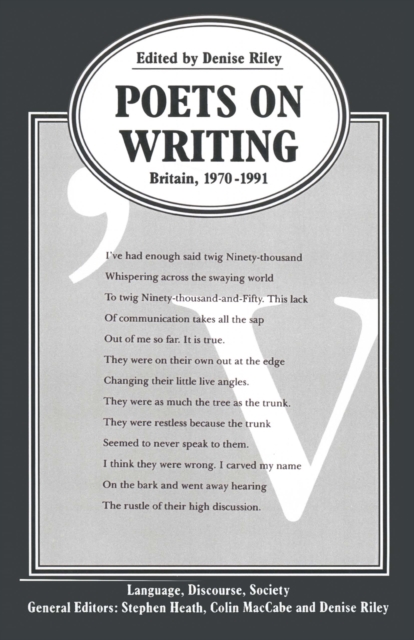
A collection of essays and some related poems by almost 30 contemporary poets who have worked for years outside the "e;mainstream"e; of British publishing.
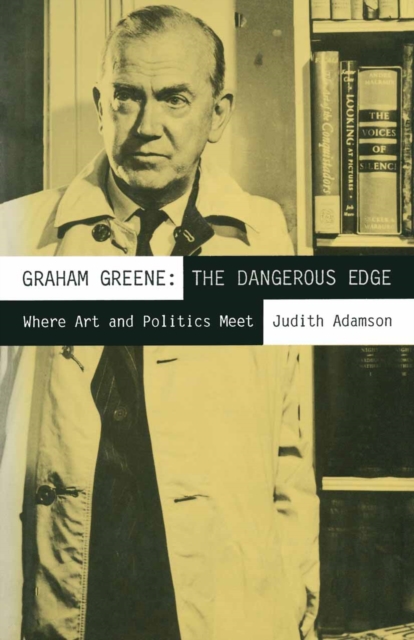
Since the war Graham Greene has travelled habitually to the world's trouble-spots and has provided leading newspapers and journals with articles about what he saw.
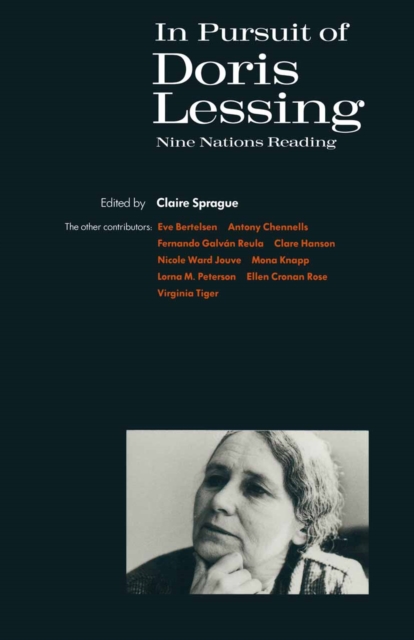
The phenomenon of Doris Lessing's global reputation and readership is addressed for the first time in In Pursuit of Doris Lessing through a series of essays that also provide a provocative overview of Lessing's long career from The Grass Is Singing, the first of a series of African and woman-centered politically radical works, to her latest galactic and politically conservative works.
An exploration of how key modern writers challenged conventional ways of characterizing selfhood, thus developing a discourse expressive of the subtleties of experience in a post-Freudian world long before the self-representation theories of the post-structuralists and post-modernists.
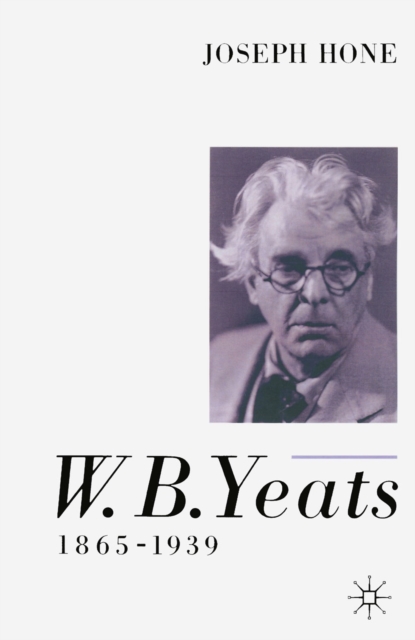
This is a biographical account of Yeats' life detailing his early family life, his schooldays, his London years, his rise to literary fame, his relationships and marriage, his Oxford period and his career in public life.
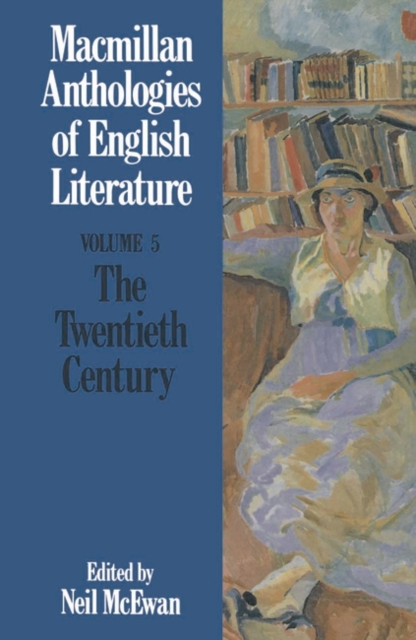
This volume illustrates the strength and variety of twentieth century literature, and provides a stimulating collection to which readers will return time and again.
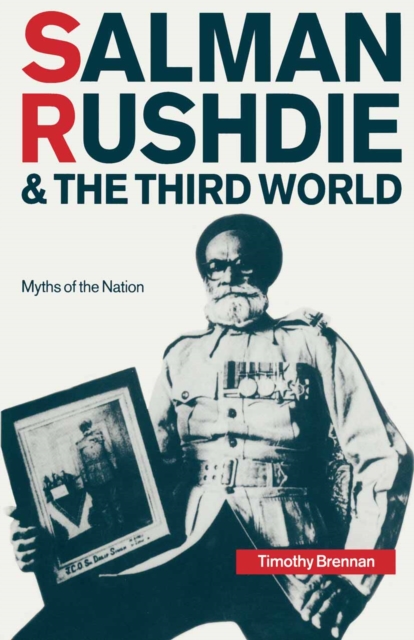
The dialectic between national literary production and the rise of a group of writers with cosmopolitan sympathies is the aim of this book, concentrating on Rushdie's novels and journalism.
An examination of the changing relationship between the writer and his protagonists, exploring how Isherwood's fiction achieves artistic integration and literary significance only when it reflects his personal concerns through theme and technique as he experiments with new narrative strategies.
A study of Wharton's work which discusses her novels and travel books according to their specific geography or landscape rather than the date of composition.
This critical introduction to Warner's writings aims to rehabilitate them from neglect by discussing the development of his ideas and their problematic relationship with the fictional forms through which he articulated them - a relationship which deepens his ostensibly straightforward narratives, and which raises questions of continuing literary interest.