The essays collected in Celebrating Thomas Hardy include both scholarly studies by leading academics and personal appreciations by perceptive readers and writers.
'At last, we have a study that tackles these questions, and does so with a wealth of learning, a poet's sensibility and a thorough theological literacy.
Opening with Thomas's life, the book offers vignettes of Swansea in the 1920s and 1930s, pre- and post-war Laugharne and rural West Wales, wartime London and New York City in the early 1950s, seen through the poet's eyes.
Theatre has never been afraid to adapt, rewrite and contemporize Shakespeare's drama since theatre by definition is a living medium involving a corporate creativity.
Investigates narrative strategies in James Joyce's stories in relation to the changing contextual situations, both in the individual narratives and in the cumulative text, context serving as a portal of entry into the narrative(s).
Elsa Nettels's analysis of American fiction and criticism of the post-Civil War era unearths the prevailing assumptions about language and gender as revealed in definitions of masculine and feminine, and in comparisons of men's and women's speech and writing.
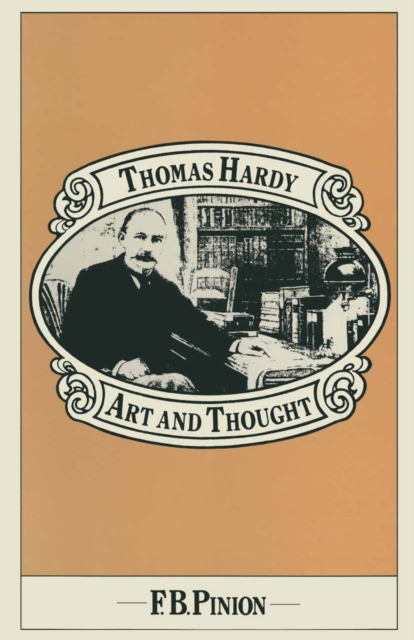
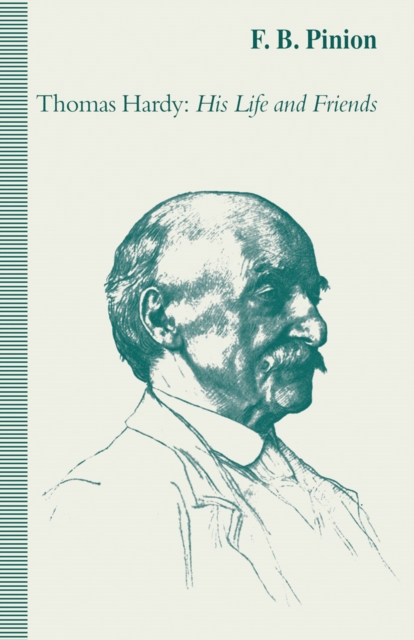
Through a study of his verse and fiction the author attempts to present Hardy's seemingly conflicting views about the nature of God and His relationship with man.
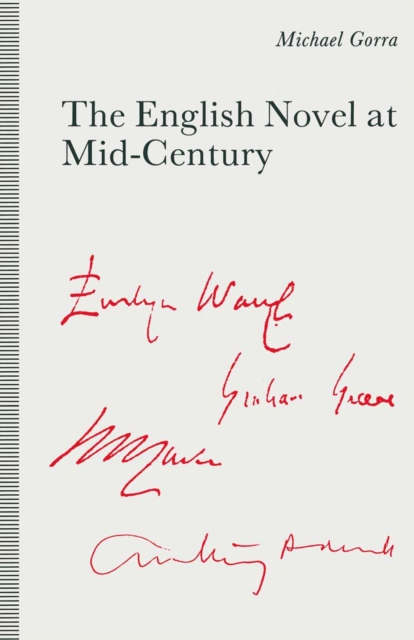
This charts the emergence of British writers who assimilated the experimentation of the modernists in a realist tradition, also crafting their own distinctive literary voice.
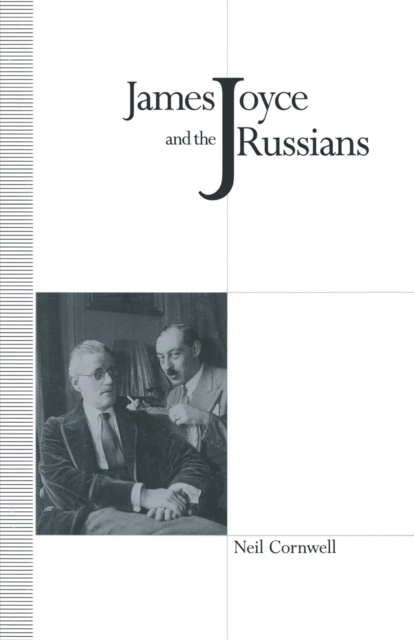
This original three-part study examines Russia, Russians and their culture in Joyce's life and establishes a Russian theme running through his work as a whole, from the earliest writings to Finnegans Wake.
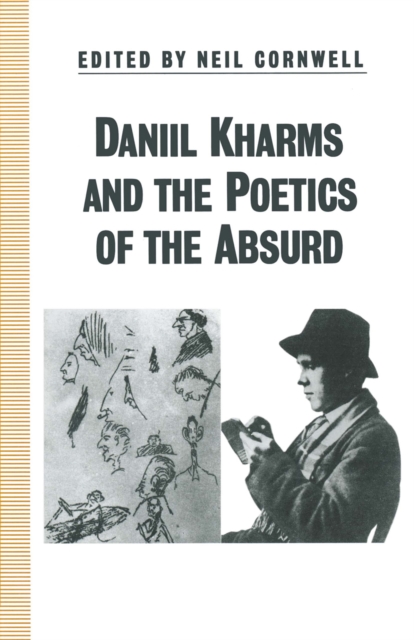
This volume of essays and other materials offers an assessment of the short prose, verse and drama of Daniil Kharms, Leningrad absurdist of the 1920s and 1930s, who was one of the last representatives of the Russian literary avante-garde.
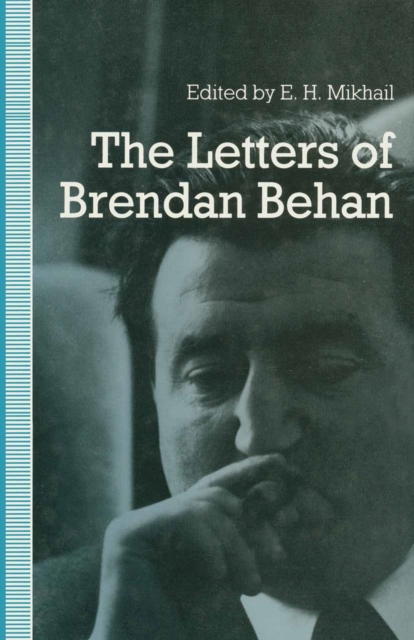
A critical study of author Brendan Behan and his work, through collected letters, correspondence, material from previous publications and personal reminiscences.
'So far as the young were concerned,' Orwell wrote of Britain in the years after the Great War, 'the official beliefs were dissolving like sandcastles.
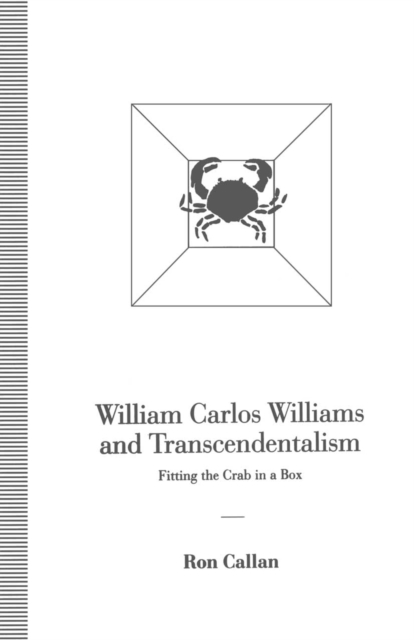
This book examines the achievements of William Carlos Williams in the context of the transcendentalism of Ralph Waldo Emerson, Henry David Thorgau and Walt Whitman.