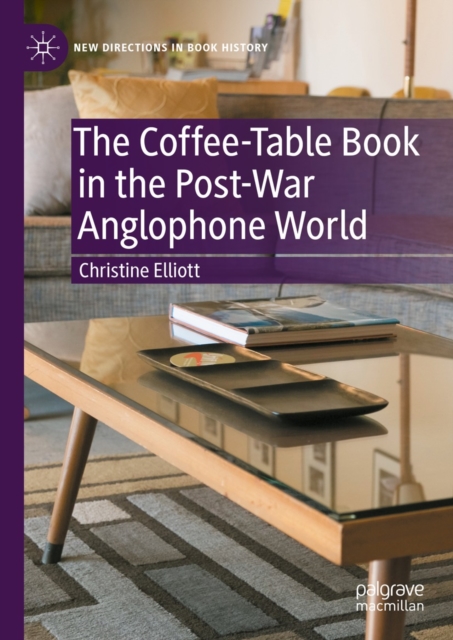
The Coffee-Table Book in the Post-War Anglophone World argues that coffee-table books appeared and became popular in the post-war era at the convergence of three important developments: advances in full colour printing technology, social change, and publishing entrepreneurism and innovation.
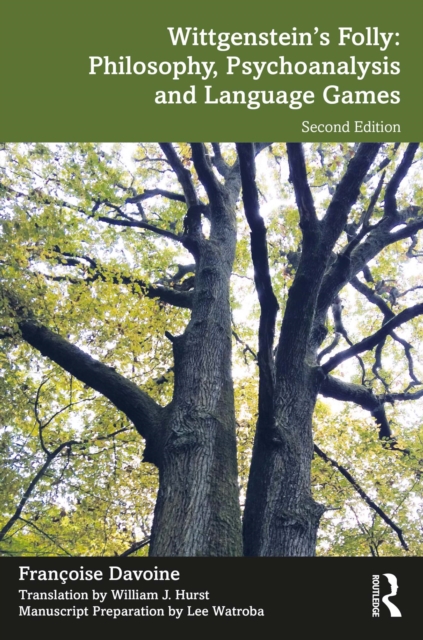
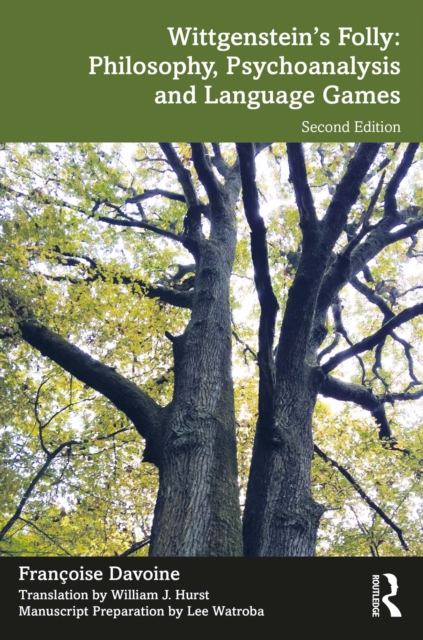
Wittgenstein's Folly: Philosophy, Psychoanalysis and Language Games presents a dialogue between the philosopher Ludwig Wittgenstein, the author Francoise Davoine and Davoine's patients with extreme lived experience.
Wittgenstein's Folly: Philosophy, Psychoanalysis and Language Games presents a dialogue between the philosopher Ludwig Wittgenstein, the author Francoise Davoine and Davoine's patients with extreme lived experience.
The Coffee-Table Book in the Post-War Anglophone World argues that coffee-table books appeared and became popular in the post-war era at the convergence of three important developments: advances in full colour printing technology, social change, and publishing entrepreneurism and innovation.
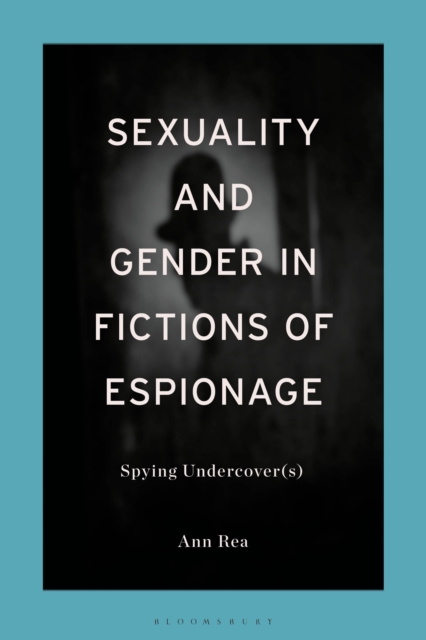
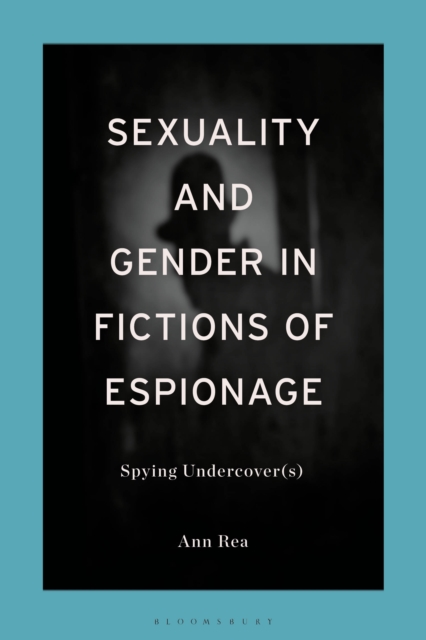
An exploration of how espionage narratives give access to cultural conceptions of gender and sexuality before and following the Second World War, this book moves away from masculinist assumptions of the genre to offer an integrative survey of the sexualities on display from important characters across spy fiction.
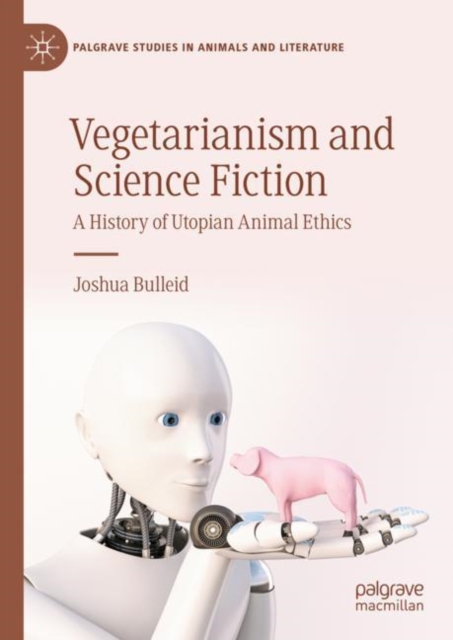
Vegetarianism and Science Fiction: A History of Utopian Animal Ethics examines how vegetarian ideals promoted within science fiction and utopian literature have had a real-world impact on the awareness and spread of vegetarianism and animal advocacy, as well as how the genres' engagements have been altered to reflect changes in ethical and environmental philosophy.
Vegetarianism and Science Fiction: A History of Utopian Animal Ethics examines how vegetarian ideals promoted within science fiction and utopian literature have had a real-world impact on the awareness and spread of vegetarianism and animal advocacy, as well as how the genres' engagements have been altered to reflect changes in ethical and environmental philosophy.
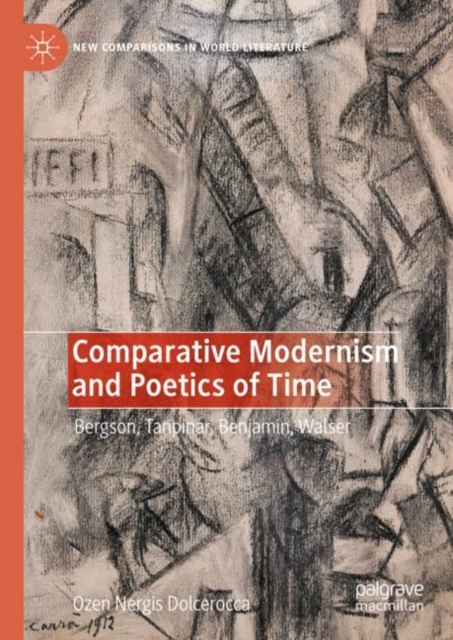
This book explores the conceptualization of time in early twentieth-century literature and thought, based on a transnational and translational model of literary history, focusing on Turkish, French and German literary traditions.
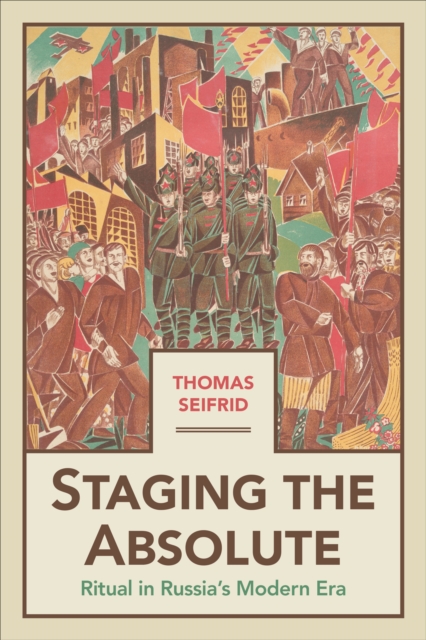
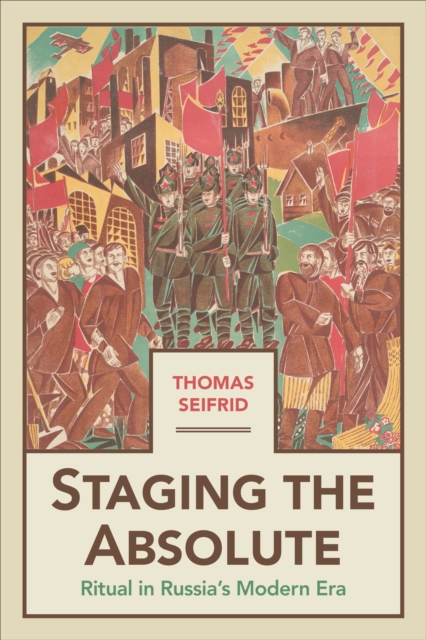
Staging the Absolute argues that an array of practices and beliefs came together to define an essential aspect of Russian and Soviet culture in the twentieth century: the persistent desire to interrupt - or disrupt - history.
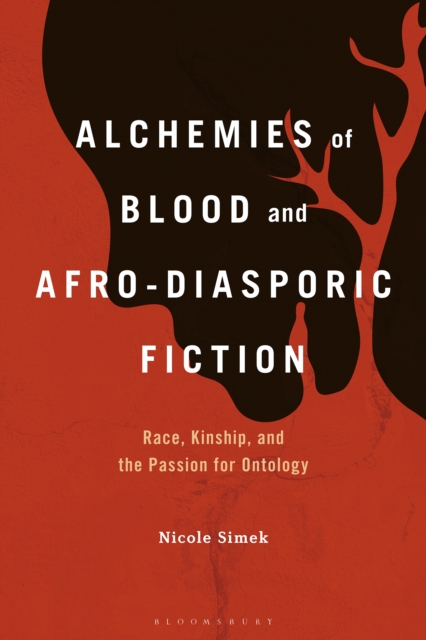
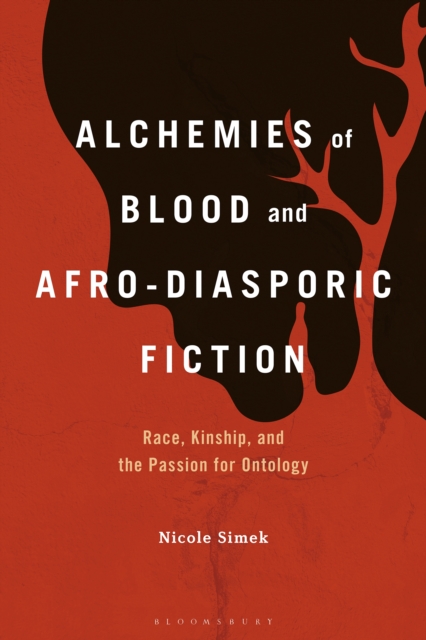
Alchemies of Blood and Afro-Diasporic Fiction focuses on the resurgence of biological racism in 21st-century public discourse, the ontological and material turns in the academy that have occurred over the same time period, and how Afro-diasporic fiction has responded to both with alternative visions of bloodlines, kinship, and community.
Von Piraten auf hoher See verschleppt, am Sklavenmarkt verkauft und in Nordafrika versklavt – dieses Schicksal ereilte in der frühen Neuzeit hunderttausende Europäerinnen und Europäer.
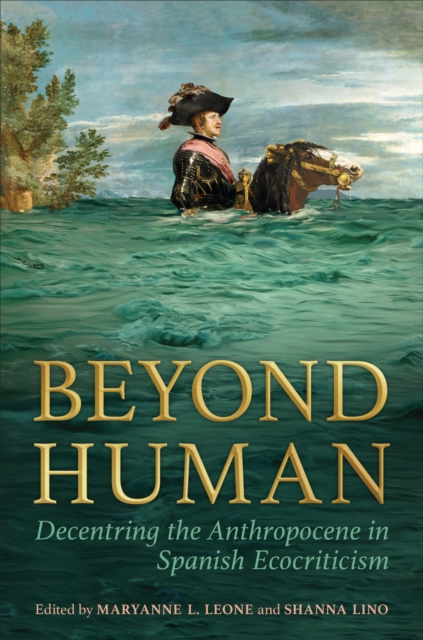
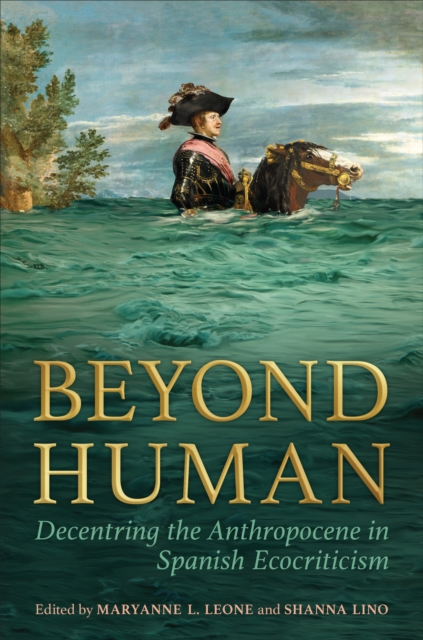
Chronicling sixteenth-century Spain to the present day, Beyond Human aims to decentre the human and acknowledge the material historicity of more-than-human nature.
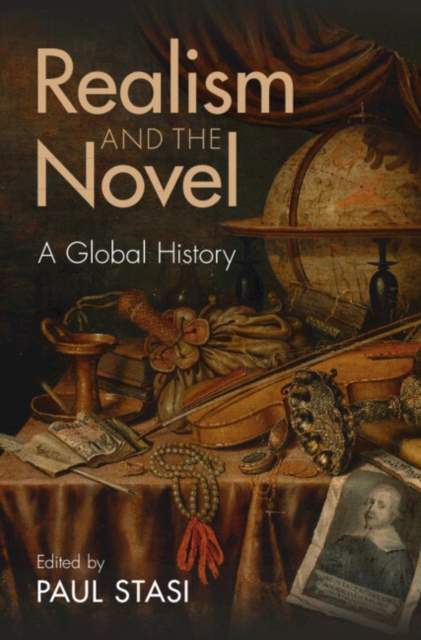
Contemporary fiction is a wide and diverse field, now global in dimension, with an enormous range of novels and writers that continues to grow at a fantastic speed.
Alchemies of Blood and Afro-Diasporic Fiction focuses on the resurgence of biological racism in 21st-century public discourse, the ontological and material turns in the academy that have occurred over the same time period, and how Afro-diasporic fiction has responded to both with alternative visions of bloodlines, kinship, and community.
Staging the Absolute argues that an array of practices and beliefs came together to define an essential aspect of Russian and Soviet culture in the twentieth century: the persistent desire to interrupt - or disrupt - history.
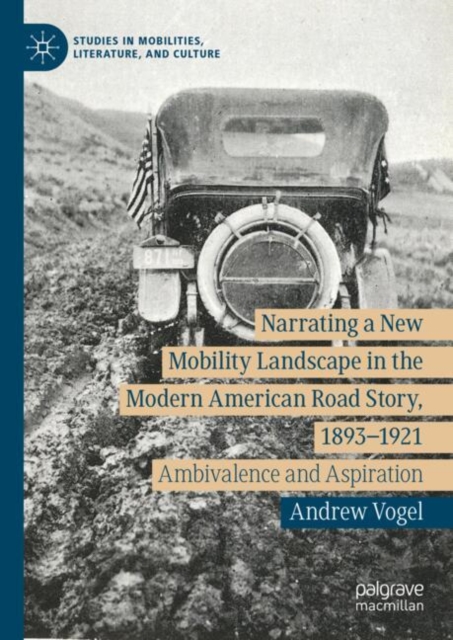
This book examines travel narratives as a medium used by the American public to imagine and negotiate new ways to live in, move through, and share national space.
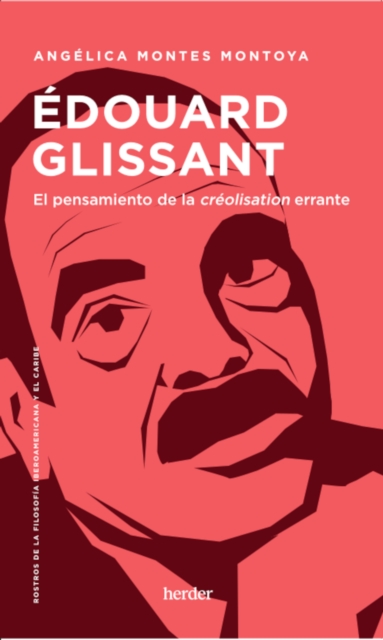
El filósofo y poeta Édouard Glissant, nacido en la isla de Martinica, es una de las voces más influyentes del pensamiento caribeño del último tercio del siglo XX.
If the mere mention of Shakespeare fills you with dread, evoking memories of arduous afternoons spent in stuffy classrooms with eccentric English teachers, it is time to reconsider that far from being three-hour marathons of unintelligible boring rubbish, Shakespeare's plays are in fact exciting, tragic, funny and often downright rude - full of memorable plots, great insults, filthy jokes and eccentric characters.
Ausgehend von exemplarischen Werken (deutsch-)jüdischer Autorinnen und Autoren nach 1945 loten die BeiträgerInnen den vielstimmigen Resonanzraum aus, in dem unterschiedliche Formen der Rückkehr nach Deutschland oder Österreich beschrieben werden.
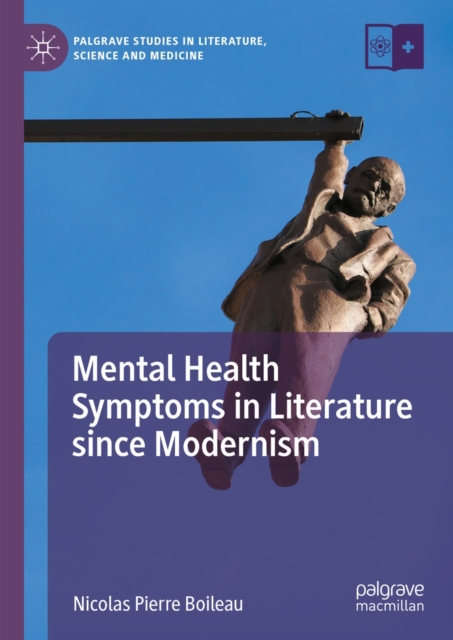
Mental Health Symptoms in Literature since Modernism looks at various ways of treating symptoms of psychological disorders in the literature of the long twentieth century.
Mental Health Symptoms in Literature since Modernism looks at various ways of treating symptoms of psychological disorders in the literature of the long twentieth century.
Chronicling sixteenth-century Spain to the present day, Beyond Human aims to decentre the human and acknowledge the material historicity of more-than-human nature.
This book explores the conceptualization of time in early twentieth-century literature and thought, based on a transnational and translational model of literary history, focusing on Turkish, French and German literary traditions.
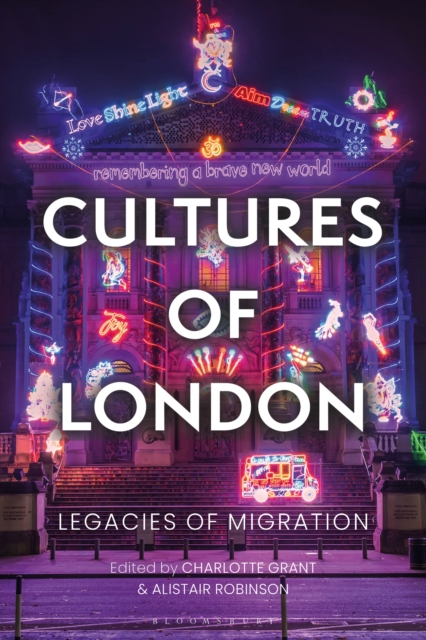
From its origin as the Roman city of Londinium through to its latest incarnation as a super-diverse World City in the twenty-first century, London's history and culture has been shaped by migration.
Ernst Jüngers Riesenwerk auf einen Nenner zu bringen, dafür gibt es zahlreiche Versuche: Moderne, Magie, Militarismus, Surrealismus, Vitalismus, Anarchismus oder Konservatismus.
An exploration of how espionage narratives give access to cultural conceptions of gender and sexuality before and following the Second World War, this book moves away from masculinist assumptions of the genre to offer an integrative survey of the sexualities on display from important characters across spy fiction.
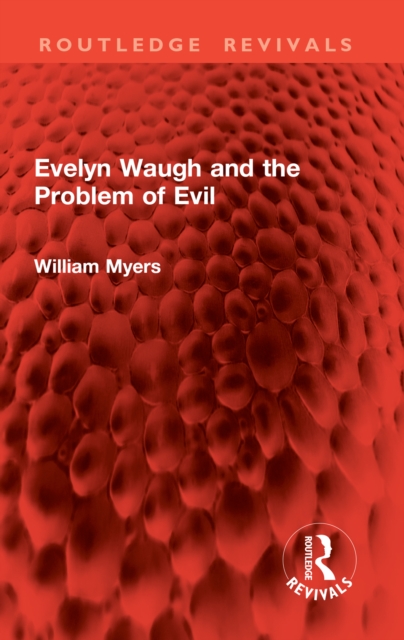
Originally published in 1991, this elegantly written book offers new readers a useful approach to the work of Evelyn Waugh and will persuade those familiar with it to look at it afresh.
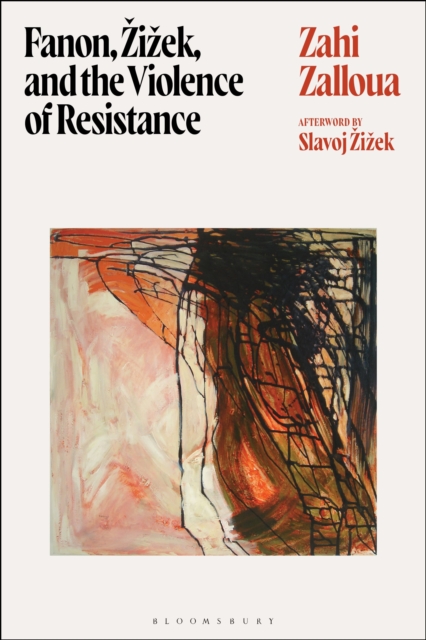
In a novel pairing of anti-colonial theorist Frantz Fanon with Marxist-Lacanian philosopher Slavoj i ek, Zahi Zalloua explores the ways both thinkers expose the violence of political structures.