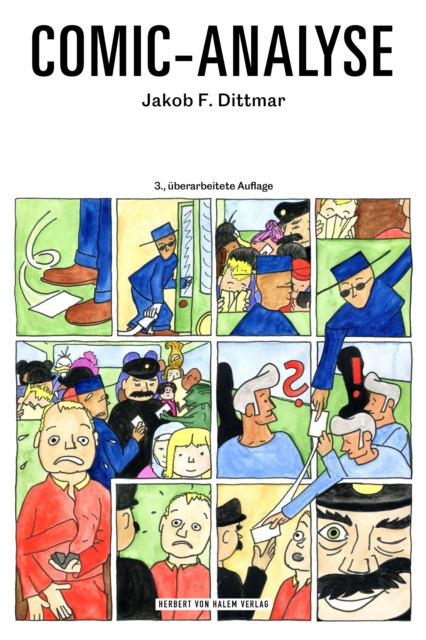
Alle Bildgeschichten erzählen im Prinzip mit demselben bildlichen und textlichen Inventar, seien sie komplex oder simpel, gedruckt, hybrid oder digital publiziert.
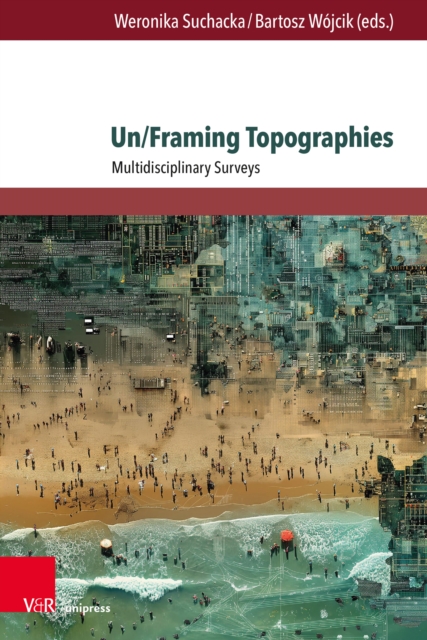
The volume is a collection of essays by acclaimed and widely published international scholars of 'space' working within different disciplines, such as social sciences, history, applied sciences and media theory, literary and cultural studies (American, Canadian, French, German, Mexican-American, and Polish).
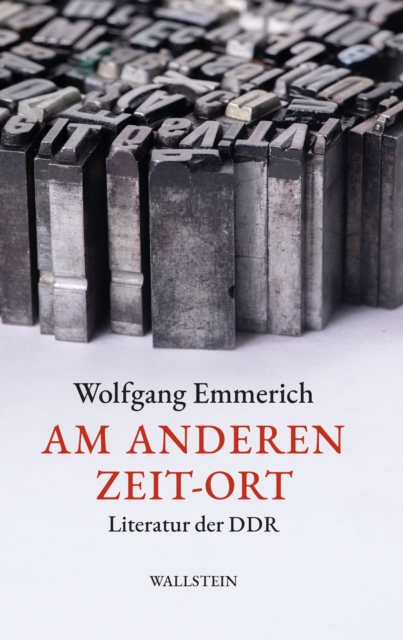
Was war DDR-Literatur wirklich, und wie war dieser eigentümliche historische Zeit-Ort beschaffen, der sie – vier lange Jahrzehnte und auf engem Raum – prägte?
Eine Neudeutung im Zeichen der Form – der vermeintliche Antimodernist Rudolf Borchardt rückt erstmals in das Zentrum der Formtheorie der klassischen Moderne.
Was war DDR-Literatur wirklich, und wie war dieser eigentümliche historische Zeit-Ort beschaffen, der sie – vier lange Jahrzehnte und auf engem Raum – prägte?
Die komplexen und meist konfliktreichen Relationen von Zirkulation und Kontrolle sind uns heute allgegenwärtig: Menschen, Daten, Ideen, Geld, Viren oder Güter zirkulieren und produzieren prekäre Situationen wie Migration, WikiLeaks, Bankenkrisen, Waffenhandel, alternative Währungen oder Krankheiten.
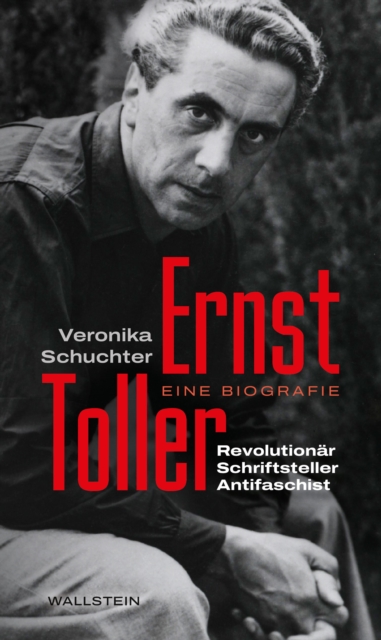
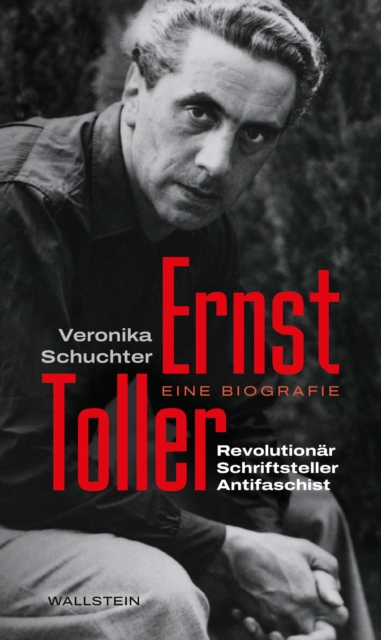
Die erste umfangreiche deutschsprachige Biografie Ernst Tollers, des Revolutionärs, der im Gefängnis zum berühmtesten Dramatiker der Weimarer Republik wurde.
Die erste umfangreiche deutschsprachige Biografie Ernst Tollers, des Revolutionärs, der im Gefängnis zum berühmtesten Dramatiker der Weimarer Republik wurde.
Mitreißend, romantisch, intrigant und mysteriösXara ist mitten in ein Spiel aus Leidenschaft und Macht geraten, seitdem der Vampirfürst Dorian und sein charismatischer Diener Juraj sie für ihre verstorbene Liebe halten.
Heinz Mosmanns umfassende Studie zu Wolframs "Parzival" erschließt systematisch die rätselhafte Bilderwelt dieses großartigen mittelalterlichen Epos und führt dabei an die Grenzen eines imaginativen Verständnisses des Gralsgeheimnisses heran.
Der vorliegende Band, der gemeinsam mit dem sprachwissenschaftlichen und dem fachdidaktischen Band auf den 2022 an der Ludwig-Maximilians-Universität München veranstalteten 12.
Der vorliegende Band, der gemeinsam mit dem sprachwissenschaftlichen und dem fachdidaktischen Band auf den 2022 an der Ludwig-Maximilians-Universität München veranstalteten 12.
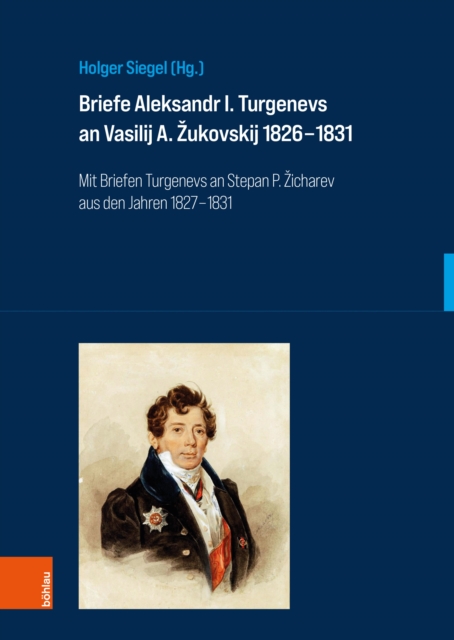
Erstmals werden mit dieser Ausgabe die Briefe Aleksandr Turgenevs an den Freund Vasilij Žukovskij aus den Jahren 1827 bis 1831 in ihrem vollständigen Zusammenhang und Wortlaut vorgelegt.
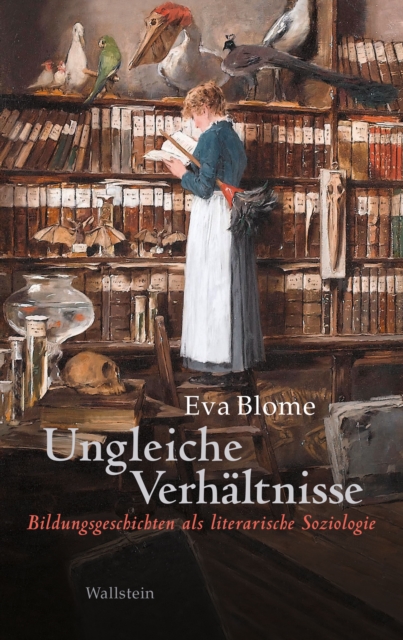
Eine Studie zur literarischen Geschichte eines hochaktuellen Themas: wie Bildung sozialen Aufstieg (un)möglich machtDerzeit haben Erzählungen Konjunktur, die Berichte von sozialem Aufstieg durch Bildung mit soziologischen Perspektiven auf das eigene Herkunftsmilieu verbinden.
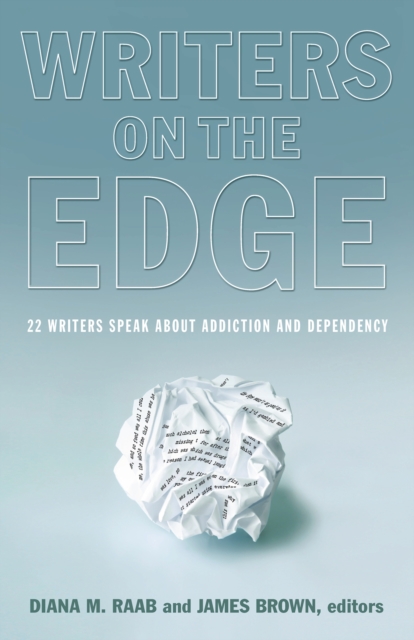
Writers On The Edge offers a range of essays, memoirs and poetry written by major contemporary authors who bring fresh insight into the dark world of addiction, from drugs and alcohol, to sex, gambling and food.
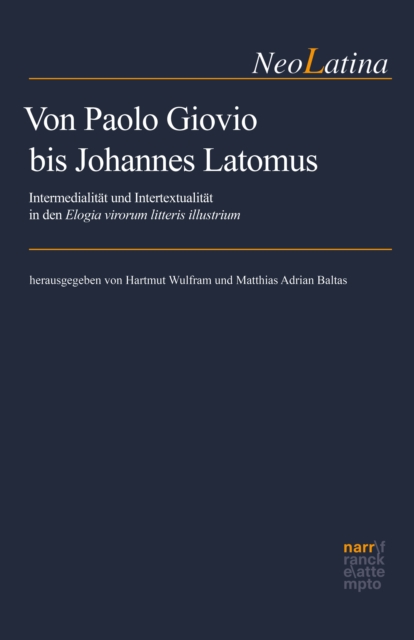
Der italienische Humanist und Historiker Paolo Giovio schuf mit seinen Elogia virorum literis illustrium (1546) eine faszinierende Sammlung an Kurz-Biographien berühmter zeitgenössischer Gelehrter, die nicht nur aufgrund ihrer Fülle an anekdotischen Informationen zu Größen wie Giovanni Boccaccio, Angelo Poliziano oder Thomas Morus beeindrucken.
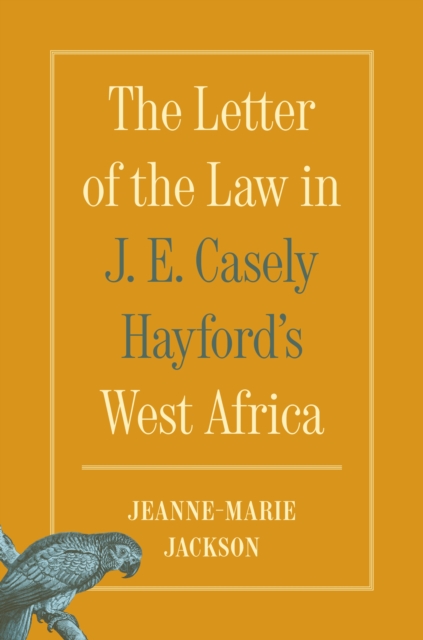
The first book devoted to the the career of anglophone West Africa's most important early twentieth-century statesman and intellectualThe African Gold Coast writer and statesman J.
The first book devoted to the the career of anglophone West Africa's most important early twentieth-century statesman and intellectualThe African Gold Coast writer and statesman J.
Der italienische Humanist und Historiker Paolo Giovio schuf mit seinen Elogia virorum literis illustrium (1546) eine faszinierende Sammlung an Kurz-Biographien berühmter zeitgenössischer Gelehrter, die nicht nur aufgrund ihrer Fülle an anekdotischen Informationen zu Größen wie Giovanni Boccaccio, Angelo Poliziano oder Thomas Morus beeindrucken.
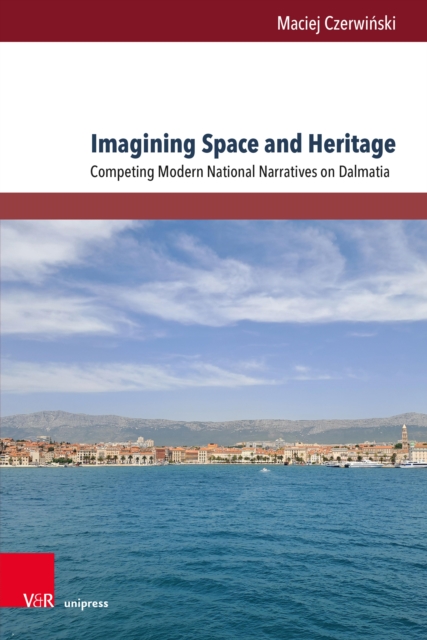
Although Dalmatia is not at the core of the contemporary imagination of the Habsburg Empire, which has recently been idealised in scholarship, it shares several similarities with the majority of the ex-Habsburg borderlands, one of which is its complex ethnic makeup in the period of politicisation of a modern nationalist agenda (1890-1941).
Este libro reúne las voces más lúcidas de la filosofía analítica del derecho contemporáneo –desde Alemania hasta Latinoamérica– en un diálogo transatlántico sin concesiones.