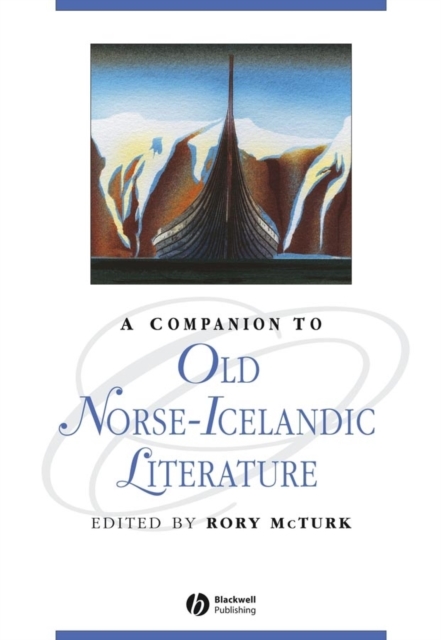
This major survey of Old Norse-Icelandic literature and culture demonstrates the remarkable continuity of Icelandic language and culture from medieval to modern times.
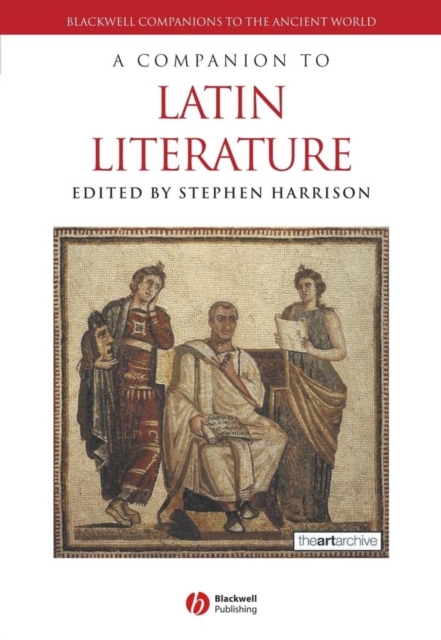
A Companion to Latin Literature gives an authoritative account of Latin literature from its beginnings in the third century BC through to the end of the second century AD.
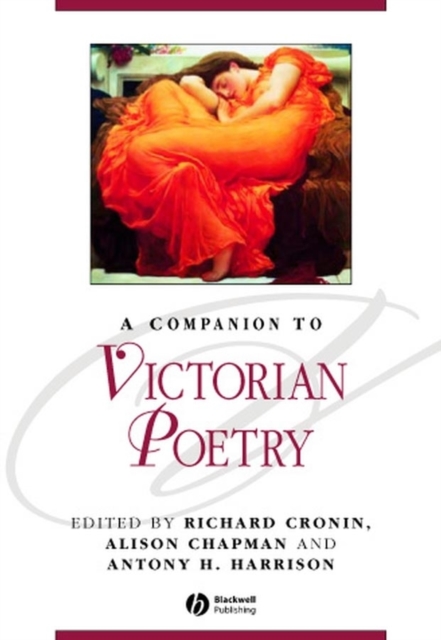
This Companion brings together specially commissioned essays by distinguished international scholars that reflect both the diversity of Victorian poetry and the variety of critical approaches that illuminate it.
This Concise Companion gives readers a rich sense of how the poetry produced in the United States during the twentieth century is connected to the country s intellectual life more broadly.
Desate el pensamiento positivo y la imaginación productiva, y cambie los pensamientos y conductas negativas para mejorar cada aspecto de su vida, cada mañana, de un día a la vez.
The story of Maecenas and his role in the evolution and continuing legacy of ancient Roman poetry and cultureAn unelected statesman with exceptional powers, a patron of the arts and a luxury-loving friend of the emperor Augustus: Maecenas was one of the most prominent and distinctive personalities of ancient Rome.
The entertaining story of four utopian writers-Edward Bellamy, William Morris, Edward Carpenter, and Charlotte Perkins Gilman-and their continuing influence todayFor readers reared on the dystopian visions of Nineteen Eighty-Four and The Handmaid's Tale, the idea of a perfect society may sound more sinister than enticing.
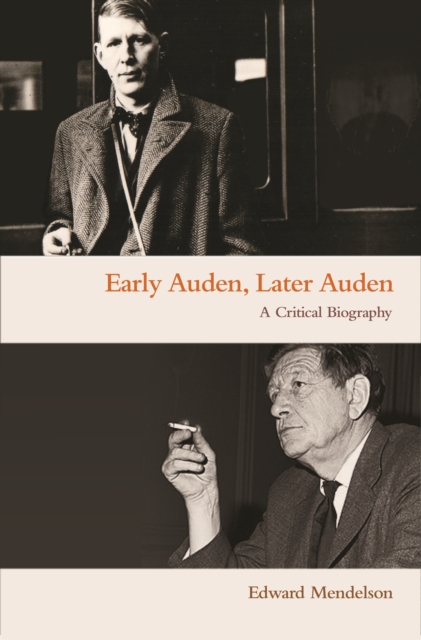
Presented in one volume for the very first time, and updated with new archival discoveries, Early Auden, Later Auden reintroduces Edward Mendelson's acclaimed, two-part biography of W.
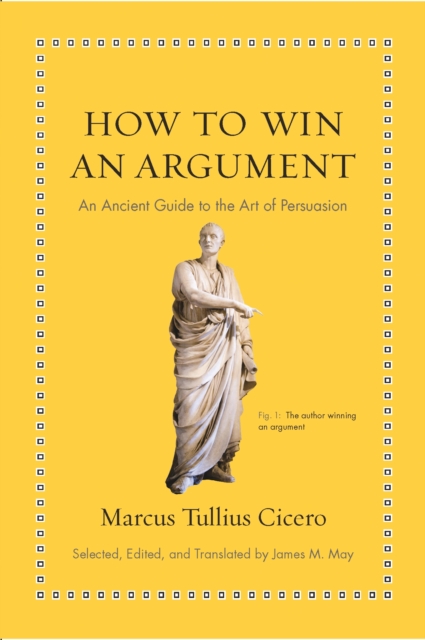
Timeless techniques of effective public speaking from ancient Rome's greatest oratorAll of us are faced countless times with the challenge of persuading others, whether we're trying to win a trivial argument with a friend or convince our coworkers about an important decision.
The first book on the central importance of literary sources in the paintings of Cy TwomblyMany of Cy Twombly's paintings and drawings include handwritten words and phrases-naming or quoting poets ranging from Sappho, Homer, and Virgil to Mallarme, Rilke, and Cavafy.
The Political Poetess challenges familiar accounts of the figure of the nineteenth-century Poetess, offering new readings of Poetess performance and criticism.
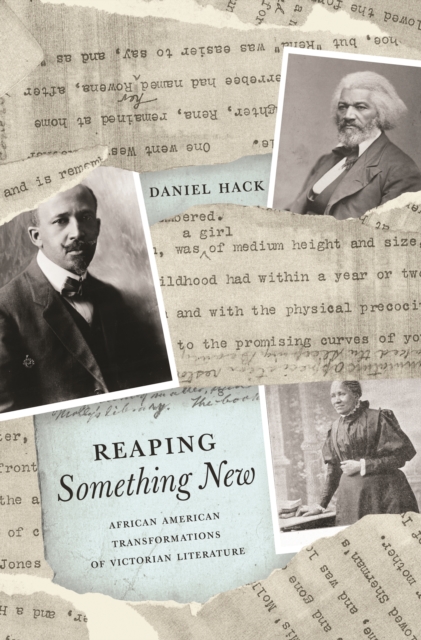
How African American writers used Victorian literature to create a literature of their ownTackling fraught but fascinating issues of cultural borrowing and appropriation, this groundbreaking book reveals that Victorian literature was put to use in African American literature and print culture in the nineteenth and early twentieth centuries in much more intricate, sustained, and imaginative ways than previously suspected.
A definitive new edition of one of the greatest philosophical poems in the English languageVoltaire called it "e;the most sublime didactic poem ever written in any language.
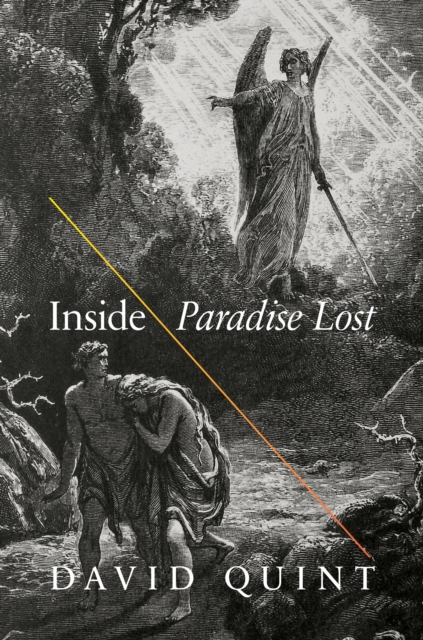
Inside "e;Paradise Lost"e; opens up new readings and ways of reading Milton's epic poem by mapping out the intricacies of its narrative and symbolic designs and by revealing and exploring the deeply allusive texture of its verse.
Published just after the Second World War, European Literature and the Latin Middle Ages is a sweeping exploration of the remarkable continuity of European literature across time and place, from the classical era up to the early nineteenth century, and from the Italian peninsula to the British Isles.
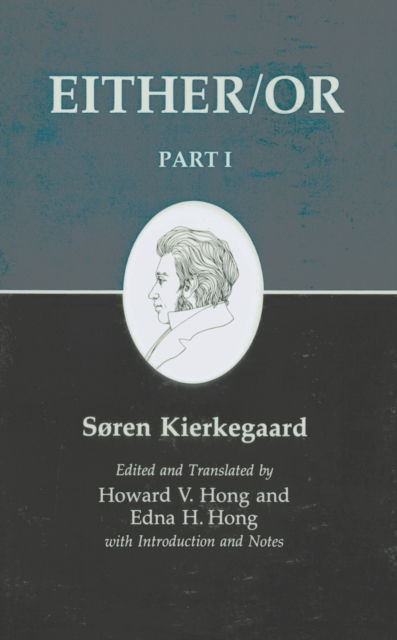
Soren Kierkegaard, the nineteenth-century Danish philosopher rediscovered in the twentieth century, is a major influence in contemporary philosophy, religion, and literature.
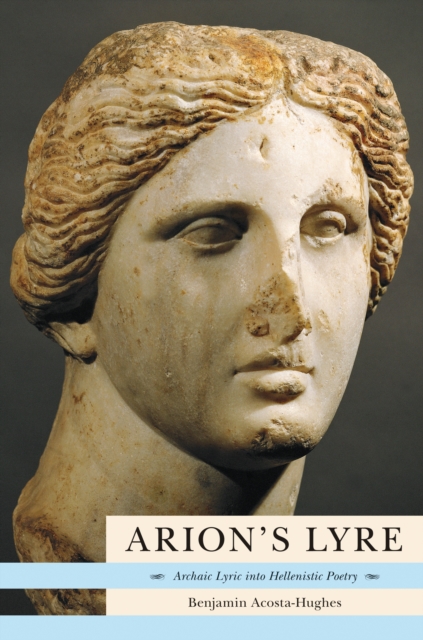
Arion's Lyre examines how Hellenistic poetic culture adapted, reinterpreted, and transformed Archaic Greek lyric through a complex process of textual, cultural, and creative reception.
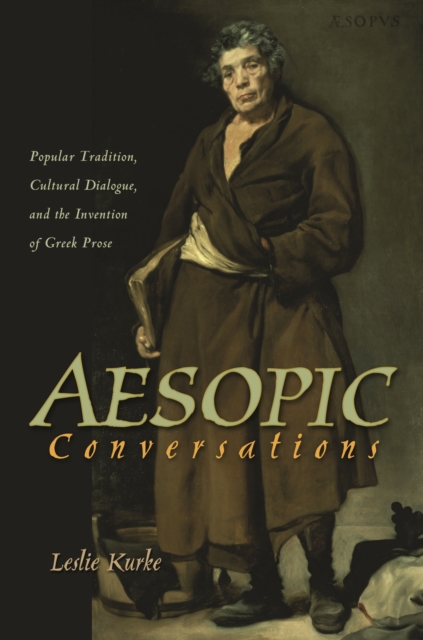
Examining the figure of Aesop and the traditions surrounding him, Aesopic Conversations offers a portrait of what Greek popular culture might have looked like in the ancient world.
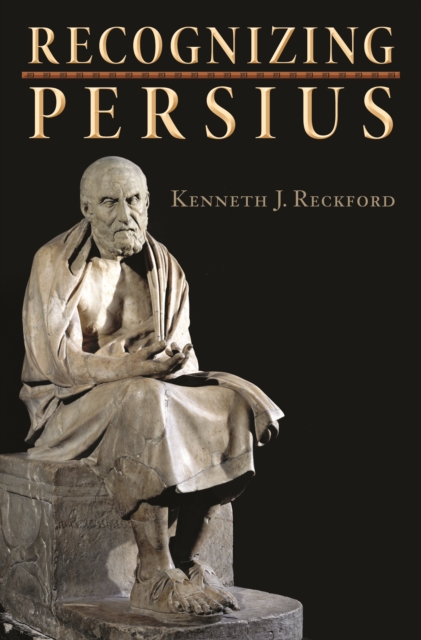
Recognizing Persius is a passionate and in-depth exploration of the libellus--or little book--of six Latin satires left by the Roman satirical writer Persius when he died in AD 62 at the age of twenty-seven.
In the tension between competing ideas of authority and the urge to literary experiment, writers of the High Middle Ages produced some of their most distinctive achievements.
The emphasis on practical experience over ideology is viewed by many historians as a profoundly American characteristic, one that provides a model for exploring the colonial challenge to European belief systems and the creation of a unique culture.
In this provocative and wide-ranging study, Douglas Mao argues that a profound tension between veneration of human production and anxiety about production's dangers lay at the heart of literary modernism.
Through a series of candid personal interviews with nearly one hundred donors, Why the Wealthy Give offers an in-depth look at the world of elite philanthropy.
In this book, the first in English devoted exclusively to Maurice Blanchot, John Gregg examines the problematic interaction between the two forms of discourse, critical and fictional, that comprise this writer's hybrid oeuvre.
It has been the fate of Milton, the most Hebraic of the great English poets, to have been interpreted in this century largely by those inhospitable to his Hebraism.
Reexamining the roles played by author, reader, scribe, and text in medieval literary practice, John Dagenais argues that the entire physical manuscript must be the basis of any discussion of how meaning was made.
Comparable in importance to Mikhail Bakhtin, Lydia Ginzburg distinguished herself among Soviet literary critics through her investigation of the social and historical elements that relate verbal art to life in a particular culture.
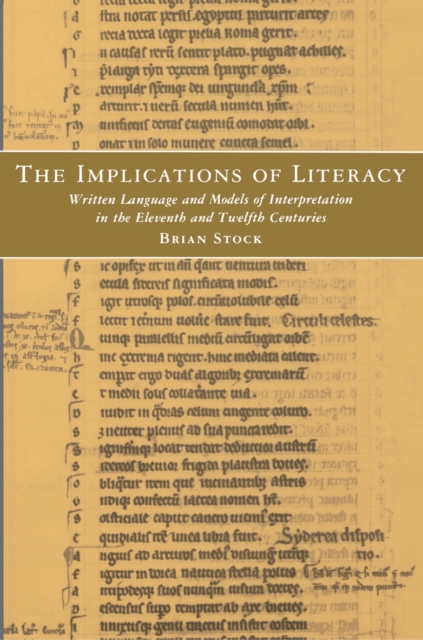
This book explores the influence of literacy on eleventh and twelfth-century life and though on social organization, on the criticism of ritual and symbol, on the rise of empirical attitudes, on the relationship between language and reality, and on the broad interaction between ideas and society.