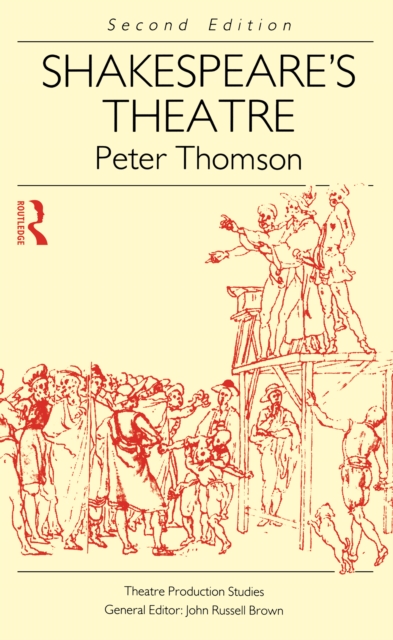
First available in 1886, the present volume is an attempt to lessen the obscurity of that tract of international literature in which Barclay's Ship of Fools, Marlowe's Faustus, and Decker's Gul's Horn-booke are luminous but 'isolated points'.
First available in 1886, the present volume is an attempt to lessen the obscurity of that tract of international literature in which Barclay's Ship of Fools, Marlowe's Faustus, and Decker's Gul's Horn-booke are luminous but 'isolated points'.
This book considers the hundred years of re-writes of Anton Chekhov's work, presenting a wide geographical landscape of Chekhovian influences in drama.
This book considers the hundred years of re-writes of Anton Chekhov's work, presenting a wide geographical landscape of Chekhovian influences in drama.
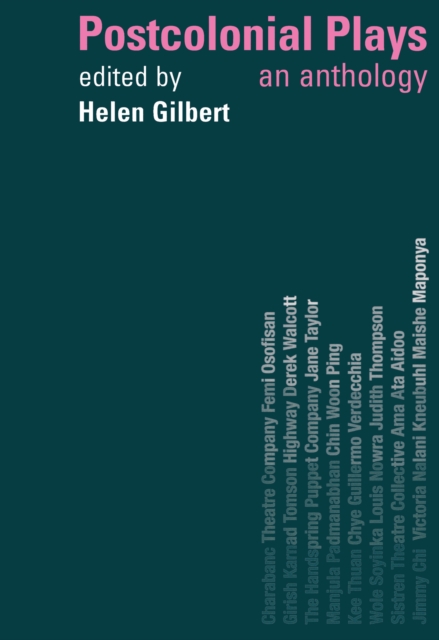
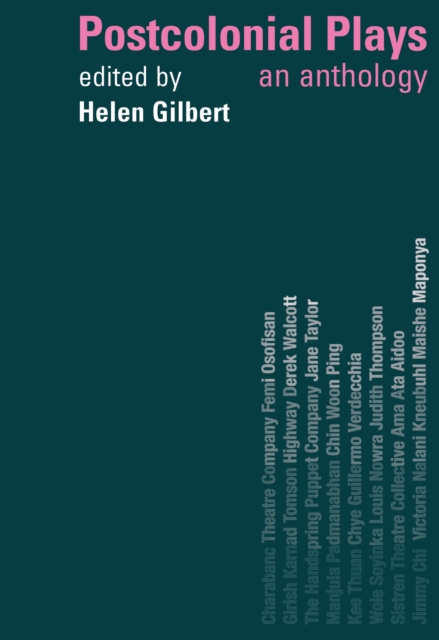
This collection of contemporary postcolonial plays demonstrates the extraordinary vitality of a body of work that is currently influencing the shape of contemporary world theatre.
This collection of contemporary postcolonial plays demonstrates the extraordinary vitality of a body of work that is currently influencing the shape of contemporary world theatre.
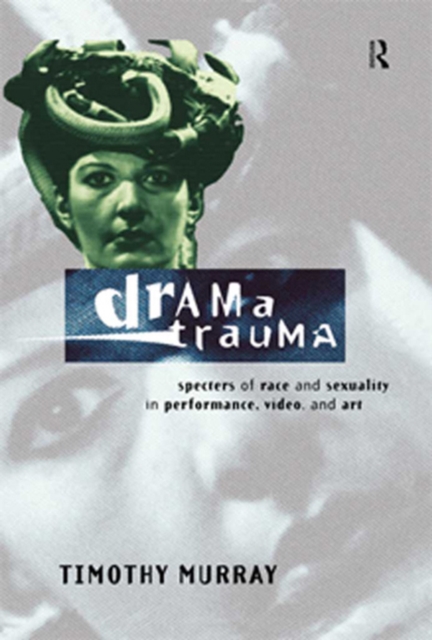
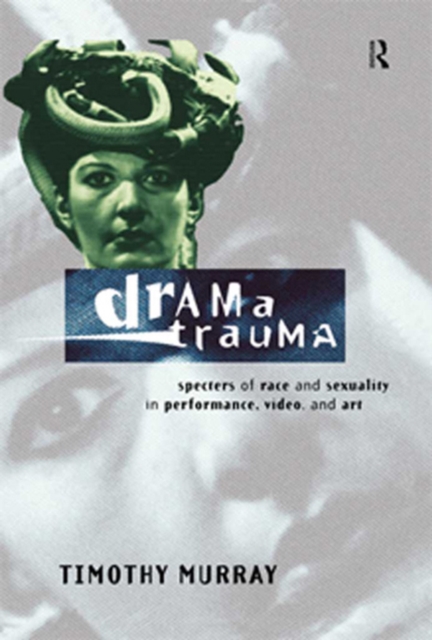
In this engaging cross-disciplinary study, Timothy Murray examines the artistic struggle over traumatic fantasies of race, gender, sexuality, and power.
In this engaging cross-disciplinary study, Timothy Murray examines the artistic struggle over traumatic fantasies of race, gender, sexuality, and power.
Giordano Bruno's visit to Elizabethan England in the 1580s left its imprint on many fields of contemporary culture, ranging from the newly-developing science, the philosophy of knowledge and language, to the extraordinary flowering of Elizabethan poetry and drama.
Giordano Bruno's visit to Elizabethan England in the 1580s left its imprint on many fields of contemporary culture, ranging from the newly-developing science, the philosophy of knowledge and language, to the extraordinary flowering of Elizabethan poetry and drama.
This book defines and exemplifies a major genre of modern dramatic writing, termed historiographic metatheatre, in which self-reflexive engagements with the traditions and forms of dramatic art illuminate historical themes and aid in the representation of historical events and, in doing so, formulates a genre.
In this trenchant work, Susan Bennett examines the authority of the past in modern cultural experience and the parameters for the reproduction of the plays.
In this trenchant work, Susan Bennett examines the authority of the past in modern cultural experience and the parameters for the reproduction of the plays.
In The Death of the Actor Martin Buzacott launches an all-out attack on contemporary theatrical practice and performance theory which identifies the actor, rather than the director, as the key creative force in the performance of Shakespeare.
In The Death of the Actor Martin Buzacott launches an all-out attack on contemporary theatrical practice and performance theory which identifies the actor, rather than the director, as the key creative force in the performance of Shakespeare.
This book traces the presence of the theater, both as an abstract concept and a literal space, in the plays and poetry of Gertrude Stein and Wallace Stevens as it attempts to explain the parallel depictions of consciousness that are found in both authors' work.
This book traces the presence of the theater, both as an abstract concept and a literal space, in the plays and poetry of Gertrude Stein and Wallace Stevens as it attempts to explain the parallel depictions of consciousness that are found in both authors' work.
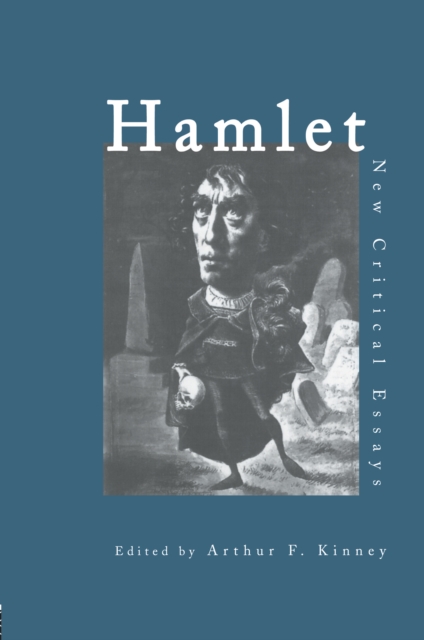
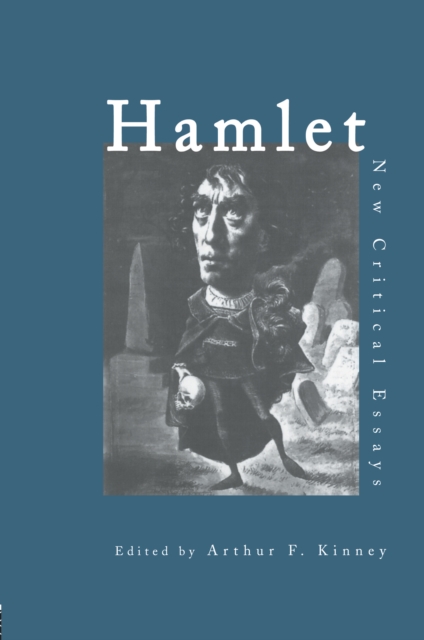
This volume is a collection of all-new original essays covering everything from feminist to postcolonial readings of the play as well as source queries and analyses of historical performances of the play.
This volume is a collection of all-new original essays covering everything from feminist to postcolonial readings of the play as well as source queries and analyses of historical performances of the play.
Using a variety of approaches, from postcolonialism and New Historicism to psychoanalysis and gender studies, the international contributors to Hamlet: New Critical Essays contribute major new interpretations on the conception and writing, editing, and cultural productions of Hamlet.
Using a variety of approaches, from postcolonialism and New Historicism to psychoanalysis and gender studies, the international contributors to Hamlet: New Critical Essays contribute major new interpretations on the conception and writing, editing, and cultural productions of Hamlet.