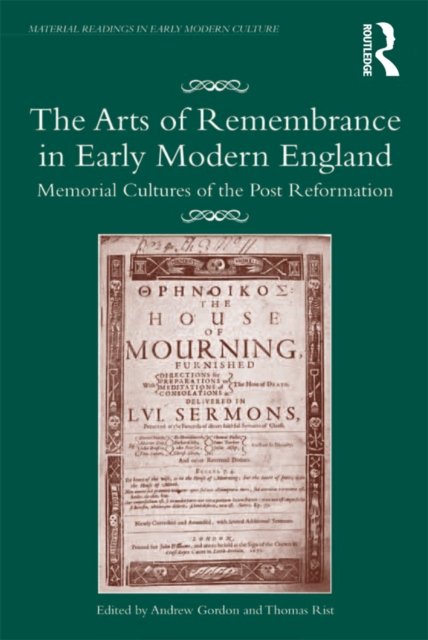
The early modern period inherited a deeply-ingrained culture of Christian remembrance that proved a platform for creativity in a remarkable variety of forms.
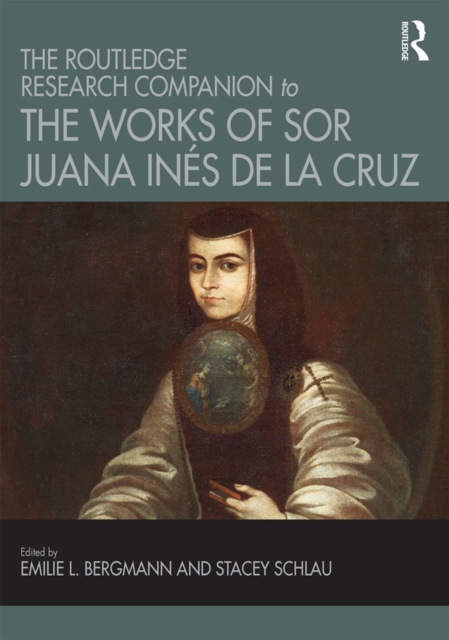
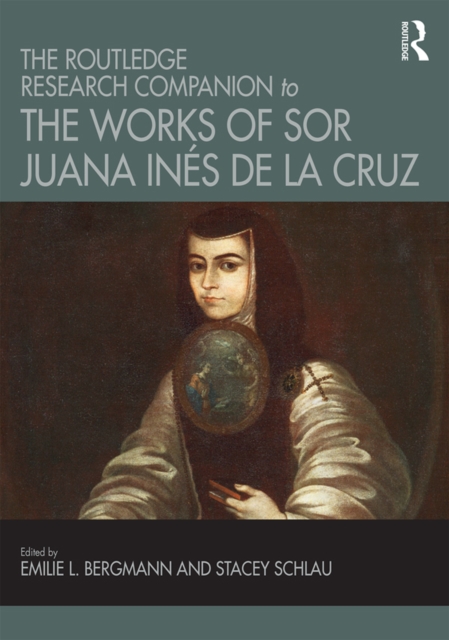
Called by her contemporaries the "e;Tenth Muse,"e; Sor Juana Ines de la Cruz (1648-1695) has continued to stir both popular and scholarly imaginations.
Called by her contemporaries the "e;Tenth Muse,"e; Sor Juana Ines de la Cruz (1648-1695) has continued to stir both popular and scholarly imaginations.
Caesarian power was a crucial context in the Renaissance, as rulers in Europe, Russia and Turkey all sought to appropriate Caesarian imagery and authority, but it has been surprisingly little explored in scholarship.
Caesarian power was a crucial context in the Renaissance, as rulers in Europe, Russia and Turkey all sought to appropriate Caesarian imagery and authority, but it has been surprisingly little explored in scholarship.
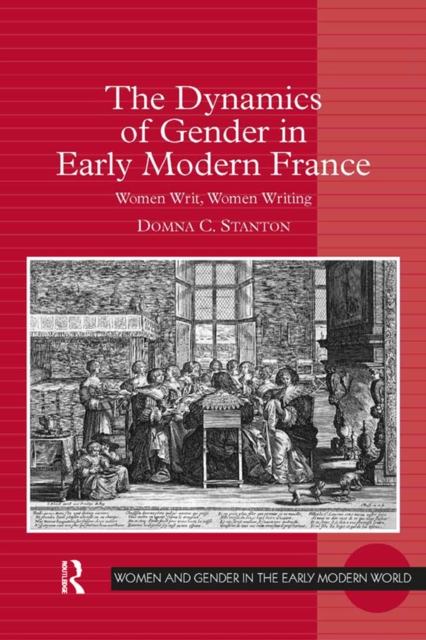
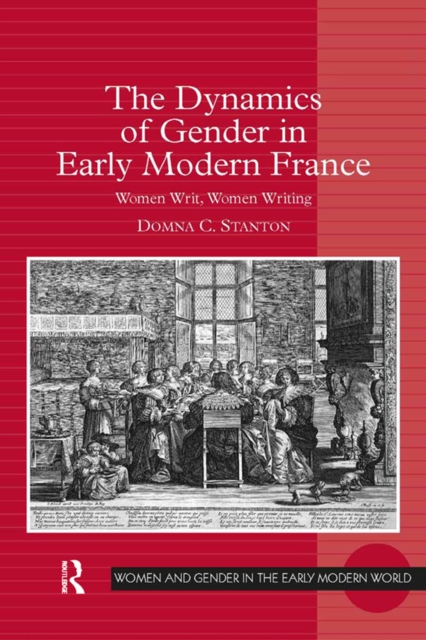
In its six case studies, The Dynamics of Gender in Early Modern France works out a model for (early modern) gender, which is articulated in the introduction.
In its six case studies, The Dynamics of Gender in Early Modern France works out a model for (early modern) gender, which is articulated in the introduction.
The first scholarly edition of the complete works of Jane Cavendish, this volume presents as complete a collection as possible of works and historical documents pertaining to a particularly compelling figure from the English Civil War.
The first scholarly edition of the complete works of Jane Cavendish, this volume presents as complete a collection as possible of works and historical documents pertaining to a particularly compelling figure from the English Civil War.
With its many rites of initiation (religious, educational, professional or sexual), Elizabethan and Jacobean education emphasized both imitation and discovery in a struggle to bring population to a minimal literacy, while more demanding techniques were being developed for the cultural elite.
With its many rites of initiation (religious, educational, professional or sexual), Elizabethan and Jacobean education emphasized both imitation and discovery in a struggle to bring population to a minimal literacy, while more demanding techniques were being developed for the cultural elite.
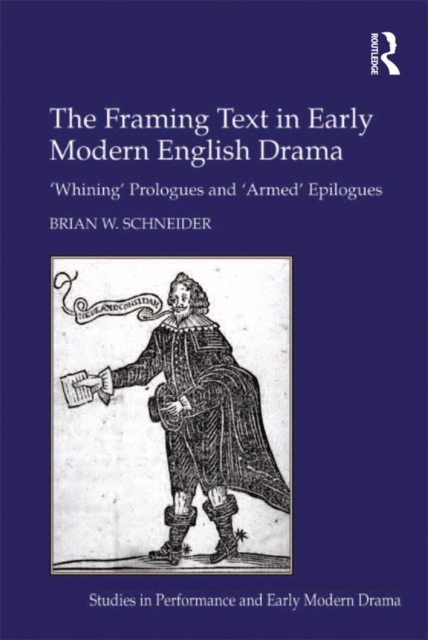
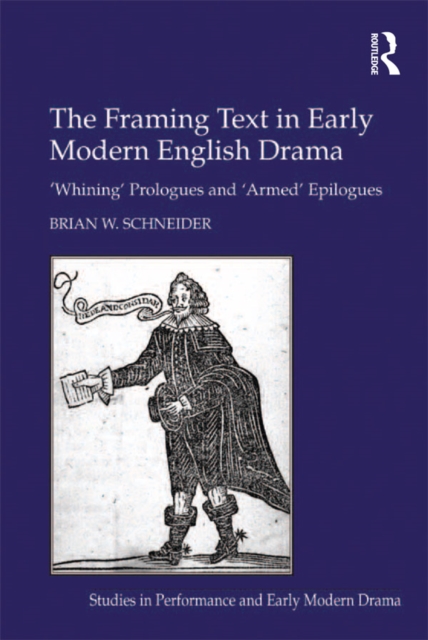
Though individual prologues and epilogues have been treated in depth, very little scholarship has been published on early modern framing texts as a whole.
Though individual prologues and epilogues have been treated in depth, very little scholarship has been published on early modern framing texts as a whole.
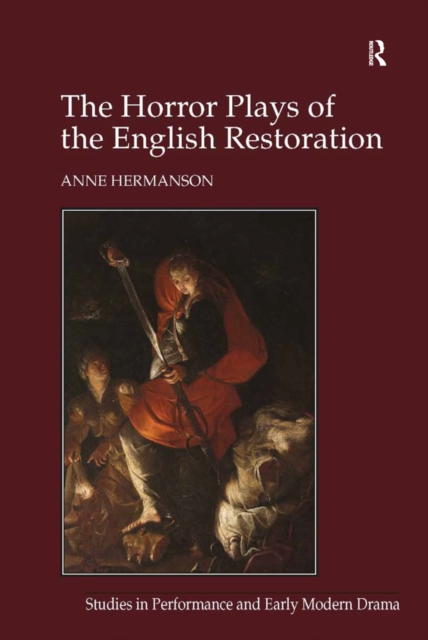
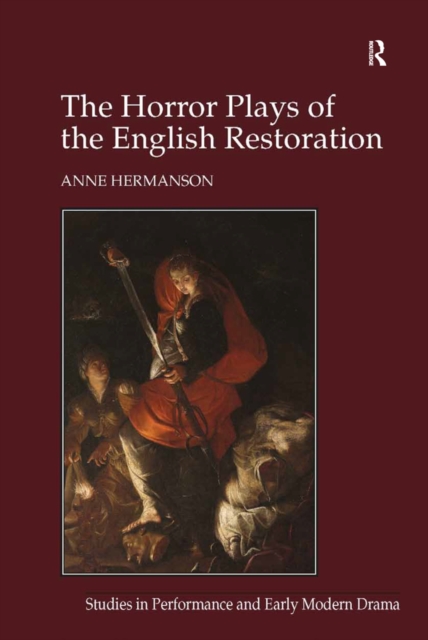
A decade after the Restoration of Charles II, a disturbing group of tragedies, dubbed by modern critics the horror or the blood-and-torture villain tragedies, burst onto the London stage.
A decade after the Restoration of Charles II, a disturbing group of tragedies, dubbed by modern critics the horror or the blood-and-torture villain tragedies, burst onto the London stage.
Framed by an understanding that the very concept of what defines the human is often influenced by Renaissance and early modern texts, this book establishes the beginning of the literary development of the satanic form into a humanized form in the seventeenth century.
Framed by an understanding that the very concept of what defines the human is often influenced by Renaissance and early modern texts, this book establishes the beginning of the literary development of the satanic form into a humanized form in the seventeenth century.
The Materiality of Religion in Early Modern English Drama is the first book to present a detailed examination of early modern theatrical properties informed by the complexity of post-Reformation religious practice.
The Materiality of Religion in Early Modern English Drama is the first book to present a detailed examination of early modern theatrical properties informed by the complexity of post-Reformation religious practice.
New editions and facsimiles of Percy Bysshe Shelley's works are changing the landscape of Shelley studies by making complete compositions and fragments that have received only limited critical attention readily available to scholars.
New editions and facsimiles of Percy Bysshe Shelley's works are changing the landscape of Shelley studies by making complete compositions and fragments that have received only limited critical attention readily available to scholars.
The Poetics of Failure in Ancient Greece offers an innovative approach to archaic and classical Greek literature by focusing on an original and rather unexplored topic.
The Poetics of Failure in Ancient Greece offers an innovative approach to archaic and classical Greek literature by focusing on an original and rather unexplored topic.
Examining both familiar and underappreciated texts, Hassan Melehy foregrounds the relationships that early modern French and English writers conceived with both their classical predecessors and authors from flourishing literary traditions in neighboring countries.
Examining both familiar and underappreciated texts, Hassan Melehy foregrounds the relationships that early modern French and English writers conceived with both their classical predecessors and authors from flourishing literary traditions in neighboring countries.
Smoothly blending performance theory, literary analysis, and historical insights, Cecilia Feilla explores the mutually dependent discourses of feeling and politics and their impact on the theatre and theatre audiences during the French Revolution.
Smoothly blending performance theory, literary analysis, and historical insights, Cecilia Feilla explores the mutually dependent discourses of feeling and politics and their impact on the theatre and theatre audiences during the French Revolution.
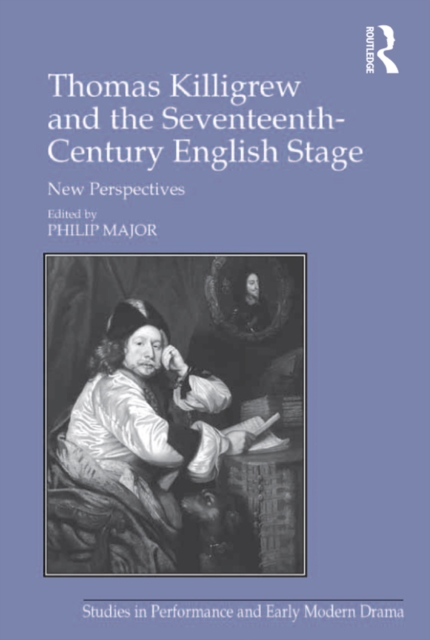
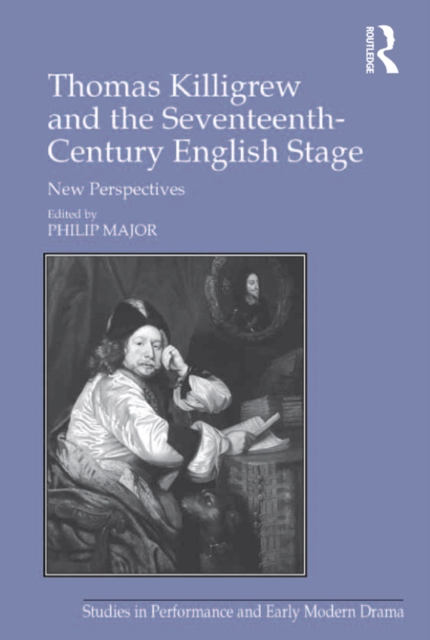
Despite his significant influence as a courtier, diplomat, playwright and theatre manager, Thomas Killigrew (1612-1683) remains a comparatively elusive and neglected figure.
Despite his significant influence as a courtier, diplomat, playwright and theatre manager, Thomas Killigrew (1612-1683) remains a comparatively elusive and neglected figure.
Exploiting a link between early modern concepts of the medical and the literary, David Houston Wood suggests that the recent critical attention to the gendered, classed, and raced elements of the embodied early modern subject has been hampered by its failure to acknowledge the role time and temporality play within the scope of these admittedly crucial concerns.
Exploiting a link between early modern concepts of the medical and the literary, David Houston Wood suggests that the recent critical attention to the gendered, classed, and raced elements of the embodied early modern subject has been hampered by its failure to acknowledge the role time and temporality play within the scope of these admittedly crucial concerns.
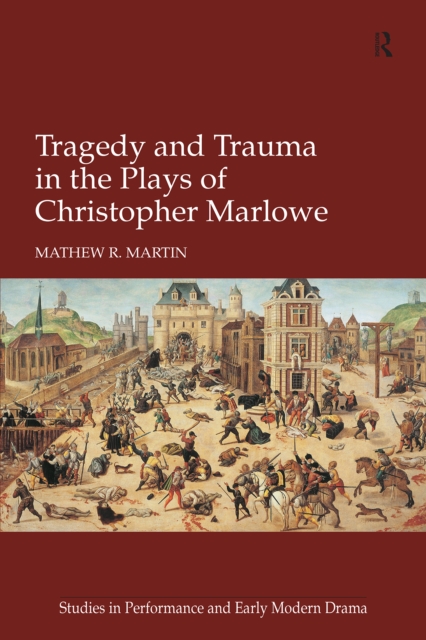
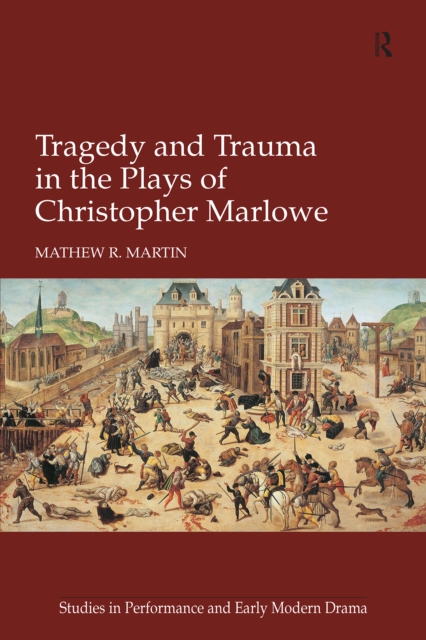
Contending that criticism of Marlowe's plays has been limited by humanist conceptions of tragedy, this book engages with trauma theory, especially psychoanalytic trauma theory, to offer a fresh critical perspective within which to make sense of the tension in Marlowe's plays between the tragic and the traumatic.
Contending that criticism of Marlowe's plays has been limited by humanist conceptions of tragedy, this book engages with trauma theory, especially psychoanalytic trauma theory, to offer a fresh critical perspective within which to make sense of the tension in Marlowe's plays between the tragic and the traumatic.
Offering a variety of critical approaches to late eighteenth- and nineteenth-century Gothic literature, this collection provides a transnational view of the emergence and flowering of the Gothic.
Offering a variety of critical approaches to late eighteenth- and nineteenth-century Gothic literature, this collection provides a transnational view of the emergence and flowering of the Gothic.
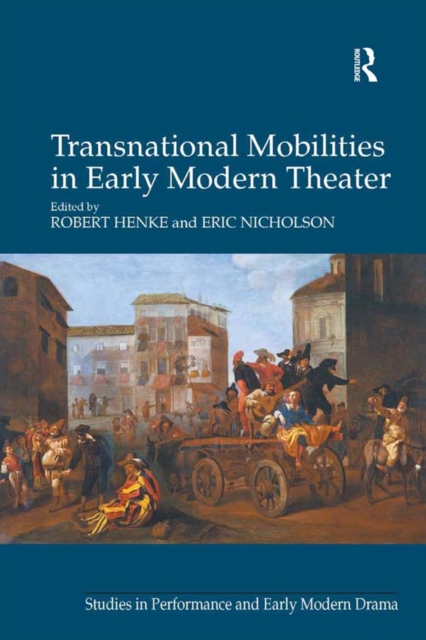
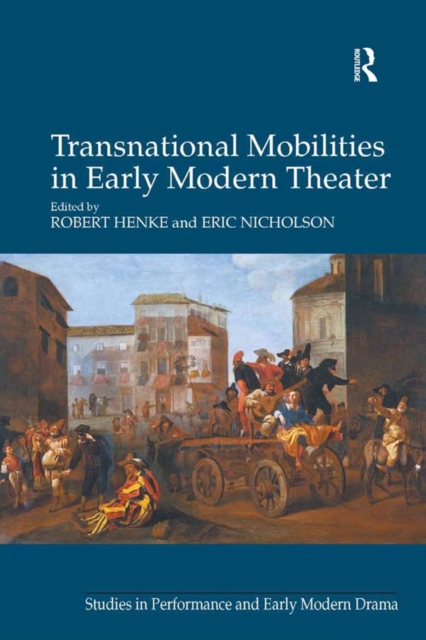
The essays in this volume investigate English, Italian, Spanish, German, Czech, and Bengali early modern theater, placing Shakespeare and his contemporaries in the theatrical contexts of western and central Europe, as well as the Indian sub-continent.
The essays in this volume investigate English, Italian, Spanish, German, Czech, and Bengali early modern theater, placing Shakespeare and his contemporaries in the theatrical contexts of western and central Europe, as well as the Indian sub-continent.
Despite the growing critical relevance of Shakespeare's two Venetian plays and a burgeoning bibliography on both The Merchant of Venice and Othello, few books have dealt extensively with the relationship between Shakespeare and Venice.
Despite the growing critical relevance of Shakespeare's two Venetian plays and a burgeoning bibliography on both The Merchant of Venice and Othello, few books have dealt extensively with the relationship between Shakespeare and Venice.