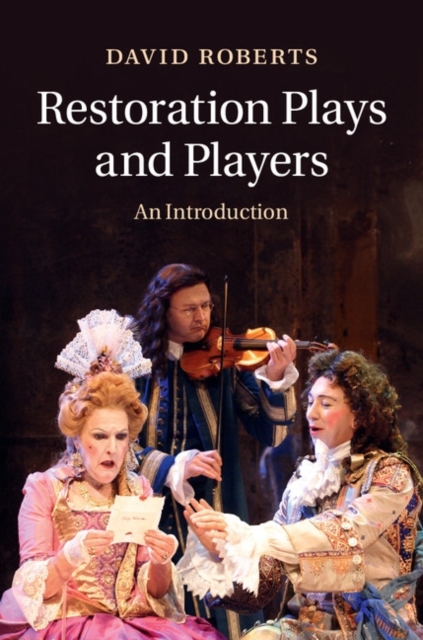
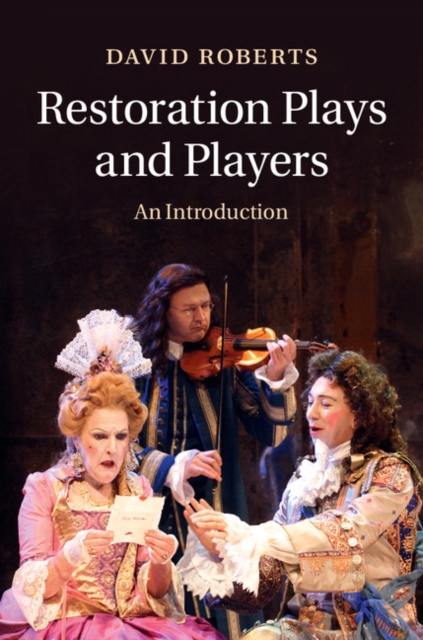
An accessible and engaging introduction to Restoration drama, this book looks at the texts, performances, playhouses and people of seventeenth-century theatre.
An accessible and engaging introduction to Restoration drama, this book looks at the texts, performances, playhouses and people of seventeenth-century theatre.
During the 1820s and 30s nautical melodramas "e;reigned supreme"e; on London stages, entertaining the mariners and maritime workers who comprised a large part of the audience for small theatres with the same sentimental moments and comic interludes of domestic melodrama mixed with patriotic images that communicated and reinforced imperial themes.
During the 1820s and 30s nautical melodramas "e;reigned supreme"e; on London stages, entertaining the mariners and maritime workers who comprised a large part of the audience for small theatres with the same sentimental moments and comic interludes of domestic melodrama mixed with patriotic images that communicated and reinforced imperial themes.
During the 1820s and 30s nautical melodramas "e;reigned supreme"e; on London stages, entertaining the mariners and maritime workers who comprised a large part of the audience for small theatres with the same sentimental moments and comic interludes of domestic melodrama mixed with patriotic images that communicated and reinforced imperial themes.
During the 1820s and 30s nautical melodramas "e;reigned supreme"e; on London stages, entertaining the mariners and maritime workers who comprised a large part of the audience for small theatres with the same sentimental moments and comic interludes of domestic melodrama mixed with patriotic images that communicated and reinforced imperial themes.
During the 1820s and 30s nautical melodramas "e;reigned supreme"e; on London stages, entertaining the mariners and maritime workers who comprised a large part of the audience for small theatres with the same sentimental moments and comic interludes of domestic melodrama mixed with patriotic images that communicated and reinforced imperial themes.
During the 1820s and 30s nautical melodramas "e;reigned supreme"e; on London stages, entertaining the mariners and maritime workers who comprised a large part of the audience for small theatres with the same sentimental moments and comic interludes of domestic melodrama mixed with patriotic images that communicated and reinforced imperial themes.
This book investigates the construction of identity and the precarity of the self in the work of the Calvinist Fulke Greville (1554-1628) and the Jesuit Robert Southwell (1561-1595).
This book investigates the construction of identity and the precarity of the self in the work of the Calvinist Fulke Greville (1554-1628) and the Jesuit Robert Southwell (1561-1595).
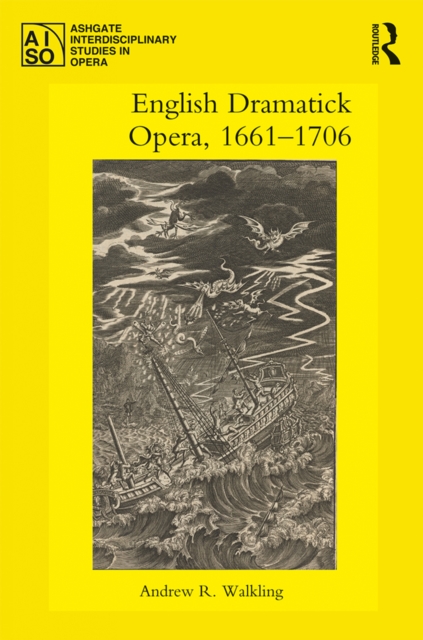
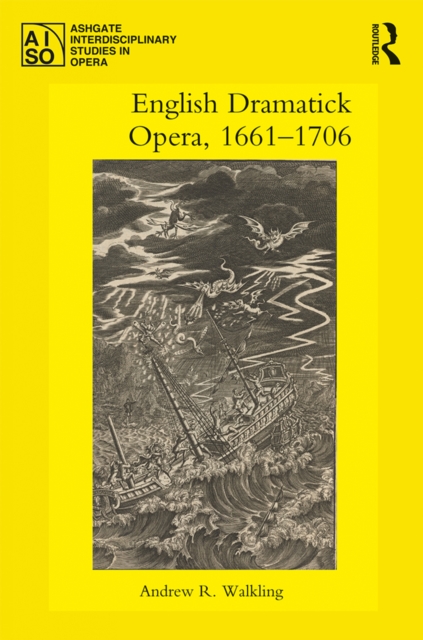
English Dramatick Opera, 1661-1706 is the first comprehensive examination of the distinctively English form known as "e;dramatick opera"e;, which appeared on the London stage in the mid-1670s and lasted until its displacement by Italian through-composed opera in the first decade of the eighteenth century.
English Dramatick Opera, 1661-1706 is the first comprehensive examination of the distinctively English form known as "e;dramatick opera"e;, which appeared on the London stage in the mid-1670s and lasted until its displacement by Italian through-composed opera in the first decade of the eighteenth century.
A knowledge of the history and evolution of the tales on which Shakespeare drew in the composition of his plays is essential for the understanding of his work.
A knowledge of the history and evolution of the tales on which Shakespeare drew in the composition of his plays is essential for the understanding of his work.
The period 1890-1940 was a particularly rich and influential phase in the development of modern English theatre: the age of Wilde and Shaw and a generation of influential actors and managers from Irving and Terry to Guilgud and Olivier.
The period 1890-1940 was a particularly rich and influential phase in the development of modern English theatre: the age of Wilde and Shaw and a generation of influential actors and managers from Irving and Terry to Guilgud and Olivier.
Best known for "e;Enquiry Concerning Political Justice"e; (1793) and "e;Caleb Williams"e; (1794), William Godwin (1756-1836) is one of the most important figures of the Romantic period.
Best known for "e;Enquiry Concerning Political Justice"e; (1793) and "e;Caleb Williams"e; (1794), William Godwin (1756-1836) is one of the most important figures of the Romantic period.
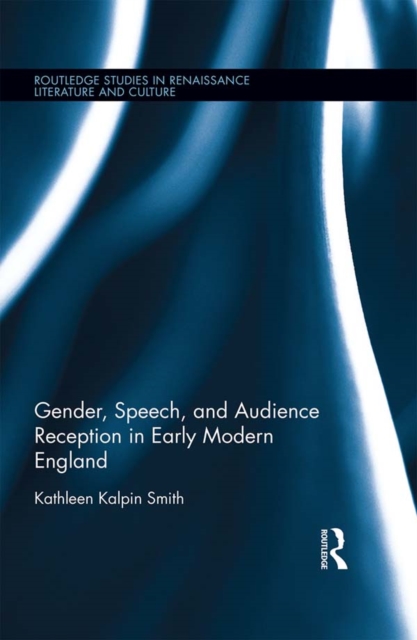
This book makes a significant contribution to recent scholarship on the ways in which women responded to the regulation of their behavior by focusing on representations of women speakers and their audiences in moments Smith identifies as "e;scenes of speech.
This book makes a significant contribution to recent scholarship on the ways in which women responded to the regulation of their behavior by focusing on representations of women speakers and their audiences in moments Smith identifies as "e;scenes of speech.
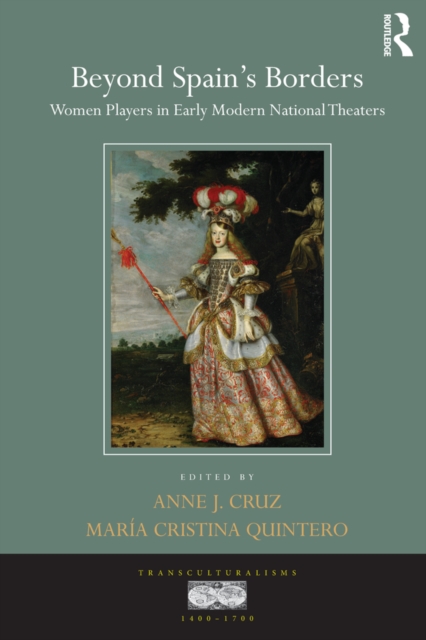
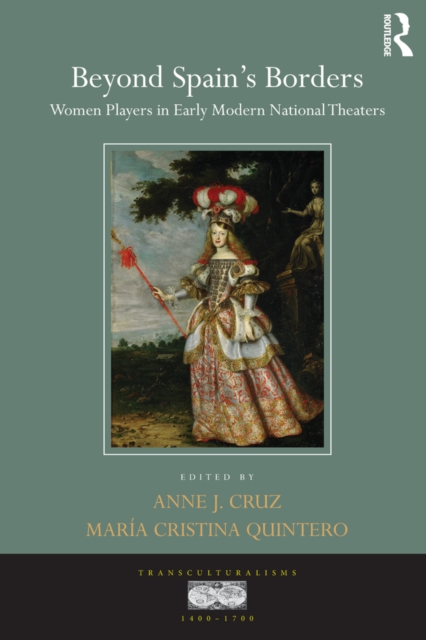
The prolific theatrical activity that abounded on the stages of early modern Europe demonstrates that drama was a genre that transcended national borders.
The prolific theatrical activity that abounded on the stages of early modern Europe demonstrates that drama was a genre that transcended national borders.
This volume gives Asia's Shakespeares the critical, theoretical, and political space they demand, offering rich, alternative ways of thinking about Asia, Shakespeare, and Asian Shakespeare based on Asian experiences and histories.
Shakespearean performances regularly take place at both historic sites and locations with complex resonances, such as Shakespeare's Globe Theatre in London and the royal castle of Hamlet - Elsinore - in Denmark.
Shakespearean performances regularly take place at both historic sites and locations with complex resonances, such as Shakespeare's Globe Theatre in London and the royal castle of Hamlet - Elsinore - in Denmark.
The influence of the women's movement has long been a scholarly priority in the study of British women's drama of the late nineteenth and early twentieth centuries, but previous scholarship has largely clustered around two events: the New Woman in the 1890s and the suffrage campaign in the years before the First World War.
The influence of the women's movement has long been a scholarly priority in the study of British women's drama of the late nineteenth and early twentieth centuries, but previous scholarship has largely clustered around two events: the New Woman in the 1890s and the suffrage campaign in the years before the First World War.