This book explores how, from the mid-20th century, a new form of theatre emerged in Trinidad and Tobago as its playwrights came to mine the Afro-Creole Trinidadian folk milieu.
That Shakespeare thematized time thoroughly, almost obsessively, in his plays is well established: time is, among other things, a 'devourer' (Love's Labour's Lost), one who can untie knots (Twelfth Night), or, perhaps most famously, simply 'out of joint' (Hamlet).
That Shakespeare thematized time thoroughly, almost obsessively, in his plays is well established: time is, among other things, a 'devourer' (Love's Labour's Lost), one who can untie knots (Twelfth Night), or, perhaps most famously, simply 'out of joint' (Hamlet).
New Playwriting Strategies has become a canonical text in the study and teaching of playwriting, offering a fresh and dynamic insight into the subject.
New Playwriting Strategies has become a canonical text in the study and teaching of playwriting, offering a fresh and dynamic insight into the subject.
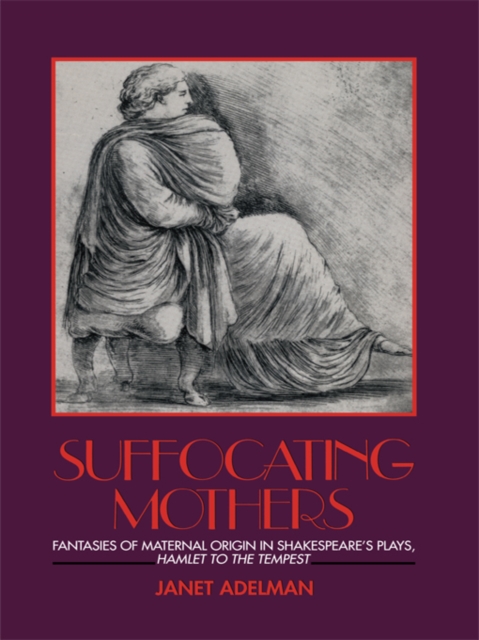
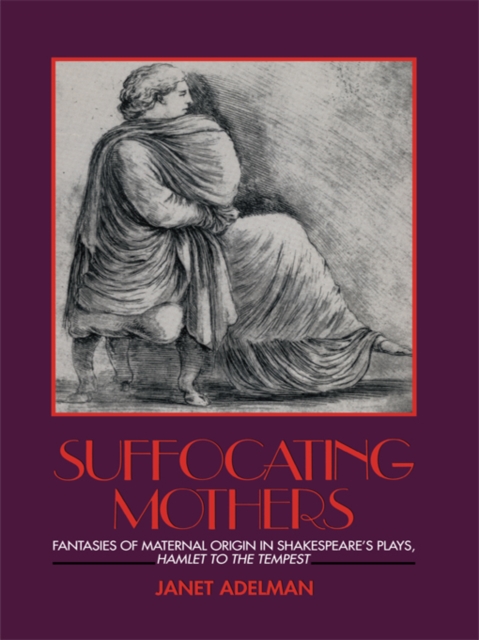
An original reading of Shakespeare's plays illuminating his negotiations with mothers, present and absent, and tracing the genesis of Shakespearean tragedy and romance to a psychologized version of the Fall.
An original reading of Shakespeare's plays illuminating his negotiations with mothers, present and absent, and tracing the genesis of Shakespearean tragedy and romance to a psychologized version of the Fall.
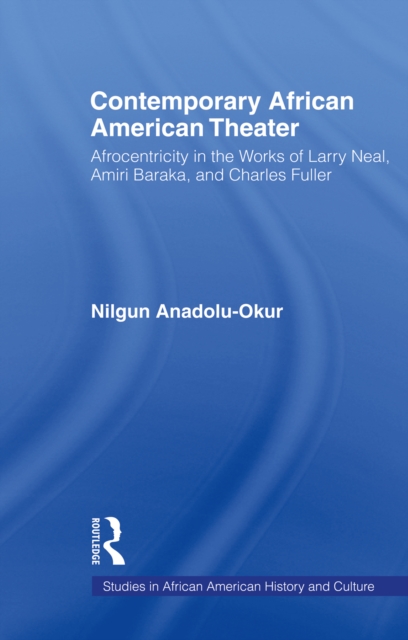
The Black Arts Movement was sparked by the Civil Rights movement and the urge to produce and revitalize functional, realistic, and holistic symbols to express African American creativity.
The Black Arts Movement was sparked by the Civil Rights movement and the urge to produce and revitalize functional, realistic, and holistic symbols to express African American creativity.
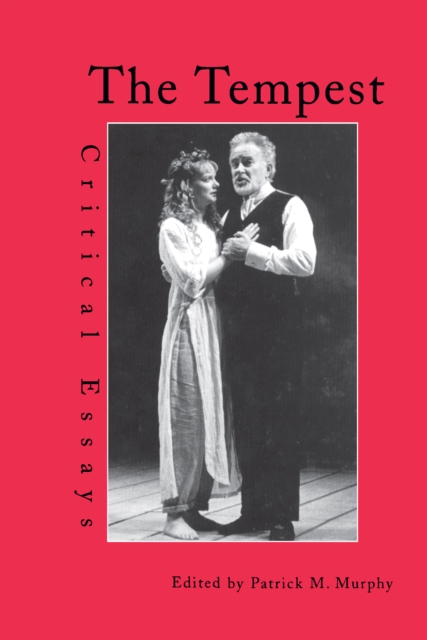
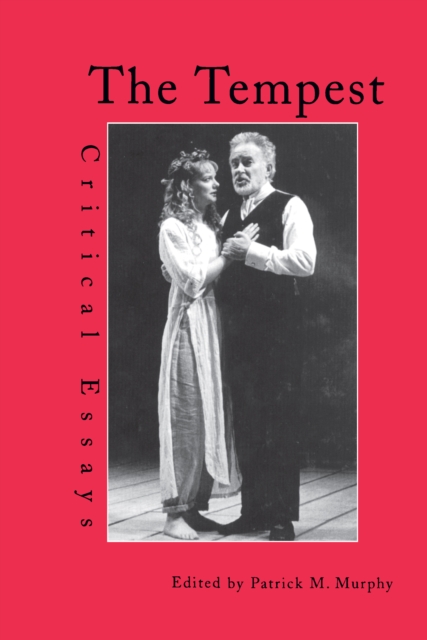
The Tempest: Critical Essays traces the history of Shakespeare's controversial late romance from its early reception (and adaptation) in the seventeenth and eighteenth centuries to the present.
The Tempest: Critical Essays traces the history of Shakespeare's controversial late romance from its early reception (and adaptation) in the seventeenth and eighteenth centuries to the present.
This book shows that Shakespeare's dramatization of compassion, far from expressing a sense of universal empathy, stages a conflicted emotion available to be solicited, manipulated and at times even monopolized as a discursive vehicle for the exclusion of others.
This book argues that Shakespeare was permanently preoccupied with the brutality, corruption, and ultimate groundlessness of the political order of his state, and that the impact of original Tudor censorship, supplemented by the relatively depoliticizing aesthetic traditions of later centuries, have together obscured the consistent subversiveness of his work.
This book argues that Shakespeare was permanently preoccupied with the brutality, corruption, and ultimate groundlessness of the political order of his state, and that the impact of original Tudor censorship, supplemented by the relatively depoliticizing aesthetic traditions of later centuries, have together obscured the consistent subversiveness of his work.
Old Vic Prefaces is a collection of the author's talks to the actors on those plays which he produced, while a Director of the Old Vic from 1949 to 1953.
Old Vic Prefaces is a collection of the author's talks to the actors on those plays which he produced, while a Director of the Old Vic from 1949 to 1953.
The opening chapter traces the history of the term 'problem plays' as applied to Shakespeare and defines it more clearly and precisely than has been done in the past.
The opening chapter traces the history of the term 'problem plays' as applied to Shakespeare and defines it more clearly and precisely than has been done in the past.