These issues consist of the edited Proceedings of the Shepard conference, organized by the Belgian-Luxembourg American Studies Association and the Free University of Brussels (VUB), which took place in Brussels, 28-30 May 1993.
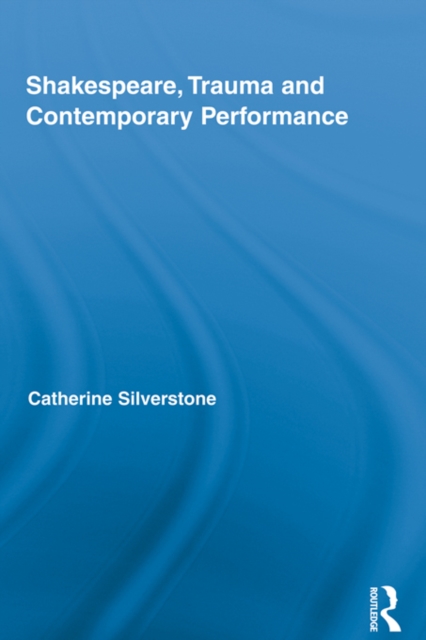
Shakespeare, Trauma and Contemporary Performance examines how contemporary performances of Shakespeare's texts on stage and screen engage with violent events and histories.
Shakespeare, Trauma and Contemporary Performance examines how contemporary performances of Shakespeare's texts on stage and screen engage with violent events and histories.
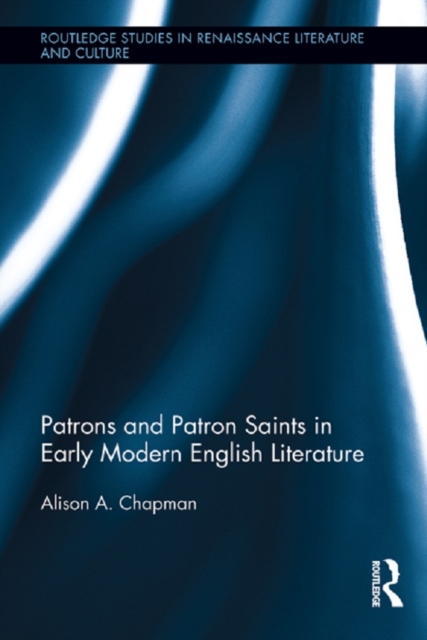
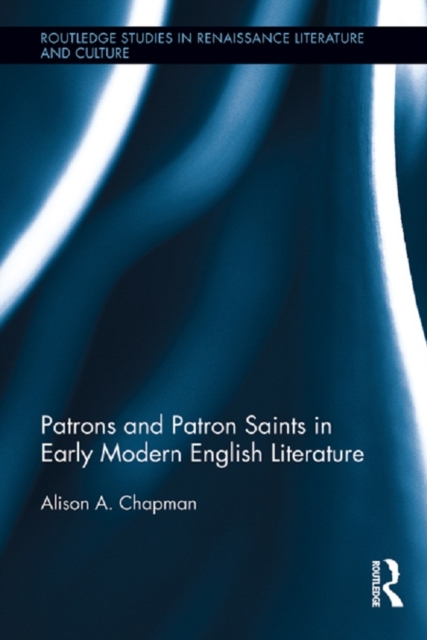
This book visits the fact that, in the pre-modern world, saints and lords served structurally similar roles, acting as patrons to those beneath them on the spiritual or social ladder with the word "e;patron"e; used to designate both types of elite sponsor.
This book visits the fact that, in the pre-modern world, saints and lords served structurally similar roles, acting as patrons to those beneath them on the spiritual or social ladder with the word "e;patron"e; used to designate both types of elite sponsor.
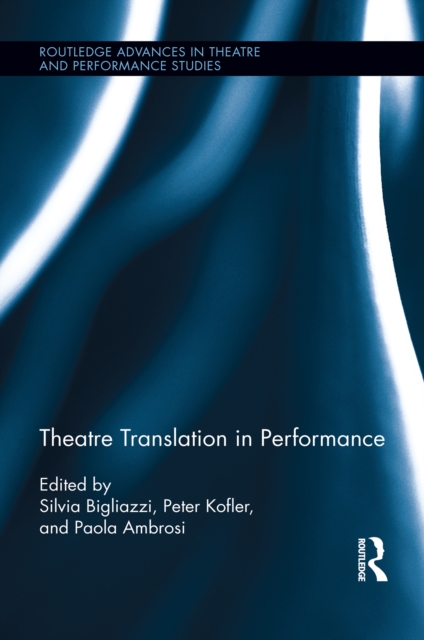
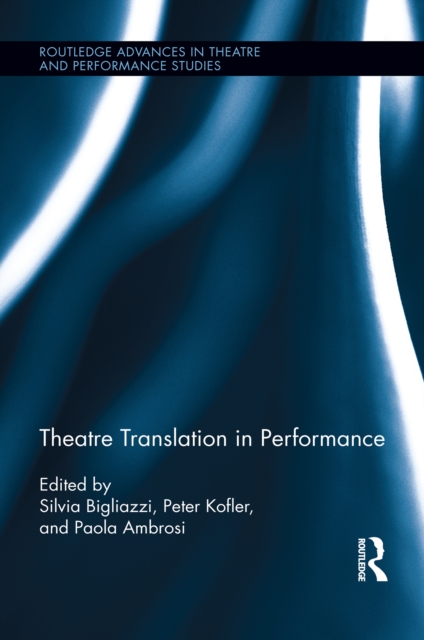
This volume focuses on the highly debated topic of theatrical translation, one brought on by a renewed interest in the idea of performance and translation as a cooperative effort on the part of the translator, the director, and the actors.
This volume focuses on the highly debated topic of theatrical translation, one brought on by a renewed interest in the idea of performance and translation as a cooperative effort on the part of the translator, the director, and the actors.
While eighteenth-century playwright and critic Gotthold Ephraim Lessing made numerous contributions in his lifetime to the theater, the text that best documents his dynamic and shifting views on dramatic theory is also that which continues to resonate with later generations - the Hamburg Dramaturgy (Hamburgische Dramaturgie, 1767-69).
While eighteenth-century playwright and critic Gotthold Ephraim Lessing made numerous contributions in his lifetime to the theater, the text that best documents his dynamic and shifting views on dramatic theory is also that which continues to resonate with later generations - the Hamburg Dramaturgy (Hamburgische Dramaturgie, 1767-69).
Addressing for the first time Shakespeare's place in counter-cultural cinema, this book examines and theorizes counter-hegemonic, postmodern, and post-punk Shakespeare in late 20th and early 21st century film.
Addressing for the first time Shakespeare's place in counter-cultural cinema, this book examines and theorizes counter-hegemonic, postmodern, and post-punk Shakespeare in late 20th and early 21st century film.
Shakespeare's Dramatic Heritage shows that the drama of Elizabethan and Jacobean England is deeply indebted to the religious drama of the Middle Ages and represents a climax, in secular guise, to mediaeval experiment and achievement rather than a new beginning.
Shakespeare's Dramatic Heritage shows that the drama of Elizabethan and Jacobean England is deeply indebted to the religious drama of the Middle Ages and represents a climax, in secular guise, to mediaeval experiment and achievement rather than a new beginning.
A collection that includes a lengthy introduction describing historical trends in critical interpretations and theatrical performances of Shakespeare's play; 20 essays on the play, including two written especially for this volume (by Maurice Hunt and David Bergeron).
A collection that includes a lengthy introduction describing historical trends in critical interpretations and theatrical performances of Shakespeare's play; 20 essays on the play, including two written especially for this volume (by Maurice Hunt and David Bergeron).
This book provides a critical study of how China was represented on the historical London stage in selected examples from the late seventeenth century to the early twentieth century-which corresponds with the Qing Dynasty (1644-1911), China's last monarchy.
This book provides a critical study of how China was represented on the historical London stage in selected examples from the late seventeenth century to the early twentieth century-which corresponds with the Qing Dynasty (1644-1911), China's last monarchy.