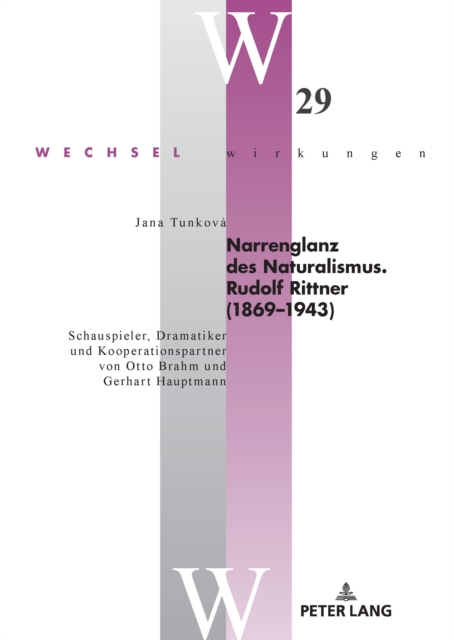
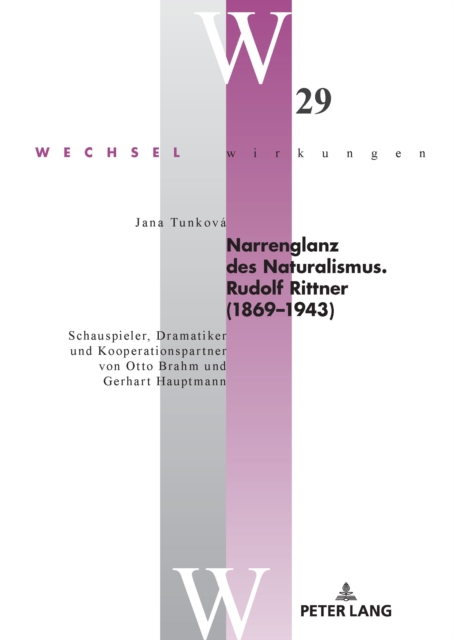
Die vorliegende Studie beschaftigt sich mit den vielfaltigen Geistererscheinungen in Andreas Gryphius' Trauerspielen auf Grundlage des fruhneuzeitlichen Geisterwissens und der literarischen Tradition von Geisterdarstellungen in antiken, jesuitischen und niederlandischen Dramen sowie in Barockpoetiken.
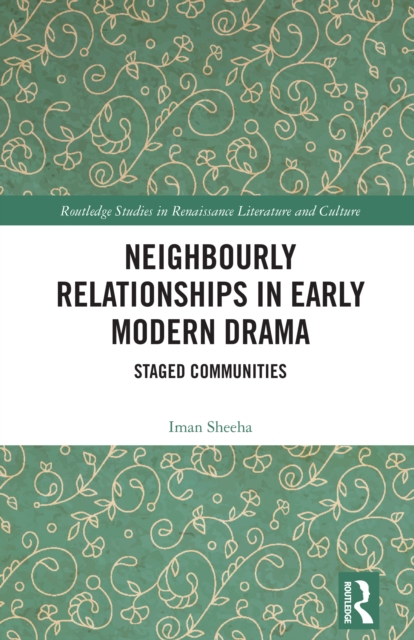
The book offers the first sustained examination of neighbourly relationships in early modern English drama, situating the close analyses of the selected plays within contemporary prescriptive literature (such as sermons and conduct books), letters, diaries, pamphlets, ballads, wills, proverbs, as well as the lived realities of early modern neighbourhoods as glimpsed in the historical and legal archives.
The book offers the first sustained examination of neighbourly relationships in early modern English drama, situating the close analyses of the selected plays within contemporary prescriptive literature (such as sermons and conduct books), letters, diaries, pamphlets, ballads, wills, proverbs, as well as the lived realities of early modern neighbourhoods as glimpsed in the historical and legal archives.
This collection of essays seeks to present articles that examine the early ventures of the 1960s and 1970s in the progressive theatre of identity with a new contemporary view, considering the intersection of race, gender, ethnicity, economic class, and sexual orientation.
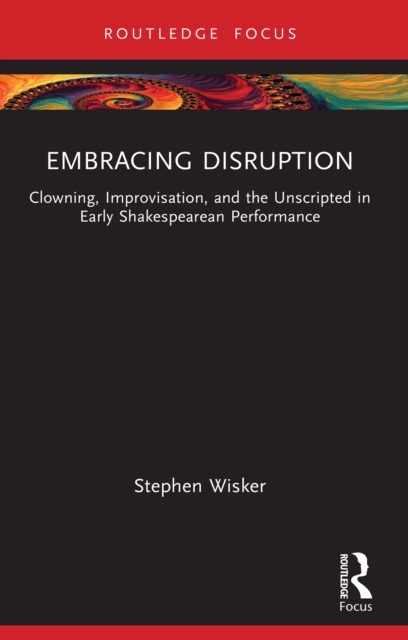
This volume celebrates the centrality of clowning in Shakespeare's conception of theatre and explores how he purposefully invited the clown's anarchic energy into the heart of his dramaturgy.
Nowhere is the richness and variety of the English Renaissance better shown than in the dramatic works of the period which combined to an unusual degree the arts of poetry, music, acting, and dance.
Many critics hold that Shakespeare's King Lear is primarily a drama of meaningful suffering and redemption within a just universe ruled by providential higher powers.
In Shakespeare's hand the comic mode became an instrument for exploring the broad territory of the human situation, including much that had normally been reserved for tragedy.
Although there has been a general revival of interest in Ben Jonson's dramatic work in the past twenty years, little critical effort has been directed to his late playsdismissed by John Dryden as the "dotages" of an aging mind.
Originally published in 1920, The Quintessence of Bernard Shaw, the title a play on Shaw's own essay The Quintessence of Ibsenism, offered a coherent review of his ideas mainly, though not exclusively, as expressed in his plays and prefaces.
In The Shavian Playground, originally published in 1972, Shaw's plays are examined as self-contained imaginative structures intended for theatrical performance.
To understand the cultural history of England during the Restoration, one need look no further than the theater, which was attended by the gentry as well as by members of the middle and lower classes.
Originally published in 1920, The Quintessence of Bernard Shaw, the title a play on Shaw's own essay The Quintessence of Ibsenism, offered a coherent review of his ideas mainly, though not exclusively, as expressed in his plays and prefaces.
Some of the most famous plays in the English language were performed on the stage of the Rose theater, which stood on the Bankside in Elizabethan London.
The mythological, folkloric, and religious beliefs of Western culture have resulted in a long and ongoing history of esoteric themes in theatre from the Middle Ages to the present in Spain and the America.
It was Shaw's general contention that all great art was didactic; it was his specific contention that he wrote plays to convert people to his opinions on 'Social Economy', 'Political Economy' and 'Vital Economy'.
This study explores the theater actually known and frequented by Dickens in order to show in terms of concrete structural analysis of his novels the nature of the predominantly "dramatic" or "theatrical" quality of his genius.
Shakespeare and the Poet's Life explores a central biographical question: why did Shakespeare choose to cease writing sonnets and court-focused long poems like The Rape of Lucrece and Venus and Adonis and continue writing plays?
Shakespeare has been viewed by critics both as a secular writer who affirmed the dual nature of man and as a Christian allegorist whose work has a submerged but positive and elaborate pattern of Christian meaning.
In The Shavian Playground, originally published in 1972, Shaw's plays are examined as self-contained imaginative structures intended for theatrical performance.
In this book, Walter Foreman studies the closing scenes of Shakespeare's tragedies, considering the tragic structure of the plays and the shapes the tragic characters give their lives by the way they encounter death.
Originally published in 1969, in Shaw - "e;The Chucker Out"e; Allan Chappelow quotes much entirely new and previously unpublished Shaw material (the fruits of six years' research at the British Museum and elsewhere) as the basis for his aim of assisting towards a better understanding of Shaw's controversial character and his paradoxical attitude to life - with reference particularly to certain fallacies and misconceptions voiced by the villagers of Ayot St.