Shakespeare | Sense explores the intersection of Shakespeare and sensory studies, asking what sensation can tell us about early modern drama and poetry, and, conversely, how Shakespeare explores the senses in his literary craft, his fictional worlds, and his stagecraft.
Brecht was never inclined to see any of his plays as completely finished, and this volume collects some of the most important theatrical projects and fragments that were always to remain 'works in progress'.
Brecht was never inclined to see any of his plays as completely finished, and this volume collects some of the most important theatrical projects and fragments that were always to remain 'works in progress'.
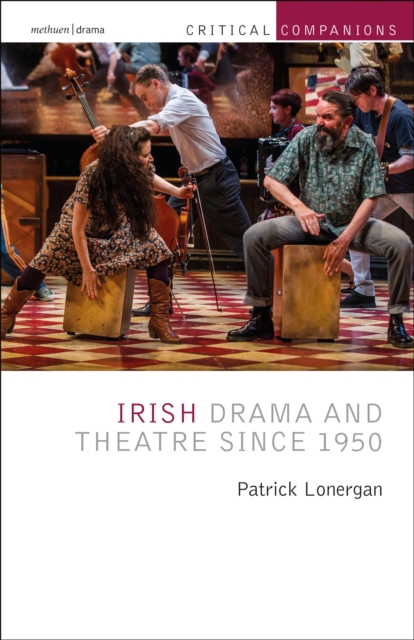
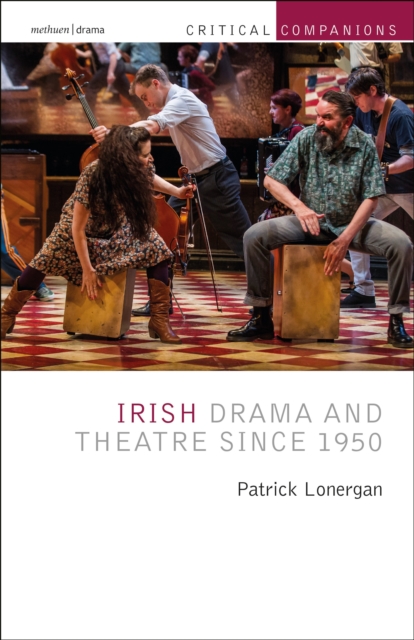
Drawing on major new archival discoveries and recent research, Patrick Lonergan presents an innovative account of Irish drama and theatre, spanning the past seventy years.
Drawing on major new archival discoveries and recent research, Patrick Lonergan presents an innovative account of Irish drama and theatre, spanning the past seventy years.
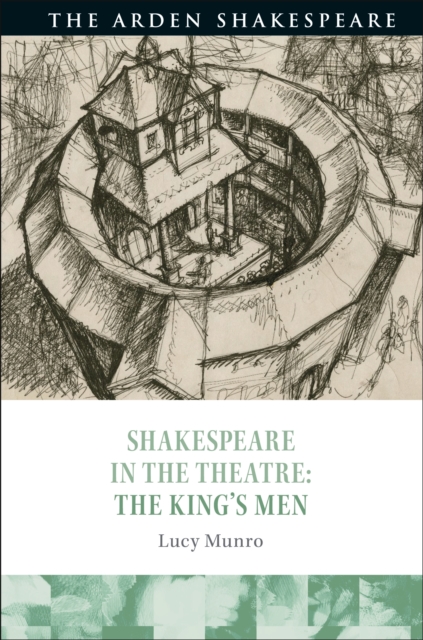
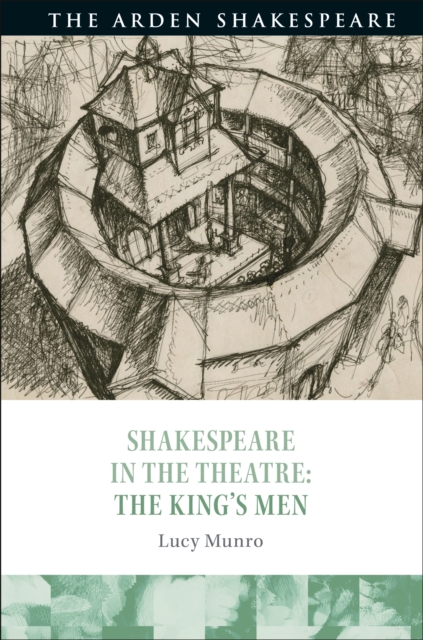
Created when James I granted royal patronage to the former Chamberlain's Men in 1603, the King's Men were the first playing company to exercise a transformative influence on Shakespeare's plays.
Created when James I granted royal patronage to the former Chamberlain's Men in 1603, the King's Men were the first playing company to exercise a transformative influence on Shakespeare's plays.
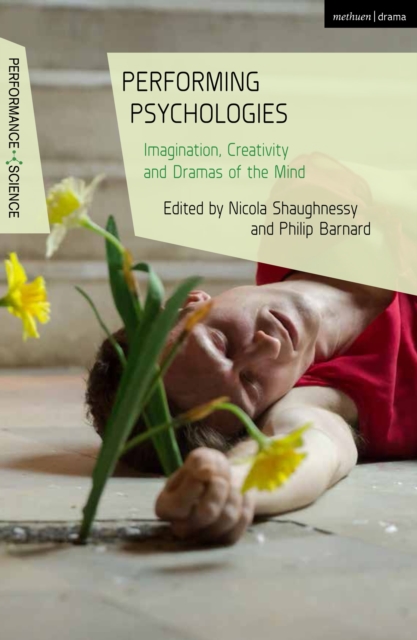
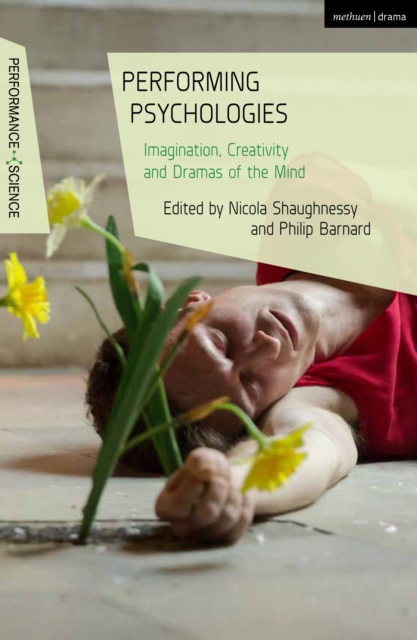
Performing Psychologies offers new perspectives on arts and health, focussing on the different ways in which performance interacting with psychology can enhance understanding of the mind.
Performing Psychologies offers new perspectives on arts and health, focussing on the different ways in which performance interacting with psychology can enhance understanding of the mind.
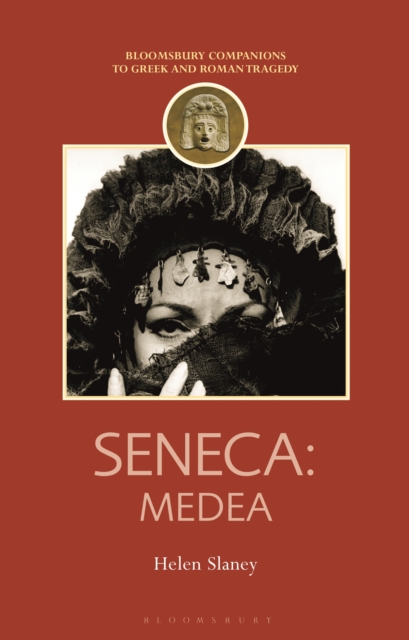
Composed in early imperial Rome by Lucius Annaeus Seneca, Stoic philosopher and tutor to the emperor Nero, the tragedy Medea is dominated by the superhuman energy of its protagonist: diva, killer, enchantress, force of nature.
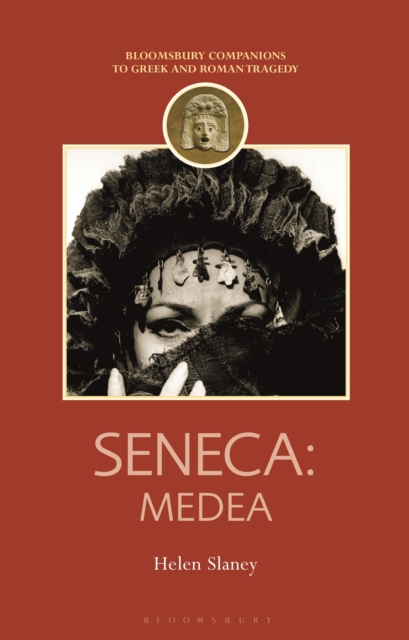
Composed in early imperial Rome by Lucius Annaeus Seneca, Stoic philosopher and tutor to the emperor Nero, the tragedy Medea is dominated by the superhuman energy of its protagonist: diva, killer, enchantress, force of nature.
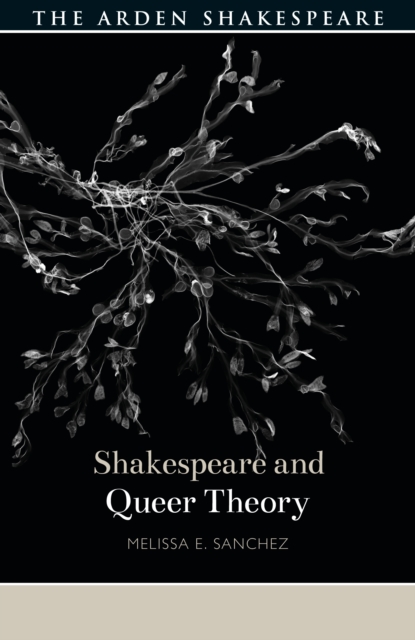
Shakespeare and Queer Theory is an indispensable guide on the ongoing critical debates about queer method both within and beyond Shakespeare and early modern studies.
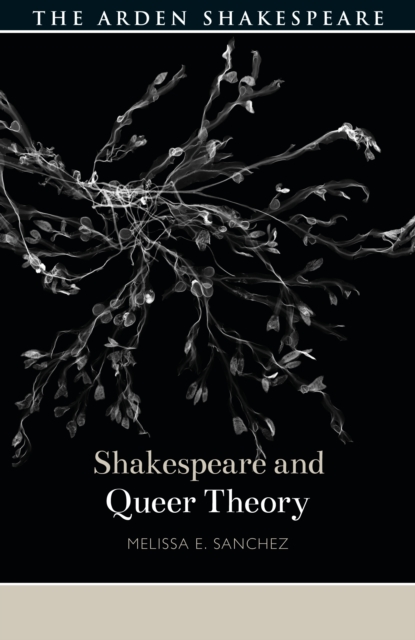
Shakespeare and Queer Theory is an indispensable guide on the ongoing critical debates about queer method both within and beyond Shakespeare and early modern studies.
A new type of study aid which combines lively critical insight with practical guidance on the critical writings skills students need to develop in order to engage fully with Shakespeare's texts.
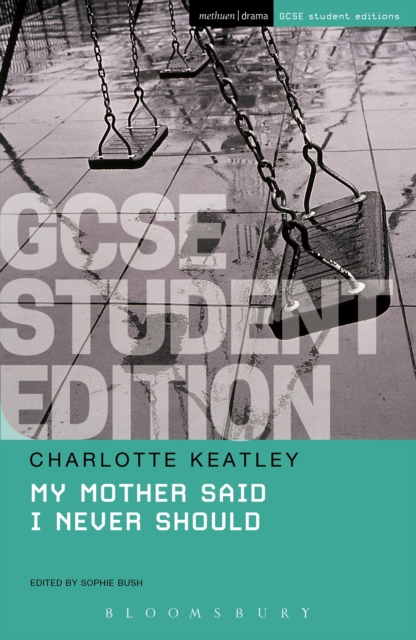
Written specifically for GCSE students by academics in the field, the Methuen Drama GCSE Student Editions provide in-depth explanatory material alongside the play texts frequently studied at Key Stage 4.
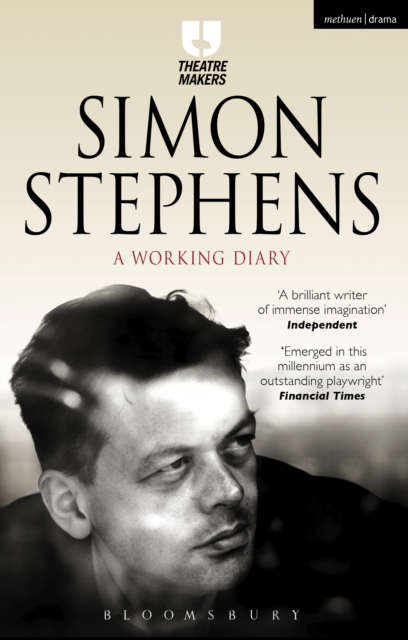
2014 was a spectacular year for playwright Simon Stephens, who has been described by the Independent as 'a brilliant writer of immense imagination' and by the Financial Times as having 'emerged in this millennium as an outstanding playwright'.
2014 was a spectacular year for playwright Simon Stephens, who has been described by the Independent as 'a brilliant writer of immense imagination' and by the Financial Times as having 'emerged in this millennium as an outstanding playwright'.
Islam in Performance brings together six contemporary plays from Bangladesh, India, and Pakistan that highlight the political performance of Islam in South Asia, especially since the 1947 partition of the subcontinent.
Islam in Performance brings together six contemporary plays from Bangladesh, India, and Pakistan that highlight the political performance of Islam in South Asia, especially since the 1947 partition of the subcontinent.
This book assesses William Shakespeare in the context of political and religious crisis, paying particular attention to his Catholic connections, which have heretofore been underplayed by much Protestant interpretation.
In this work of scholarship and creativity, Meagher argues that Shakespeare has been misunderstood because of a failure to recognize his own directions as a playwright.
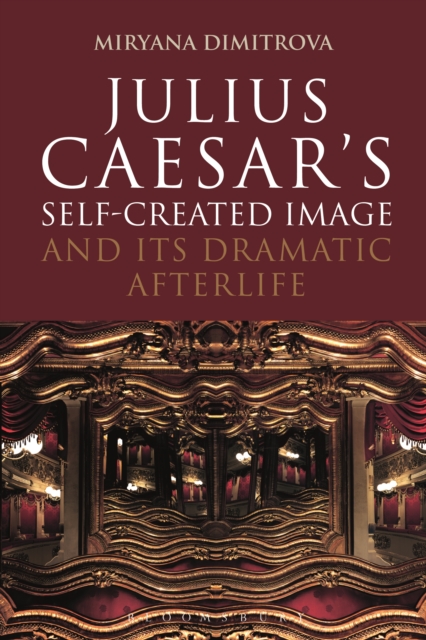
The book explores the extent to which aspects of Julius Caesar's self-representation in his commentaries, constituent themes and characterization have been appropriated or contested across the English dramatic canon from the late 1500s until the end of the 19th century.