In this work of scholarship and creativity, Meagher argues that Shakespeare has been misunderstood because of a failure to recognize his own directions as a playwright.
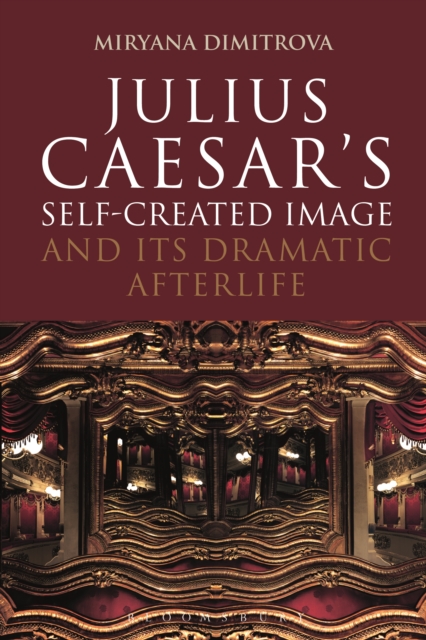
The book explores the extent to which aspects of Julius Caesar's self-representation in his commentaries, constituent themes and characterization have been appropriated or contested across the English dramatic canon from the late 1500s until the end of the 19th century.
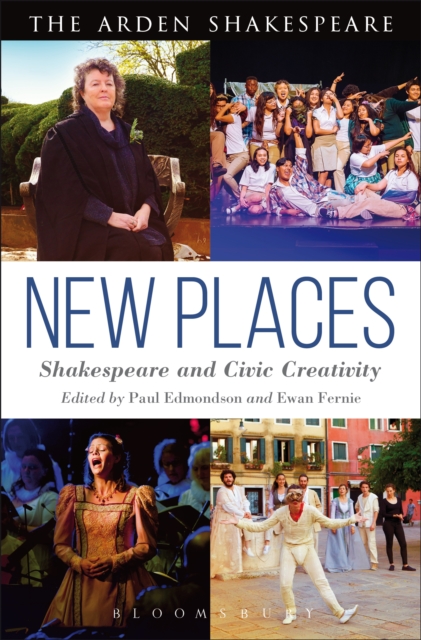
New Places: Shakespeare and Civic Creativity documents and analyses the different ways in which a range of innovative projects take Shakespeare out into the world beyond education and the theatre.
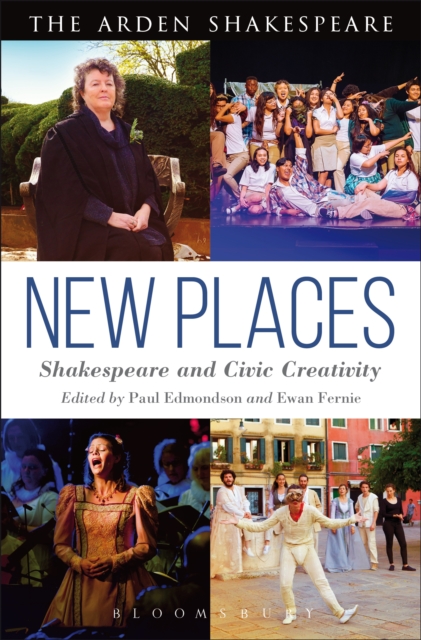
New Places: Shakespeare and Civic Creativity documents and analyses the different ways in which a range of innovative projects take Shakespeare out into the world beyond education and the theatre.
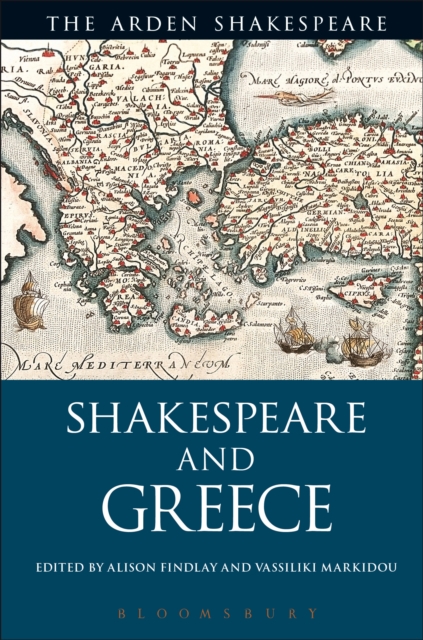
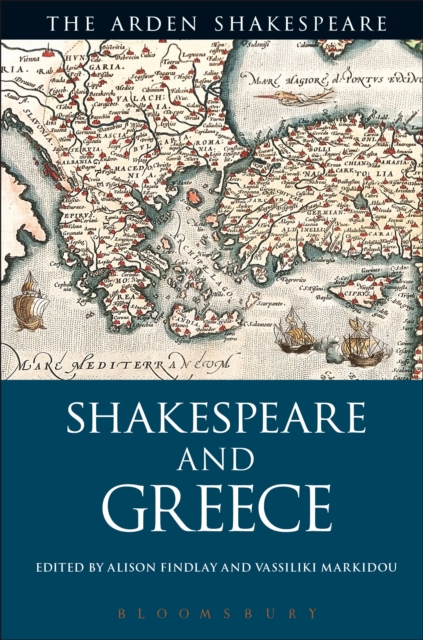
This book seeks to invert Ben Jonson's claim that Shakespeare had 'small Latin and less Greek' and to prove that, in fact, there is more Greek and less Latin in a significant group of Shakespeare's texts: a group whose generic hybridity (tragic-comical-historical-romance) exemplifies the hybridity of Greece in the early modern imagination.
This book seeks to invert Ben Jonson's claim that Shakespeare had 'small Latin and less Greek' and to prove that, in fact, there is more Greek and less Latin in a significant group of Shakespeare's texts: a group whose generic hybridity (tragic-comical-historical-romance) exemplifies the hybridity of Greece in the early modern imagination.
A comparative reference guide to Shakespeare's grammar, based on a complete revision of an extremely elderly but still much-cited volume, Abbott's Shakespearean Grammar, first published in 1869 and still regarded by default as an essential component of Shakespeare research.
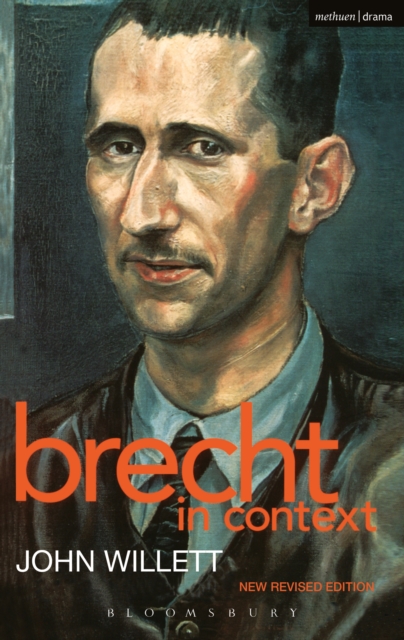
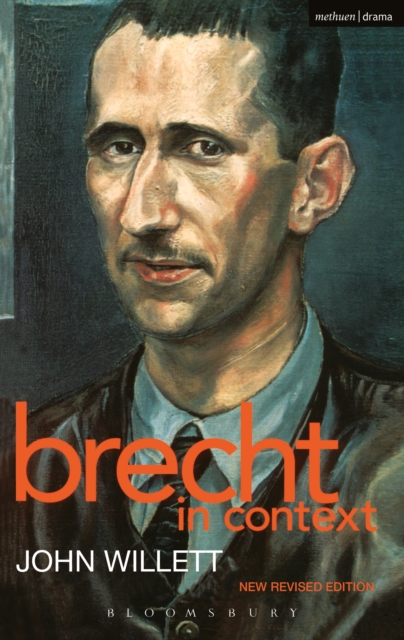
New edition, revised for the centenary of Brecht's birth, containing additional updated materialIn this classic study, John Willett sets in context not only Brecht the theatre practitioner but Brecht the writer and man of his time.
New edition, revised for the centenary of Brecht's birth, containing additional updated materialIn this classic study, John Willett sets in context not only Brecht the theatre practitioner but Brecht the writer and man of his time.
Based on three lectures given by Professor Richard Proudfoot in October 1999 to celebrate the 400th anniversary of The Globe, The Arden Shakespeare's centenary and Professor Proudfoot's retirement from King's College; this enjoyable volume aims to give a general and non-specialist audience some sense of what scholarship has achieved in three critical areas of Shakespeare studies at the end of the twentieth century.
Based on three lectures given by Professor Richard Proudfoot in October 1999 to celebrate the 400th anniversary of The Globe, The Arden Shakespeare's centenary and Professor Proudfoot's retirement from King's College; this enjoyable volume aims to give a general and non-specialist audience some sense of what scholarship has achieved in three critical areas of Shakespeare studies at the end of the twentieth century.
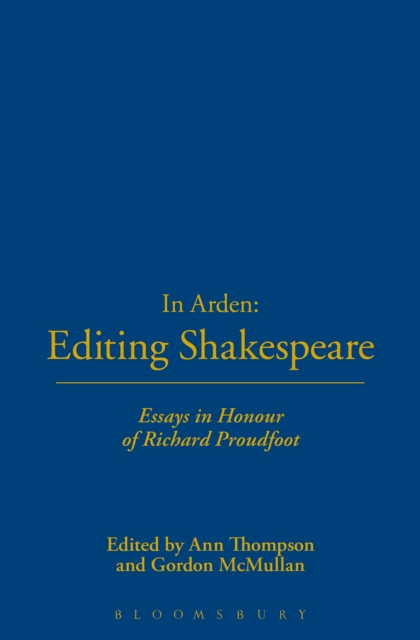
A collection of new and specially commissioned essays by an eminent team of Shakespeare scholars, focusing on the particular issues relating to the editing of Shakespeare and other Renaissance texts.
A collection of new and specially commissioned essays by an eminent team of Shakespeare scholars, focusing on the particular issues relating to the editing of Shakespeare and other Renaissance texts.
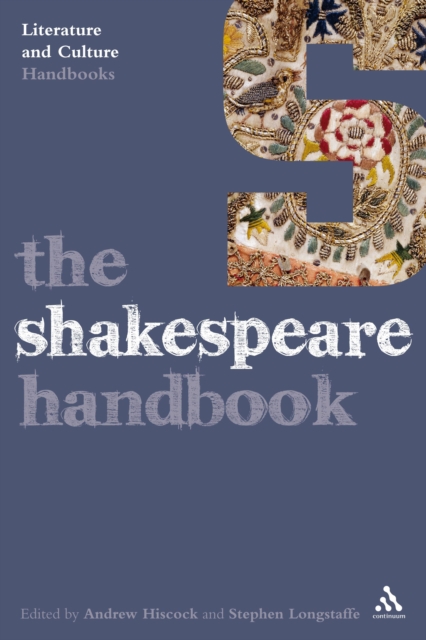
Literature and Culture Handbooks are an innovative series of guides to major periods, topics and authors in British and American literature and culture.
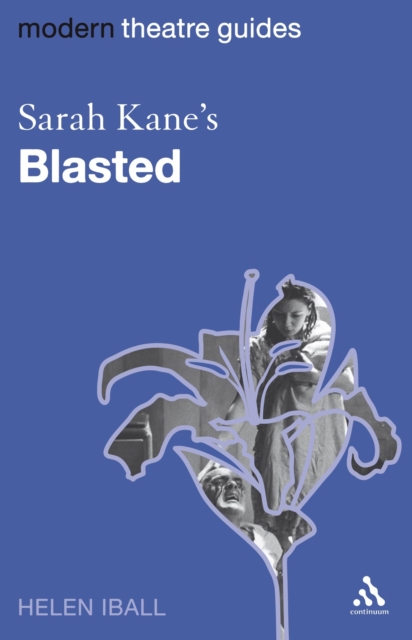
Blasted has been labelled as one of the landmark plays of post-war British theatre, achieving its iconic status and, indeed, its notoriety, very quickly.
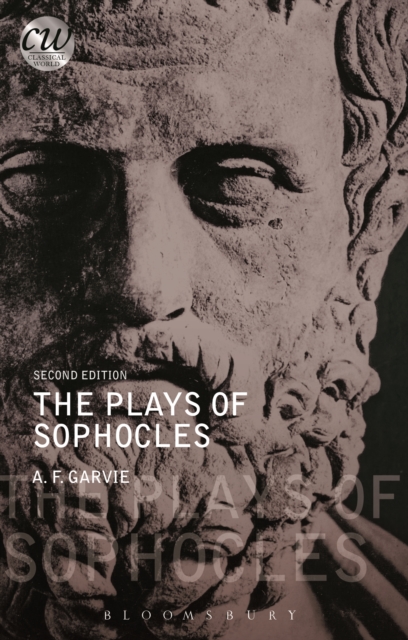
The emphasis throughout this book, ideal for sixth form and early university students, is on Sophocles' tragic thinking, on the concept of the 'Sophoclean hero', and on the dramatic structure of the plays.
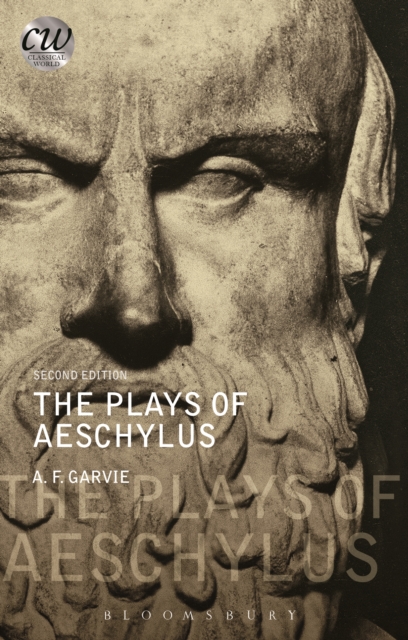
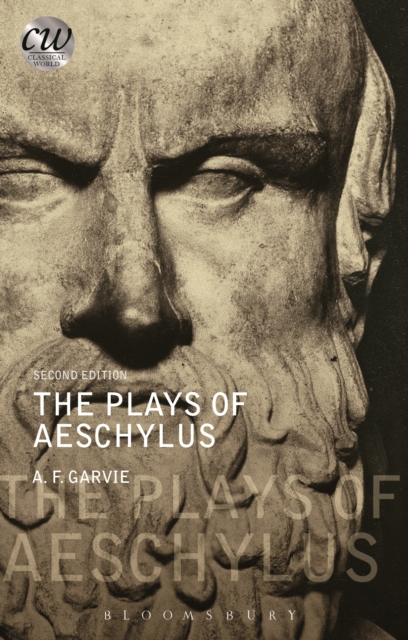
This excellent introduction to the six extant plays of Aeschylus is fully revised and updated, with additional further reading, ideal for the student unfamiliar with these earliest of Greek tragedies.
This excellent introduction to the six extant plays of Aeschylus is fully revised and updated, with additional further reading, ideal for the student unfamiliar with these earliest of Greek tragedies.
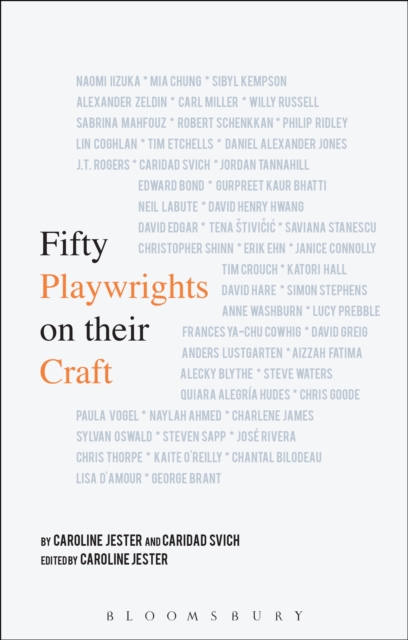
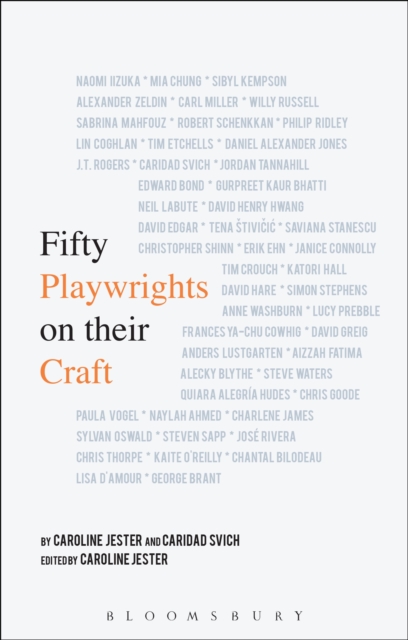
In a series of interviews with fifty playwrights from the US and UK, this book offers a fascinating study of the voices, thoughts, and opinions of today's most important dramatists.
In a series of interviews with fifty playwrights from the US and UK, this book offers a fascinating study of the voices, thoughts, and opinions of today's most important dramatists.
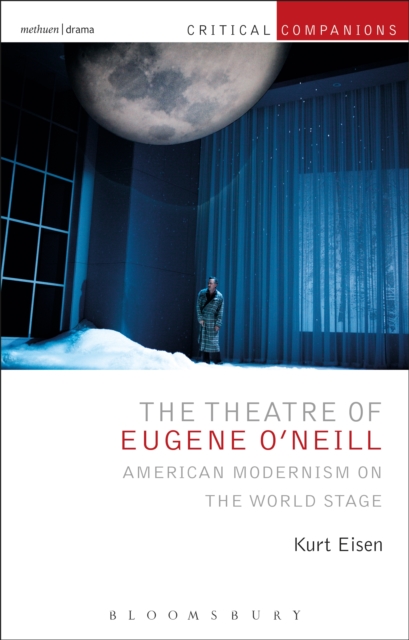
Named a Choice Outstanding Academic Title of the Year 2018 The Theatre of Eugene O'Neill offers a new comprehensive overview of O'Neill's career and plays in the context of the American theatre.
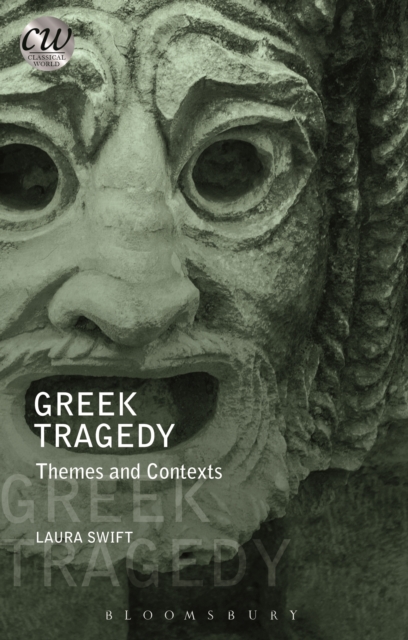
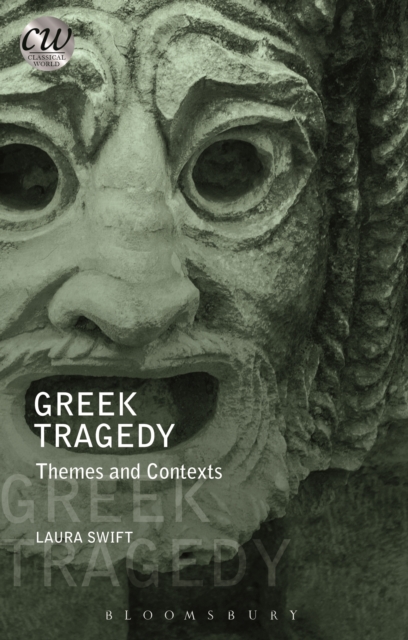
The latest volume in the Classical World series, this book offers a much-needed up-to-date introduction to Greek tragedy, and covers the most important thematic topics studied at school or university level.
The latest volume in the Classical World series, this book offers a much-needed up-to-date introduction to Greek tragedy, and covers the most important thematic topics studied at school or university level.
Drawing together the work of ten leading playwrights - a mixture of established and emerging writers - this National Theatre Connections anthology is published to coincide with the 2015 festival, which takes place across the UK and Ireland, finishing up at the National Theatre in London.
Drawing together the work of ten leading playwrights - a mixture of established and emerging writers - this National Theatre Connections anthology is published to coincide with the 2015 festival, which takes place across the UK and Ireland, finishing up at the National Theatre in London.
In the shadow of the Holocaust, Samuel Beckett captures humanity in ruins through his debased beings and a decomposing mode of writing that strives to 'fail better'.
In the shadow of the Holocaust, Samuel Beckett captures humanity in ruins through his debased beings and a decomposing mode of writing that strives to 'fail better'.