Uniquely, this guide analyses the play's critical and performance history and recent criticism, as well as including five essays offering radically new paths for contemporary interpretation.
Uniquely, this guide analyses the play's critical and performance history and recent criticism, as well as including five essays offering radically new paths for contemporary interpretation.
Although psychoanalytic criticism of Shakespeare is a prominent and prolific field of scholarship, the analytic methods and tools, theories, and critics who apply the theories have not been adequately assessed.
Although psychoanalytic criticism of Shakespeare is a prominent and prolific field of scholarship, the analytic methods and tools, theories, and critics who apply the theories have not been adequately assessed.
Much Ado About Nothing presents a battle of the sexes in more ways than one: as both a lightning-fast skirmish of wits between two famously disputatious lovers, and a near-deadly conflict built on conventions of gender and male rivalry.
Much Ado About Nothing presents a battle of the sexes in more ways than one: as both a lightning-fast skirmish of wits between two famously disputatious lovers, and a near-deadly conflict built on conventions of gender and male rivalry.
Shakespeare's plays are pervaded by political and economic words and concepts, not only in the histories and tragedies but also in the comedies and romances.
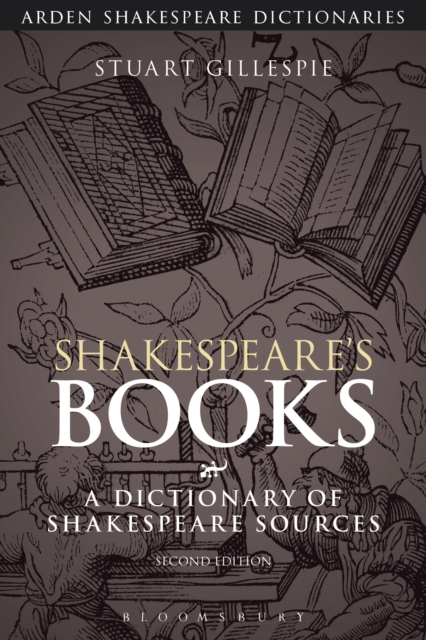
Shakespeare's Books contains nearly 200 entries covering the full range of literature Shakespeare was acquainted with, including classical, historical, religious and contemporary works.
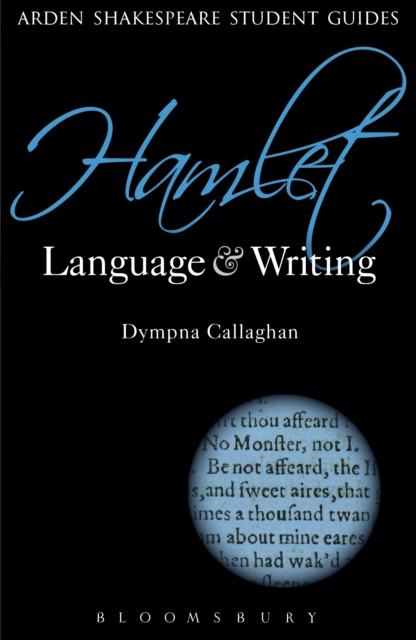
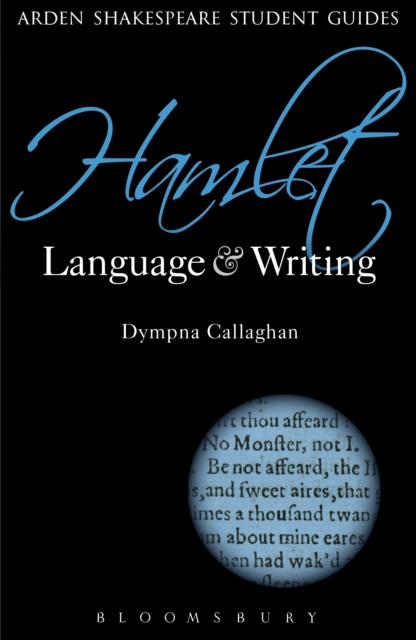
This lively and informative guide reveals Hamlet as marking a turning point in Shakespeare's use of language and dramatic form as well as addressing the key problem at the play's core: Hamlet's inaction.
This lively and informative guide reveals Hamlet as marking a turning point in Shakespeare's use of language and dramatic form as well as addressing the key problem at the play's core: Hamlet's inaction.
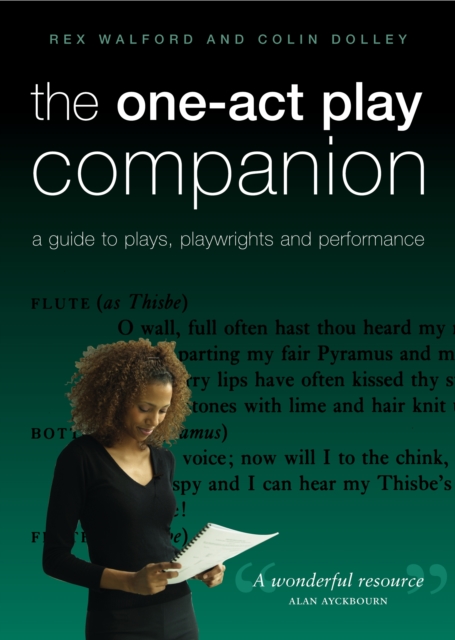
The one-act play stands apart as a distinct art form with some well known writers providing specialist material, among them Bernard Shaw, Tom Stoppard, Harold Pinter, Caryl Churchill.
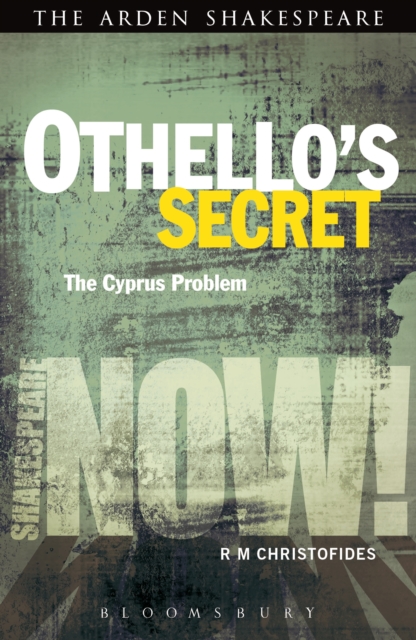
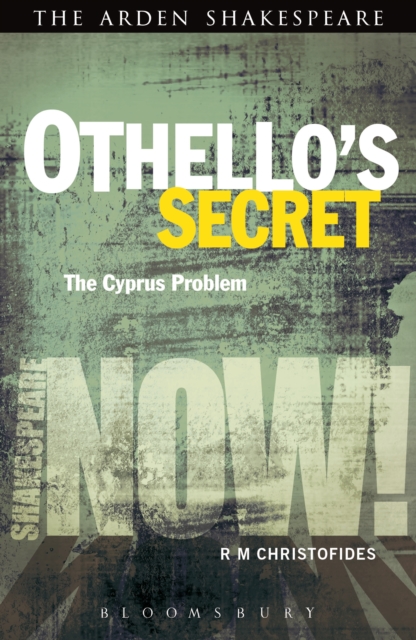
Othello's Secret uncovers the relationship between the play and the conflicts that have torn apart its Cypriot setting, providing a new and powerfully political reading.
Othello's Secret uncovers the relationship between the play and the conflicts that have torn apart its Cypriot setting, providing a new and powerfully political reading.
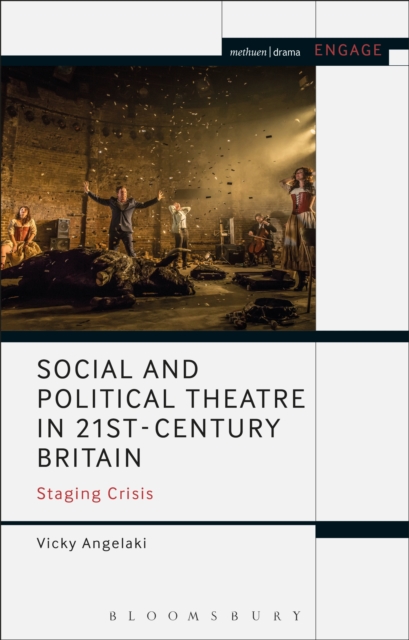
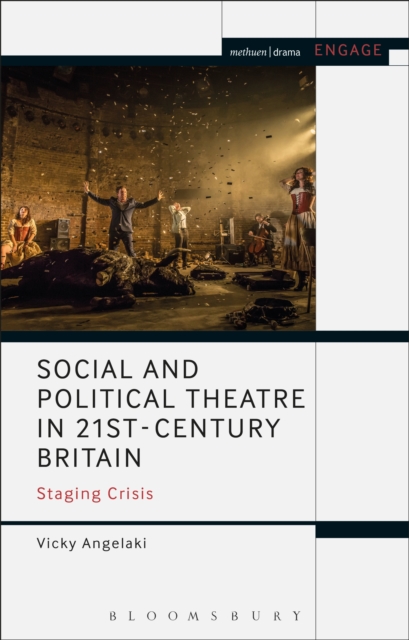
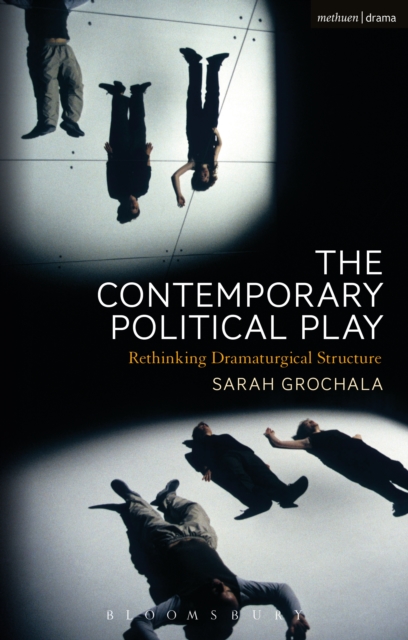
In a context of financial crisis that has often produced a feeling of identity crisis for the individual, the theatre has provided a unifying forum, treating spectators as citizens.
In a context of financial crisis that has often produced a feeling of identity crisis for the individual, the theatre has provided a unifying forum, treating spectators as citizens.
I'm just worried because I think what I'm being turned on by is the fact that you're imagining a stable future with me, whereas what you're being turned on by is the potential potency of your own sperm.
Your complete introduction to ShakespeareWilliam Shakespeare has been hailed as one of the greatest thinkers of all time, one of the world's finest artists, poets and dramatists.
Cease I say, cantankerous old fools /Thy deeds hath made our streets a no go zone /No more shall Montagues and Capulets /Enact their West Side Story Sharks and Jets /Or else shall pay the forfeit of the peace.
One of Shakespeare's most compelling historical tragedies, Julius Caesar explores the chilling events of political ambition and betrayal leading up to and following the assassination of the infamous Roman emperor.
This ground-breaking book reveals the prophetic, revolutionary vision that drives Shakespeare's tragedies, tracing its unbroken development from its beginnings in the Henry VI plays and Shakespeare's first tragedy, Titus Andronicus, right through to his last, Coriolanus.
This ground-breaking book reveals the prophetic, revolutionary vision that drives Shakespeare's tragedies, tracing its unbroken development from its beginnings in the Henry VI plays and Shakespeare's first tragedy, Titus Andronicus, right through to his last, Coriolanus.