This book's underlying claim is that English Renaissance tragedy addresses live issues in the experience of readers and spectators today: it is not a genre to be studied only for aesthetic or “heritage” reasons.
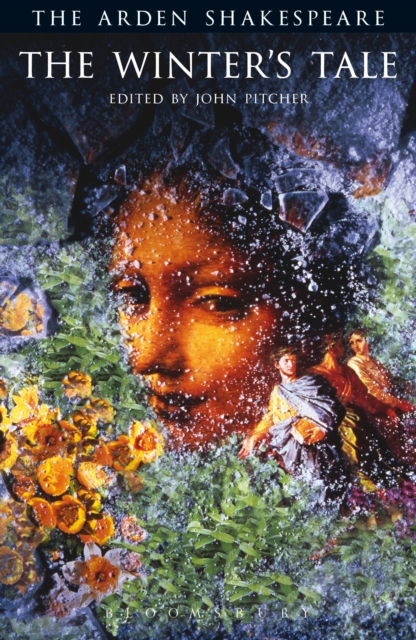
The Arden Guide to Renaissance Drama is a single critical and contextual resource for students embarking on an in-depth exploration of early modern drama, providing both critical insight and accessible contextual information.
The Arden Guide to Renaissance Drama is a single critical and contextual resource for students embarking on an in-depth exploration of early modern drama, providing both critical insight and accessible contextual information.
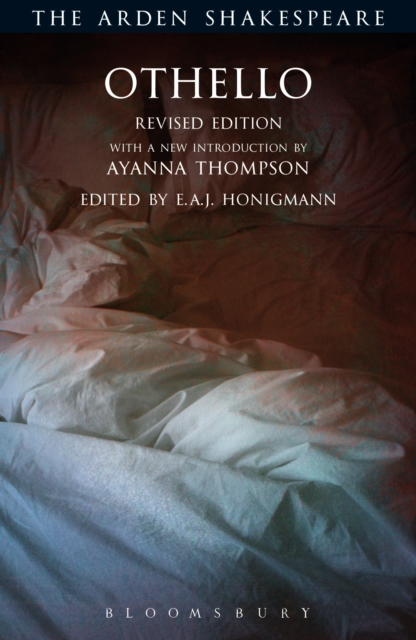
This second edition of Othello has a new, illustrated introduction by leading American scholar Ayanna Thompson, which addresses such key issues as race, religion and gender, as well as looking at ways in which the play has been adapted in more recent times.
This second edition of Othello has a new, illustrated introduction by leading American scholar Ayanna Thompson, which addresses such key issues as race, religion and gender, as well as looking at ways in which the play has been adapted in more recent times.
Arden Student Skills: Language and Writing volumes offer a new type of study aid that combines lively critical insight with practical guidance on the writing skills you need to develop in order to engage fully with Shakespeare's texts.
Arden Student Skills: Language and Writing volumes offer a new type of study aid that combines lively critical insight with practical guidance on the writing skills you need to develop in order to engage fully with Shakespeare's texts.
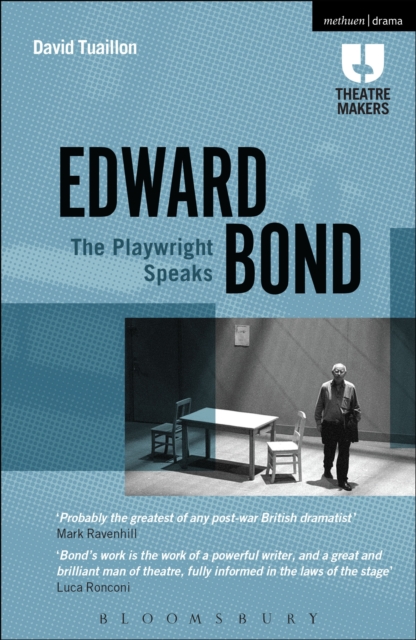
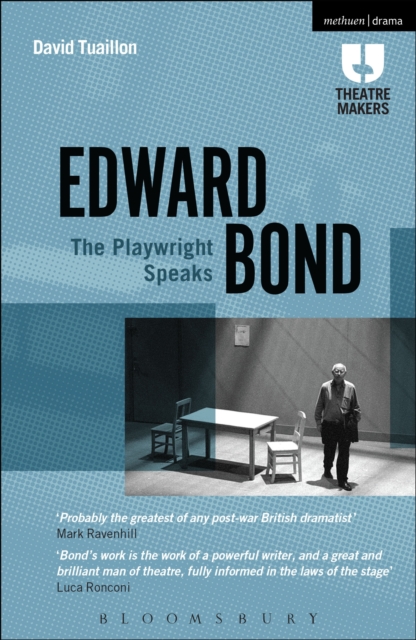
Over 50 years after his first appearance on the theatre scene, Edward Bond remains a hugely significant figure in the history of modern British playwriting.
Over 50 years after his first appearance on the theatre scene, Edward Bond remains a hugely significant figure in the history of modern British playwriting.
Physicians, readers and scholars have long been fascinated by Shakespeare's medical language and the presence of healers, wise women and surgeons in his work.
Great Shakespeareans offers a systematic account of those figures who have had the greatest influence on the interpretation, understanding and cultural reception of Shakespeare, both nationally and internationally.
Great Shakespeareans offers a systematic account of thosefigures who have had the greatest influence on the interpretation,understanding and cultural reception of Shakespeare, both nationally andinternationally.
Great Shakespeareans offers a systematic account of those figures who have had the greatest influence on the interpretation, understanding and cultural reception of Shakespeare, both nationally and internationally.
Great Shakespeareans offers a systematic account of those figures who have had the greatest influence on the interpretation, understanding and cultural reception of Shakespeare, both nationally and internationally.
Great Shakespeareans offers a systematic account of those figures who have had the greatest influence on the interpretation, understanding and cultural reception of Shakespeare, both nationally and internationally.
Great Shakespeareans offers a systematic account of those figures who have had the greatest influence on the interpretation, understanding and cultural reception of Shakespeare, both nationally and internationally.
Great Shakespeareans offers a systematic account of those figures who have had the greatest influence on the interpretation, understanding and cultural reception of Shakespeare, both nationally and internationally.
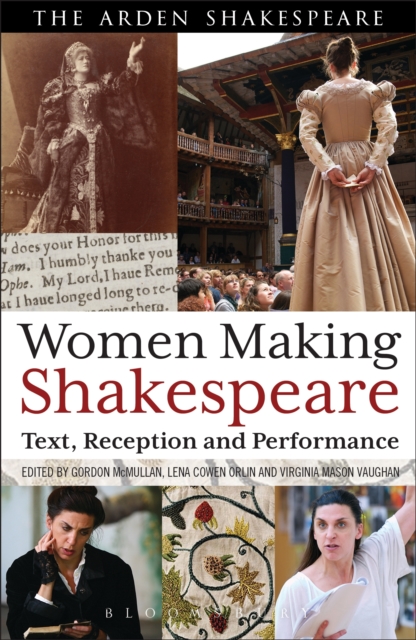
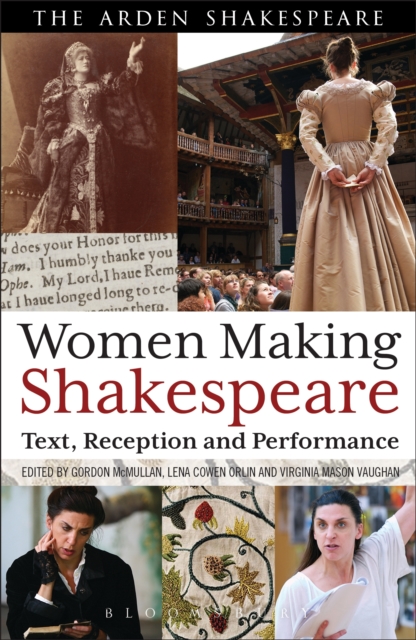
Women Making Shakespeare presents a series of 20-25 short essays that draw on a variety of resources, including interviews with directors, actors, and other performance practitioners, to explore the place (or constitutive absence) of women in the Shakespearean text and in the history of Shakespearean reception - the many ways women, working individually or in communities, have shaped and transformed the reception, performance, and teaching of Shakespeare from the 17th century to the present.
Women Making Shakespeare presents a series of 20-25 short essays that draw on a variety of resources, including interviews with directors, actors, and other performance practitioners, to explore the place (or constitutive absence) of women in the Shakespearean text and in the history of Shakespearean reception - the many ways women, working individually or in communities, have shaped and transformed the reception, performance, and teaching of Shakespeare from the 17th century to the present.
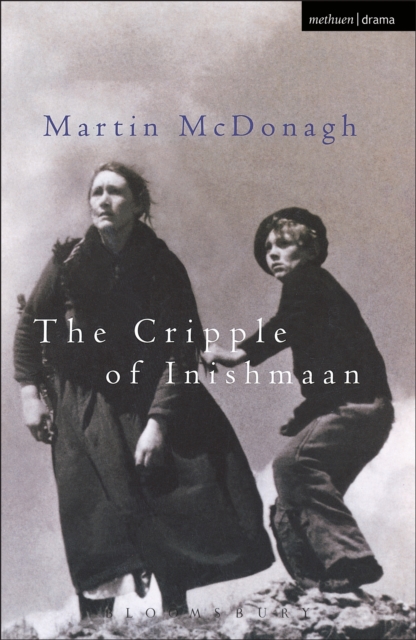
"Mr McDonagh is destined to be one of the theatrical luminaries of the 21st century" (The New Republic)
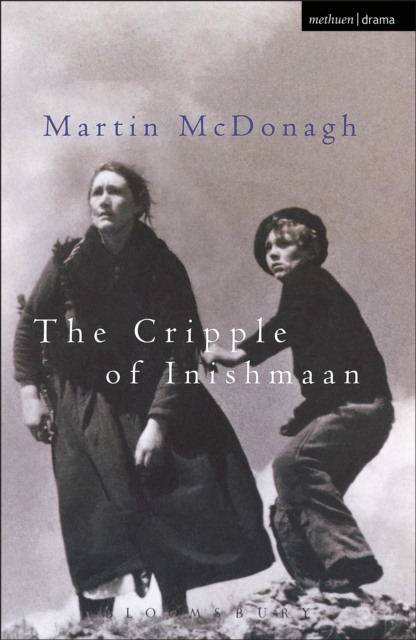
In 1934, the people of Inishmaan learn that the Hollywood director Robert Flaherty is coming to the neighbouring island to film his documentary Man of Aran.
"Mr McDonagh is destined to be one of the theatrical luminaries of the 21st century" (The New Republic)
In 1934, the people of Inishmaan learn that the Hollywood director Robert Flaherty is coming to the neighbouring island to film his documentary Man of Aran.
Great Shakespeareans offers a systematic account of those figures who have had the greatest influence on the interpretation, understanding and cultural reception of Shakespeare, both nationally and internationally.
Great Shakespeareans offers a systematic account of those figures who have had the greatest influence on the interpretation, understanding and cultural reception of Shakespeare, both nationally and internationally.
Great Shakespeareans offers a systematic account of those figures who have had the greatest influence on the interpretation, understanding and cultural reception of Shakespeare, both nationally and internationally.
Great Shakespeareans offers a systematic account of those figures who have had the greatest influence on the interpretation, understanding and cultural reception of Shakespeare, both nationally and internationally.
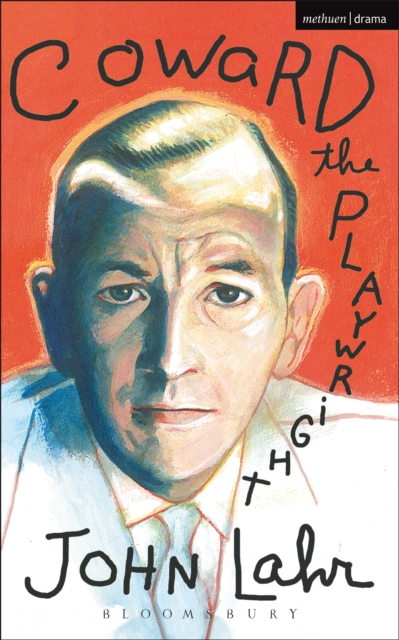
A reissue in hardback of critic John Lahr's famous 1982 study of Noël Coward's plays"Noël Coward," said Terence Rattigan, "is simply a phenomenon, and one that is unlikely to occur ever again in theatre history.