Reeve not only offers a close textual analysis of the drama from the aspect of separation but shows how Libussa and its author fit into the development of the history of ideas in nineteenth-century Europe.
Aristotle's Poetics combines a complete translation of the Poetics with a running commentary, printed on facing pages, that keeps the reader in continuous contact with the linguistic and critical subtleties of the original while highlighting crucial issues for students of literature and literary theory.
By imaginatively recreating the play's original staging and debunking the interpretations of various critics, including Aristotle, Ulrich von Wilamowitz-Moellendorff, E.
Reeve provides a detailed discussion of Klesel's importance in Ein Bruderzwist in Habsburg and examines possible predecessors for the Federfuchser: Wurm from Friedrich von Schiller's Kabale und Liebe, the Sekretar in Johann Wolfgang von Goethe's Die naturliche Tochter, and Leonhard in Friedrich Hebbel's Maria Magdalene.
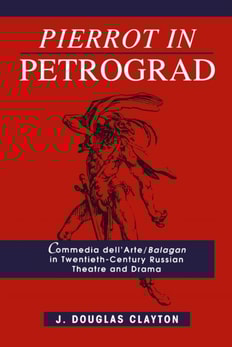
Douglas Clayton examines the tradition of commedia dell'arte as the Russian modernists inherited it, from its origins in Italian street theatre through its various transformations: in Italy (Gozzi and Goldini's plays); in France (the development of Pierrot and the restructuring of the plot); and in Germany (Tieck's and Hoffmann's metatheatre).
Since an account of every known staging would require several volumes, Kleist on Stage is limited to major productions in Germany, Austria, and Switzerland that attracted more than the usual press coverage, and to interpretations and adaptations outside the German-speaking countries.
For most of the seventeenth and eighteenth centuries, classical dogma and royal censorship worked together to prevent French plays from commenting on, or even worse, reenacting current political and judicial affairs.
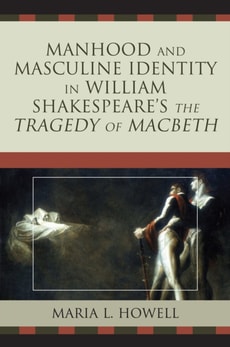
Maria Howell's, Manhood and Masculine Identity in William Shakespeare's The Tragedy of Macbeth, is an important and compelling scholarly work which seeks to examine the sixteenth century's greatest concern, echoed by Hamlet himself, "e;What is a man?
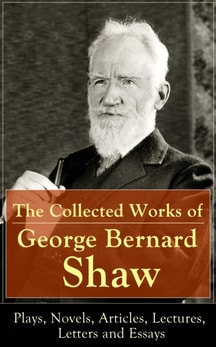
This carefully crafted ebook: "e;The Collected Works of George Bernard Shaw: Plays, Novels, Articles, Lectures, Letters and Essays"e; is formatted for your eReader with a functional and detailed table of contents.
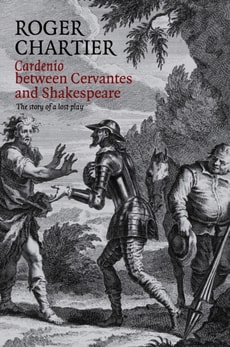
How should we read a text that does not exist, or present a play the manuscript of which is lost and the identity of whose author cannot be established for certain?
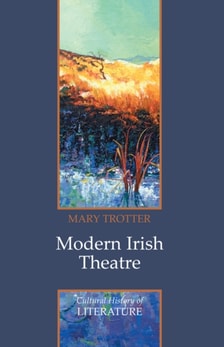
Analysing major Irish dramas and the artists and companies that performed them, Modern Irish Theatre provides an engaging and accessible introduction to twentieth-century Irish theatre: its origins, dominant themes, relationship to politics and culture, and influence on theatre movements around the world.
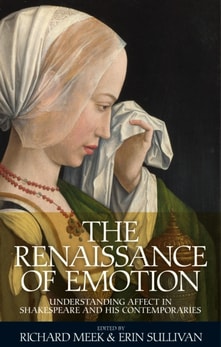
This collection of essays offers a major reassessment of the meaning and significance of emotional experience in the work of Shakespeare and his contemporaries.
This collection of essays offers a major reassessment of the meaning and significance of emotional experience in the work of Shakespeare and his contemporaries.
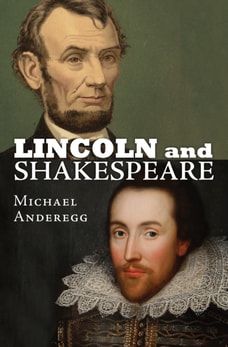
Winner: Lincoln Prize FinalistIt was the measure of Shakespeares poetic greatness, an early commentator remarked, that he thoroughly blended the ideal with the practical or realistic.
Le Malade imaginaire, cree le 10 fevrier 1673 au theatre du Palais-Royal, est la derniere piece de Moliere (1622-1673), celui-ci, par une tragique superposition de la realite et de la fiction, mourant juste apres la quatrieme representation, le 17 fevrier.
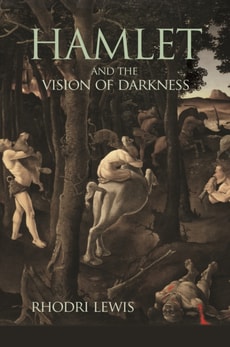
An acclaimed new interpretation of Shakespeare's HamletHamlet and the Vision of Darkness is a radical new interpretation of the most famous play in the English language.
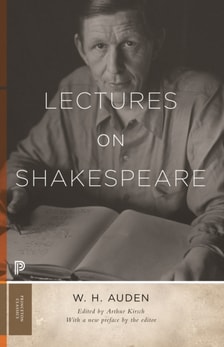
From one of the great modern writers, the acclaimed lectures in which he draws on a lifetime of experience to take the measure of Shakespeare's plays and sonnets "e;W.
Winner: Lincoln Prize FinalistIt was the measure of Shakespeares poetic greatness, an early commentator remarked, that he thoroughly blended the ideal with the practical or realistic.
This essay offers a radical view of the post-Renaissance, Western literary scene inasmuch as Rudolf Steiner's Anthroposophy bears a relation to it, principally through his Mystery Plays.
Recent interest in who Shakespeare's Muse may have been prompts one to come forthto dispel the drastically simplistic notions that have been brought forward.
As the third part of his trilogy on Shakespeare, Prospero's Powers extends the study of the late plays O'Meara offered in Othello's Sacrifice, to consider more closely how Shakespeare fulfills his personal artistic development in The Tempest.
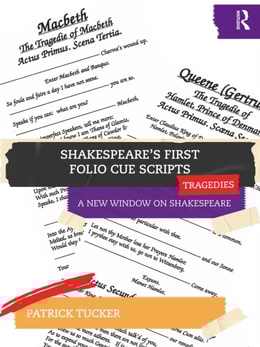
Opening up a new window to see Shakespeare's words in a different light and gathering his intentions in a simple, clear way, this book presents the Cue Scripts from the Tragedies in Shakespeare's First Folio.
Designed to meet the requirements for students at GCSE and A level, this accessible educational edition offers the complete text of The History Boys with a comprehensive study guide.
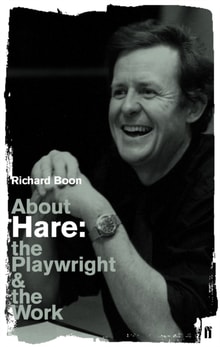
This series contains what no other study guides can offer - extensive first-hand interviews with the playwrights and their closest collaborators on all of their major work, put together by top academics especially for the modern student market.
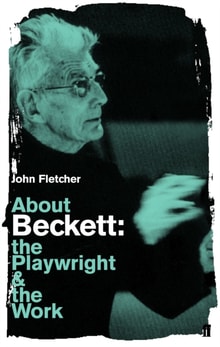
In About Beckett Emeritus Professor John Fletcher has compiled a thorough and accessible volume that explains why Beckett's work is so significant and enduring.
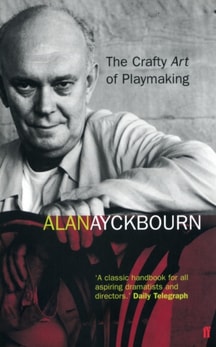
With over sixty plays written and premiered at the Stephen Joseph Theatre in Scarborough before going on to play in the West End or the Royal National Theatre, London, or Broadway, Alan Ayckbourn's expertise in writing and directing plays is unsurpassed.
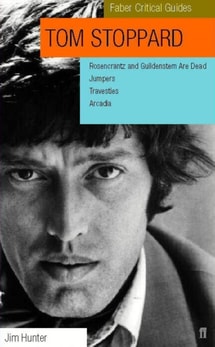
Tom Stoppard: Faber Critical Guide by Jim Hunter is the essential introduction, analysis and exploration of Tom Stoppard's enormously influential body of plays.