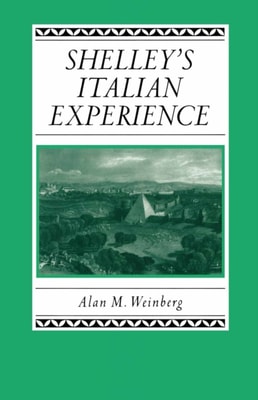
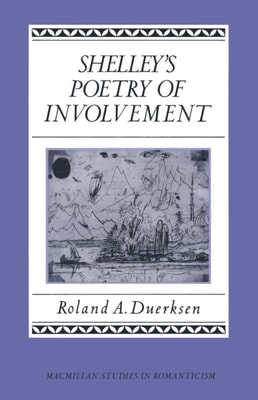
Focusing on Shelley's 'Italian experience', the present study both addresses itself to the living context which nurtured Shelley's creativity, and explores a neglected but essential component of his work.
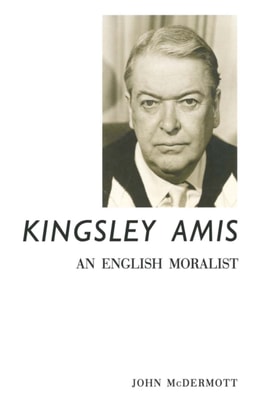
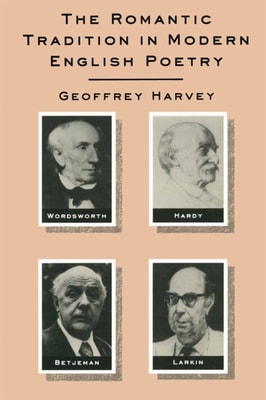
Following the recent publication of Philip Larkin's Collected Poems, this study draws on a previously unavailable range of work extending from 1938 to 1983.
A collection of essays and some related poems by almost 30 contemporary poets who have worked for years outside the "e;mainstream"e; of British publishing.
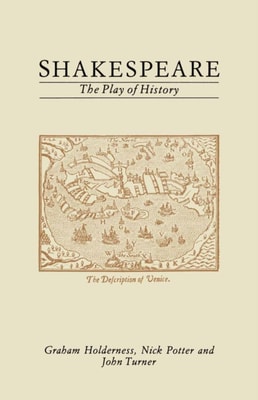
This book examines six plays by Shakespeare (Love's Labour's Lost, Hamlet, As You Like It, Twelfth Night, The Winter's Tale, and The Tempest) as dramatizations of the Renaissance court in its developing history - a history searched by Shakespeare to disclose its most characteristic gains and losses.
A study of Shelley's poetry, approaching it from the viewpoint of contemporary Jungian analytical psychology that incorporates the theories of Melanie Klein and D.
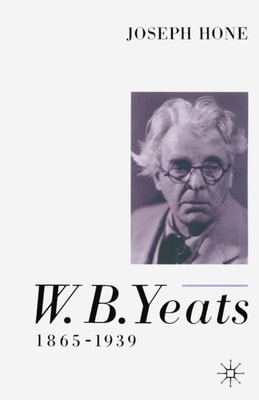
This is a biographical account of Yeats' life detailing his early family life, his schooldays, his London years, his rise to literary fame, his relationships and marriage, his Oxford period and his career in public life.
In 'Percy Bysshe Shelly: A Literary Life' , Michael O'Neill gives a knowledgeable and balanced account of Shelley's literary career from his earliest published work to his last unfinished masterpiece, The Triumph of Life .
A biographical and critical study of Tennyson aiming to show what went into the making of the man, exploring the power, subtlety and variety of his poems, along with the artistic principles and preoccupations which shaped his life's work.
Part of a series which follows the outline of writers' working lives, aiming to trace the professional, publishing and social contexts which shaped their writing.
The author explores the impact on poetic practice in the 1970s and 1980s of recent theoretical developments, offering a criticism of the work of Seamus Heaney and of poets including Michael Hofmann, reassessing life on Mars and providing retrospective surveys of Fleur Adcock and others.
Erasmus Darwin (1731-1802) had the highest reputation among living English poets during much of the 1790s, through the great success of his long poem in rhyming couplets, The Botanic Garden, published complete in 1792.