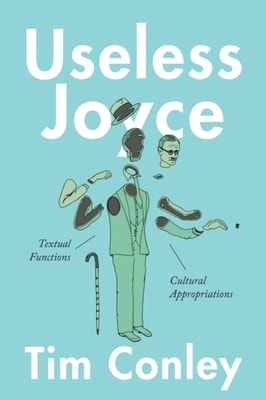
Tim Conley's Useless Joyce provocatively analyses Joyce's Ulysses and Finnegans Wake and takes the reader on a journey exploring the perennial question of the usefulness of literature and art.
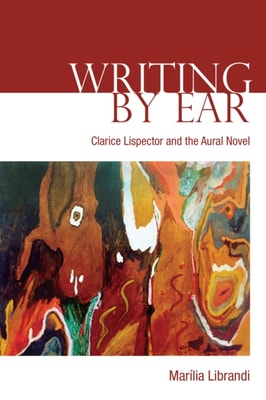
Considering Brazilian novelist Clarice Lispector's literature as a case study and a source of theory, Writing by Ear presents an aural theory of the novel based on readings of Near to the Wild Heart (1943), The Besieged City (1949), The Passion According to G.
Considering Brazilian novelist Clarice Lispector's literature as a case study and a source of theory, Writing by Ear presents an aural theory of the novel based on readings of Near to the Wild Heart (1943), The Besieged City (1949), The Passion According to G.
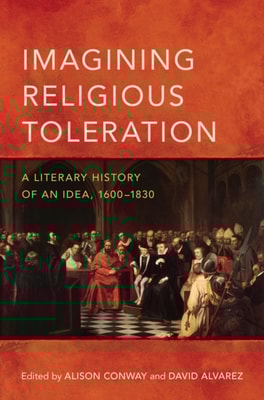
Formerly a site of study reserved for intellectual historians and political philosophers, scholarship on religious toleration, from the perspective of literary scholars, is fairly limited.
Formerly a site of study reserved for intellectual historians and political philosophers, scholarship on religious toleration, from the perspective of literary scholars, is fairly limited.
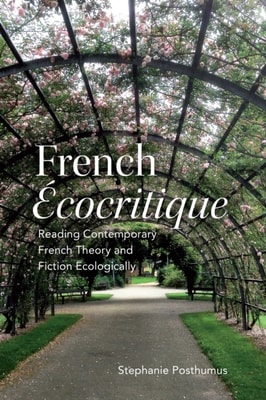
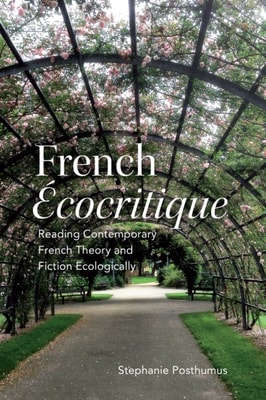
French Ecocritique is the first book-length study of the culturally specific ways in whicha contemporary French literature and theory raise questions about nature and environment.
French Ecocritique is the first book-length study of the culturally specific ways in whicha contemporary French literature and theory raise questions about nature and environment.
In Staging the Trials of Modernism, Dale Barleben explores the interactions among literature, cultural studies, and the law through detailed analyses of select British modern writers including Oscar Wilde, Joseph Conrad, Ford Madox Ford, and James Joyce.
Score One for the Dancing Girl presents more than a hundred stories from an early-nineteenth-century collection of yadam stories, the Kimun ch’onghwa (“Compendium of Records of Hearsay”).
This sequel to Harvey Goldman's well-received Max Weber and Thomas Mann continues his rich exploration of the political and cultural critiques embodied in the more mature writings of these two authors.
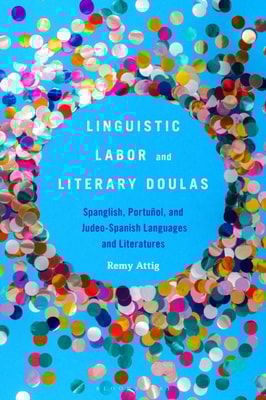
An examination of Spanglish, Portunol, and Judeo-Spanish literatures that builds on sociolinguistic understandings of the intersections of language, nation, and identity to develop the theoretical frameworks of "e;linguistic labor"e; and "e;literary doulas.
All problems likely to be encountered by anyone who intends to prepare a literary concordance are discussed on a practical level, although there is substantial examination of more advanced concording techniques which the computer makes it possible to adopt.
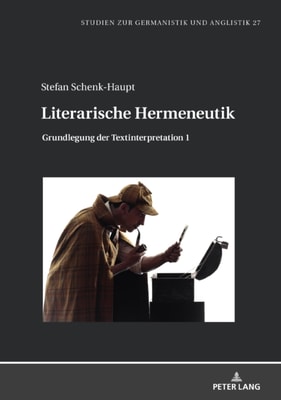
Die hier vorgelegte Studie begreift sich als Fortführung der Arbeiten an einer philologischen Hermeneutik des Textes, die 1977 abgebrochen wurden und hier zu einem Abschluß gebracht werden.
Global Literature and the Environment analyses literatures from across the world that connect readers to the localized impacts of the climate and ecological emergencies.
Since its publication in 2003, Understanding David Foster Wallace has served as an accessible introduction to the rich array of themes and formal innovations that have made Wallace's fiction so popular and influential.
In recent years, queer theory appears to have made a materialist turn away from questions of representation and performativity to those of dispossession, precarity, and the differential distribution of life chances.
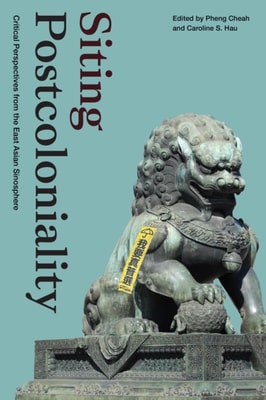
The contributors to Siting Postcoloniality reevaluate the notion of the postcolonial by focusing on the Sinosphere-the region of East and Southeast Asia that has been significantly shaped by relations with China throughout history.
In Breathing Aesthetics Jean-Thomas Tremblay argues that difficult breathing indexes the uneven distribution of risk in a contemporary era marked by the increasing contamination, weaponization, and monetization of air.
Long awaited after No Future, and making queer theory controversial again, Lee Edelman's Bad Education proposes a queerness without positive identity-a queerness understood as a figural name for the void, itself unnamable, around which the social order takes shape.
In The Deconstruction of Sex, Jean-Luc Nancy and Irving Goh discuss how a deconstructive approach to sex helps us negotiate discourses about sex and foster a better understanding of how sex complicates our everyday existence in the age of #MeToo.
The magnitude of the legal violence exercised by the French to colonize and occupy Algeria (1830-1962) is such that only aesthetic works have been able to register its enduring effects.
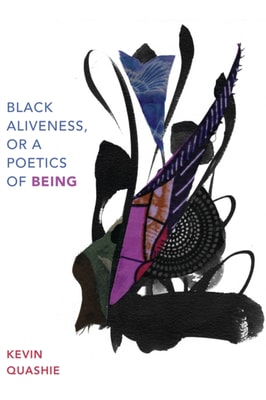
In Black Aliveness, or A Poetics of Being, Kevin Quashie imagines a Black world in which one encounters Black being as it is rather than only as it exists in the shadow of anti-Black violence.
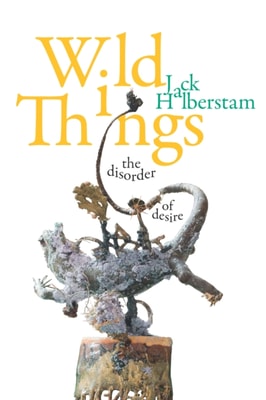
In Wild Things Jack Halberstam offers an alternative history of sexuality by tracing the ways in which wildness has been associated with queerness and queer bodies throughout the twentieth century.
In Inter-imperiality Laura Doyle theorizes the co-emergence of empires, institutions, language regimes, stratified economies, and literary cultures over the longue duree.
In Sensory Experiments, Erica Fretwell excavates the nineteenth-century science of psychophysics and its theorizations of sensation to examine the cultural and aesthetic landscape of feeling in nineteenth-century America.
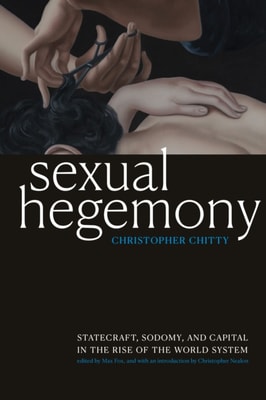
In Sexual Hegemony Christopher Chitty traces the five-hundred year history of capitalist sexual relations by excavating the class dynamics of the bourgeoisie's attempts to regulate homosexuality.
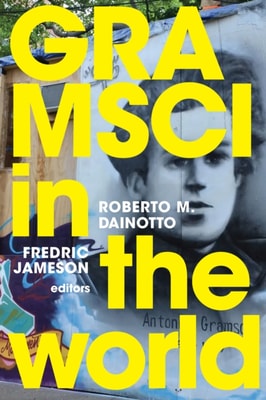
Antonio Gramsci's Prison Notebooks have offered concepts, categories, and political solutions that have been applied in a variety of social and political contexts, from postwar Italy to the insurgencies of the Arab Spring.
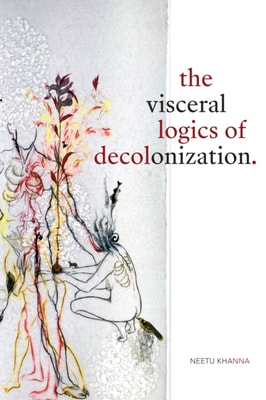
In The Visceral Logics of Decolonization Neetu Khanna rethinks the project of decolonization by exploring a knotted set of relations between embodied experience and political feeling that she conceptualizes as the visceral.
In Animate Literacies Nathan Snaza proposes a new theory of literature and literacy in which he outlines how literacy is both constitutive of the social and used as a means to define the human.
Over the course of her long career, Eve Kosofsky Sedgwick became one of the most important voices in queer theory, and her calls for reparative criticism and reading practices grounded in affect and performance have transformed understandings of affect, intimacy, politics, and identity.