Consuming Visions explores the relationship between cinema and writing in early twentieth-century Brazil, focusing on how the new and foreign medium of film was consumed by a literary society in the throes of modernization.
One of the blackest comedies ever written, Ben Jonson's Volpone is the masterpiece of a playwright all too frequently dismissed for being unnecessarily dark and academic.
This short textbook provides an introduction to queer theory, exploring its key genealogies and terms as well as its application across various academic disciplines and to contemporary life more generally.
Shortlist--2023 Oscar Kenshur Book PrizeWinner--2022 Walker Cowen Memorial Prize Nineteenth-century European representations of Africa are notorious for depicting the continent with a blank interior.
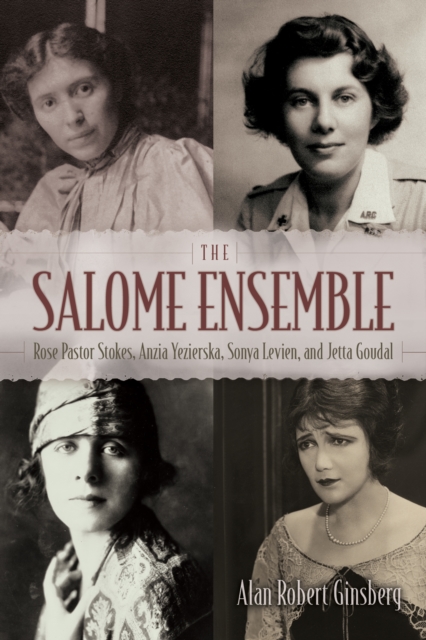
The Salome Ensemble probes the entangled lives, works, and passions of a political activist, a novelist, a screenwriter, and a movie actress who collaborated in 1920s New York City.
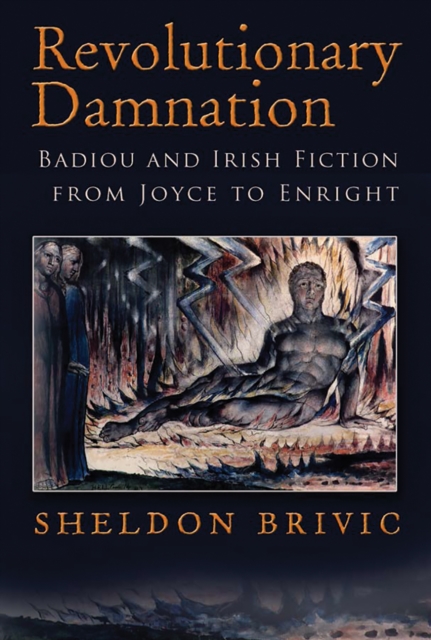
In Irish fiction, the most famous example of the embrace of damnation in order to gain freedom-politically, religiously, and creatively-is Joyce's Stephen Dedalus.
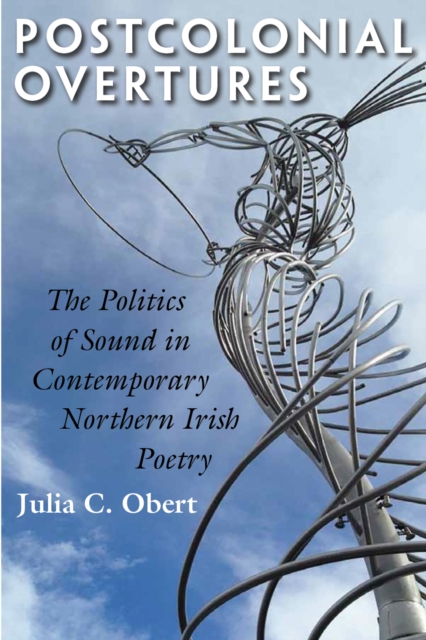
Postcolonial Overtures explores the importance of sound in contemporary Northern Irish writing, focusing on the work of three canonical poets: Ciaran Carson, Derek Mahon, and Paul Muldoon.
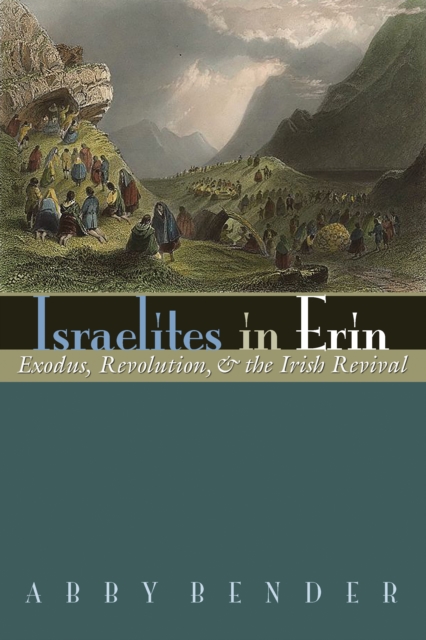
From the late nineteenth century through the early twentieth century, the story of the Israelites' liberation from bondage in Egypt served as the archetypal narrative for the birth of the Irish nation.
First serialized in the journal "e;The Dark Blue"e; and published shortly thereafter in the short story collection In a Glass Darkly, Le Fanu's 1872 vampire tale is in many ways the overlooked older sister of Bram Stoker's more acclaimed Dracula.
In Arabs and the Art of Storytelling, the eminent Moroccan literary historian and critic Kilito revisits and reassesses, in a modern critical light, many traditional narratives of the Arab world.
Unlike most other ancient European, Near Eastern, and Mediterranean civilizations, Jewish culture surprisingly developed no early epic tradition: while the Bible comprises a broad range of literary genres, epic is not among them.
In the fourth and final volume of the Memory Ireland series, Frawley and O'Callaghan explore the manifestations and values of cultural memory in Joyce's Ireland, both real and imagined.
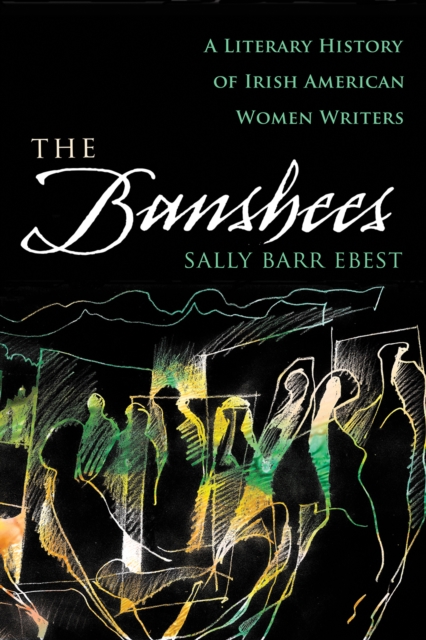
Although much has been written about American feminism and its influence on culture and society, very little has been recorded about the key role played by Irish American women writers in exposing women's issues, protecting their rights, and anticipating, if not effecting, change.
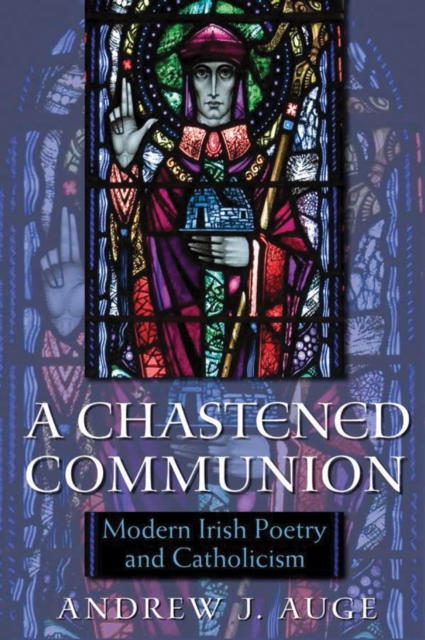
A Chastened Communion traces a new path through the well-traversed field of modern Irish poetry by revealing how critical engagement with Catholicism shapes the trajectory of the poetic careers of Austin Clarke, Patrick Kavanagh, John Montague, Seamus Heaney, Eilean Ni Chuilleanain, Paul Durcan, and Paula Meehan.
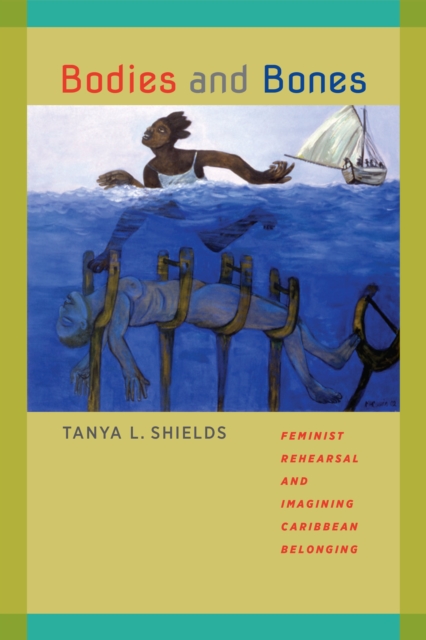
In Bodies and Bones, Tanya Shields argues that a repeated engagement with the Caribbean's iconic and historic touchstones offers a new sense of (inter)national belonging that brings an alternative and dynamic vision to the gendered legacy of brutality against black bodies, flesh, and bone.
From the hard-boiled detective stories of Dashiell Hammett to the novels of Claude McKay, The Word on the Streets examines a group of writers whose experimentation with the vernacular argues for a rethinking of American modernism-one that cuts across traditional boundaries of class, race, and ethnicity.
Supposing "e;Bleak House"e; is an extended meditation on what many consider to be Dickens's and nineteenth-century England's greatest work of narrative fiction.
In Building Natures, Julia Daniel establishes the influence of landscape architecture, city planning, and parks management on American poetry to show how modernists engaged with the green worlds and social playgrounds created by these new professions in the early twentieth century.
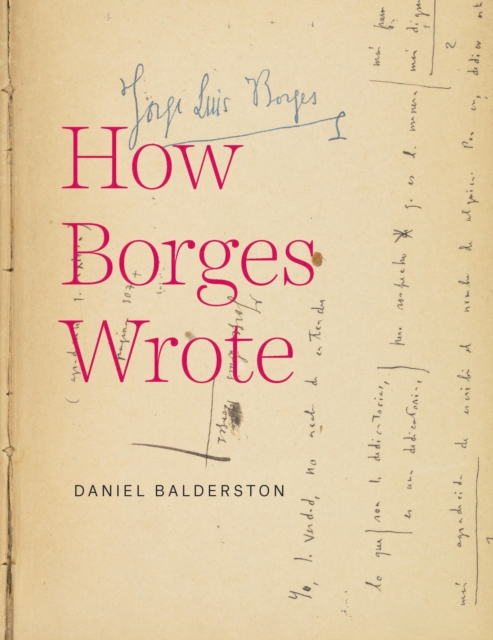
A distinguished poet and essayist and one of the finest writers of short stories in world letters, Jorge Luis Borges deliberately and regularly altered his work by extensive revision.
In East-West Exchange and Late Modernism, Zhaoming Qian examines the nature and extent of Asian influence on some of the literary masterpieces of Western late modernism.
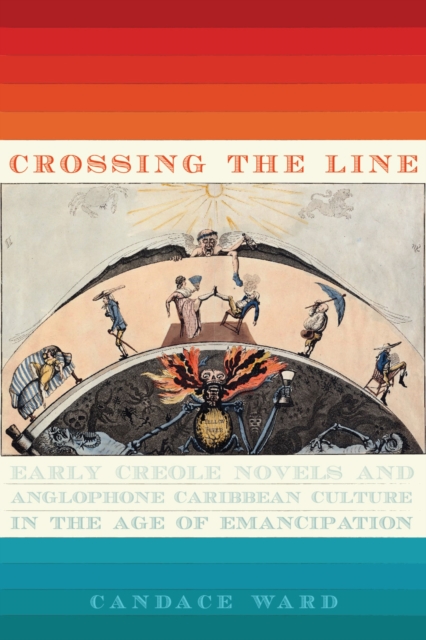
Crossing the Line examines a group of early nineteenth-century novels by white creoles, writers whose identities and perspectives were shaped by their experiences in Britain's Caribbean colonies.
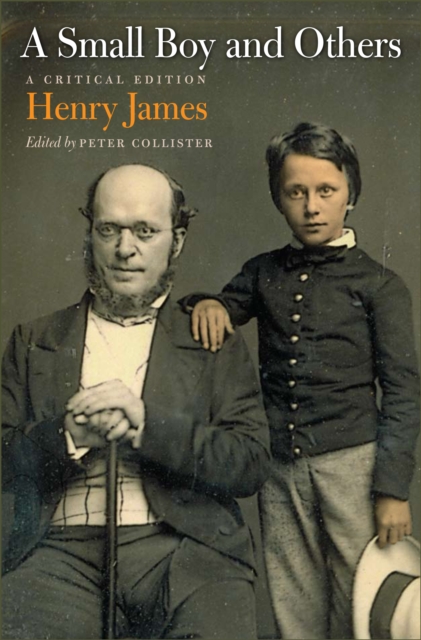
Henry James was the final survivor of a remarkable family, and his memoir, written at the end of a long and tireless career, was prompted initially by the death of his "e;ideal Elder Brother,"e; the psychologist and philosopher William James.
From Homer to Tim O'Brien, war literature remains largely the domain of male writers, and traditional narratives imply that the burdens of war are carried by men.
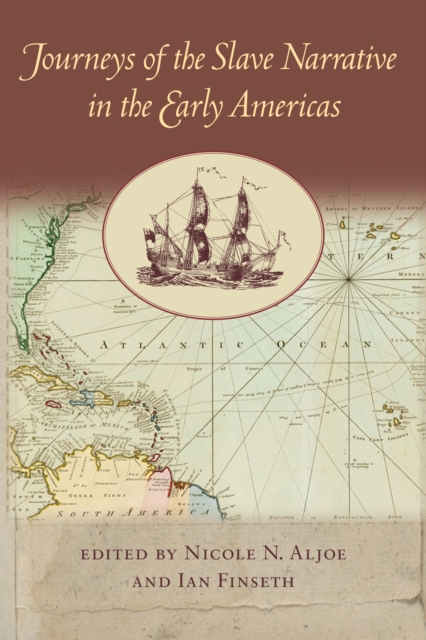
Focusing on slave narratives from the Atlantic world of the eighteenth and early nineteenth centuries, this interdisciplinary collection of essays suggests the importance-even the necessity-of looking beyond the iconic and ubiquitous works of Olaudah Equiano, Frederick Douglass, and Harriet Jacobs.
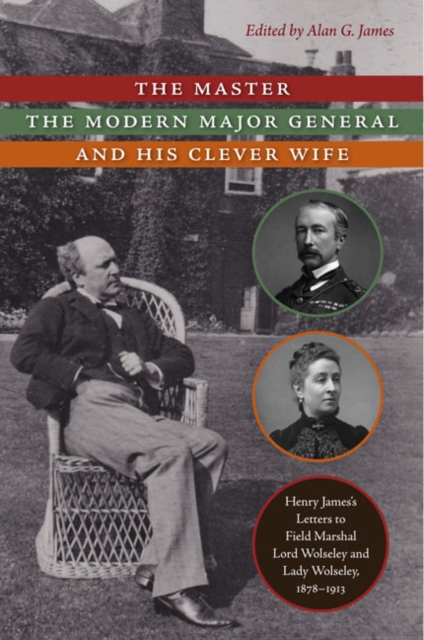
As his letters attest, for nearly forty years Henry James enjoyed a warm and gratifying friendship with Britain's foremost soldier of the last quarter of the nineteenth century and his wife.
Heralding a new period of creativity, In the Wake of the Poetic explores the aesthetics and politics of Palestinian cultural expression in the last two decades.
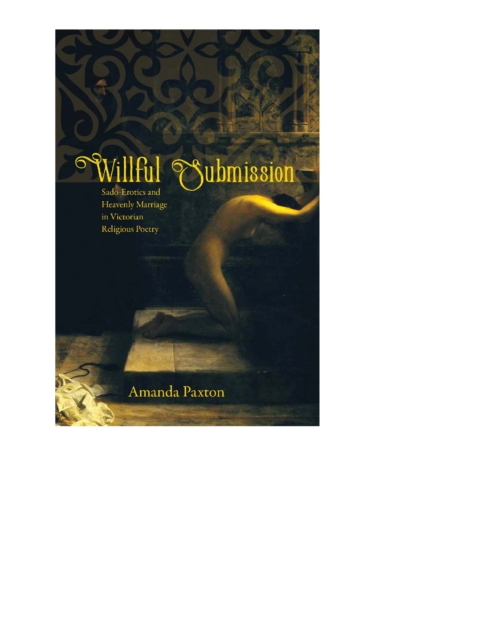
Victorian England: a Jesuit priest writes of wrestling with God at night, limbs entangled; an Anglican sister begs Jesus, her divine lover, to end her aching anticipation of their union; a clergyman exhorts nuns to study the example of medieval women who suffered on the rack in order to become "e;brides"e; of Christ.
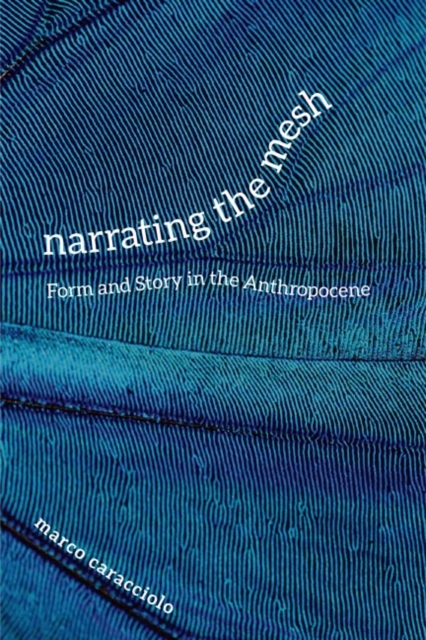
A hierarchical model of human societies' relations with the natural world is at the root of today's climate crisis; Narrating the Mesh contends that narrative form is instrumental in countering this ideology.
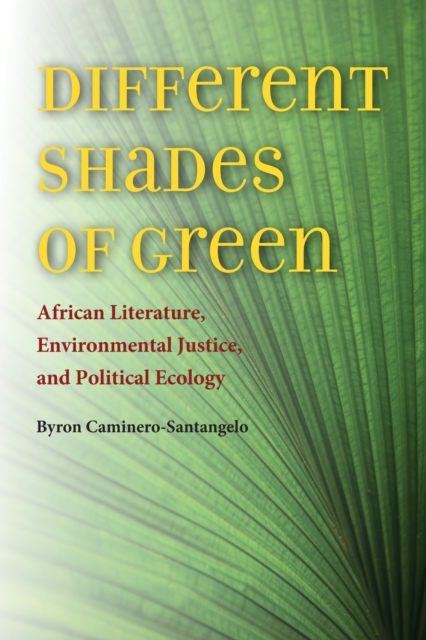
Engaging important discussions about social conflict, environmental change, and imperialism in Africa, Different Shades of Green points to legacies of African environmental writing, often neglected as a result of critical perspectives shaped by dominant Western conceptions of nature and environmentalism.
The calamitous impacts of climate change that are beginning to be felt around the world today expose the inextricability of human and natural histories.
In Staging Creolization, Emily Sahakian examines seven plays by Ina Cesaire, Maryse Conde, Gerty Dambury, and Simone Schwarz-Bart that premiered in the French Caribbean or in France in the 1980s and 1990s and soon thereafter traveled to the United States.
The simple act of inscription, both minute and epic, can be a powerful tool to bear witness and give voice to those who are oppressed, silenced, and forgotten.
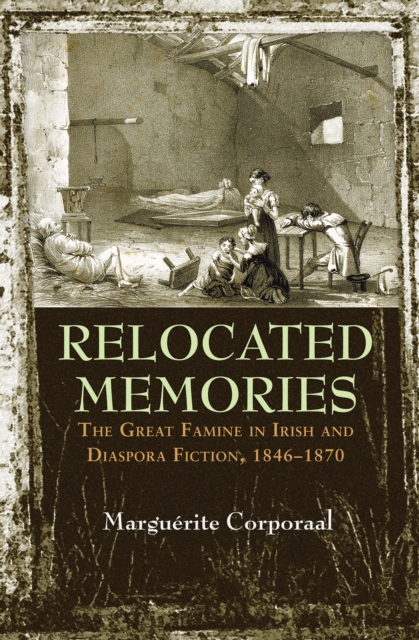
The Great Famine radically transformed Ireland; nearly one million people of the rural countryside died, and the eviction of farmers led to massive emigration.