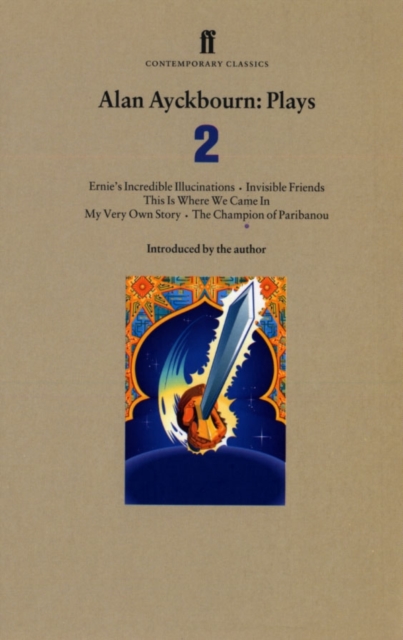
A treat to read and a joy to perform, this second collection of Alan Ayckbourn's work is a cornucopia of some of his wonderfully inventive children's plays.
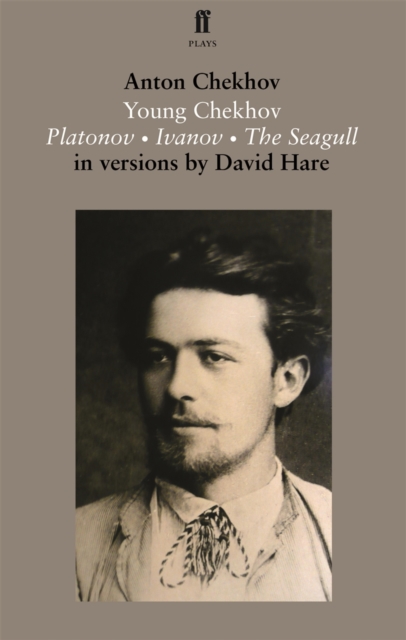
Young Chekhov contains a trilogy of plays by the Russian writer Anton Chekhov, written as he emerged as the greatest playwright of the late nineteenth century.
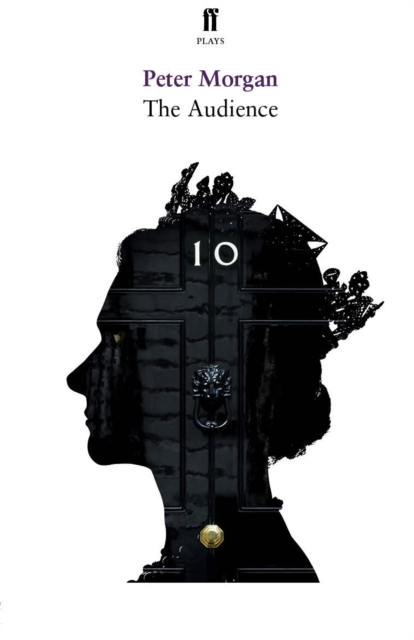
For sixty years Elizabeth II has met each of her twelve prime ministers in a weekly audience at Buckingham Palace, a meeting like no other in British public life.
The Absence of War offers a meditation on the classic problems of leadership, and is the third part of a critically acclaimed trilogy of plays (Racing Demon, Murmuring Judges) about British institutions.
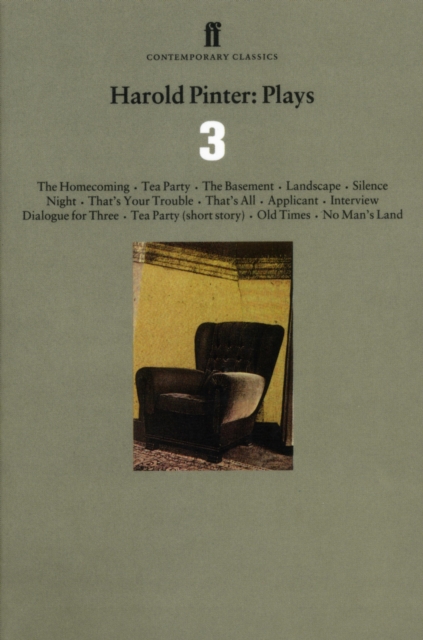
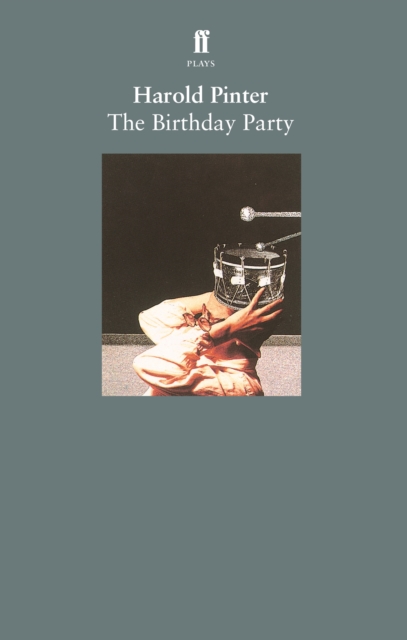
This revised third volume of Harold Pinter's work includes The Homecoming, Old Times, No Man's Land, four shorter plays, six revue sketches and a short story.
Originally written in French and translated into English by Beckett, Endgame was given its first London performance at the Royal Court Theatre in 1957.
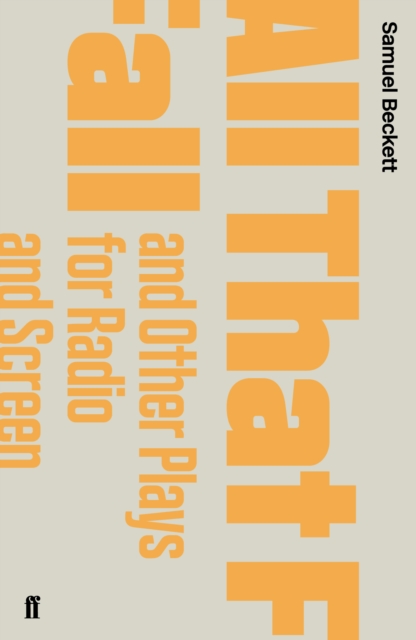
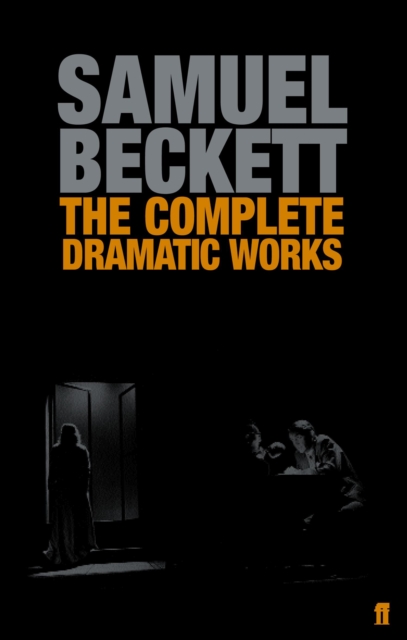
This new edition brings together all of Beckett's dramatic writings for radio, television and film, offering works which range from eloquent comic naturalism to an eviscerated and pared-down symbolism.
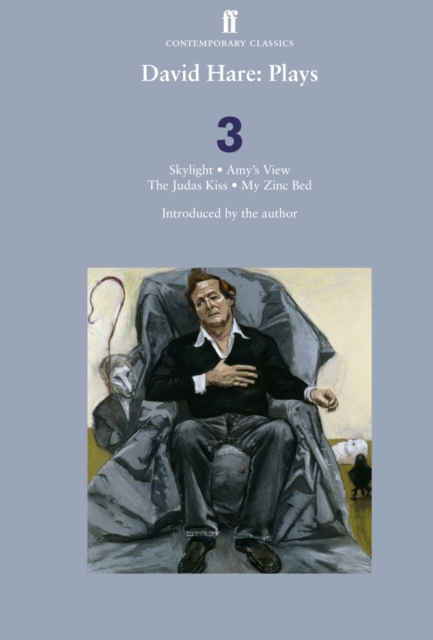
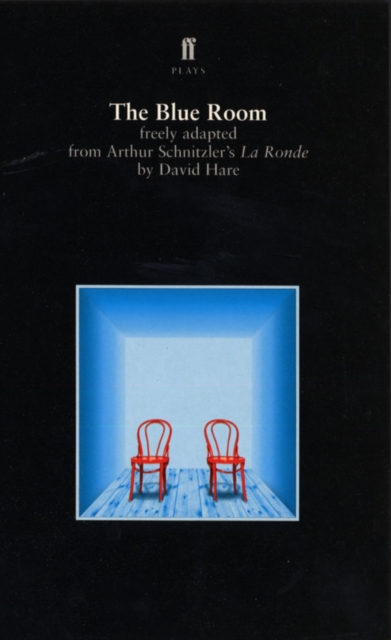
This is a new collection of some of David Hare's finest work, including Skylight (Winner of the Laurence Olivier Award for Best New Play, 1996), Amy's View, The Judas Kiss and My Zinc Bed.
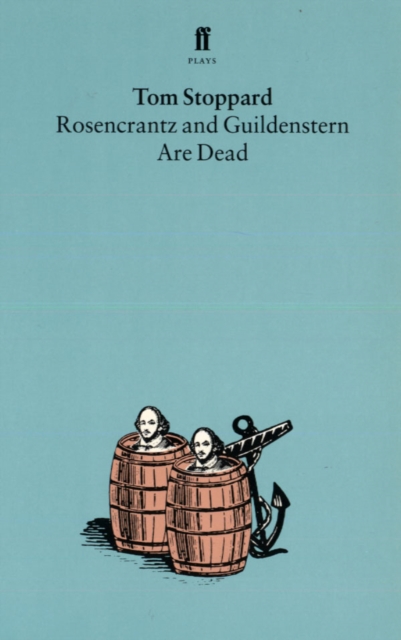
Rosencrantz and Guildenstern Are Dead is a play which, as it were, takes place in the wings of Hamlet, and finds both humour and poignancy in the situation of the ill-fated attendant lords.
This first volume of David Hare's plays contains his work from the 1970s, including his landmark play of that decade, Plenty, charting the development of 'one of the great post-war British playwrights' (Independent on Sunday).
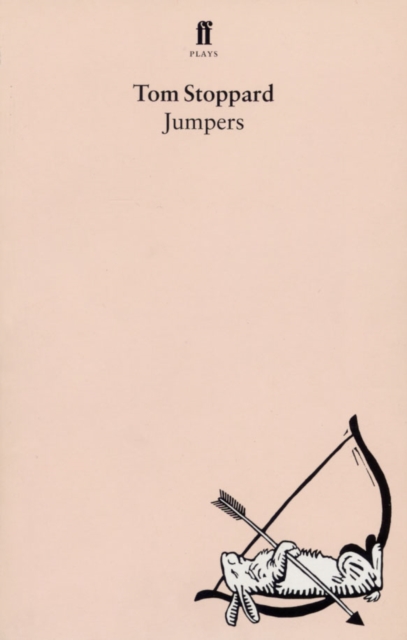
The Incredible Radical Liberal Jumpers are a team of acrobatic professors of philosophy, whose absurd gymnastic displays reflect a bewildering world where logic has confounded belief in moral absolutes.
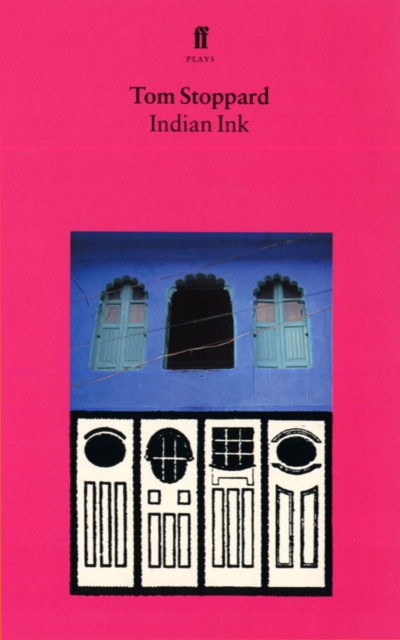
Stoppard's rich and moving meditation on art and love, set against one of the great shifts of history, as India regained its independence from the grip of the British Empire.
This revised third volume of Harold Pinter's work includes The Homecoming, Old Times, No Man's Land, four shorter plays, six revue sketches and a short story.
This first collection by Frank McGuinness contains plays from the 1980s, including his major work of that decade, Observe the Sons of Ulster Marching Towards the Somme, a powerful and profoundly moving study of a group of Ulster Protestant volunteers in the Great War.
One of the masterpieces of Ireland's greatest living playwright, Faith Healer weaves together the stories of a travelling healer, his wife and his manager.
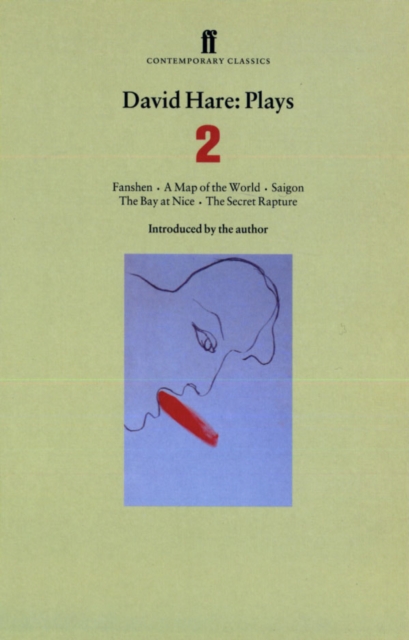
This second volume of plays by David Hare contains work from the 1970s and 1980s which confirmed him as one of the major contemporary playwrights in the English language.
'Obviously something more than a successful play, it is the practical demonstration of a patently conceived theory of dramatic form, and as such of high historical interest.
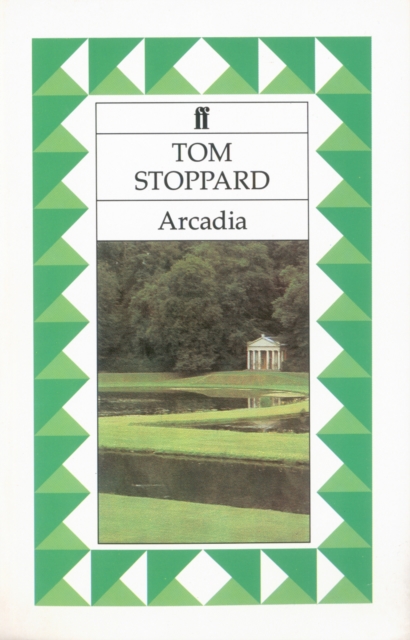
In one of our greatest contemporary plays, set in two distinct centuries, Tom Stoppard explores the nature of truth, time, sex and attraction with absorbing and tragic humour.