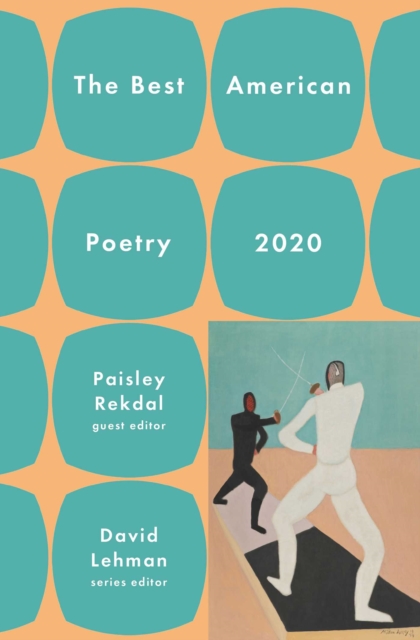
The 2020 edition of contemporary American poetry returns, guest edited by Paisley Rekdal, the award-winning poet and author of Nightingale, proving that this is ';a ';best' anthology that really lives up to its title' (Chicago Tribune).
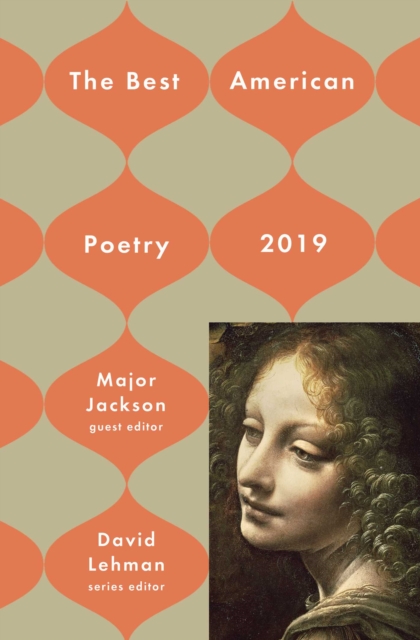
The 2019 edition of The Best American Poetry';one of the mainstays of the poetry publication world' (Academy of American Poets)now guest edited by Major Jackson, award-winning poet and poetry editor of the Harvard Review.
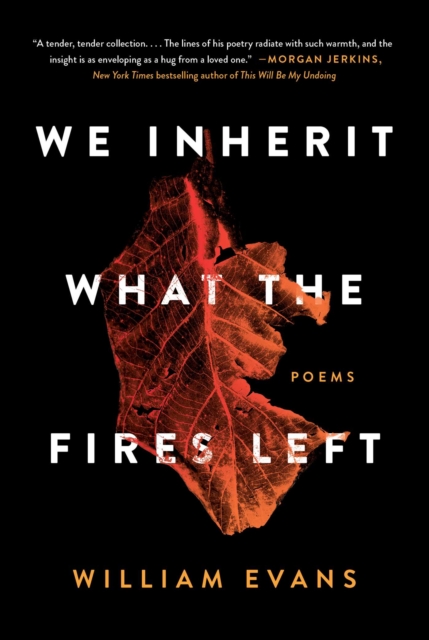
William Evans, the award-winning poet and cofounder of the popular culture website Black Nerd Problems, offers an emotionally vulnerable poetry collection exploring the themes of inheritances, dreams, and injuries that are passed down from one generation to the next and delving into the lived experience of a black man in the American suburbs today.
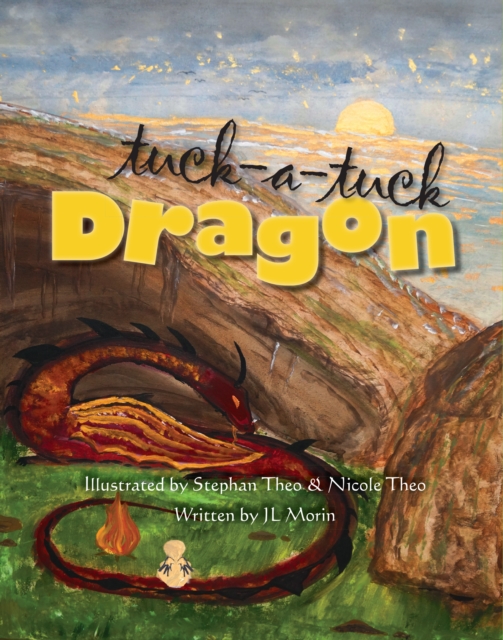
Delightful dragons lead the way through this diverse, rhyming children's book to overcome childhood fearsAudio, ebook and hardback formats bring to life the soothing tale of an outcast dragon who overcomes childhood fears, bravely lulling a pair of scary babies to sleep with his magical sand.
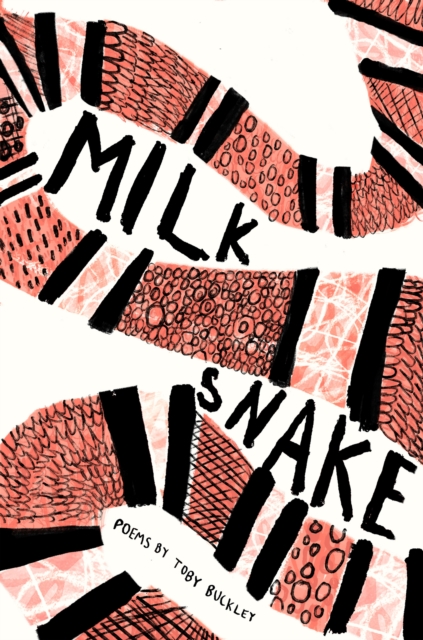
In Milk Snake, Toby Buckley invites us to look at the world from a slightly different angle, where small things become unsettling if you look closely enough.
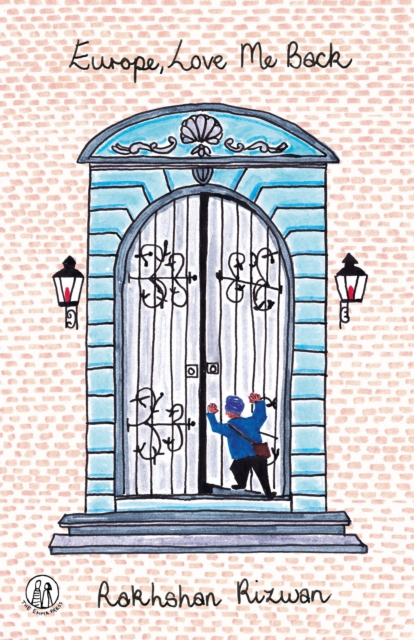
Europe, Love Me Back is a collection of relentlessly questing, sharply satirical poems about the continent, and the poet's fraught relationship with it.
Stranger in the Mask of a Deer conjures an elemental, dreamlike narrative ranging from the present to the Late-Upper Palaeolithic, when the British peninsula was gradually reoccupied by humans and animals returning from the greater continent after the Ice Age.
Winner of the Forward Prize for Best Collection 2021Longlisted for the Rathbones folio prizeA Poetry Book society RecommendationLuke Kennard recasts Shakespeare's 154 sonnets as a series of anarchic prose poems set in the same joyless house party.
*SHORTLISTED FOR THE 2021 FORWARD PRIZE FOR BEST SINGLE POEM*From the mercurial mind of award-winning poet John McCullough comes his darkest and most experimental book to date.
On a wasted island in perpetual sun, the Father practices magic, laments his lost kingdom and commands a ragtag army of three: the passionate and damaged Daughter, the winged Spirit and an indigenous being known only as C.
Jeremy Dixon's first full poetry collection A Voice Coming From Then starts from his teenage suicide attempt and expands to encompass themes of bullying, queerphobia, acceptance and support.
There is a double meaning in the title to this debut collection from Jane Aldous - Jinn was her family nickname, and writing poetry feels like letting out her wild, mischievous spirit.
There is (still) love here, the compelling new collection of poetry by Dean Atta, is a personal and powerful exploration of relationships, love and loss, encompassing LGBTQ+ and Black history, Greek Cypriot heritage, pride and identity, dislocation and belonging.