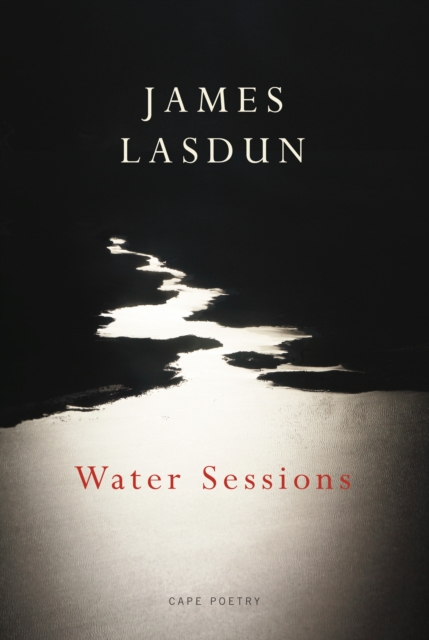
James Lasdun's new book of poems, his first since his acclaimed collection Landscape with Chainsaw, applies his characteristic blend of the celebratory and the elegiac to a rich variety of new themes and old obsessions.
Paul Durcan's twenty-second collection finds Monsieur le Po te on the road in Paris, New York City, Chicago, Brisbane, and Achill Island, meditating upon the sanctuary of home and what it means to feel truly at home.
The long poem at the centre of John Hartley Williams' new collection is a dramatic monologue narrated by a laconic, possibly lamed, forest dweller, a lowly crewmember on a barge travelling an unnamed waterway.
From memories of childhood and personal loss to the quiet celebration of a lover's navigational skills, from meditations on nature and sexuality to the fantasy world of aquarium fish, the poems in A NORMAL SKIN cover a wide range: lyrical in tone, and highly visual, they express once again the poet's sense of wonder at the world, while exploring some new preoccupations, including love and identity the tension between masking and self-revelation, and the writer's pleasure at returning to Scotland after a long absense.
Raymond Carver, who became a master-storyteller of his generation and was hailed in Europe as 'the American Chekhov', wrote of himself: "e;I began as a poet.
Here is the distinctly surreal world of Henry King, who perished through his 'chief defect' of chewing little bits of string; of dishonest Matilda whose dreadful lies led her to death by burning; and of Godolphin Horne who 'held the human race in scorn' and ended as the boy 'who blacks the boots at the Savoy'.
With an introduction by Helen DunmoreCome for a walk down the river road,For though you're all a long time deadThe waters part to let us passThe way we'd go on summer nightsIn the times we were childrenAnd thought we were lovers.
Each poem in Sean O'Brien's superb new collection opens on a wholly different room, vista or landscape, each drawn with the poet's increasingly refined sense of tone, history and rhetorical assurance.
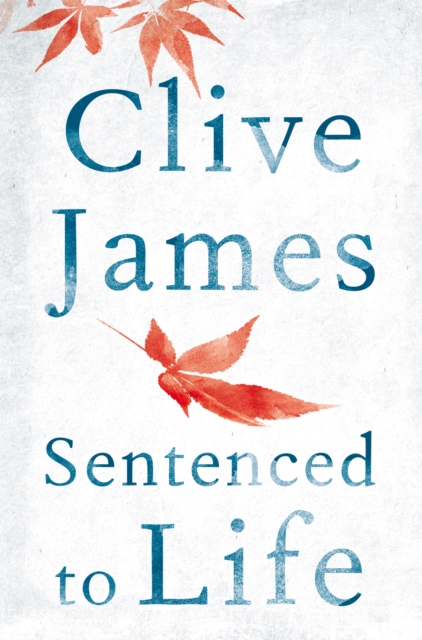
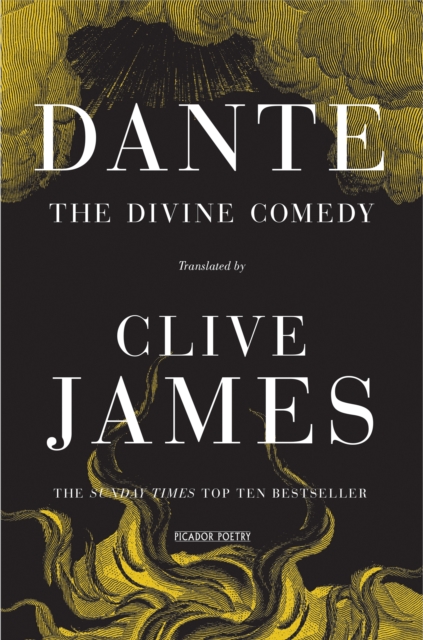
Collecting poetry written in the years 2011-2014, Sentenced to Life sees Clive James look back over his extraordinarily rich life with a clear-eyed and unflinching honesty.
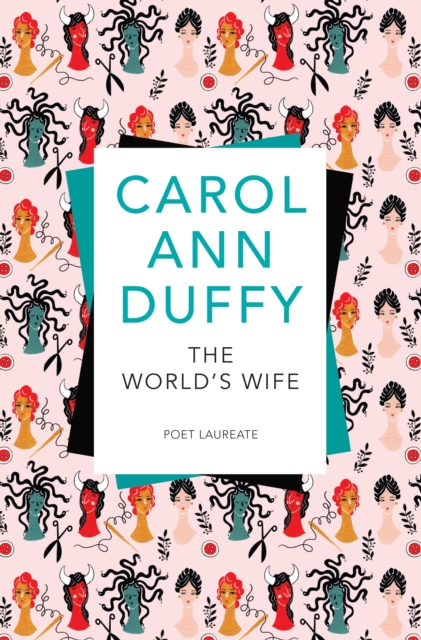
This unique collection of poems from the Poet Laureate, filled with her characteristic wit, is a feminist classic and a modern take on age-old mythology.
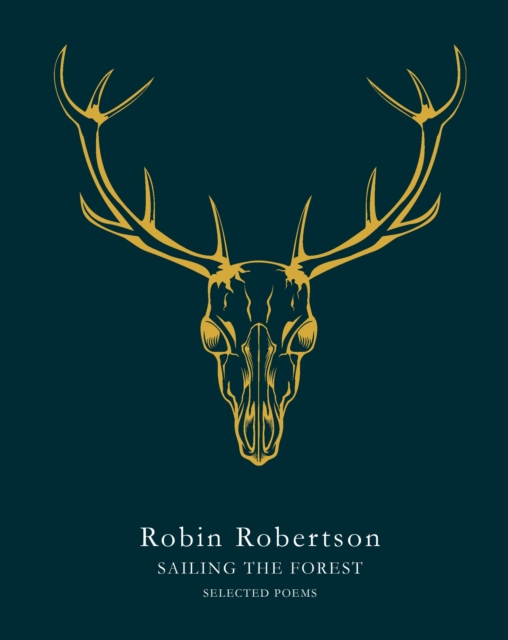
Sailing the Forest, Robin Robertson's Selected Poems, is the definitive guide to one of the most important poetic voices to have emerged from the UK in the last twenty-five years.
Frances Leviston's first collection, Public Dream, was one of the most acclaimed debuts of recent years, and praised for combining 'technical mastery with a lucidity that verges on the hypnotic' (Independent).
Furniture, Lorraine Mariner's debut collection, was shortlisted for both the Forward Prize for Best First Collection and the Seamus Heaney Centre Poetry Prize.
After the success of Grain (shortlisted for the Griffin Poetry Prize, poetry's most prestigious international award) John Glenday returns with The Golden Mean.
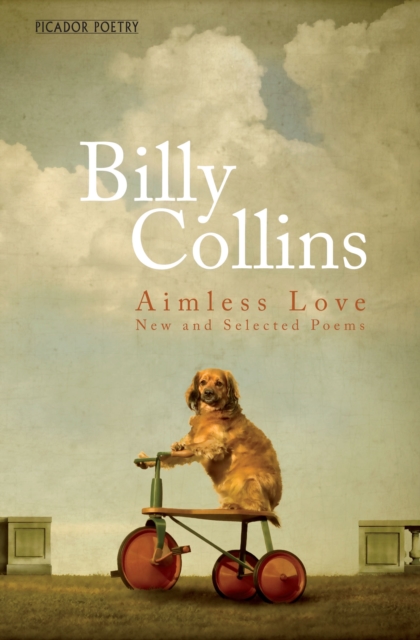
Aimless Love is Billy Collins' first compilation of poems in twelve years, and a wonderful successor to his first, the bestselling Taking Off Emily Dickinson's Clothes.
Kae Tempest is one of the most exciting and innovative performers to have emerged in spoken-word poetry in many years; their dramatic poem Brand New Ancients won the prestigious Ted Hughes Prize for innovation in poetry.
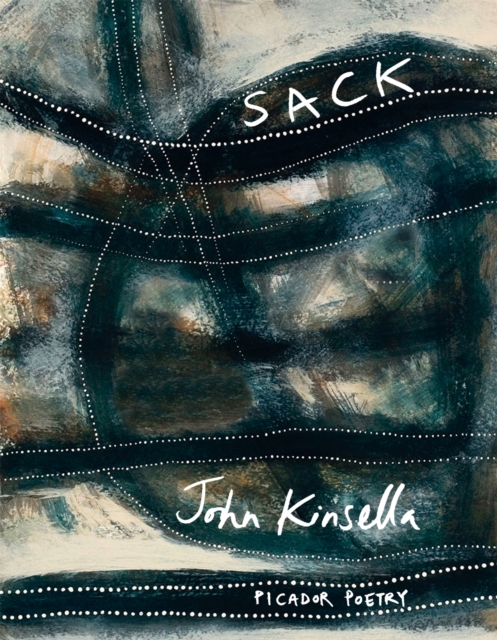
In John Kinsella's new collection, 'Sack' not only refers not only to the shocking title poem, where a tied, writhing sack is seen flung from a car into gully - but also to the sacking and exploitation of the landscape and those who labour on it.
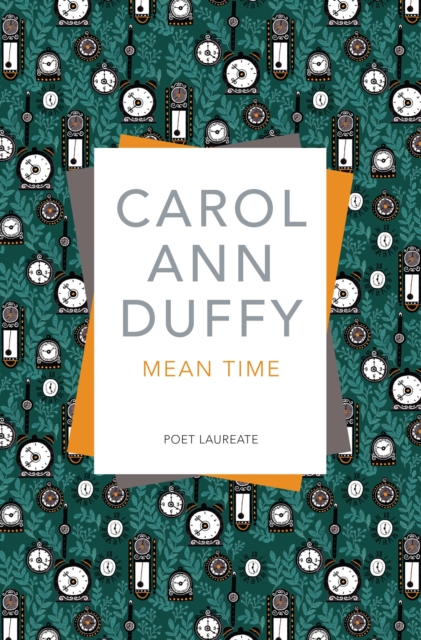
In her prize-winning fourth collection, Mean Time, Poet Laureate Carol Ann Duffy dramatizes scenes from childhood, adolescence and adulthood, finding moments of grace or consolation in memory, love and language amid the complexities of life.
Rachael Boast's first collection, Sidereal, was one of the most highly regarded debuts of recent years, winning the Forward Prize for Best First Collection and the Seamus Heaney Centre for Poetry Prize.
Pluto - the non-planet, the ex-planet - is the dominant celestial influence in Glyn Maxwell's new collection: Pluto is a book about change, the before-and-after of love, the aftermath of loss: change of status and station, home and place, of tense and pronoun.
Charged with strangeness and beauty, Hill of Doors is a haunted and haunting book, where each successive poem seems a shape conjured from the shadows, and where the uncanny is made physically present.
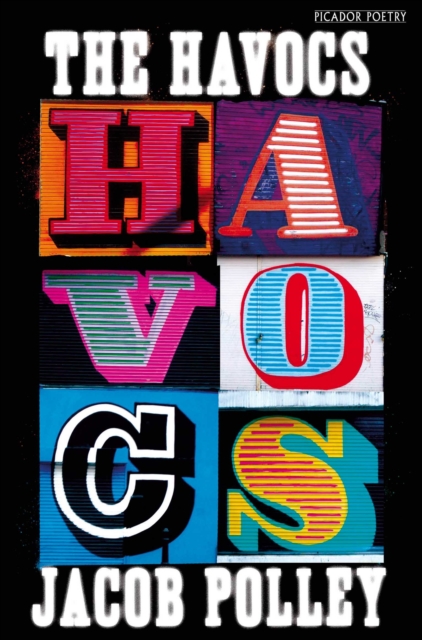
Little Gods established Jacob Polley as one of the leading talents of the younger generation; his third collection sees him extend that gift in often wholly unexpected directions.
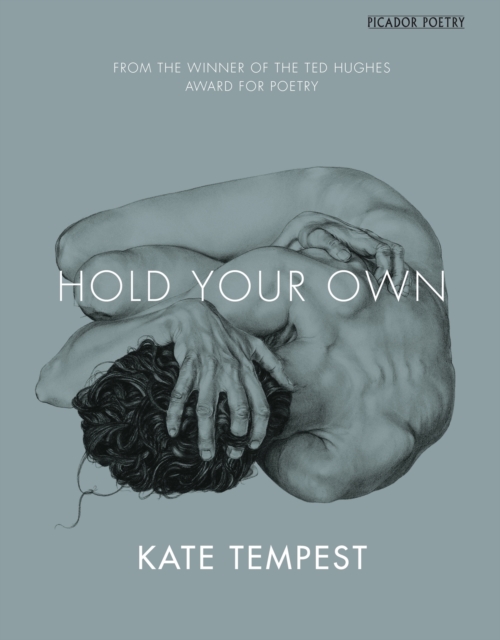
Hold Your Own, Kae Tempest's first full-length poetry collection for Picador is an ambitious, multi-voiced work based around the mythical figure of Tiresias.
The Trouble with Poetry is the new collection from probably the most popular poet in the entire planet, and finds everyone's favourite contemporary Pre-Socratic in as funny and wise (and sometimes joyfully silly) form as ever.
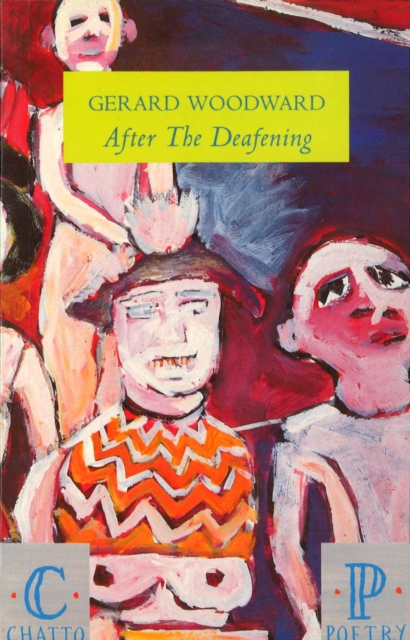
Gerard Woodward's poetry has long been admired for its sharp and unflinching eye, its fearless surrealism, its blacker-than-black humour, and its ability to find a little abyss in any detail, no matter how innocuous or domestic.
'Look - here's a poet of ferocious invention, a breathtaking wit that ushers us to epiphanies of grief and laughter, an encyclopaedic knowledge of hip ephemera that's never merely knowing, and a playful ear - which is, I note, an anagram of Paul Farley .