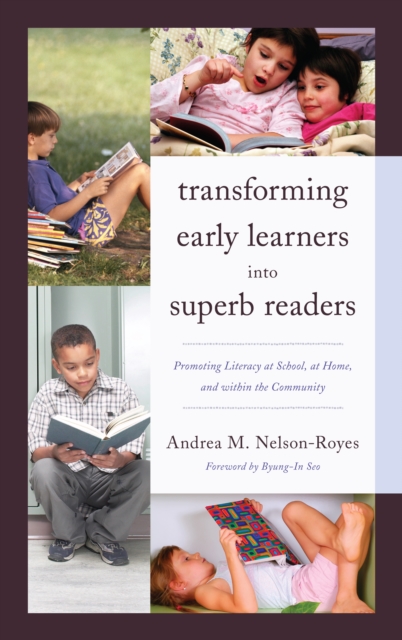
Transforming Early Learners into Superb Readers: Promoting Literacy at School, at Home, and within the Community aids elementary educators, reading specialists, school administrators, private and public educators, parents, and caregivers who want to help early learners become proficient readers.
Designed to promote literacy in young children and to empower parents, educators, and librarians, this guide is filled with simple strategies, creative activities, and detailed instructions that help make reading fun.
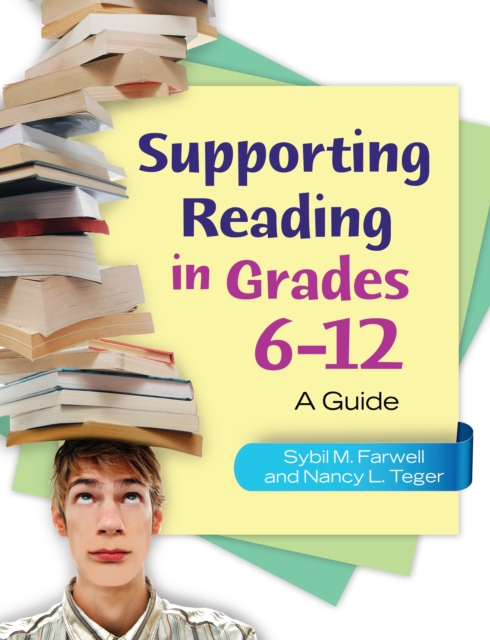
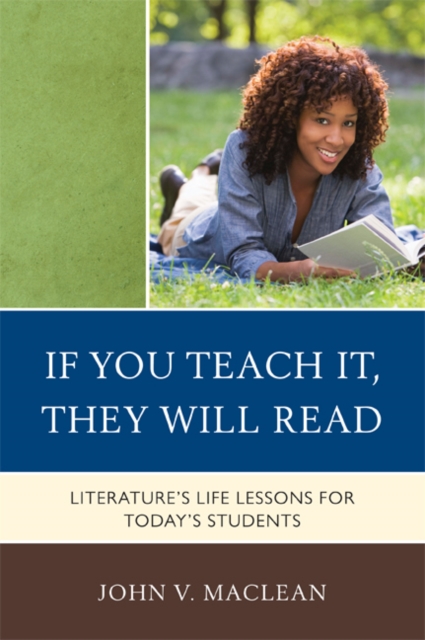
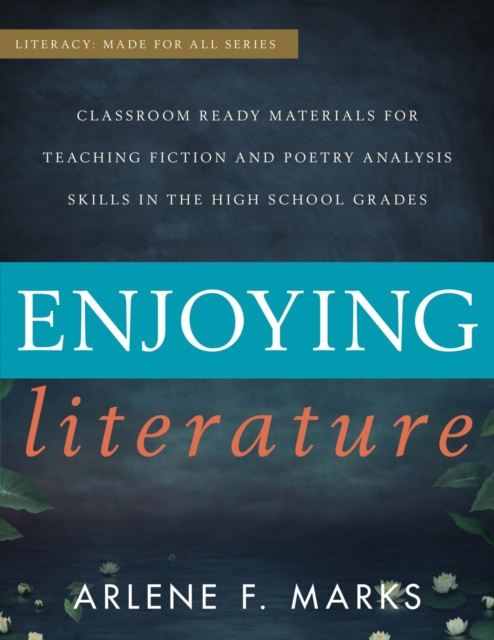
This book presents a curricular framework for students grades 6-12 that school librarians and teachers can use collaboratively to enhance reading skill development, promote literature appreciation, and motivate young people to incorporate reading into their lives, beyond the required schoolwork.
Inquiry Units for English Language Arts is an engaging and relevant collection of instructional units that delve into contemporary problems related to equity, justice, identity, freedom, and social reform.
The book draws from literary, psychological, and sociological perspectives to discuss and to illustrate how these perspectives contribute to instructional practices in Young Adult Literature.
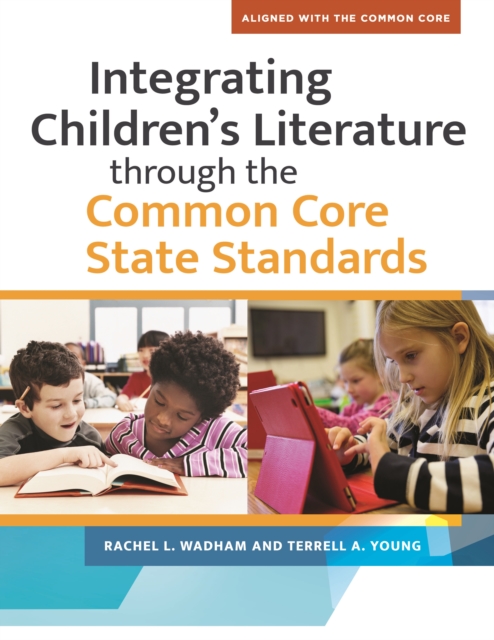
Implementation of the Common Core State Standards with the integration of children's literature can transform teaching and learning into a holistic and engaging experience.
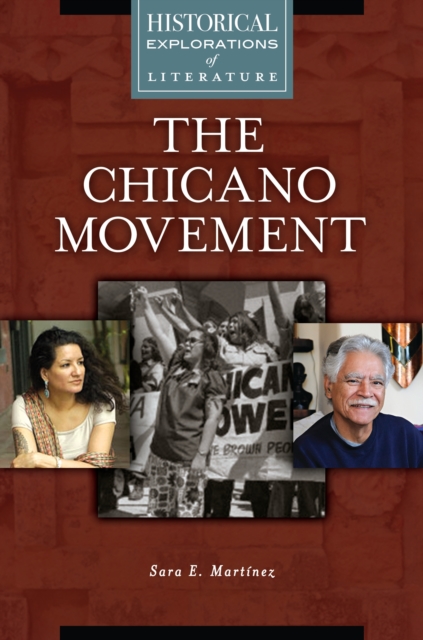
This book furthers appreciation of key pieces in American literature from the Chicano Movement by placing them in the context of history, society, and culture.
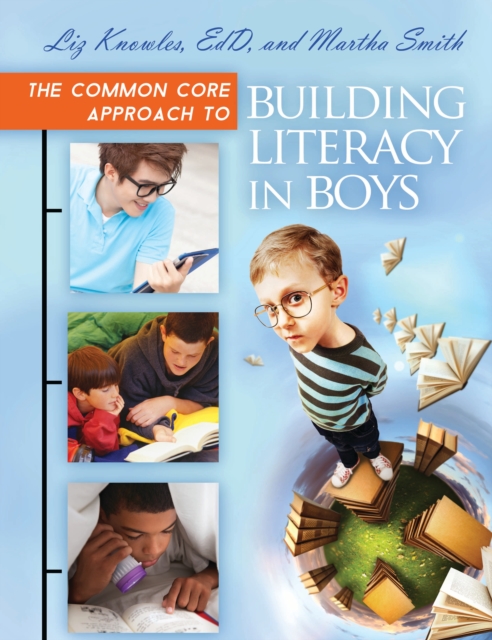
Written with a focus on the English Language Arts Common Core Standards, this book provides a complete plan for developing a literacy program that focuses on boys pre-K through grade 12.
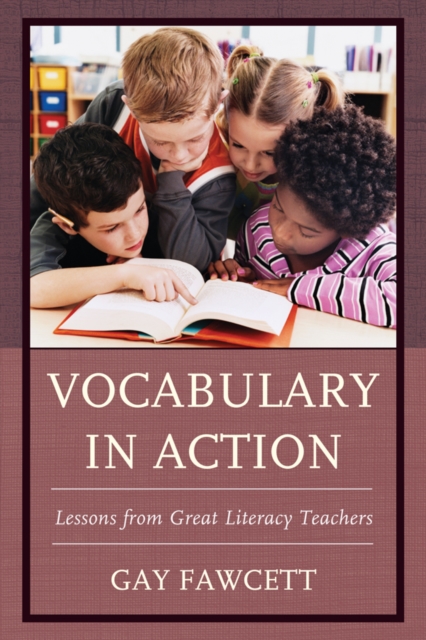
This book will take you into the classrooms of great literacy teachers from around the United States who have designed successful vocabulary instruction for their grades K-6 classrooms.
Transforming Early Learners into Superb Readers: Promoting Literacy at School, at Home, and within the Community aids elementary educators, reading specialists, school administrators, private and public educators, parents, and caregivers who want to help early learners become proficient readers.
A critical question in social studies education is not whether teachers develop and teach units of study, but what is in the units of study teachers develop and teach.
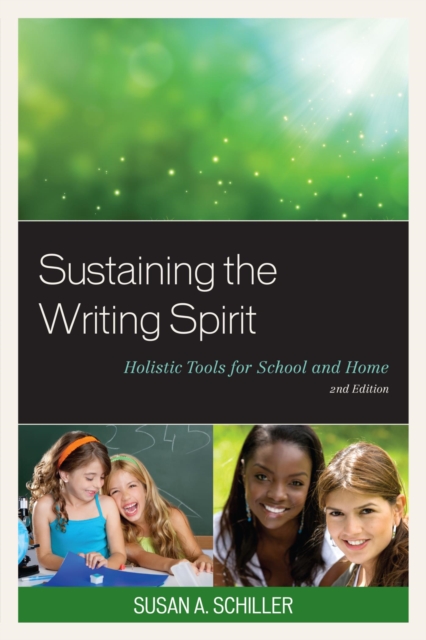
Sustaining the Writing Spirit: Holistic Tools for School and Home, second edition is aimed at all educators, at school or home, seeking non-traditional ways to enliven the growth potential of the whole learner.
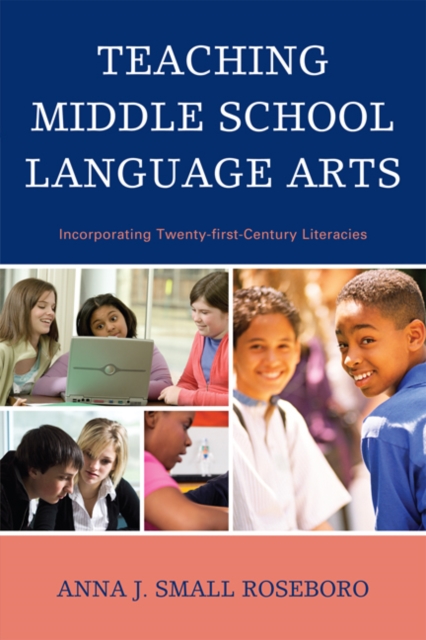
Teaching Middle School Language Arts is the first book on teaching middle school language arts for multiple intelligences and related 21st century literacies in technologically and ethnically diverse communities.
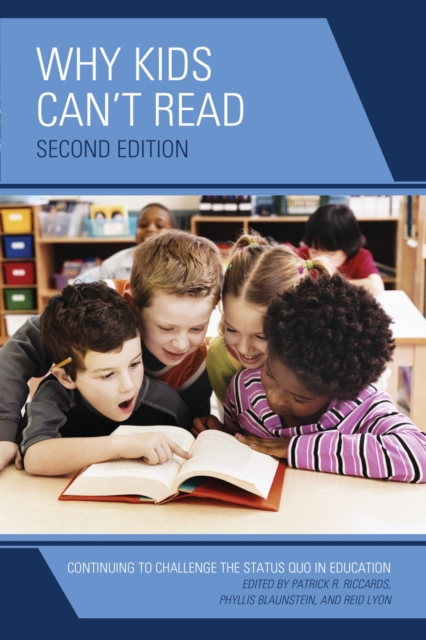
In recent decades, the science of reading acquisition has been advancing through interdisciplinary research in cognitive, psycholinguistic, developmental, genetic, neuroscience, cross-language, and experimental comparison studies of effective instruction.
Nearly forty percent of all fourth graders in this country cannot read at grade level, and this number rises to sixty percent for children coming from poor families.
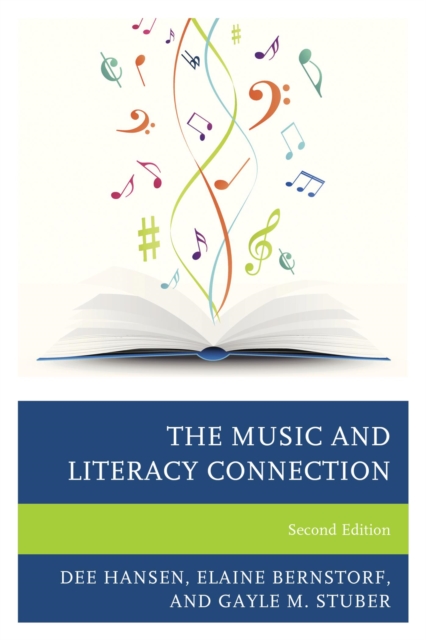
The second edition of The Music and Literacy Connection expands our understanding of the links between reading and music by examining those skills and learning processes that are directly parallel for music learning and language arts literacy in the pre-K, elementary, and secondary levels.
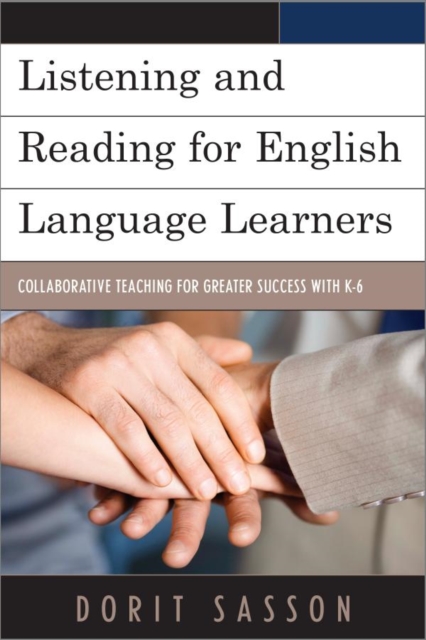
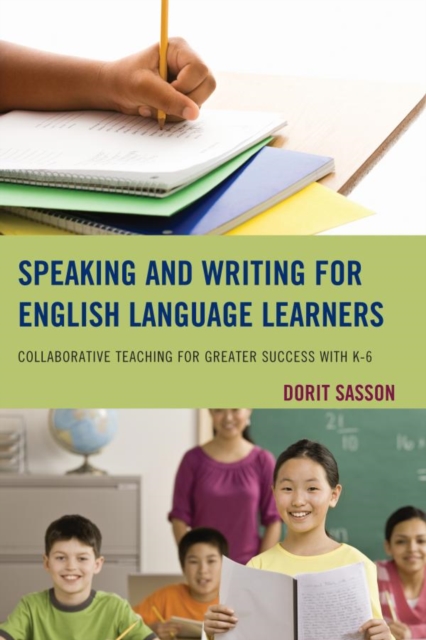
This bookprovides an overview designed to help educators collaborate more effectively in the areas of content area literacy for the sake of their K-6 ELL students.
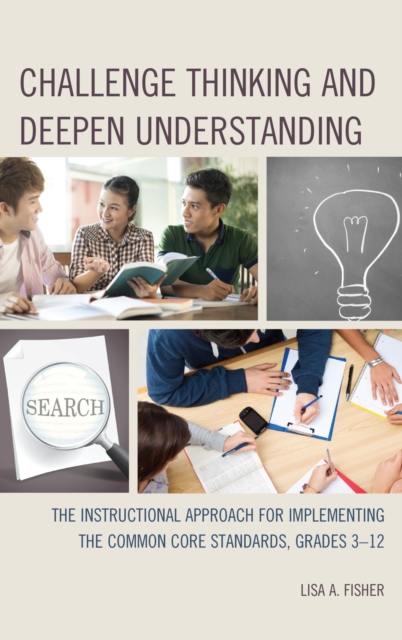
With new standards adopted by 45 states and the District of Columbia, this professional text will address strategies to utilize in order to address the Common Core State Standards with reading closely to deepen understanding of informational text.
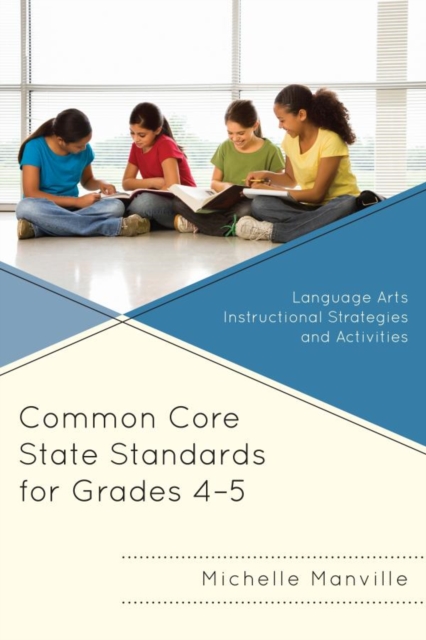
Common Core State Standards for Grades 4-5: Language Arts Instructional Strategies and Activities is designed to help teachers teach CORE standards using research-based, effective instructional strategies in combination with ready-to-use activities.
This bookprovides an overview designed to help educators collaborate more effectively in the areas of content area literacy for the sake of their K-6 ELL students.
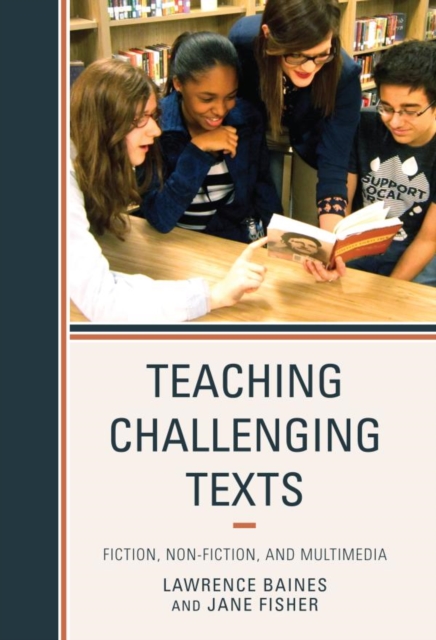
This comprehensive manual that covers informational and literary texts will empower teachers to guide their students as they analyze challenging texts.
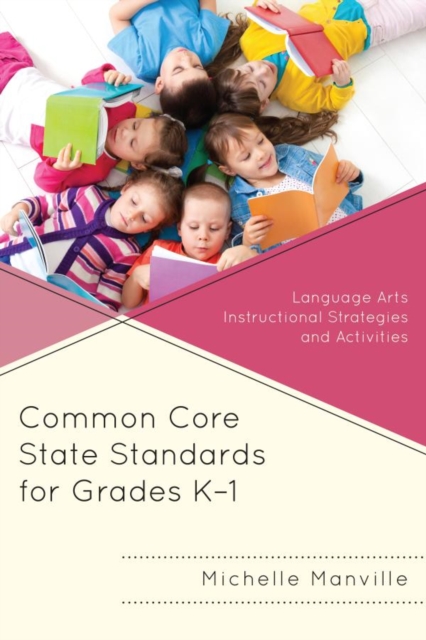
Common Core State Standards for Grades K-1: Language Arts Instructional Strategies and Activities is designed to help teachers teach CORE standards using research-based, effective instructional strategies in combination with ready-to-use activities.
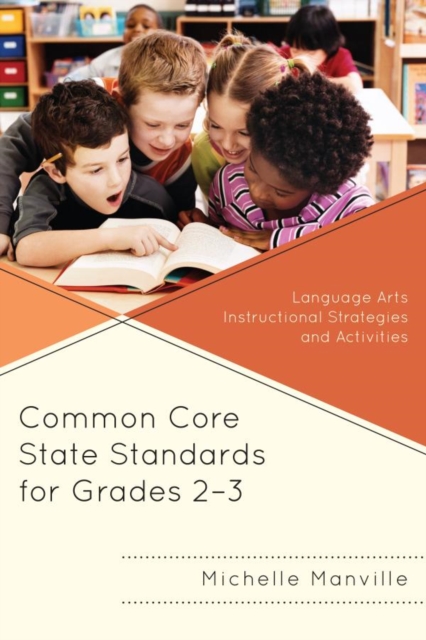
Common Core State Standards for Grades 2-3: Language Arts Instructional Strategies and Activities is designed to help teachers teach CORE standards using research-based, effective instructional strategies in combination with ready-to-use activities.
Success in School and Career: Common Core Standards in Language Arts K-5 provides kindergarten through grade-five educators and school and district administrators with historical perspectives that shaped the Common Core State Standards.
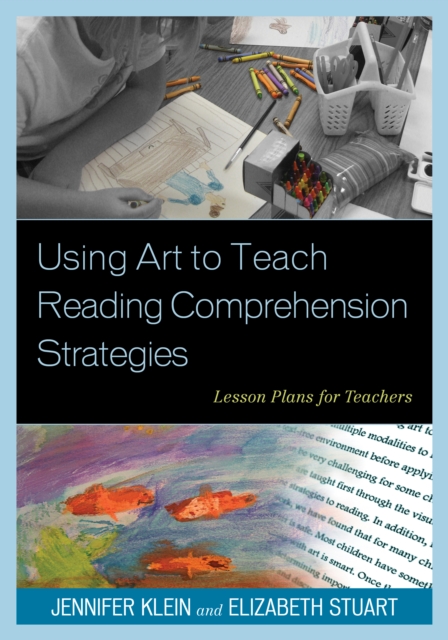
Using Art to Teach Reading Comprehension Strategies: Lesson Plans for Teachers will provide both classroom and art teachers with an overview of six different reading strategies and integrated reading and art lessons that they can implement in their own classrooms and schools.
Designed to promote literacy in young children and to empower parents, educators, and librarians, this guide is filled with simple strategies, creative activities, and detailed instructions that help make reading fun.
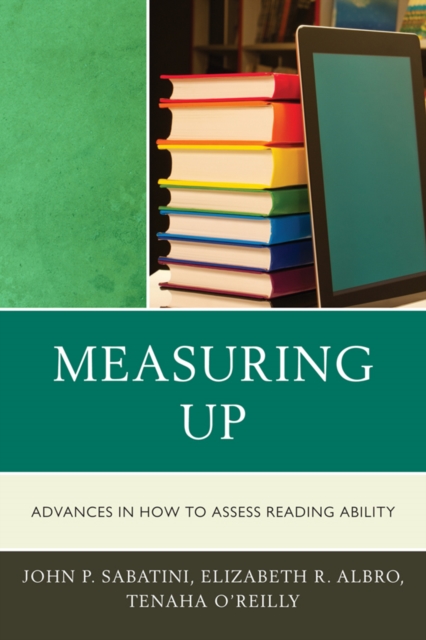
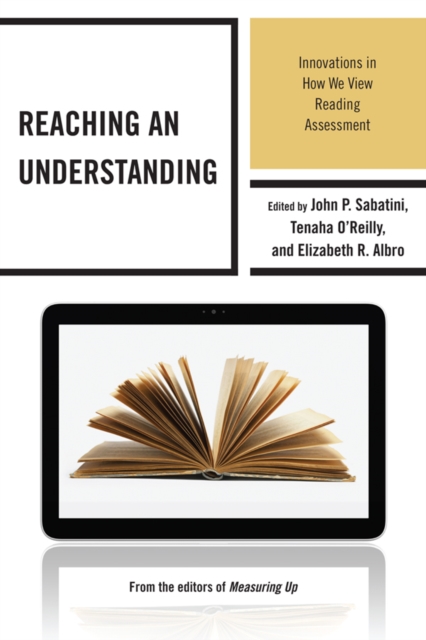
Reaching an Understanding: Innovations in How We View Reading Assessment builds upon the editors previous book Measuring Up: Advances in How We Assess Reading Ability by representing some early attempts to apply theory to help guide the development of new assessments and measurement models.
This book presents a curricular framework for students grades 6-12 that school librarians and teachers can use collaboratively to enhance reading skill development, promote literature appreciation, and motivate young people to incorporate reading into their lives, beyond the required schoolwork.
With so many discussions and theories on reading and how children learn to read, it can be very confusing for parents to know the best way to get their kids to read.