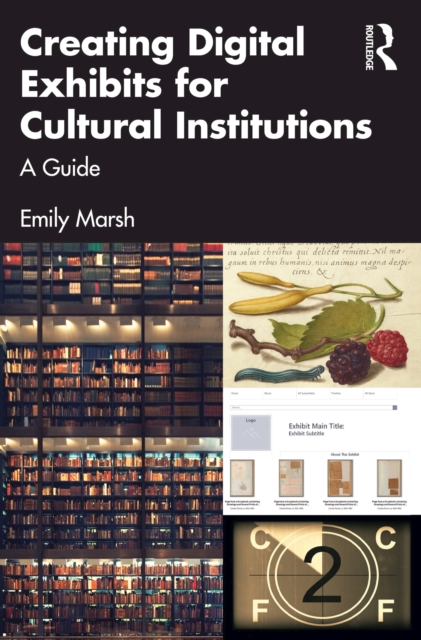
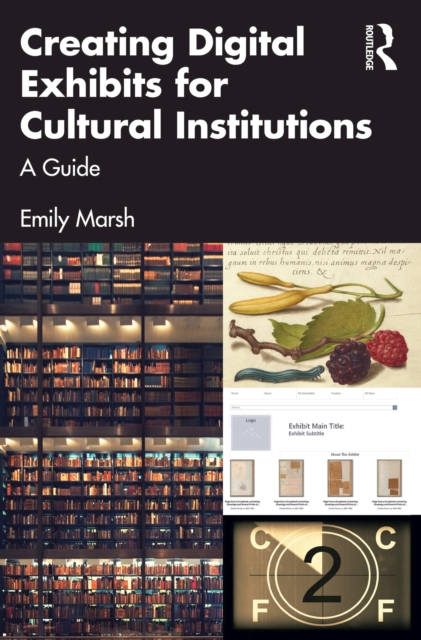
Creating Digital Exhibits for Cultural Institutions will show you how to create digital exhibits and experiences for your users that will be informative, accessible and engaging.
Creating Digital Exhibits for Cultural Institutions will show you how to create digital exhibits and experiences for your users that will be informative, accessible and engaging.
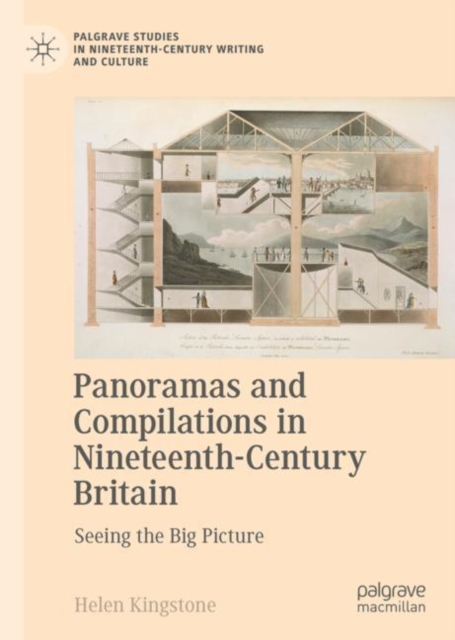
This book shows how in nineteenth-century Britain, confronted with the newly industrialized and urbanized modern world, writers, artists, journalists and impresarios tried to gain an overview of contemporary history.
Sounding Emerging Media details a practice-based approach to sonic art and electroacoustic composition, drawing on methodologies inspired by the production of electronic literature, and game development.
Sounding Emerging Media details a practice-based approach to sonic art and electroacoustic composition, drawing on methodologies inspired by the production of electronic literature, and game development.
This edited book brings together best examples and practices of digital and interactive approaches and platforms from a number of projects based in European countries to foster social inclusion and participation in heritage and culture.
This edited book brings together best examples and practices of digital and interactive approaches and platforms from a number of projects based in European countries to foster social inclusion and participation in heritage and culture.
Since the turn of this century (and even earlier), a plethora of projects have arisen to promise us bold new interactive adventures and immersive travel into the past with digital environments (using mixed, virtual or augmented reality, as well as computer games).
Die Topic-informierte Diskursanalyse ist ein Mixed-Methods-Verfahren, das Methoden des Text-Mining mit der Wissenssoziologischen Diskursanalyse verbindet, um Diskurstransformationen im Zeitverlauf zu analysieren.
Transmedia Narratives for Cultural Heritage focuses on theoretical approaches to the analysis and creative practice of developing non-fiction digital transmedia narratives in the rapidly growing cultural heritage sector.
Museums and Interactive Virtual Learning provides informal educators with practical resources that will help them to build dynamic digital engagement experiences within their own cultural organizations.
Museums and Interactive Virtual Learning provides informal educators with practical resources that will help them to build dynamic digital engagement experiences within their own cultural organizations.
Transmedia Narratives for Cultural Heritage focuses on theoretical approaches to the analysis and creative practice of developing non-fiction digital transmedia narratives in the rapidly growing cultural heritage sector.
This book provides an interdisciplinary synthesis of the topic of culture in the context of Human-Computer Interaction (HCI) and a structured overview of a large body of HCI research on (and with) culture.
This book features the latest research in the area of immersive technologies as presented at the 7th International Extended Reality (XR) Conference, held in Lisbon, Portugal in 2022.
This book provides the opportunity to explore the variety of meanings, undertones and contextual connotations that currently pertain to the expressions of "e;virtual (or digital) restoration"e; and "e;reconstruction"e;.
This remarkably clearly written and timely critical evaluation of core issues in the study and application of interactive digital narrative (IDN) untangles the range of theories and arguments that have developed around IDN over the past three decades.
This remarkably clearly written and timely critical evaluation of core issues in the study and application of interactive digital narrative (IDN) untangles the range of theories and arguments that have developed around IDN over the past three decades.
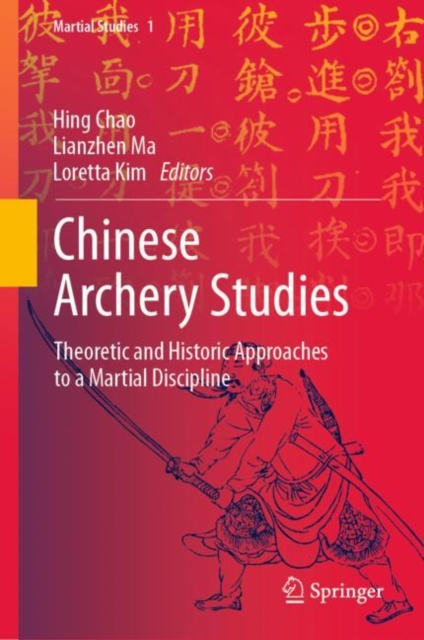
This book, the first research publication on China's archery culture to appear in the English language, introduces the historic development, key concepts, and research methodologies for archery studies.
This book questions if spherology is a philosophy for designers, giving guidance on ways to read Spheres, how to approach the trilogy's indexicality, and apply the key tropes and ethics of atmospheres to digital design.
This book constitutes the refereed proceedings of the 12th International Conference on Interactive Digital Storytelling, ICIDS 2019, held in Little Cottonwood Canyon, UT, USA, in November 2019.
This book features the latest research in the area of immersive technologies, presented at the 5th International Augmented and Virtual Reality Conference, held in Munich, Germany in 2019.
This volume will give readers insight into how genres are characterised by the patterns of frequency and distribution of linguistic features across a number of European languages.
This book constitutes the proceedings of two conferences: The 5th International Conference on ArtsIT, Interactivity and Game Creation (ArtsIT 2016) and the First International Conference on Design, Learning and Innovation (DLI 2016).
This innovative collection explores uses of Shakespeare in a wide variety of 21st century contexts, including business manuals, non-literary scholarship, database aggregation, social media, gaming, and creative criticism.
This Pivot investigates the impact of the digital on literary culture through the analysis of selected marketing narratives, social media stories, and reading communities.
This book features the latest research in the area of immersive technologies, presented at the 6th International Augmented Reality and Virtual Reality Conference, held in online in 2020.
This book constitutes the refereed proceedings of the 10th International Conference on Interactive Digital Storytelling, ICIDS 2017, held in Funchal, Madeira, Portugal, in November 2017.
We live in an age where language and screens continue to collide for creative purposes, giving rise to new forms of digital literatures and literary video games.
The volume "e;The UNESCO Memory of the World Programme: Key Aspects and Recent Developments"e; responds to the growing interest in the scientific study of the Memory of the World Programme (MoW) and its core concept of documentary heritage, which has received little attention from scholarship so far.
This book examines some of the underlying processes behind different forms of information management, including how we store information in our brains, the impact of new technologies such as computers and robots on our efficiency in storing information, and how information is stored in families and in society.
This book gathers new empirical findings fostering advances in the areas of digital and communication design, web, multimedia and motion design, graphic design, branding, and related ones.
This book shows how the unique characteristics of traditionally differentiated media continue to determine narrative despite the recent digital convergence of media technologies.