Solve business problems involving time-to-event and resulting probabilities by following the modeling tutorials in Business Survival Analysis Using SAS(R): An Introduction to Lifetime Probabilities, the first book to be published in the field of business survival analysis!
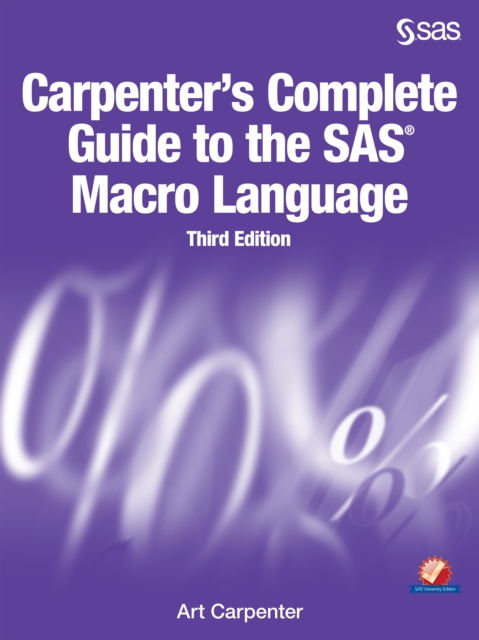
For SAS programmers or analysts who need to generalize their programs or improve programming efficiency, Art Carpenter thoroughly updates his highly successful second edition of Carpenter's Complete Guide to the SAS Macro Language with an extensive collection of new macro language techniques and examples.
For SAS programmers or analysts who need to generalize their programs or improve programming efficiency, Art Carpenter thoroughly updates his highly successful second edition of Carpenter's Complete Guide to the SAS Macro Language with an extensive collection of new macro language techniques and examples.
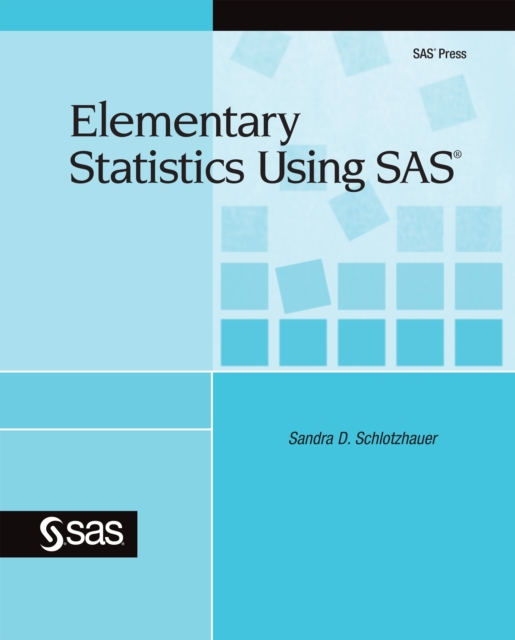
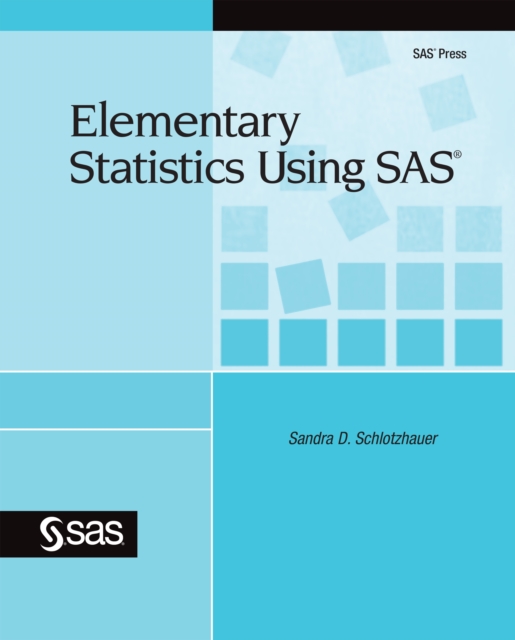
Bridging the gap between statistics texts and SAS documentation, Elementary Statistics Using SAS is written for those who want to perform analyses to solve problems.
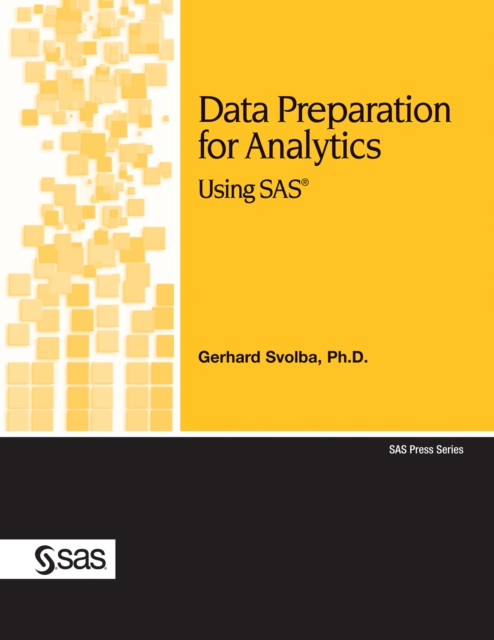
Written for anyone involved in the data preparation process for analytics, Gerhard Svolba's Data Preparation for Analytics Using SAS offers practical advice in the form of SAS coding tips and tricks, and provides the reader with a conceptual background on data structures and considerations from a business point of view.
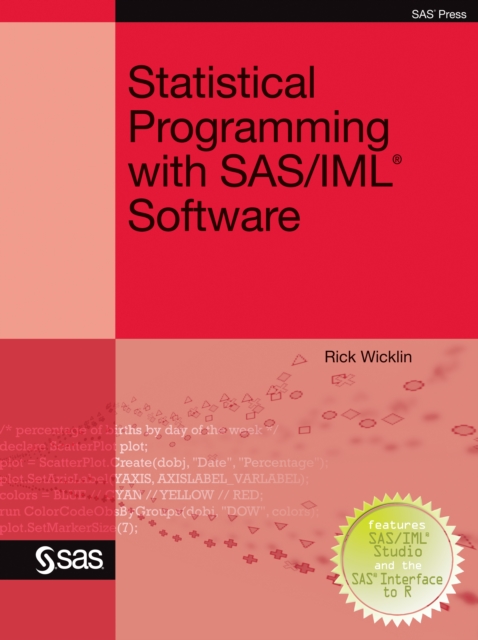
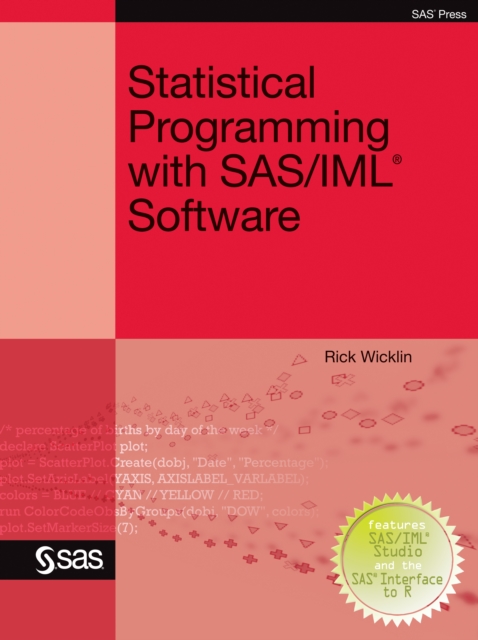
SAS/IML software is a powerful tool for data analysts because it enables implementation of statistical algorithms that are not available in any SAS procedure.
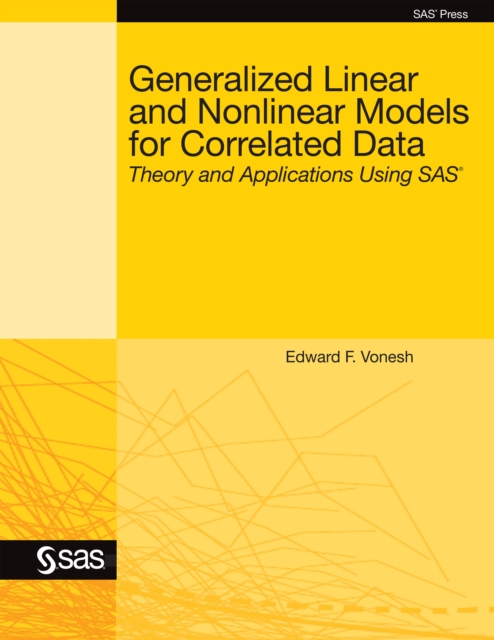
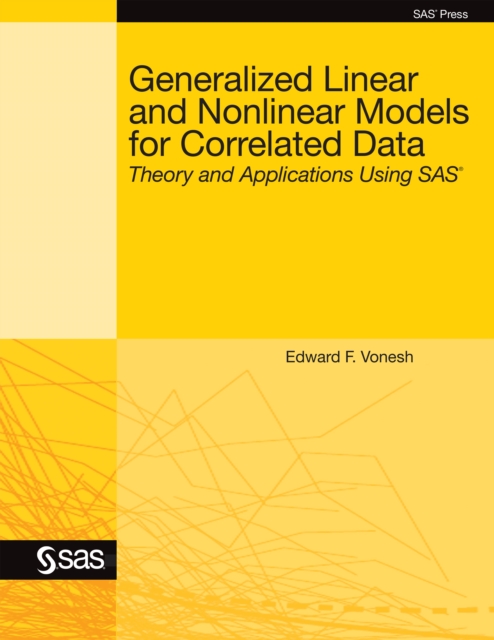
Edward Vonesh's Generalized Linear and Nonlinear Models for Correlated Data: Theory and Applications Using SAS is devoted to the analysis of correlated response data using SAS, with special emphasis on applications that require the use of generalized linear models or generalized nonlinear models.
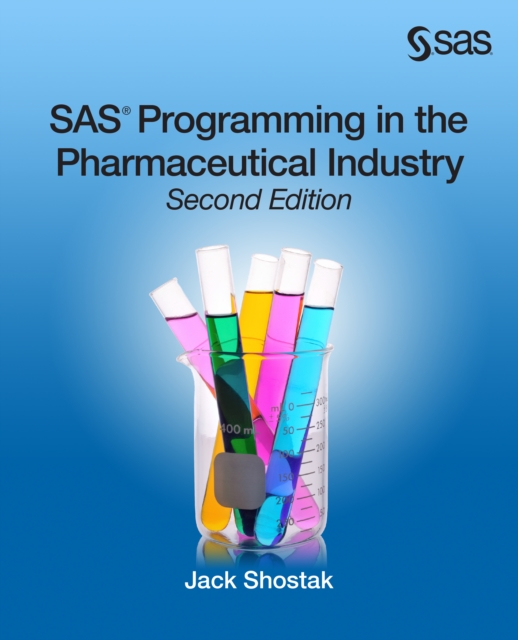
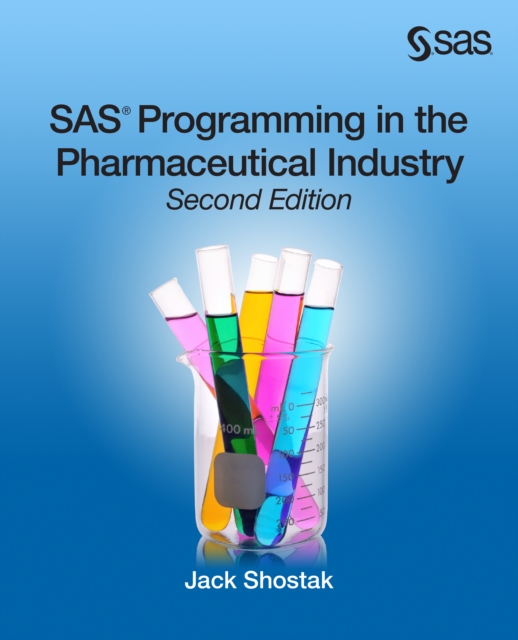
This comprehensive resource provides on-the-job training for statistical programmers who use SAS in the pharmaceutical industryThis one-stop resource offers a complete review of what entry- to intermediate-level statistical programmers need to know in order to help with the analysis and reporting of clinical trial data in the pharmaceutical industry.
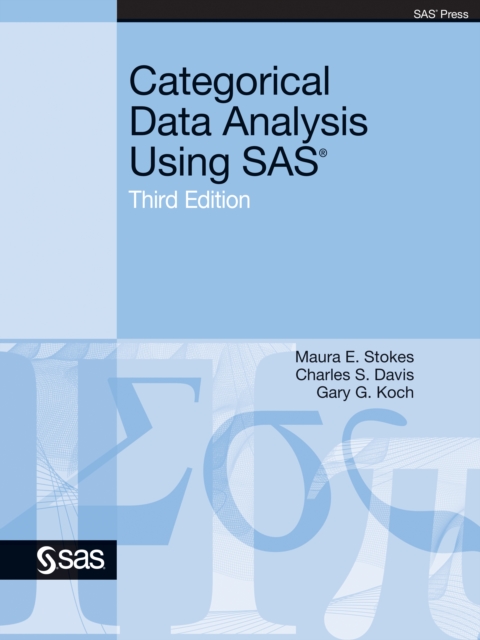
Statisticians and researchers will find Categorical Data Analysis Using SAS, Third Edition, by Maura Stokes, Charles Davis, and Gary Koch, to be a useful discussion of categorical data analysis techniques as well as an invaluable aid in applying these methods with SAS.
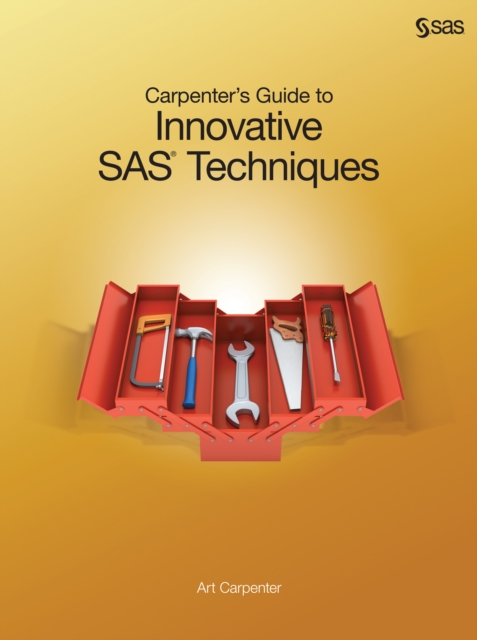
Carpenter's Guide to Innovative SAS Techniques offers advanced SAS programmers an all-in-one programming reference that includes advanced topics not easily found outside the depths of SAS documentation or more advanced training classes.
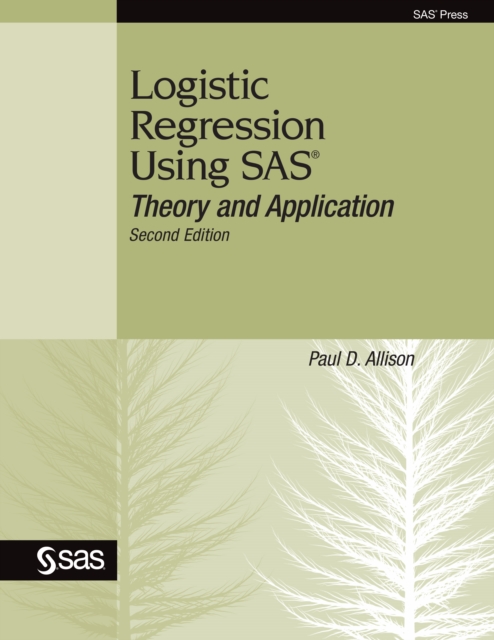
If you are a researcher or student with experience in multiple linear regression and want to learn about logistic regression, Paul Allison's Logistic Regression Using SAS: Theory and Application, Second Edition, is for you!
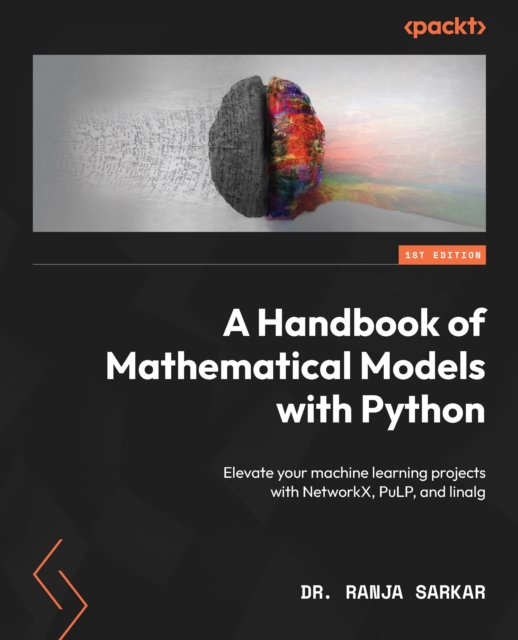
Master the art of mathematical modeling through practical examples, use cases, and machine learning techniquesKey FeaturesGain a profound understanding of various mathematical models that can be integrated with machine learningLearn how to implement optimization algorithms to tune machine learning modelsBuild optimal solutions for practical use casesPurchase of the print or Kindle book includes a free PDF eBookBook DescriptionMathematical modeling is the art of transforming a business problem into a well-defined mathematical formulation.
This comprehensive resource provides on-the-job training for statistical programmers who use SAS in the pharmaceutical industryThis one-stop resource offers a complete review of what entry- to intermediate-level statistical programmers need to know in order to help with the analysis and reporting of clinical trial data in the pharmaceutical industry.
Carpenter's Guide to Innovative SAS Techniques offers advanced SAS programmers an all-in-one programming reference that includes advanced topics not easily found outside the depths of SAS documentation or more advanced training classes.
Edward Vonesh's Generalized Linear and Nonlinear Models for Correlated Data: Theory and Applications Using SAS is devoted to the analysis of correlated response data using SAS, with special emphasis on applications that require the use of generalized linear models or generalized nonlinear models.
Statisticians and researchers will find Categorical Data Analysis Using SAS, Third Edition, by Maura Stokes, Charles Davis, and Gary Koch, to be a useful discussion of categorical data analysis techniques as well as an invaluable aid in applying these methods with SAS.
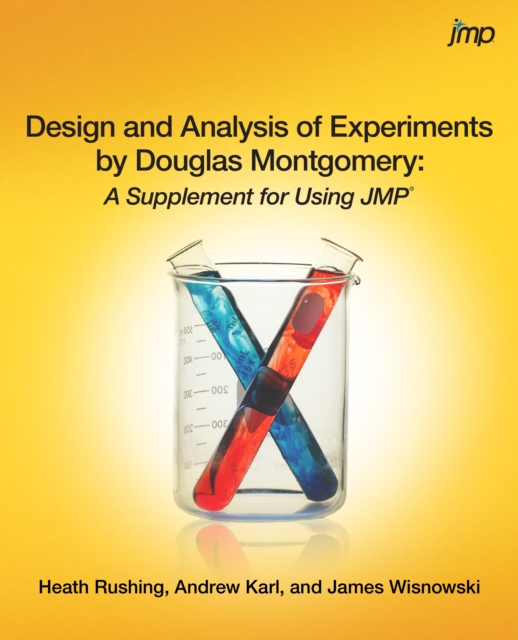
With a growing number of scientists and engineers using JMP software for design of experiments, there is a need for an example-driven book that supports the most widely used textbook on the subject, Design and Analysis of Experiments by Douglas C.
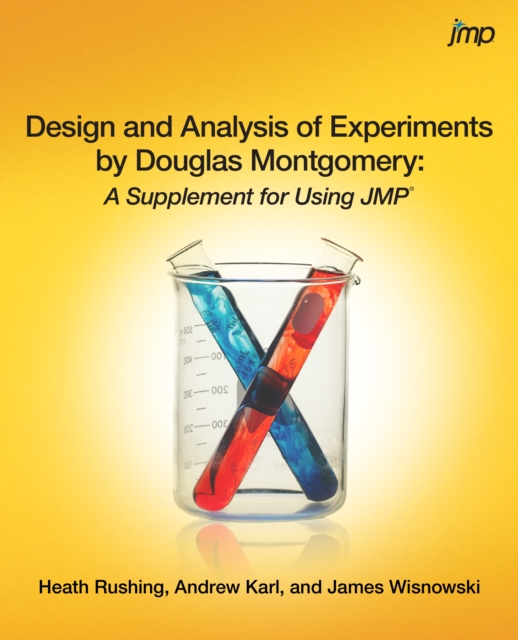
With a growing number of scientists and engineers using JMP software for design of experiments, there is a need for an example-driven book that supports the most widely used textbook on the subject, Design and Analysis of Experiments by Douglas C.
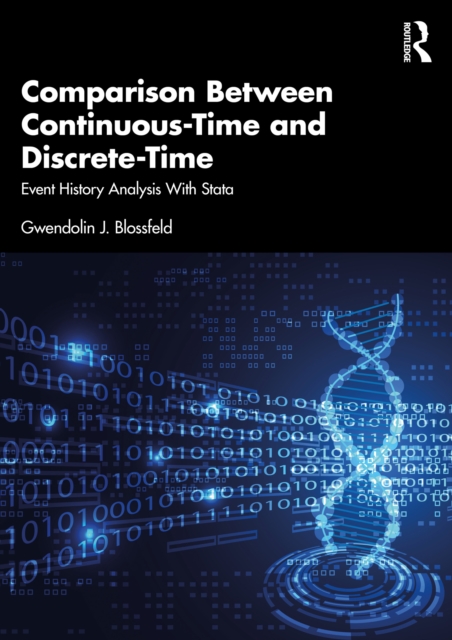
Comparison Between Continuous-Time and Discrete-Time: Event History Analysis with Stata elucidates the statistical concepts and empirical applications of both continuous-time and discrete-time event history models.
SAS/IML software is a powerful tool for data analysts because it enables implementation of statistical algorithms that are not available in any SAS procedure.
Bridging the gap between statistics texts and SAS documentation, Elementary Statistics Using SAS is written for those who want to perform analyses to solve problems.
If you are a researcher or student with experience in multiple linear regression and want to learn about logistic regression, Paul Allison's Logistic Regression Using SAS: Theory and Application, Second Edition, is for you!
In PROC SQL by Example: Using SQL within SAS, author Howard Schreier illustrates the use of PROC SQL in the context of the SAS DATA step and other SAS procedures (such as SORT, FREQ, MEANS, SUMMARY, APPEND, DATASETS, and TRANSPOSE) whose functionality overlaps and complements that of SQL.
Written for anyone involved in the data preparation process for analytics, Gerhard Svolba's Data Preparation for Analytics Using SAS offers practical advice in the form of SAS coding tips and tricks, and provides the reader with a conceptual background on data structures and considerations from a business point of view.
Master the art of mathematical modeling through practical examples, use cases, and machine learning techniquesKey FeaturesGain a profound understanding of various mathematical models that can be integrated with machine learningLearn how to implement optimization algorithms to tune machine learning modelsBuild optimal solutions for practical use casesPurchase of the print or Kindle book includes a free PDF eBookBook DescriptionMathematical modeling is the art of transforming a business problem into a well-defined mathematical formulation.
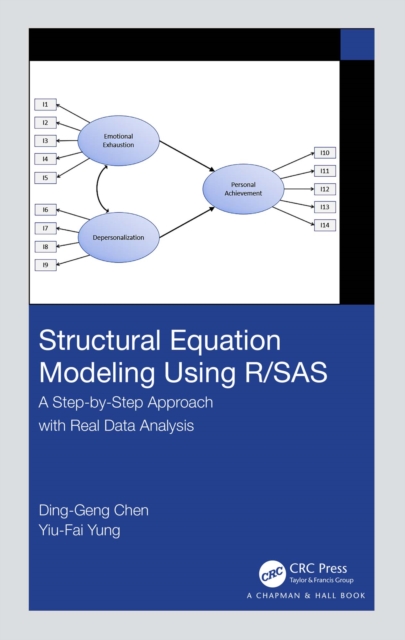
There has been considerable attention to making the methodologies of structural equation modeling available to researchers, practitioners, and students along with commonly used software.
Using Stata for Quantitative Analysis offers a brief but thorough introduction to analyzing data in undergraduate and graduate level research methods, statistics, and data analysis courses using Stata software.