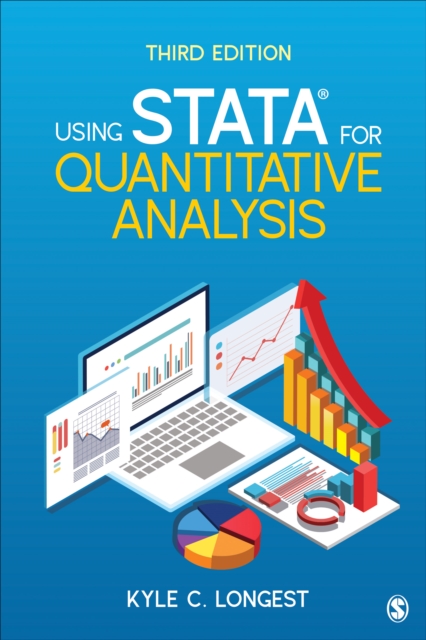
Using Stata for Quantitative Analysis offers a brief but thorough introduction to analyzing data in undergraduate and graduate level research methods, statistics, and data analysis courses using Stata software.
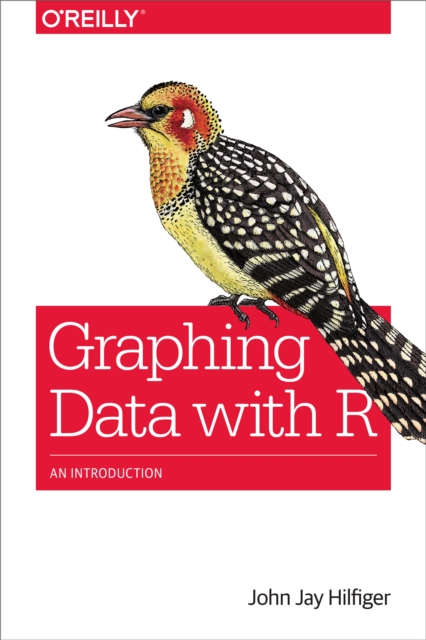
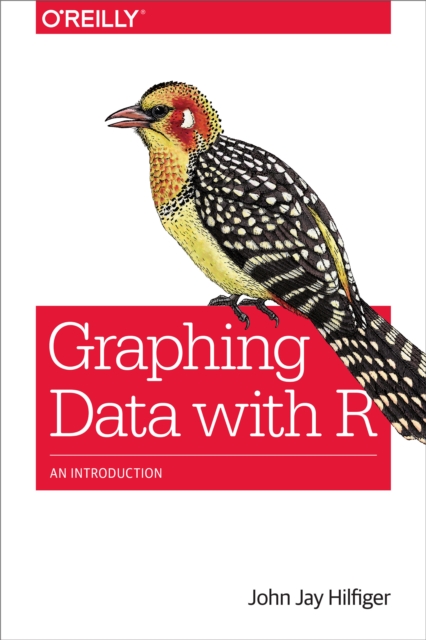
If you want to learn to use R for data analysis but aren't sure how to get started, this practical book will help you find the right path through your data.
If you want to learn to use R for data analysis but aren't sure how to get started, this practical book will help you find the right path through your data.
Early training in the elementary techniques of partial differential equations is invaluable to students in engineering and the sciences as well as mathematics.
Complex Survey Data Analysis with SAS(R) is an invaluable resource for applied researchers analyzing data generated from a sample design involving any combination of stratification, clustering, unequal weights, or finite population correction factors.
This text is meant to be a hands-on lab manual that can be used in class every day to guide the exploration of the theory and applications of differential and integral calculus.
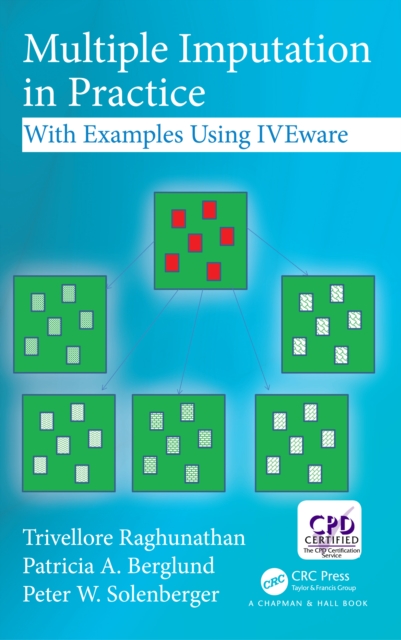
Multiple Imputation in Practice: With Examples Using IVEware provides practical guidance on multiple imputation analysis, from simple to complex problems using real and simulated data sets.
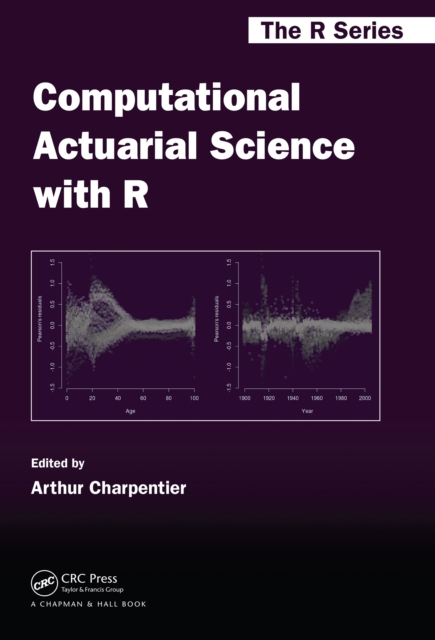
A Hands-On Approach to Understanding and Using Actuarial ModelsComputational Actuarial Science with R provides an introduction to the computational aspects of actuarial science.
Easy-to-Use Reference and Software for Statistical Modeling and TestingHandbook of Statistical Distributions with Applications, Second Edition provides quick access to common and specialized probability distributions for modeling practical problems and performing statistical calculations.
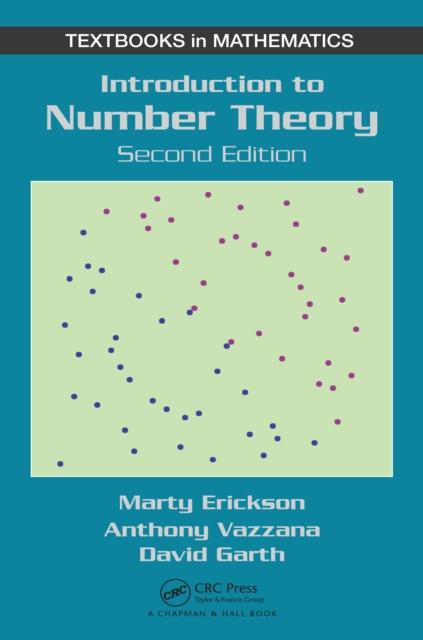
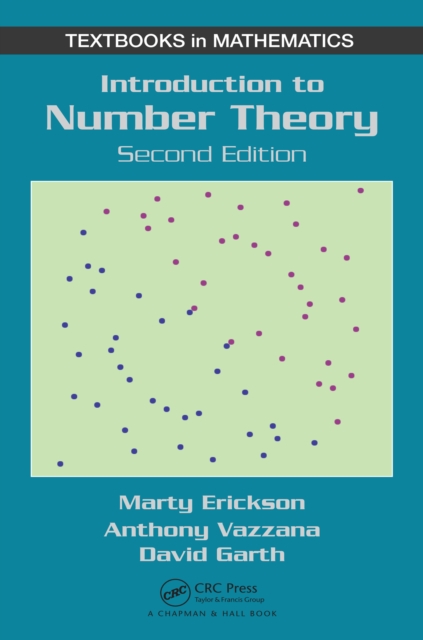
Introduction to Number Theory is a classroom-tested, student-friendly text that covers a diverse array of number theory topics, from the ancient Euclidean algorithm for finding the greatest common divisor of two integers to recent developments such as cryptography, the theory of elliptic curves, and the negative solution of Hilbert's tenth problem.
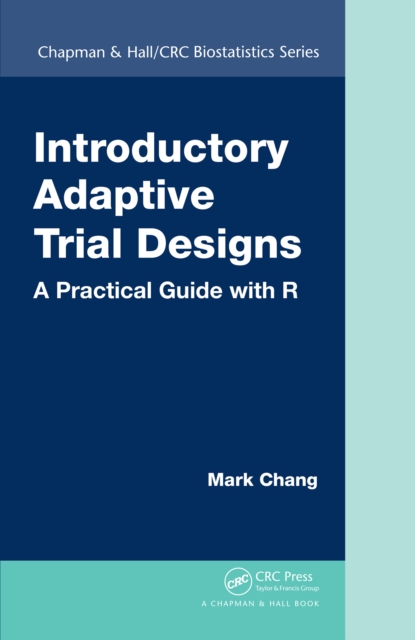
All the Essentials to Start Using Adaptive Designs in No TimeCompared to traditional clinical trial designs, adaptive designs often lead to increased success rates in drug development at reduced costs and time.
Introduction to Number Theory is a classroom-tested, student-friendly text that covers a diverse array of number theory topics, from the ancient Euclidean algorithm for finding the greatest common divisor of two integers to recent developments such as cryptography, the theory of elliptic curves, and the negative solution of Hilbert's tenth problem.
Sufficient dimension reduction is a rapidly developing research field that has wide applications in regression diagnostics, data visualization, machine learning, genomics, image processing, pattern recognition, and medicine, because they are fields that produce large datasets with a large number of variables.
This graduate-level textbook is primarily aimed at graduate students of statistics, mathematics, science, and engineering who have had an undergraduate course in statistics, an upper division course in analysis, and some acquaintance with measure theoretic probability.
R for Cloud Computing looks at some of the tasks performed by business analysts on the desktop (PC era) and helps the user navigate the wealth of information in R and its 4000 packages as well as transition the same analytics using the cloud.
This volume is composed of peer-reviewed papers that have developed from the First Conference of the International Society for Non Parametric Statistics (ISNPS).
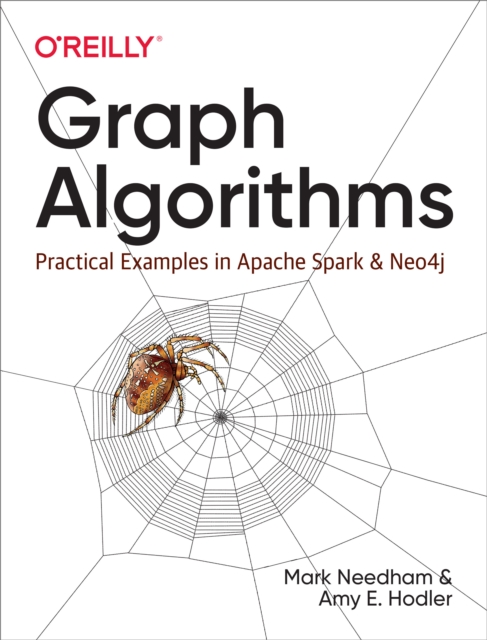
Discover how graph algorithms can help you leverage the relationships within your data to develop more intelligent solutions and enhance your machine learning models.
Discover how graph algorithms can help you leverage the relationships within your data to develop more intelligent solutions and enhance your machine learning models.
Post-Optimal Analysis in Linear Semi-Infinite Optimization examines the following topics in regards to linear semi-infinite optimization: modeling uncertainty, qualitative stability analysis, quantitative stability analysis and sensitivity analysis.