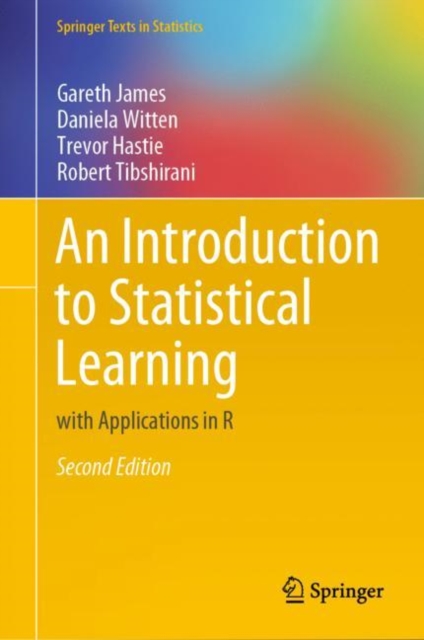
An Introduction to Statistical Learning provides an accessible overview of the field of statistical learning, an essential toolset for making sense of the vast and complex data sets that have emerged in fields ranging from biology to finance to marketing to astrophysics in the past twenty years.
BITCOIN PARA PRINCIPIANTES: La guia completa para principiantes para aprender, entender y explorar el mundo de Bitcoin en 2019 - Entender el poder de la tecnologia de criptocurrency.
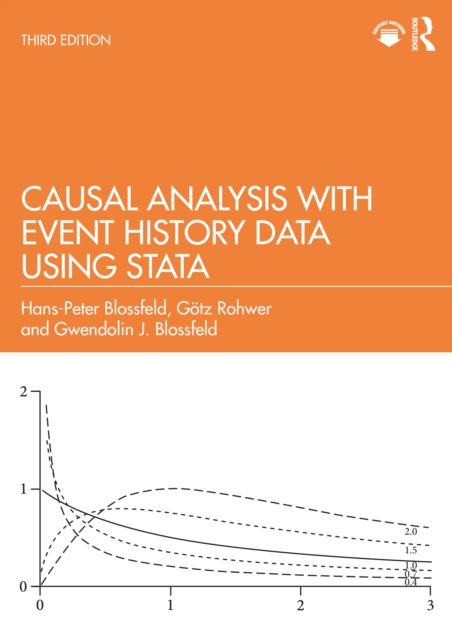
This third edition of Causal Analysis with Event History Data Using Stata provides an updated introduction to event history modeling along with many instructive Stata examples.
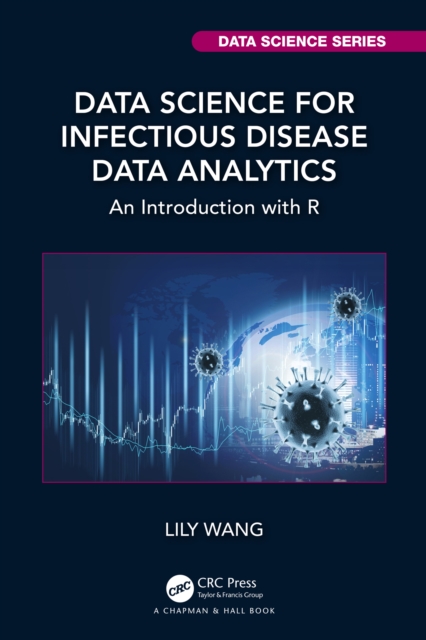
Data Science for Infectious Disease Data Analytics: An Introduction with R provides an overview of modern data science tools and methods that have been developed specifically to analyze infectious disease data.
Data Science for Infectious Disease Data Analytics: An Introduction with R provides an overview of modern data science tools and methods that have been developed specifically to analyze infectious disease data.
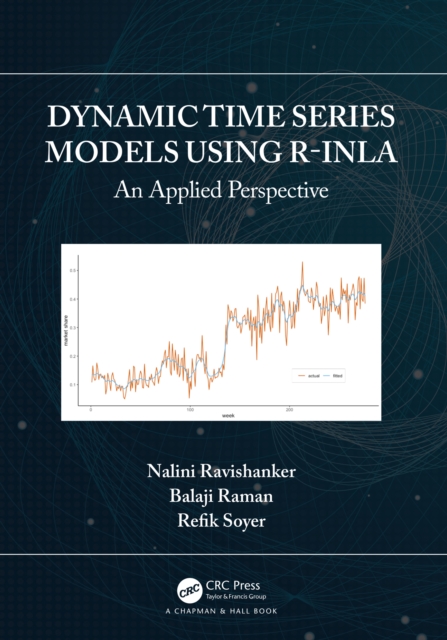
Dynamic Time Series Models using R-INLA: An Applied Perspective is the outcome of a joint effort to systematically describe the use of R-INLA for analysing time series and showcasing the code and description by several examples.
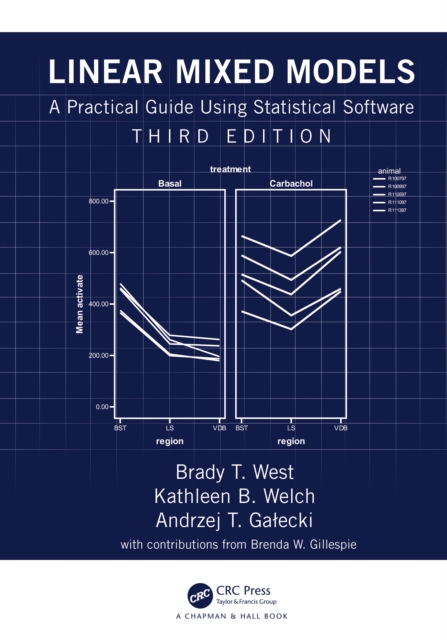
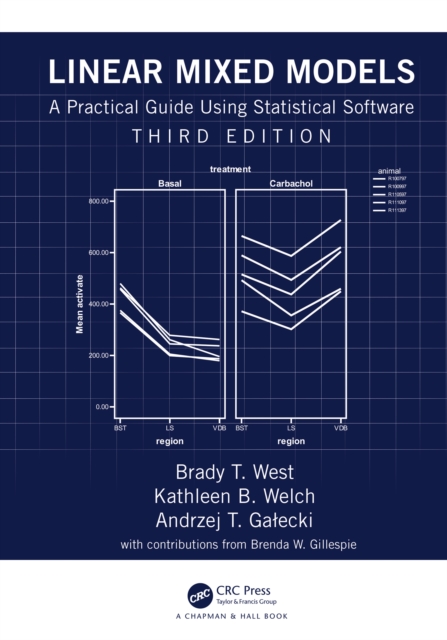
Highly recommended by JASA, Technometrics, and other leading statistical journals, the first two editions of this bestseller showed how to easily perform complex linear mixed model (LMM) analyses via a variety of software programs.
Highly recommended by JASA, Technometrics, and other leading statistical journals, the first two editions of this bestseller showed how to easily perform complex linear mixed model (LMM) analyses via a variety of software programs.
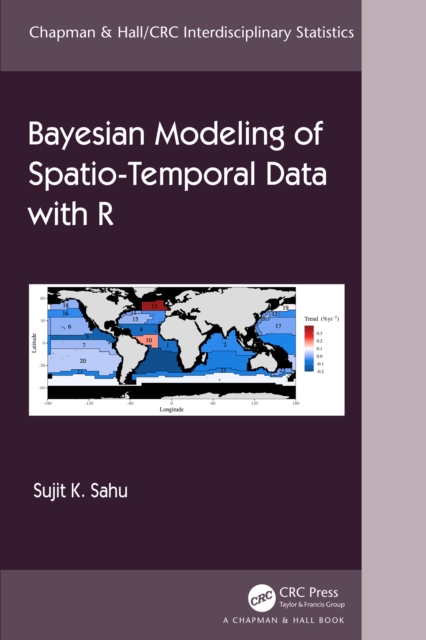
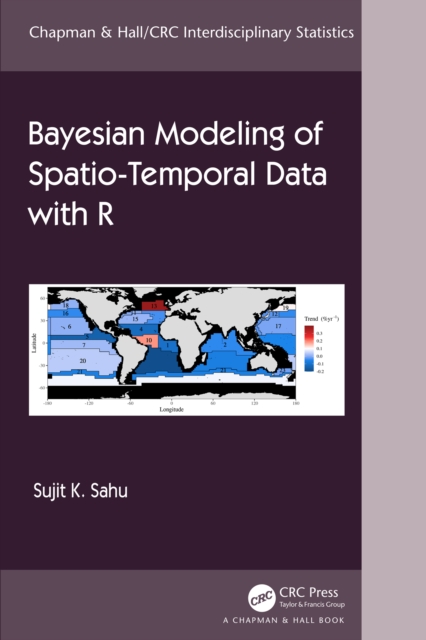
Applied sciences, both physical and social, such as atmospheric, biological, climate, demographic, economic, ecological, environmental, oceanic and political, routinely gather large volumes of spatial and spatio-temporal data in order to make wide ranging inference and prediction.
Applied sciences, both physical and social, such as atmospheric, biological, climate, demographic, economic, ecological, environmental, oceanic and political, routinely gather large volumes of spatial and spatio-temporal data in order to make wide ranging inference and prediction.
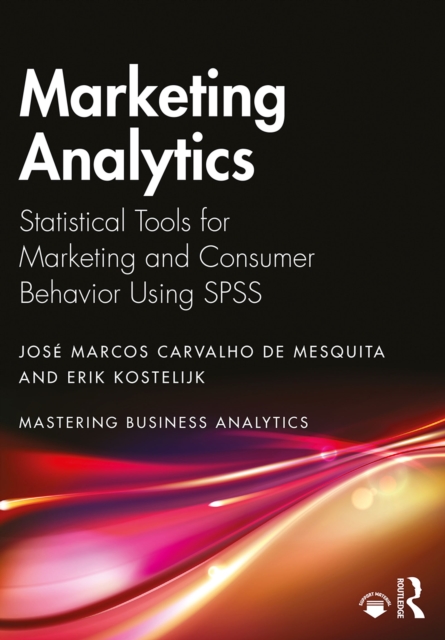
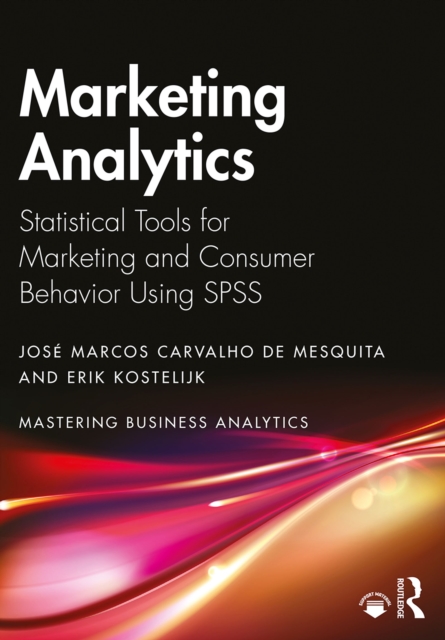
Marketing Analytics provides guidelines in the application of statistics using IBM SPSS Statistics Software (SPSS) for students and professionals using quantitative methods in marketing and consumer behavior.
Marketing Analytics provides guidelines in the application of statistics using IBM SPSS Statistics Software (SPSS) for students and professionals using quantitative methods in marketing and consumer behavior.
Despite the recent rapid growth in machine learning and predictive analytics, many of the statistical questions that are faced by researchers and practitioners still involve explaining why something is happening.
Despite the recent rapid growth in machine learning and predictive analytics, many of the statistical questions that are faced by researchers and practitioners still involve explaining why something is happening.
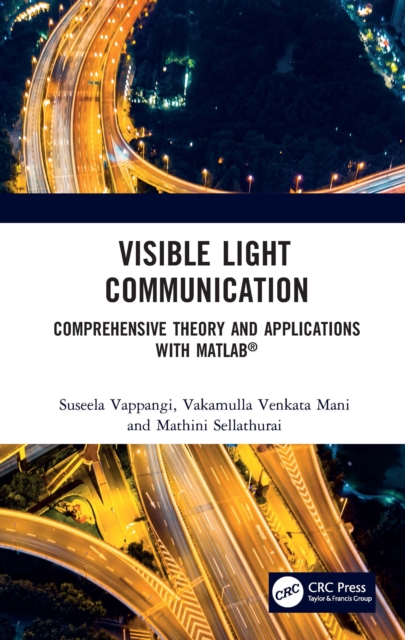
The field of visible light communication (VLC) has diverse applications to the end user including streaming audio, video, high-speed data browsing, voice over internet and online gaming.
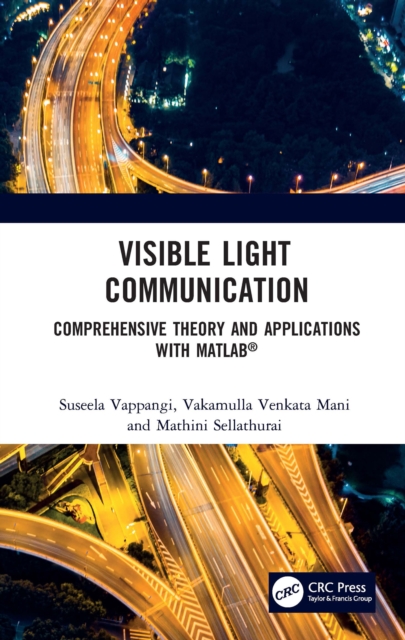
The field of visible light communication (VLC) has diverse applications to the end user including streaming audio, video, high-speed data browsing, voice over internet and online gaming.
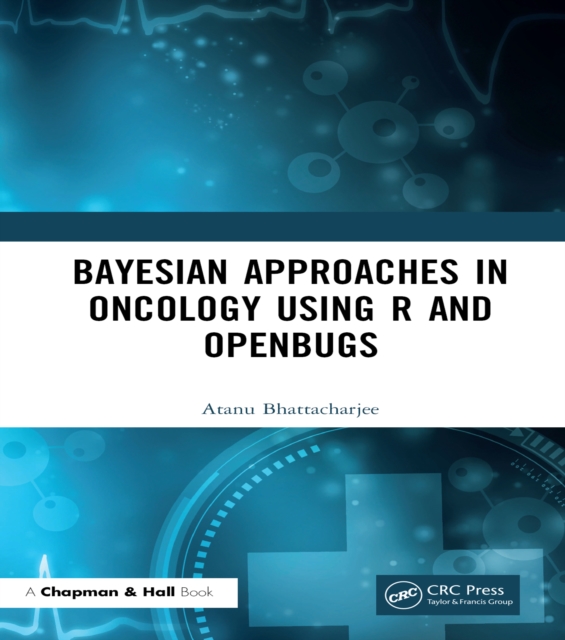
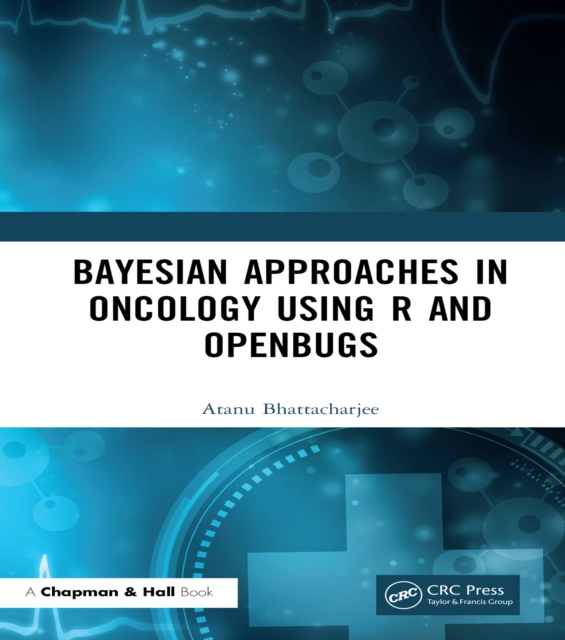
Bayesian Approaches in Oncology Using R and OpenBUGS serves two audiences: those who are familiar with the theory and applications of bayesian approach and wish to learn or enhance their skills in R and OpenBUGS, and those who are enrolled in R and OpenBUGS-based course for bayesian approach implementation.
Bayesian Approaches in Oncology Using R and OpenBUGS serves two audiences: those who are familiar with the theory and applications of bayesian approach and wish to learn or enhance their skills in R and OpenBUGS, and those who are enrolled in R and OpenBUGS-based course for bayesian approach implementation.
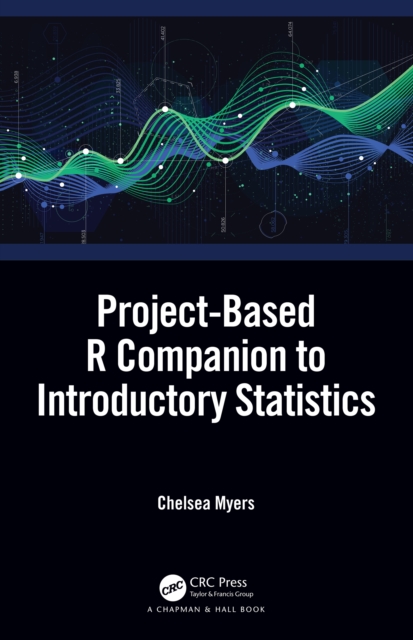
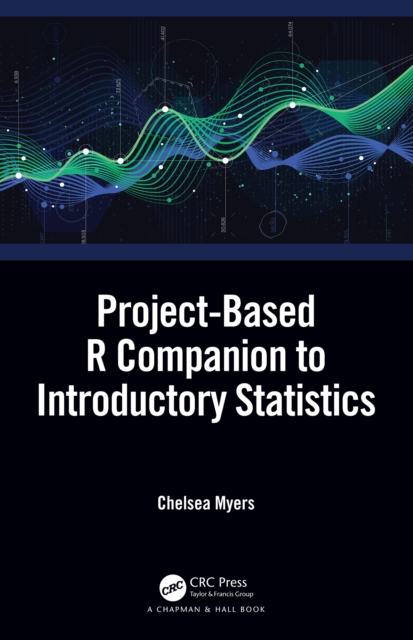
Project-Based R Companion to Introductory Statistics is envisioned as a companion to a traditional statistics or biostatistics textbook, with each chapter covering traditional topics such as descriptive statistics, regression, and hypothesis testing.
Project-Based R Companion to Introductory Statistics is envisioned as a companion to a traditional statistics or biostatistics textbook, with each chapter covering traditional topics such as descriptive statistics, regression, and hypothesis testing.
* Designed for use by novice computer users, this text begins with the basics, such as starting SPSS, defining variables, and entering and saving data.
* Designed for use by novice computer users, this text begins with the basics, such as starting SPSS, defining variables, and entering and saving data.