The predominant language used in embedded microprocessors, assembly language lets you write programs that are typically faster and more compact than programs written in a high-level language and provide greater control over the program applications.
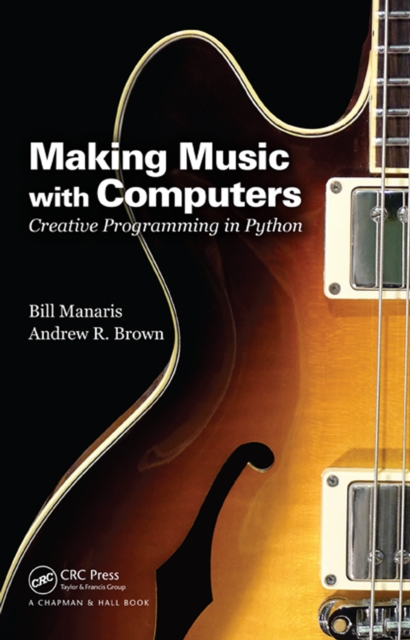
Teach Your Students How to Use Computing to Explore Powerful and Creative IdeasIn the twenty-first century, computers have become indispensable in music making, distribution, performance, and consumption.
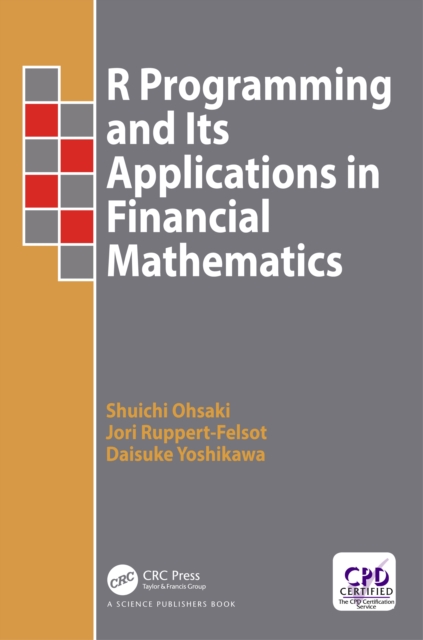
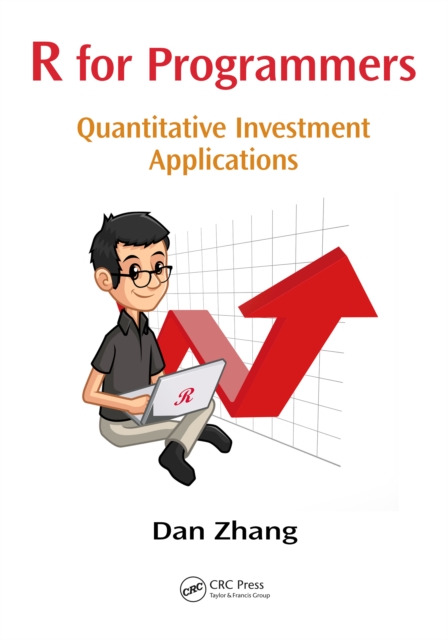
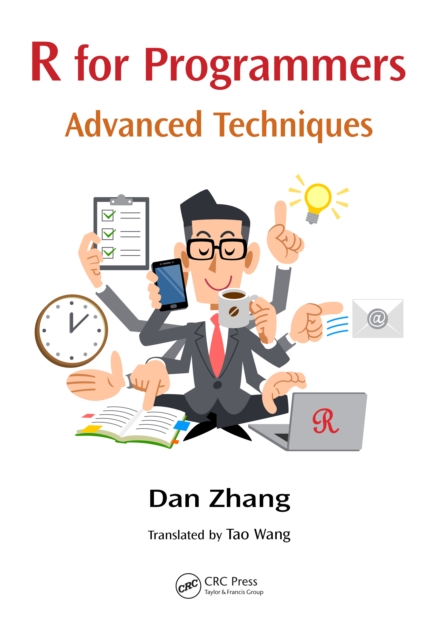
Unlike other books about R, written from the perspective of statistics, this book is written from the perspective of programmers, providing a channel for programmers with expertise in other programming languages to quickly understand R.
Nonlinear Digital Filtering with Python: An Introduction discusses important structural filter classes including the median filter and a number of its extensions (e.
Understand advanced data analytics concepts such as time series and principal component analysis with ETL, supervised learning, and PySpark using Python.
Transition from a back-end developer to a full-stack developer with knowledge of all the dimensions of web application development, namely, front-end, back-end and server-side software.
Integrate MLOps principles into existing or future projects using MLFlow, operationalize your models, and deploy them in AWS SageMaker, Google Cloud, and Microsoft Azure.
Discover key information buried in the noise of data by learning a variety of anomaly detection techniques and using the Python programming language to build a robust service for anomaly detection against a variety of data types.
Get hands-on knowledge of how BERT (Bidirectional Encoder Representations from Transformers) can be used to develop question answering (QA) systems by using natural language processing (NLP) and deep learning.
Apply a methodology and practical solutions for monitoring the behavior of the Internet of Things (IoT), industrial control systems (ICS), and other critical network devices with the inexpensive Raspberry Pi.
Graduate to the next level of your software development career, learning the tools you need to successfully manage the complexity of modern software systems.
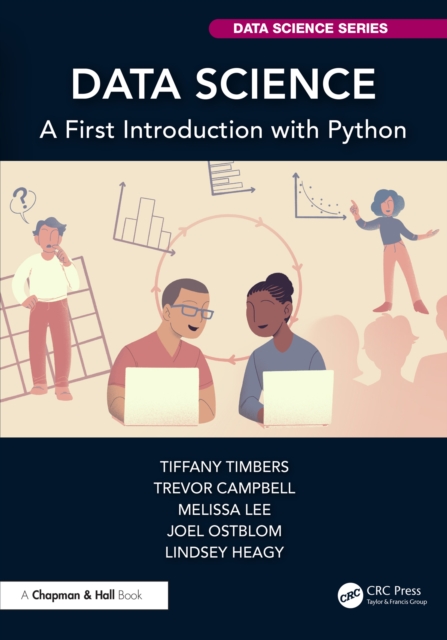
Data Science: A First Introduction with Python focuses on using the Python programming language in Jupyter notebooks to perform data manipulation and cleaning, create effective visualizations, and extract insights from data using classification, regression, clustering, and inference.