Statistical Foundations of Data Science gives a thorough introduction to commonly used statistical models, contemporary statistical machine learning techniques and algorithms, along with their mathematical insights and statistical theories.
Advances in high spatial resolution mapping capabilities and the new rules established by the Federal Aviation Administration in the United States for the operation of Small Unmanned Aircraft Systems (sUAS) have provided new opportunities to acquire aerial data at a lower cost and more safely versus other methods.
This book explores the applicability of multiple remote sensors to acquire information relevant to restoration and conservation efforts in wetlands using data collected from airborne and space multispectral/hyperspectral sensors, light detection and ranging (LiDAR), Unmanned Aircraft Systems (UAS), and a hand-held spectroradiometer.
Advances in high spatial resolution mapping capabilities and the new rules established by the Federal Aviation Administration in the United States for the operation of Small Unmanned Aircraft Systems (sUAS) have provided new opportunities to acquire aerial data at a lower cost and more safely versus other methods.
Mixture models have been around for over 150 years, and they are found in many branches of statistical modelling, as a versatile and multifaceted tool.
Mixture models have been around for over 150 years, and they are found in many branches of statistical modelling, as a versatile and multifaceted tool.
Blockchain technologies, as an emerging distributed architecture and computing paradigm, have accelerated the development/application of the Cloud/GPU/Edge Computing, Artificial Intelligence, cyber physical systems, social networking, crowdsourcing and crowdsensing, 5G, trust management, and finance.
Smart Data: State-of-the-Art Perspectives in Computing and Applications explores smart data computing techniques to provide intelligent decision making and prediction services support for business, science, and engineering.
Smart Data: State-of-the-Art Perspectives in Computing and Applications explores smart data computing techniques to provide intelligent decision making and prediction services support for business, science, and engineering.
This book provides a comprehensive review and in-depth study on efficient beamforming design and rigorous performance analysis in mmWave networks, covering beam alignment, beamforming training and beamforming-aided caching.
Explore reinforcement learning (RL) techniques to build cutting-edge games using Python libraries such as PyTorch, OpenAI Gym, and TensorFlowKey FeaturesGet to grips with the different reinforcement and DRL algorithms for game developmentLearn how to implement components such as artificial agents, map and level generation, and audio generationGain insights into cutting-edge RL research and understand how it is similar to artificial general researchBook DescriptionWith the increased presence of AI in the gaming industry, developers are challenged to create highly responsive and adaptive games by integrating artificial intelligence into their projects.
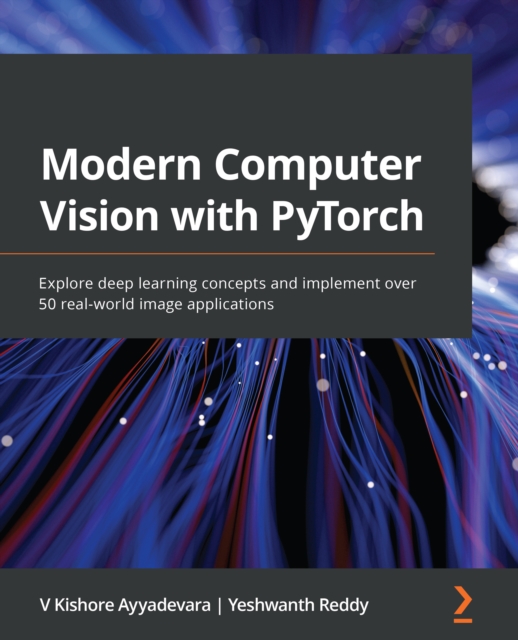
Get to grips with deep learning techniques for building image processing applications using PyTorch with the help of code notebooks and test questionsKey FeaturesImplement solutions to 50 real-world computer vision applications using PyTorchUnderstand the theory and working mechanisms of neural network architectures and their implementationDiscover best practices using a custom library created especially for this bookBook DescriptionDeep learning is the driving force behind many recent advances in various computer vision (CV) applications.
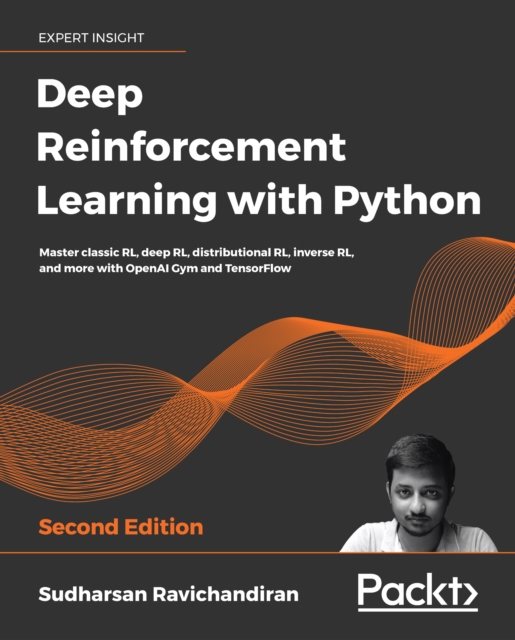
An example-rich guide for beginners to start their reinforcement and deep reinforcement learning journey with state-of-the-art distinct algorithmsKey FeaturesCovers a vast spectrum of basic-to-advanced RL algorithms with mathematical explanations of each algorithmLearn how to implement algorithms with code by following examples with line-by-line explanationsExplore the latest RL methodologies such as DDPG, PPO, and the use of expert demonstrationsBook DescriptionWith significant enhancements in the quality and quantity of algorithms in recent years, this second edition of Hands-On Reinforcement Learning with Python has been revamped into an example-rich guide to learning state-of-the-art reinforcement learning (RL) and deep RL algorithms with TensorFlow 2 and the OpenAI Gym toolkit.
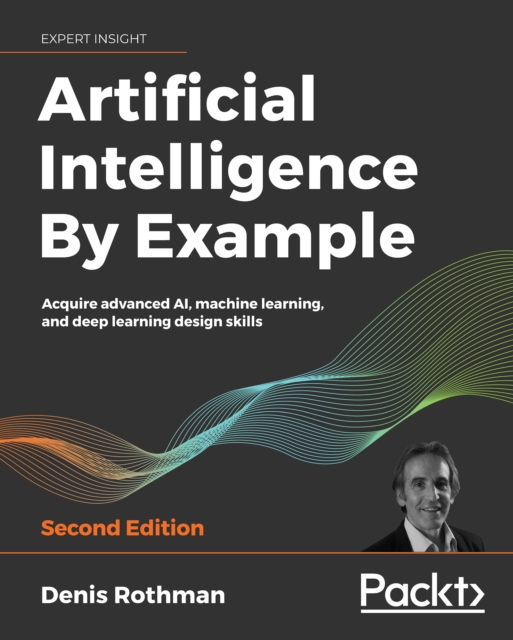
Understand the fundamentals and develop your own AI solutions in this updated edition packed with many new examplesKey FeaturesAI-based examples to guide you in designing and implementing machine intelligenceBuild machine intelligence from scratch using artificial intelligence examplesDevelop machine intelligence from scratch using real artificial intelligenceBook DescriptionAI has the potential to replicate humans in every field.
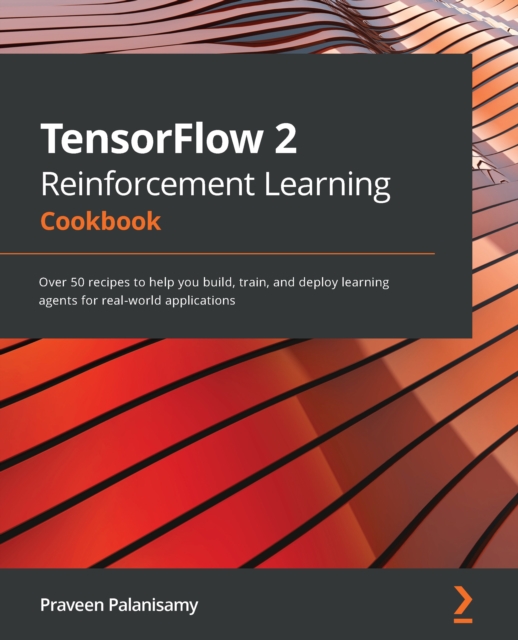
Discover recipes for developing AI applications to solve a variety of real-world business problems using reinforcement learningKey FeaturesDevelop and deploy deep reinforcement learning-based solutions to production pipelines, products, and servicesExplore popular reinforcement learning algorithms such as Q-learning, SARSA, and the actor-critic methodCustomize and build RL-based applications for performing real-world tasksBook DescriptionWith deep reinforcement learning, you can build intelligent agents, products, and services that can go beyond computer vision or perception to perform actions.
Get well-versed with traditional as well as modern natural language processing concepts and techniquesKey FeaturesPerform various NLP tasks to build linguistic applications using Python librariesUnderstand, analyze, and generate text to provide accurate resultsInterpret human language using various NLP concepts, methodologies, and toolsBook DescriptionNatural Language Processing (NLP) is the subfield in computational linguistics that enables computers to understand, process, and analyze text.
Get to grips with building powerful deep learning models using PyTorch and scikit-learnKey FeaturesLearn how you can speed up the deep learning process with one-shot learningUse Python and PyTorch to build state-of-the-art one-shot learning modelsExplore architectures such as Siamese networks, memory-augmented neural networks, model-agnostic meta-learning, and discriminative k-shot learningBook DescriptionOne-shot learning has been an active field of research for scientists trying to develop a cognitive machine that mimics human learning.
Get hands-on with the browser-based JavaScript library for training and deploying machine learning models effectivelyKey FeaturesBuild, train and run machine learning models in the browser using TensorFlow.
Apply neural network architectures to build state-of-the-art computer vision applications using the Python programming languageKey FeaturesGain a fundamental understanding of advanced computer vision and neural network models in use todayCover tasks such as low-level vision, image classification, and object detectionDevelop deep learning models on cloud platforms and optimize them using TensorFlow Lite and the OpenVINO toolkitBook DescriptionComputer vision allows machines to gain human-level understanding to visualize, process, and analyze images and videos.
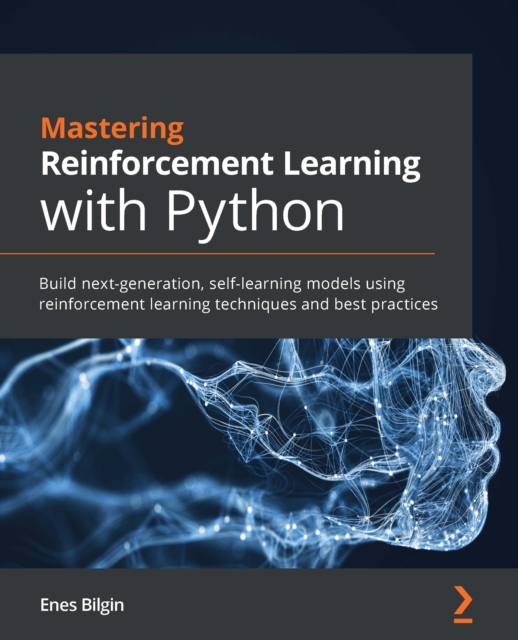
Get hands-on experience in creating state-of-the-art reinforcement learning agents using TensorFlow and RLlib to solve complex real-world business and industry problems with the help of expert tips and best practicesKey FeaturesUnderstand how large-scale state-of-the-art RL algorithms and approaches workApply RL to solve complex problems in marketing, robotics, supply chain, finance, cybersecurity, and moreExplore tips and best practices from experts that will enable you to overcome real-world RL challengesBook DescriptionReinforcement learning (RL) is a field of artificial intelligence (AI) used for creating self-learning autonomous agents.
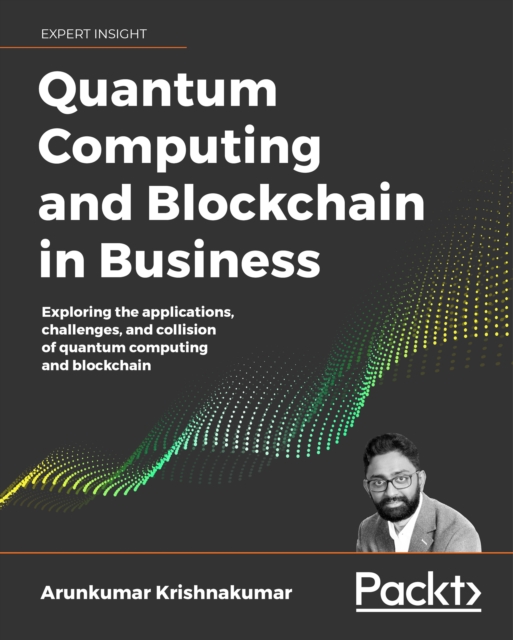
Fintech veteran and venture capitalist, Arunkumar Krishnakumar, cuts through the hype to bring us a first-hand look into how quantum computing and Blockchain together could redefine industries and life as we know it.
A practical, step-by-step guide to using Microsoft's AutoML technology on the Azure Machine Learning service for developers and data scientists working with the Python programming languageKey FeaturesCreate, deploy, productionalize, and scale automated machine learning solutions on Microsoft AzureImprove the accuracy of your ML models through automatic data featurization and model trainingIncrease productivity in your organization by using artificial intelligence to solve common problemsBook DescriptionAutomated Machine Learning with Microsoft Azure will teach you how to build high-performing, accurate machine learning models in record time.
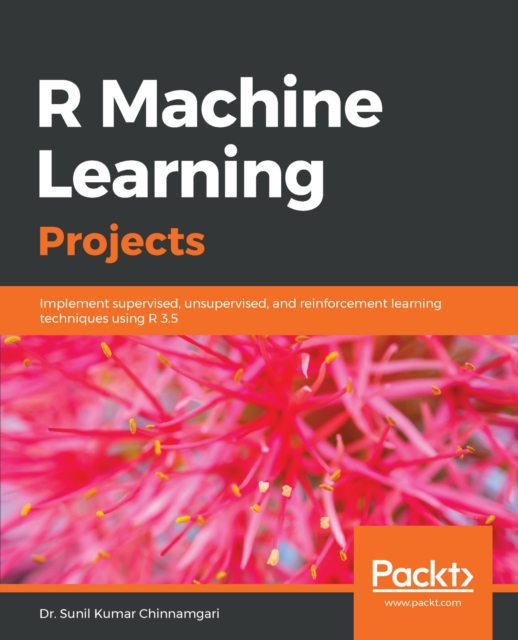
Master a range of machine learning domains with real-world projects using TensorFlow for R, H2O, MXNet, and moreKey FeaturesMaster machine learning, deep learning, and predictive modeling concepts in R 3.
Stay updated with expert techniques for solving data analytics and machine learning challenges and gain insights from complex projects and power up your applicationsKey FeaturesBuild independent machine learning (ML) systems leveraging the best features of R 3.
Build smart applications by implementing real-world artificial intelligence projectsKey FeaturesExplore a variety of AI projects with PythonGet well-versed with different types of neural networks and popular deep learning algorithmsLeverage popular Python deep learning libraries for your AI projectsBook DescriptionArtificial Intelligence (AI) is the newest technology that's being employed among varied businesses, industries, and sectors.
Develop generative models for a variety of real-world use-cases and deploy them to productionKey FeaturesDiscover various GAN architectures using Python and Keras libraryUnderstand how GAN models function with the help of theoretical and practical examplesApply your learnings to become an active contributor to open source GAN applicationsBook DescriptionGenerative Adversarial Networks (GANs) have revolutionized the fields of machine learning and deep learning.
Apply deep learning techniques and neural network methodologies to build, train, and optimize generative network modelsKey FeaturesImplement GAN architectures to generate images, text, audio, 3D models, and moreUnderstand how GANs work and become an active contributor in the open source communityLearn how to generate photo-realistic images based on text descriptionsBook DescriptionWith continuously evolving research and development, Generative Adversarial Networks (GANs) are the next big thing in the field of deep learning.
Leverage the power of Tensorflow to Create powerful software agents that can self-learn to perform real-world tasksKey FeaturesExplore efficient Reinforcement Learning algorithms and code them using TensorFlow and PythonTrain Reinforcement Learning agents for problems, ranging from computer games to autonomous driving.
Your one-stop guide to learning and implementing artificial neural networks with Keras effectivelyKey FeaturesDesign and create neural network architectures on different domains using KerasIntegrate neural network models in your applications using this highly practical guideGet ready for the future of neural networks through transfer learning and predicting multi network modelsBook DescriptionNeural networks are used to solve a wide range of problems in different areas of AI and deep learning.
Leverage the power of reward-based training for your deep learning models with PythonKey FeaturesUnderstand Q-learning algorithms to train neural networks using Markov Decision Process (MDP)Study practical deep reinforcement learning using Q-NetworksExplore state-based unsupervised learning for machine learning modelsBook DescriptionQ-learning is a machine learning algorithm used to solve optimization problems in artificial intelligence (AI).
An easy-to-follow, step-by-step guide for getting to grips with the real-world application of machine learning algorithmsKey FeaturesExplore statistics and complex mathematics for data-intensive applicationsDiscover new developments in EM algorithm, PCA, and bayesian regressionStudy patterns and make predictions across various datasetsBook DescriptionMachine learning has gained tremendous popularity for its powerful and fast predictions with large datasets.
Insightful projects to master deep learning and neural network architectures using Python and KerasKey FeaturesExplore deep learning across computer vision, natural language processing (NLP), and image processingDiscover best practices for the training of deep neural networks and their deploymentAccess popular deep learning models as well as widely used neural network architecturesBook DescriptionDeep learning has been gradually revolutionizing every field of artificial intelligence, making application development easier.
Explore and implement deep learning to solve various real-world problems using modern R libraries such as TensorFlow, MXNet, H2O, and DeepnetKey FeaturesUnderstand deep learning algorithms and architectures using R and determine which algorithm is best suited for a specific problemImprove models using parameter tuning, feature engineering, and ensemblingApply advanced neural network models such as deep autoencoders and generative adversarial networks (GANs) across different domainsBook DescriptionDeep learning enables efficient and accurate learning from a massive amount of data.
Implement state-of-the-art deep reinforcement learning algorithms using Python and its powerful librariesKey FeaturesImplement Q-learning and Markov models with Python and OpenAIExplore the power of TensorFlow to build self-learning modelsEight AI projects to gain confidence in building self-trained applicationsBook DescriptionReinforcement learning is one of the most exciting and rapidly growing fields in machine learning.
Your hands-on reference guide to developing, training, and optimizing your machine learning modelsKey FeaturesYour guide to learning efficient machine learning processes from scratchExplore expert techniques and hacks for a variety of machine learning conceptsWrite effective code in R, Python, Scala, and Spark to solve all your machine learning problemsBook DescriptionMachine learning makes it possible to learn about the unknowns and gain hidden insights into your datasets by mastering many tools and techniques.
Activity, Behavior, and Healthcare Computing relates to the fields of vision and sensor-based human action or activity and behavior analysis and recognition.
Explore powerful R packages to create predictive models using ensemble methodsKey FeaturesImplement machine learning algorithms to build ensemble-efficient modelsExplore powerful R packages to create predictive models using ensemble methodsLearn to build ensemble models on large datasets using a practical approachBook DescriptionEnsemble techniques are used for combining two or more similar or dissimilar machine learning algorithms to create a stronger model.
100 recipes that teach you how to perform various machine learning tasks in the real worldKey Features[*]Understand which algorithms to use in a given context with the help of this exciting recipe-based guide[*]Learn about perceptrons and see how they are used to build neural networks[*]Stuck while making sense of images, text, speech, and real estate?
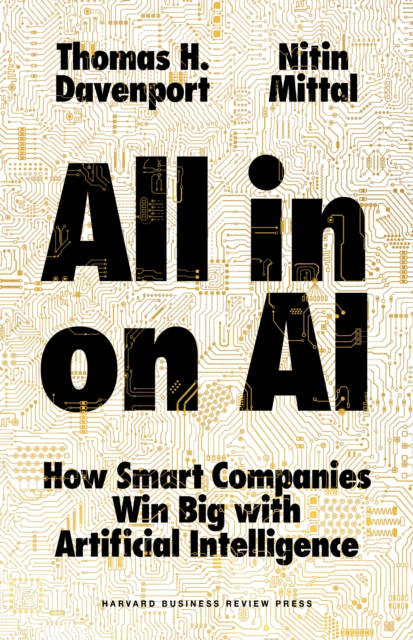
A Wall Street Journal bestsellerA Publisher's Weekly bestsellerA fascinating look at the trailblazing companies using artificial intelligence to create new competitive advantage, from the author of the business classic, Competing on Analytics, and the head of Deloitte's US AI practice.