Named one of The five best books to understand AI by The EconomistThe impact AI will have is profound, but the economic framework for understanding it is surprisingly simple.
The 2022 World Economic Forum surveyed 1,000 experts and leaders who indicated their risk perception that the earths conditions for humans are a main concern in the next 10 years.
Focusing on the fundamentals of machine learning, this book covers broad areas of data-driven modeling, ranging from simple regression to advanced machine learning and optimization methods for applications in materials modeling and discovery.
The advancement of biomedical engineering has enabled the generation of multi-omics data by developing high-throughput technologies, such as next-generation sequencing, mass spectrometry, and microarrays.
Probabilistic Reasoning in Intelligent Systems is a complete and accessible account of the theoretical foundations and computational methods that underlie plausible reasoning under uncertainty.
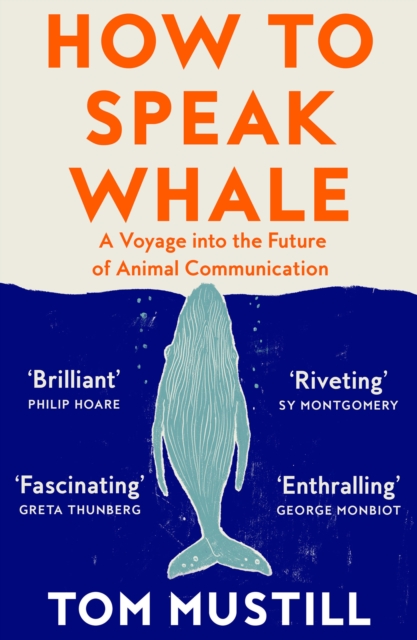
'Fascinating' Greta Thunberg'Extraordinary' Merlin Sheldrake'A must-read' New Scientist'Enthralling' George Monbiot'Brilliant' Philip HoareWildlife filmmaker Tom Mustill had always liked whales.
May 11, 1997, was a watershed moment in the history of artificial intelligence (AI): the IBM supercomputer chess engine, Deep Blue, beat the world Chess champion, Garry Kasparov.
This book contains original, peer-reviewed research articles from the 5th International Conference on Recent Trends in Machine Learning, IoT, Smart Cities, and Applications, held in Hyderabad, India on 28-29 March 2024.
A clear-eyed look at how AI can complement (rather than eliminate) human jobs, with real-world examples from companies that range from Netflix to Walmart.
An accessible introduction to the artificial intelligence technology that enables computer vision, speech recognition, machine translation, and driverless cars.
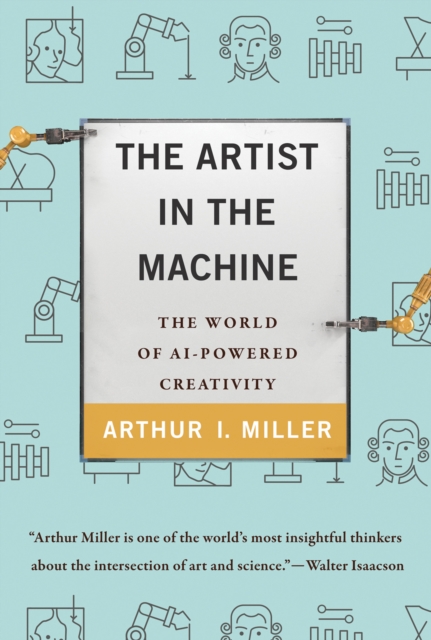
An authority on creativity introduces us to AI-powered computers that are creating art, literature, and music that may well surpass the creations of humans.
Key concepts, definitions, examples, and historical contexts for understanding smart cities, along with discussions of both drawbacks and benefits of this approach to urban problems.
An accessible synthesis of ethical issues raised by artificial intelligence that moves beyond hype and nightmare scenarios to address concrete questions.
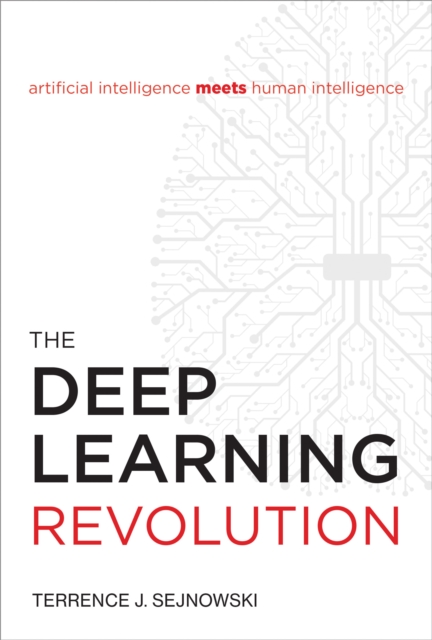
How deep learning—from Google Translate to driverless cars to personal cognitive assistants—is changing our lives and transforming every sector of the economy.
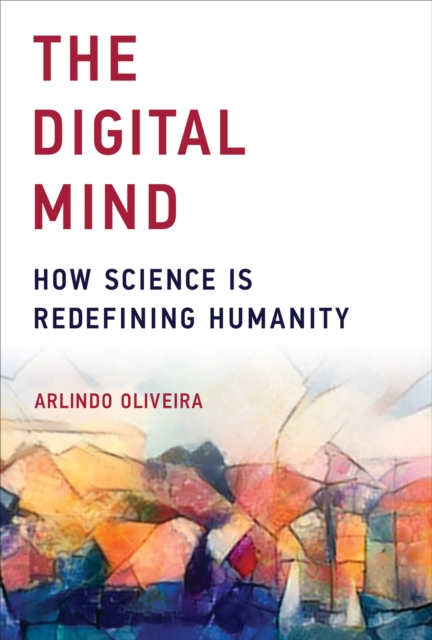
How developments in science and technology may enable the emergence of purely digital minds—intelligent machines equal to or greater in power than the human brain.
A concise, nontechnical overview of the development of machine translation, including the different approaches, evaluation issues, and major players in the industry.
An overarching framework for comparing and steering complex adaptive systems is developed through understanding the mechanisms that generate their intricate signal/boundary hierarchies.
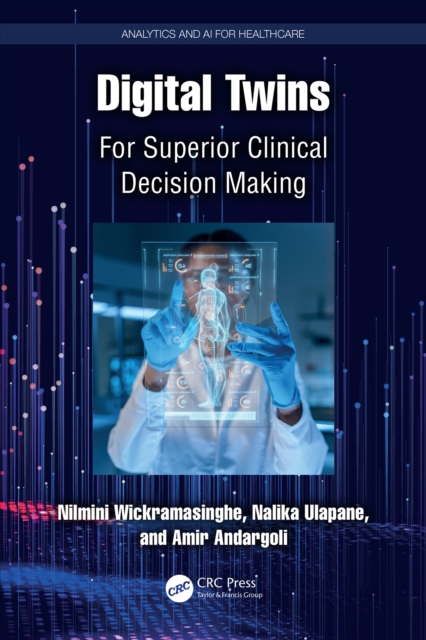
This book centres on the topic of digital twins for superior healthcare decision support, as access is enabled to large volumes of multi-dimensional data such as patient's electronic medical records, medical scans, and data.
Cutting-edge machine learning principles, practices, and applicationsThis comprehensive textbook explores the theoretical under pinnings of learning and equips readers with the knowledge needed to apply powerful machine learning techniques to solve challenging real-world problems.
This handbook explores smart cities of the future, provides an understanding of their development and management systems, and discusses the technology challenges.
The advent of Generative AI has democratized access to AI, prompting nearly everyone in healthcare organizations - from frontline workers to business leaders - to ask pressing questions: How can I be better equipped to support AI adoption meaningfully?
Engineering Swarms for Cyber-Physical Systems covers the whole design cycle for applying swarm intelligence in Cyber-Physical Systems (CPS) and guides readers through modeling, design, simulation, and final deployment of swarm systems.
Advanced Applications in Heat Exchanger Technologies presents the most recent developments in enhancing heat exchanger performance, reliability, and resilience, including the implementation of Artificial Intelligence, Machine Learning, and Additive Manufacturing.
The aim of this book is to demonstrate the use of business driven risk assessments to address government regulations and guidelines specific to AI risks, as AI systems often require access to personal data.