This book delves into the history of biometrics, the different systems that have been developed to date, problems that have arisen from these systems, the necessity of AI-based biometrics systems, different AI techniques developed to date (including machine learning, deep learning, natural language processing, and pattern recognition), their potential uses and applications, security and privacy issues in AI-based Biometric systems, current trends in AI-based biometrics, and presents case studies of AI-based biometrics.
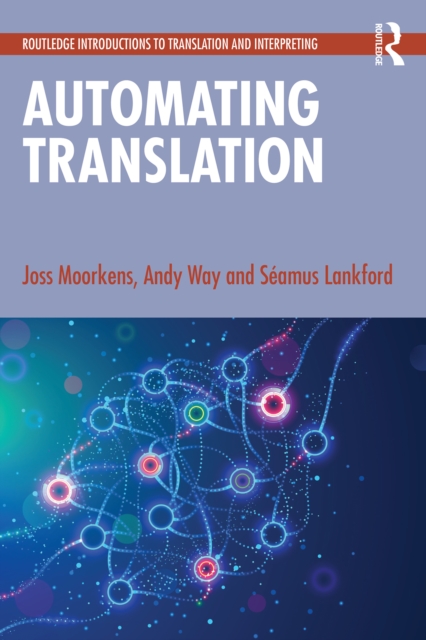
Translation technology is essential for translation students, practising translators, and those working as part of the language services industry, but looming above others are the tools for automating translation: machine translation and, more recently, generative AI based on large language models (LLMs).
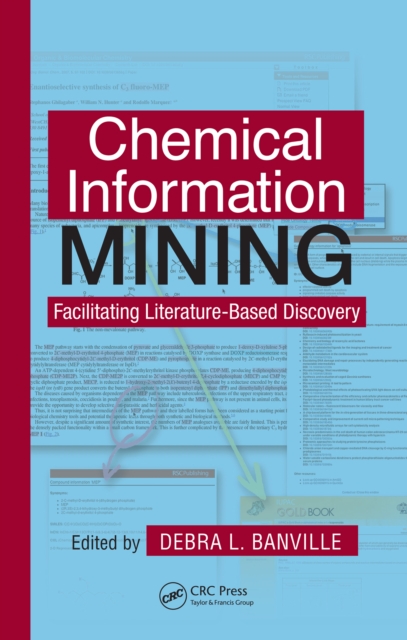
The First Book to Describe the Technical and Practical Elements of Chemical Text MiningExplores the development of chemical structure extraction capabilities and how to incorporate these technologies in daily research workFor scientific researchers, finding too much information on a subject, not finding enough information, or not being able&nb
This volume explores decision-making styles, including cooperative, collaborative, avoidant, competitive, and dominate that are commonly modified by the culture.
"e;Careers in Information Technology: Artificial Intelligence (AI) Engineer"e; is a comprehensive guide designed for individuals aspiring to pursue a rewarding and dynamic career in the field of Artificial Intelligence.
Myriad forms of communication occur within the criminal justice system as judges and attorneys speak to juries, law enforcement officers interact with the public, and the news media presents stories of events in courtrooms.
"e;Careers in Information Technology: Computer Vision Engineer"e; offers a comprehensive exploration into the dynamic field of computer vision engineering.
This book provides a practical guide on annotating emotions in natural language data and showcases how these annotations can improve Natural Language Processing (NLP) and Natural Language Understanding (NLU) models and applications.
This book provides a practical guide on annotating emotions in natural language data and showcases how these annotations can improve Natural Language Processing (NLP) and Natural Language Understanding (NLU) models and applications.