Every issue of Ashgate's Human Factors and Aerospace Safety: An International Journal publishes an invited, critical review of a key area from a widely-respected researcher.
Every issue of Ashgate's Human Factors and Aerospace Safety: An International Journal publishes an invited, critical review of a key area from a widely-respected researcher.
In research and application of Human Factors in Air Traffic Management (ATM) systems design, development and operation, there remains a lack of clarity regarding the range and integration of activities associated with the need for greater attention to issues such as human error, interface design and teamwork, especially in systems with increased levels of automation.
In research and application of Human Factors in Air Traffic Management (ATM) systems design, development and operation, there remains a lack of clarity regarding the range and integration of activities associated with the need for greater attention to issues such as human error, interface design and teamwork, especially in systems with increased levels of automation.
Taking an integrated, systems approach to dealing exclusively with the human performance issues encountered on the flight deck of the modern airliner, this book describes the inter-relationships between the various application areas of human factors, recognising that the human contribution to the operation of an airliner does not fall into neat pigeonholes.
Taking an integrated, systems approach to dealing exclusively with the human performance issues encountered on the flight deck of the modern airliner, this book describes the inter-relationships between the various application areas of human factors, recognising that the human contribution to the operation of an airliner does not fall into neat pigeonholes.
This unique book expands the contribution of aviation psychology and human factors to the aviation industry within the Asia Pacific region, with participation from many other parts of the globe, and key local and international experts, developing the safety, efficiency and viability of the industry.
This unique book expands the contribution of aviation psychology and human factors to the aviation industry within the Asia Pacific region, with participation from many other parts of the globe, and key local and international experts, developing the safety, efficiency and viability of the industry.
The fourth edition of this standard student text, Organizing Knowledge, incorporates extensive revisions reflecting the increasing shift towards a networked and digital information environment, and its impact on documents, information, knowledge, users and managers.
The fourth edition of this standard student text, Organizing Knowledge, incorporates extensive revisions reflecting the increasing shift towards a networked and digital information environment, and its impact on documents, information, knowledge, users and managers.
Paul Maharg presents a critical inquiry into the identity and possibilities of legal education, and an exploration of transformational alternatives to our current theories and practices of teaching and learning the law.
Paul Maharg presents a critical inquiry into the identity and possibilities of legal education, and an exploration of transformational alternatives to our current theories and practices of teaching and learning the law.
Designing Web-Based Applications for 21st Century Writing Classrooms brings together, for the first time, a group of scholars and teachers who have been developing, on their own initiative, web-based solutions to technical and professional writing instructional problems.
Designing Web-Based Applications for 21st Century Writing Classrooms brings together, for the first time, a group of scholars and teachers who have been developing, on their own initiative, web-based solutions to technical and professional writing instructional problems.
Interaction for Designers shows you how to connect a product with its users, whether it's a simple toaster, a complex ecosystem of intelligent devices, or a single app on your smartphone.
Interaction for Designers shows you how to connect a product with its users, whether it's a simple toaster, a complex ecosystem of intelligent devices, or a single app on your smartphone.
The increasingly global nature of the World Wide Web presents new challenges and opportunities for technical communicators who must develop content for clients or colleagues from other cultures and in other nations.
The increasingly global nature of the World Wide Web presents new challenges and opportunities for technical communicators who must develop content for clients or colleagues from other cultures and in other nations.
Human-Robot Interaction: Safety, Standardization, and Benchmarking provides a comprehensive introduction to the new scenarios emerging where humans and robots interact in various environments and applications on a daily basis.
Human-Robot Interaction: Safety, Standardization, and Benchmarking provides a comprehensive introduction to the new scenarios emerging where humans and robots interact in various environments and applications on a daily basis.
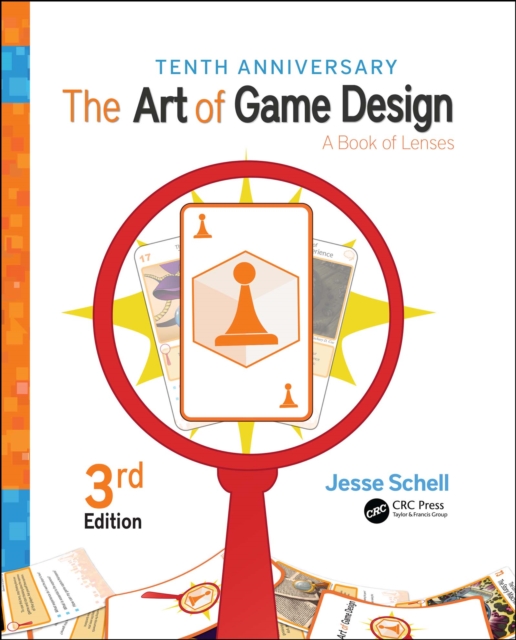
The Art of Game Design guides you through the design process step-by-step, helping you to develop new and innovative games that will be played again and again.
The Art of Game Design guides you through the design process step-by-step, helping you to develop new and innovative games that will be played again and again.
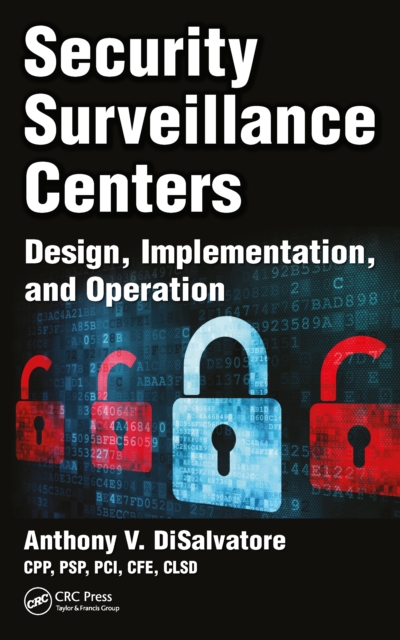
Unlike current books on the market that focus primarily on the technical aspects of surveillance and protection, Security Surveillance Centers: Design, Implementation, and Operation focuses on the operation of a security surveillance center.
This title was first published in 2000: Teaching, learning and assessment methods are constantly evolving, providing the educator with a range of issues and new challenges.
This title was first published in 2000: Teaching, learning and assessment methods are constantly evolving, providing the educator with a range of issues and new challenges.
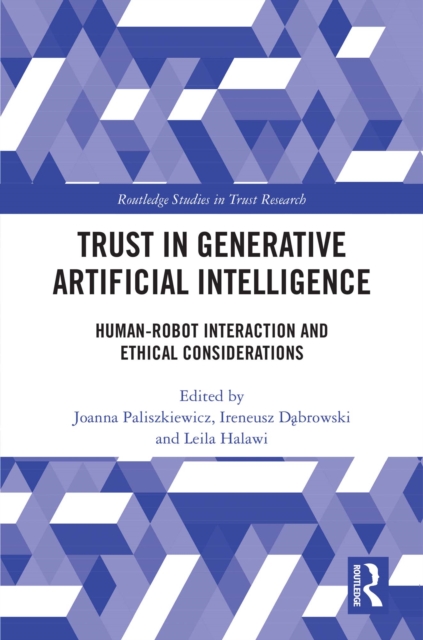
Trust in Generative Artificial Intelligence: Human Robot Interaction and Ethical Considerations is a comprehensive exploration of the critical role of trust in the rapidly evolving world of AI.
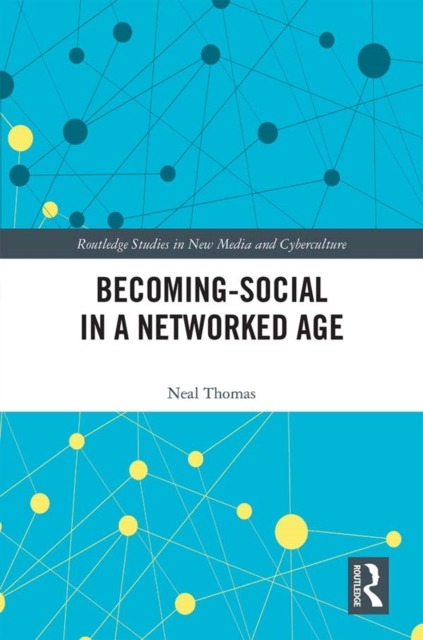
This book examines the semiotic effects of protocols and algorithms at work in popular social media systems, bridging philosophical conversations in human-computer interaction (HCI) and information systems (IS) design with contemporary work in critical media, technology and software studies.