As the human population grows from seven billion toward an inevitable nine or 10 billion, the demands on the limited supply of soils will grow and intensify.
Biometry for Forestry and Environmental Data with Examples in R focuses on statistical methods that are widely applicable in forestry and environmental sciences, but it also includes material that is of wider interest.
Systems at the surface of the Earth are continually responding to energy inputs - rived ultimately from radiation from the Sun or from the radiogenic heat in the - terior.
This book provides a detailed description of light absorption and absorbents in seawaters with respect to provenance, region of the sea, depth of the occurrence and trophicity.
Crystallographers have an elegant system using definitive notation for describing crystal structures, but it does not serve as well the needs of many others working with crystalline solids.
Coal Combustion Byproducts and Environmental Issues addresses the major implications and critical issues surrounding coal combustion products and their impact upon the environment.
Nanotechnology has received tremendous interest over the last decade, not only from the scientific community but also from a business perspective and from the general public.
Studies of prehistoric exchange of goods provide information about the types of economic interaction, social organization, or political structures in which prehistoric peoples were engaged.
Authored by one of the world's hydrocarbon exploration experts, Geophysical Exploration Technology: Applications in Lithological and Stratigraphic Reservoirs presents the latest technological advancements and cutting edge techniques in reservoir theory, research and exploration.
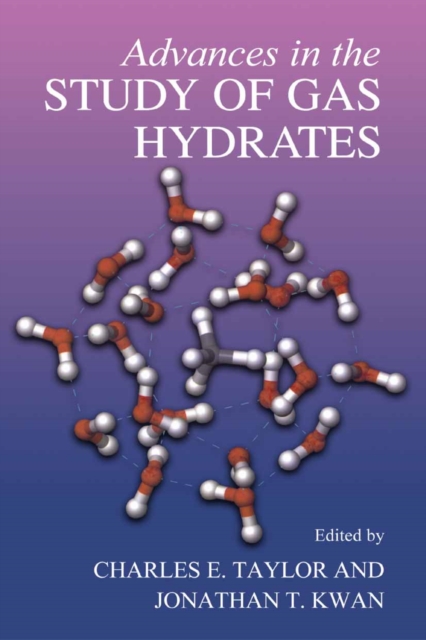
This book had its genesis in a symposium on gas hydrates presented at the 2003 Spring National Meeting of the American Institute of Chemical Engineers.
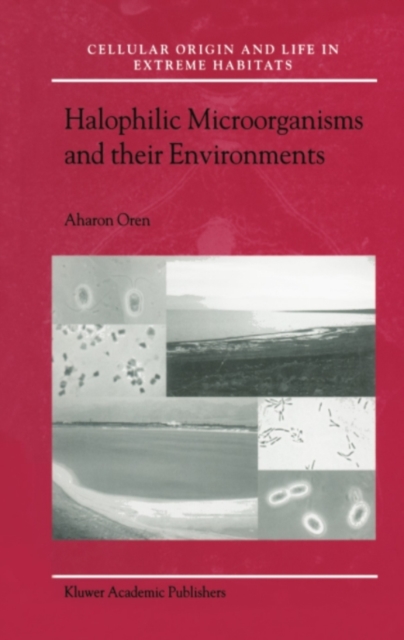
"e;This water"e; he told me, "e;runs out to the eastern region, and flows into the Arabah; and when it comes into the sea, into the sea of foul waters [i.
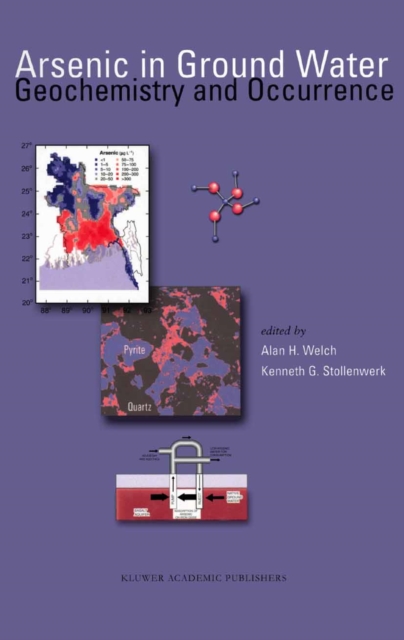
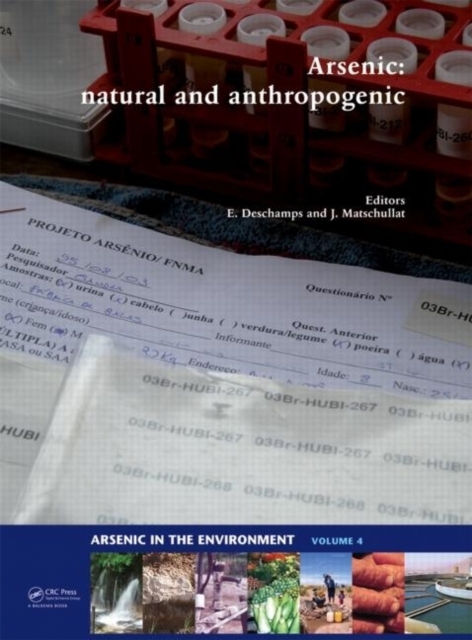
Interest in arsenic in ground water has greatly increased in the past decade because of the increased awareness of human health effects and the costs of avoidance or treatment of ground water supplies used for consumption.
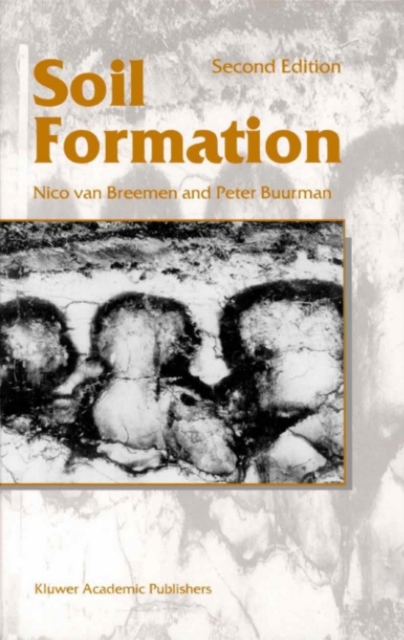
Soil Formation deals with qualitative and quantitative aspects of soil formation (or pedogenesis) and the underlying chemical, biological, and physical processes.
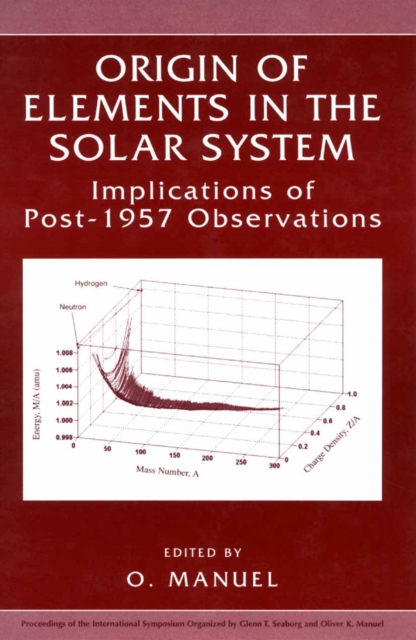
Based on an American Chemical Society Symposium organized by Professors Glenn Seaborg and Oliver Manuel, this volume provides a comprehensive record of different views on this important subject at the end of the 20th century.
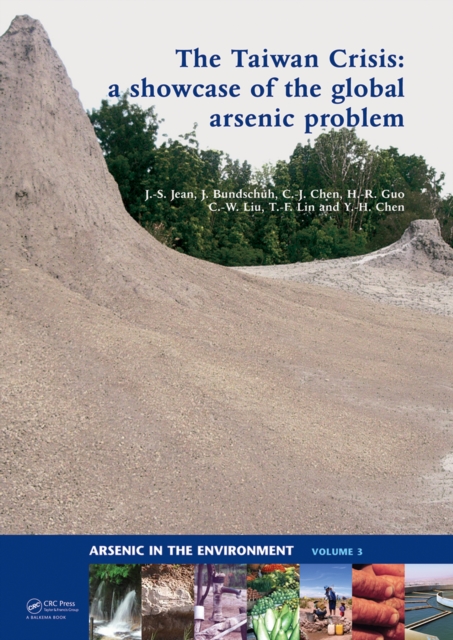
In the 1950s, the residents of the southwestern coastal areas of Taiwan suffered greatly from Blackfoot disease (BFD) due to the consumption of arsenic-contaminated groundwater.
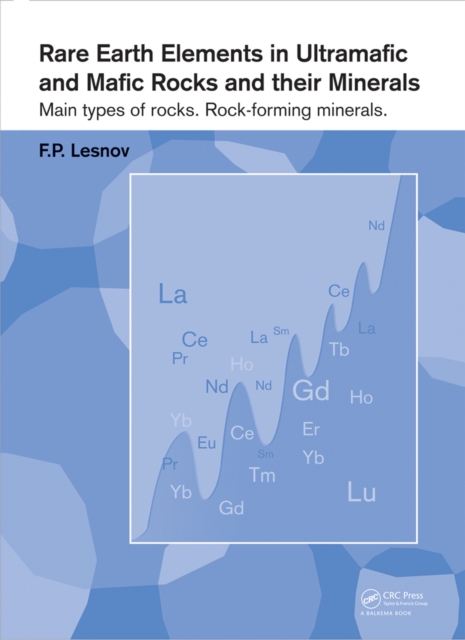
This book gives an overview of the world,s literature on analytical data and theoretical concepts of the regularities of rare earth elements (REE) in ultramafic and mafic rocks of different chemical and mineral compositions , mantle restites (including those composing mantle xenoliths in alkali basaltoids), highly magnesium hypabyssal roc
Providing an introduction, the scientific background, case studies and future perspectives of in-situ arsenic remediation technologies for soils, soil water and groundwater at geogenic and anthropogenic contaminated sites.
This book presents an extensive overview of literature published globally in the last decades on REE distribution in minor and accessory minerals from various types of ultramafic, mafic, and other plutonic rocks.
In 1936 a German chemist identified certain organic molecules that he had extracted from ancient rocks and oils as the fossil remains of chlorophyll--presumably from plants that had lived and died millions of years in the past.
In 1936 a German chemist identified certain organic molecules that he had extracted from ancient rocks and oils as the fossil remains of chlorophyll--presumably from plants that had lived and died millions of years in the past.
The Aqueous Chemistry of Oxides is a single-volume text that encapsulates all of the critical issues associated with how oxide materials interact with aqueous solutions.
Geochemical reaction modeling plays an increasingly vital role in several areas of geoscience, from environmental geochemistry and petroleum geology to the study of geothermal and hydrothermal fluids.
This work is based on the observation that further major advances in geochemistry, particularly in understanding the rules that govern the ways in which elements come together to form minerals and rocks, will require the application of the theories of quantum mechanics.
Students of geology who may have only a modest background in mathematics need to become familiar with the theories of stress, strain, and other tensor quantities, so that they can follow, and apply to their own research, developments in modern, quantitative geology.
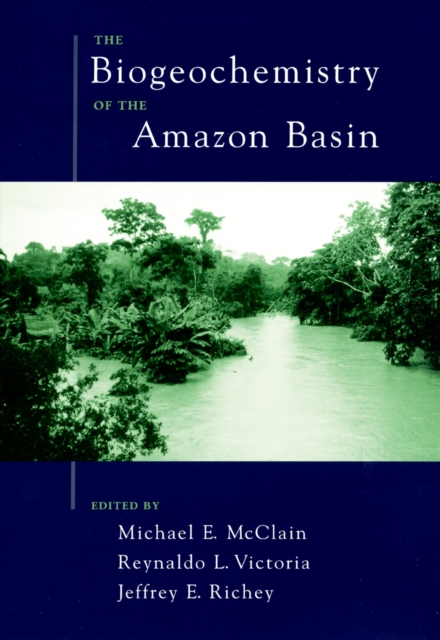
With a complex assemblage of largely intact ecosystems that support the earth's greatest diversity of life, the Amazon basin is a focal point of international scientific interest.
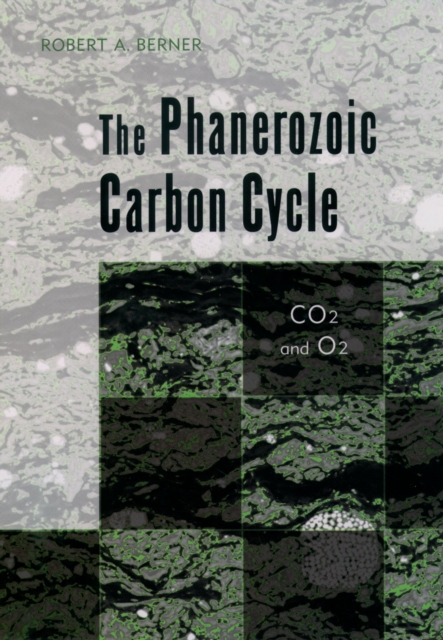
The term "e;carbon cycle"e; is normally thought to mean those processes that govern the present-day transfer of carbon between life, the atmosphere, and the oceans.
The Earth that sustains us today was born out of a few remarkable, near-catastrophic revolutions, started by biological innovations and marked by global environmental consequences.
The Earth that sustains us today was born out of a few remarkable, near-catastrophic revolutions, started by biological innovations and marked by global environmental consequences.