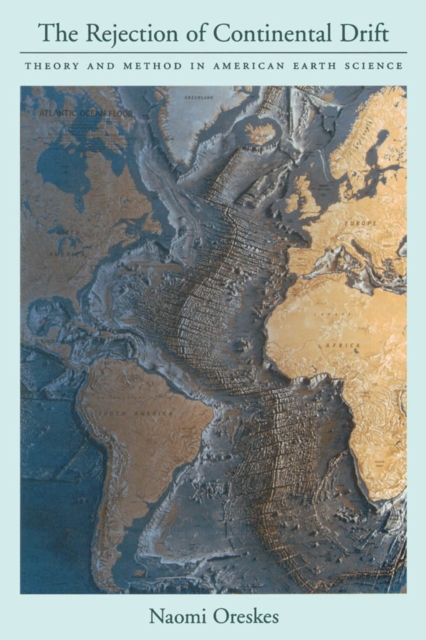
In the early twentieth century, American earth scientists were united in their opposition to the new--and highly radical--notion of continental drift, even going so far as to label the theory "e;unscientific.
The Pleistocene epoch or Ice Age, an extended period of advancing and retreating ice sheets, is characterized by striking climatic oscillations and sea level fluctuations.
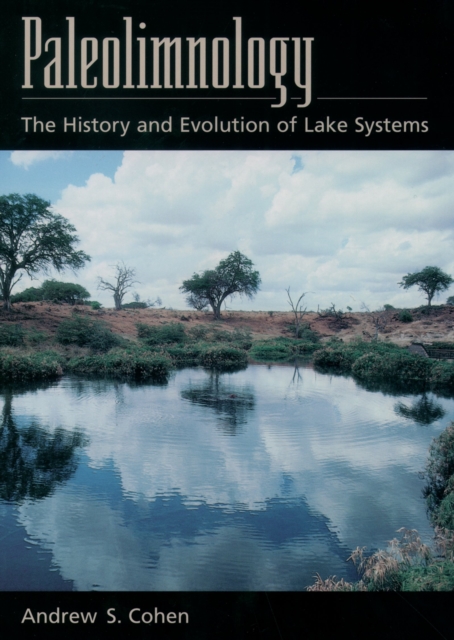
This text, written by a leading researcher in the field, describes the origin and formation of lakes in order to give context to the question of how lacustrine deposits form.
Soils, invaluable indicators of the nature and history of the physical and human landscape, have strongly influenced the cultural record left to archaeologists.
The term "e;carbon cycle"e; is normally thought to mean those processes that govern the present-day transfer of carbon between life, the atmosphere, and the oceans.
To this day, there is a great amount of controversy about where, when and how the so-called supercontinents--Pangea, Godwana, Rodinia, and Columbia--were made and broken.
Geology and Health is an integration of papers from geo-bio-chemical scientists on health issues of concern to humankind worldwide, demonstrating how the health and well-being of populations now and in the future can benefit through coordinated scientific efforts.
This new edition includes 10,000 entries which cover all areas of geoscience, including planetary science, oceanography, palaeontology, mineralogy and volcanology.
This multi-contributor, international volume synthesizes contributions from the world's leading soil scientists and ecologists, describing cutting-edge research that provides a basis for the maintenance of soil health and sustainability.
This multi-contributor, international volume synthesizes contributions from the world's leading soil scientists and ecologists, describing cutting-edge research that provides a basis for the maintenance of soil health and sustainability.
Despite being one of the most successful branches of mainstream archaeology, wetland archaeology, as an academic discipline, is still relatively unknown.
Aboveground-Belowground Linkages provides the most up-to-date and comprehensive synthesis of recent advances in our understanding of the roles that interactions between aboveground and belowground communities play in regulating the structure and function of terrestrial ecosystems, and their responses to global change.
This is a book about the dramatic periods in the Earth's history called mass extinctions - short periods (by geological standards) when life nearly died out on Earth.
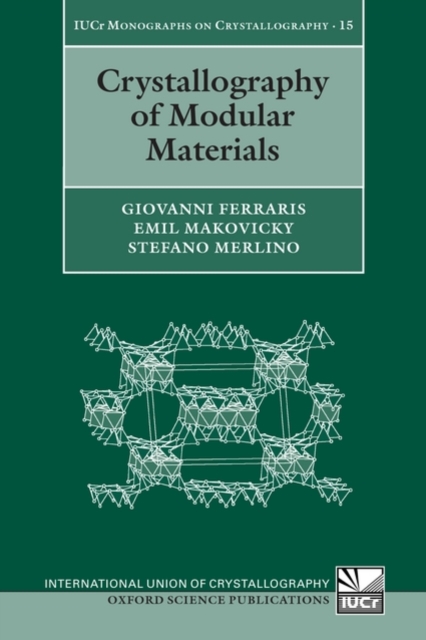
This is the first book to provide a comprehensive treatment of theories and applications in the rapidly expanding field of the crystallography of modular materials.
This book is unique in providing a comprehensive, up-to-date synthesis of what is known about soil biodiversity and the factors that regulate its distribution, as well as the functional significance of below-ground biodiversity for ecosystem form and function.
This is a book about the dramatic periods in the Earth's history called mass extinctions - short periods (by geological standards) when life nearly died out on Earth.
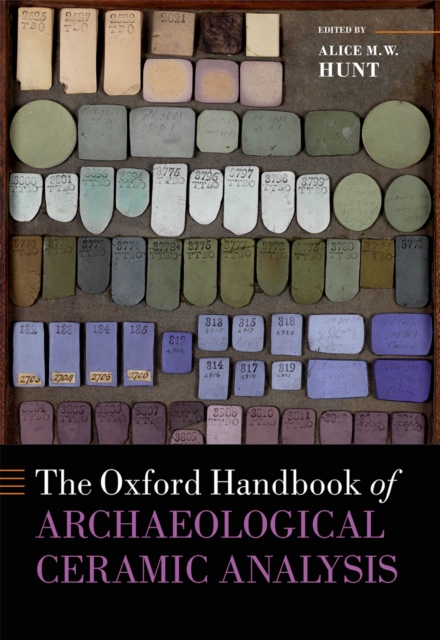
The Oxford Handbook of Archaeological Ceramic Analysis draws together topics and methodologies essential for the socio-cultural, mineralogical, and geochemical analysis of archaeological ceramic.