With a sharp focus on environmental pollution and its impact on life and nature, scientists and engineers have studied the water treatment effect of natural wetlands for many years, resulting in the development of constructed wetlands (CWs) for treating wastewater.
This book highlights advances in sustainable wastewater treatment technologies, particularly biological wastewater treatment, cavitation-based treatment, hybrid water treatment, membrane technologies, advance oxidation processes, and adsorption.
Maritime Technology and Engineering 3 is a collection of papers presented at the 3rd International Conference on Maritime Technology and Engineering (MARTECH 2016, Lisbon, Portugal, 4-6 July 2016).
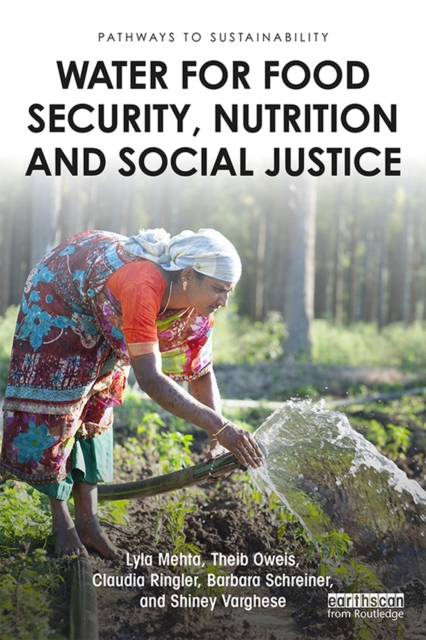
This book is the first comprehensive effort to bring together Water, Food Security and Nutrition (FSN) in a way that goes beyond the traditional focus on irrigated agriculture.
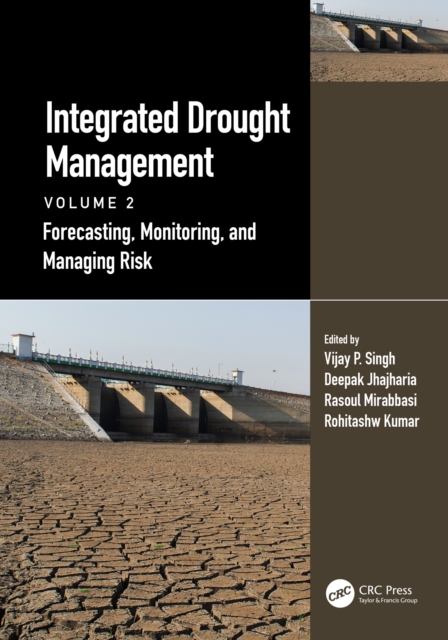
The second volume of this comprehensive global perspective on Integrated Drought Management is focused on drought modeling, meteorological prediction, and the use of remote sensing in assessing, analyzing, and monitoring drought.
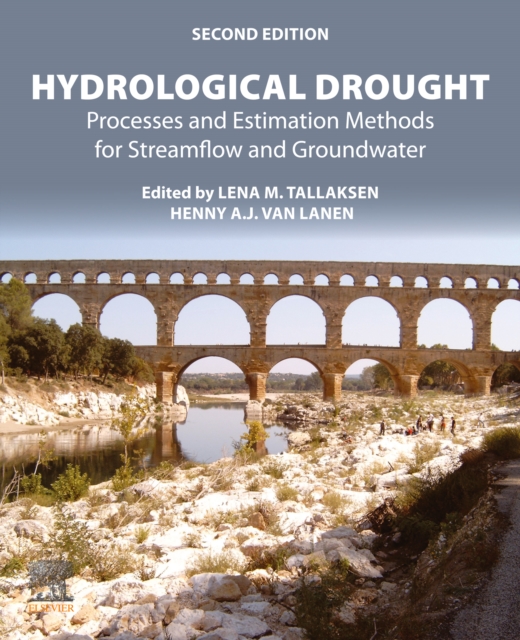
Hydrological Drought: Processes and Estimation Methods for Streamflow and Groundwater, Second Edition provides a comprehensive review of processes and estimation methods for streamflow and groundwater drought.
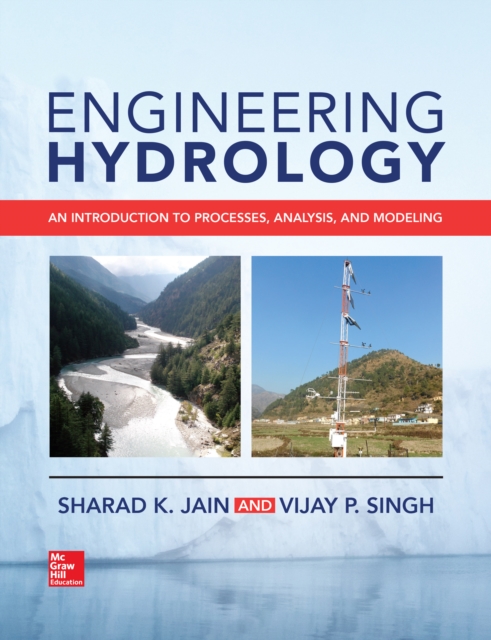
Publisher's Note: Products purchased from Third Party sellers are not guaranteed by the publisher for quality, authenticity, or access to any online entitlements included with the product.
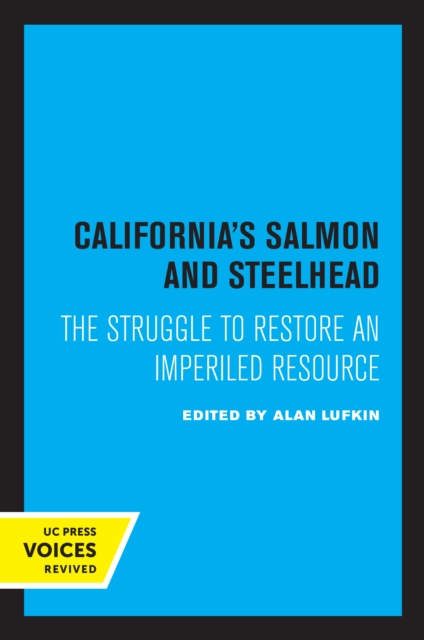
Millions upon millions of salmon and steelhead once filled California streams, providing a plentiful and sustainable food resource for the original peoples of the region.
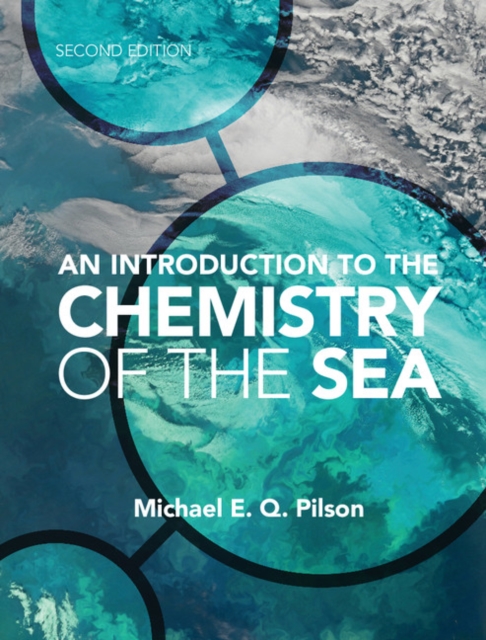
An engaging introduction to marine chemistry and the ocean''s geochemical interactions with the solid earth and atmosphere, for students of oceanography.
An engaging introduction to marine chemistry and the ocean''s geochemical interactions with the solid earth and atmosphere, for students of oceanography.
This edited volume provides a critical discussion of particular trends that are widely recognised to influence water management by comparing them with what is actually happening in the field.
This book argues that a variety of policies will be required to create synergies between the water-energy-food nexus sectors while reducing trade-offs in the development of a green economy.
This book offers new research on urban policy innovations that promote the application of blue-green infrastructure in managing water resources sustainably.
The climate over the Indian subcontinent is influenced by complex interactions between the atmosphere, ocean, and land, along with human interventions that are influencing heat extremes, changing monsoon patterns, sea-level rise, and posing serious threats to lives and livelihoods among populations in India.
This book explores the discourse of regulatory crisis in the UK and examines why, despite the increasing contestation of the principles underpinning the regulatory state, its institutions and practices continue to be firmly embedded within the governance of the British state.
As a vital human need, water has been absolutely critical to decisions as to where cities originate, how much they grow and the standard of living of the inhabitants.
As a vital human need, water has been absolutely critical to decisions as to where cities originate, how much they grow and the standard of living of the inhabitants.
This collection of papers explains how knowledge and capacity development can contribute to improved, effective water management with a digest of lessons learned in the areas of development of tools and techniques, field applications and evaluation.
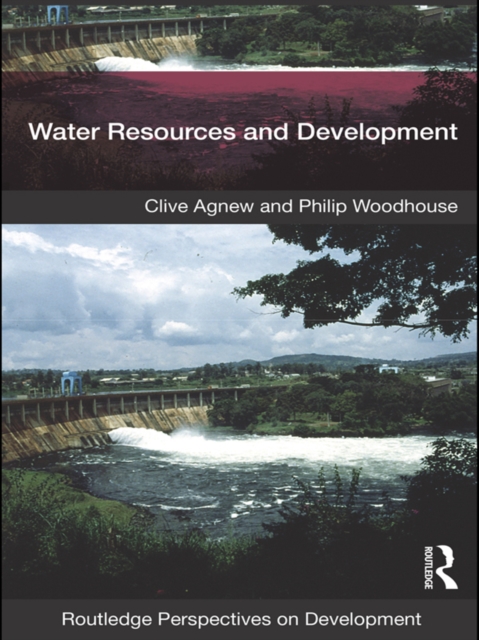
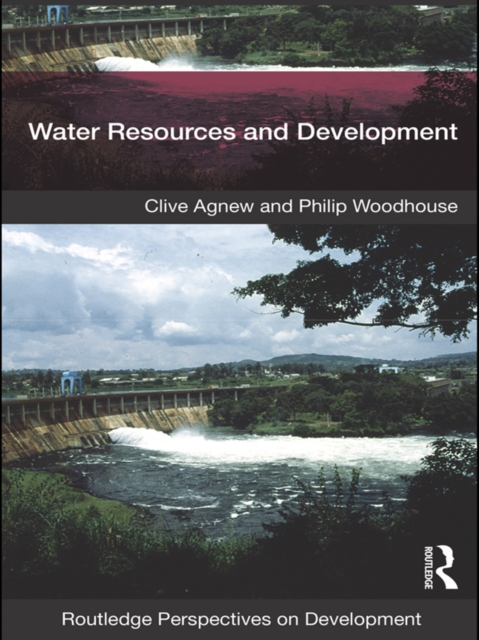
Since the start of the twenty-first century there has been an unprecedented focus upon water as a key factor in the future of both society and environment.
Since the start of the twenty-first century there has been an unprecedented focus upon water as a key factor in the future of both society and environment.
Drawing on extensive fieldwork conducted in Egypt from the late 1990s to 2011, this book shows how experts and activists used distinctive approaches to influence state and firm decision-making in three important environmental policy domains.
Drawing on extensive fieldwork conducted in Egypt from the late 1990s to 2011, this book shows how experts and activists used distinctive approaches to influence state and firm decision-making in three important environmental policy domains.
First published in 1972, this first volume of Professor Lamb's study of our changing climate deals with the fundamentals of climate and climatology, as well as providing global data on the contemporary climates of the twentieth century.
First published in 1972, this first volume of Professor Lamb's study of our changing climate deals with the fundamentals of climate and climatology, as well as providing global data on the contemporary climates of the twentieth century.
Balancing Water for Humans and Nature, authored by two of the world's leading experts on water management, examines water flows - the 'blood stream' of both nature and society - in terms of the crucial links, balances, conflicts and trade-offs between human and environmental needs.
Balancing Water for Humans and Nature, authored by two of the world's leading experts on water management, examines water flows - the 'blood stream' of both nature and society - in terms of the crucial links, balances, conflicts and trade-offs between human and environmental needs.
Better water management will be crucial if we are to meet many of the key challenges of this century - feeding the worlds growing population and reducing poverty, meeting water and sanitation needs, protecting vital ecosystems, all while adapting to climate change.
Better water management will be crucial if we are to meet many of the key challenges of this century - feeding the worlds growing population and reducing poverty, meeting water and sanitation needs, protecting vital ecosystems, all while adapting to climate change.
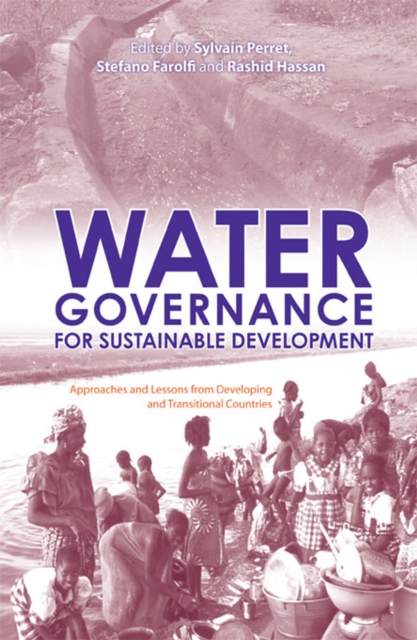
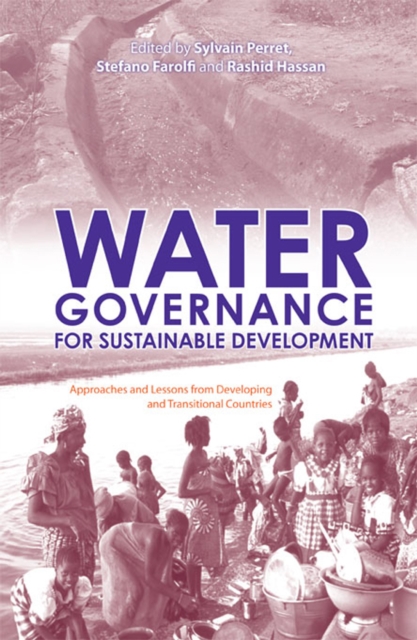
Good management of water resources - universally identified as a key aspect of poverty reduction, agriculture and food security - has proven, in practice, as difficult to achieve as it is eagerly sought.
Good management of water resources - universally identified as a key aspect of poverty reduction, agriculture and food security - has proven, in practice, as difficult to achieve as it is eagerly sought.
Managing water resources is one of the most pressing challenges of our times - fundamental to how we feed 2 billion more people in coming decades, eliminate poverty, and reverse ecosystem degradation.
Managing water resources is one of the most pressing challenges of our times - fundamental to how we feed 2 billion more people in coming decades, eliminate poverty, and reverse ecosystem degradation.