This co-edited volume provides a unified scholarly treatment of intensifying debates on the relationship between water scarcity and environmental security in Central Eurasia.
The litany of alarming observations about water use and misuse is now familiar-over a billion people without access to safe drinking water; almost every major river dammed and diverted; increasing conflicts over the delivery of water in urban areas; continuing threats to water quality from agricultural inputs and industrial wastes; and the increasing variability of climate, including threats of severe droughts and flooding across locales and regions.
The litany of alarming observations about water use and misuse is now familiar-over a billion people without access to safe drinking water; almost every major river dammed and diverted; increasing conflicts over the delivery of water in urban areas; continuing threats to water quality from agricultural inputs and industrial wastes; and the increasing variability of climate, including threats of severe droughts and flooding across locales and regions.
The third edition of Fundamentals of Hydrology provides an absorbing and comprehensive introduction to the understanding of how fresh water moves on and around the planet and how humans affect and manage the freshwater resources available to them.
The third edition of Fundamentals of Hydrology provides an absorbing and comprehensive introduction to the understanding of how fresh water moves on and around the planet and how humans affect and manage the freshwater resources available to them.
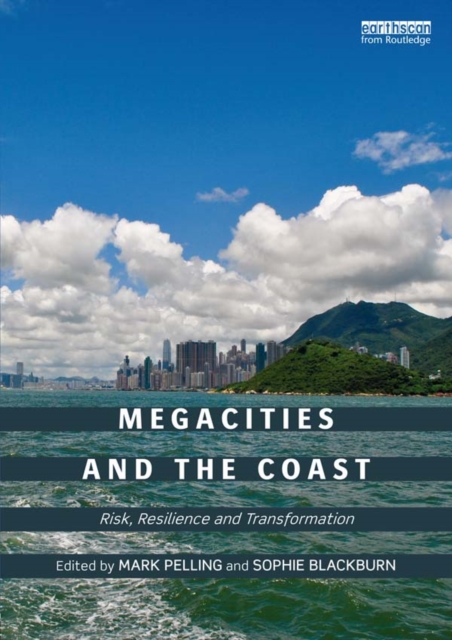
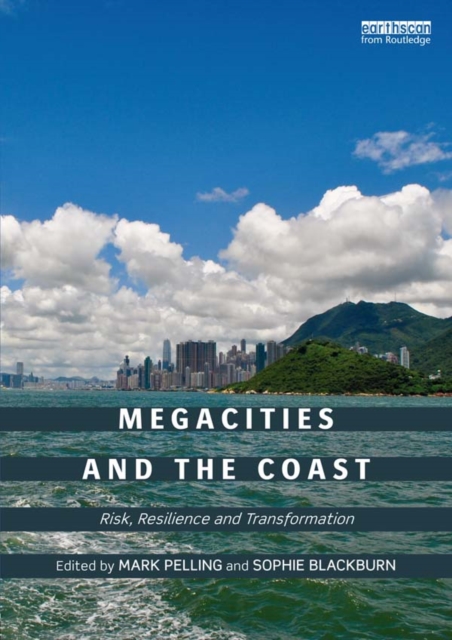
Based on a major international study, this volume provides a synthesis of scientific knowledge on megacity urbanization on the coast, environmental impacts, risks and management choices, including a focus on adaptation, mitigation and disaster risk management.
Based on a major international study, this volume provides a synthesis of scientific knowledge on megacity urbanization on the coast, environmental impacts, risks and management choices, including a focus on adaptation, mitigation and disaster risk management.
A new 'Multi-Coloured Manual' This book is a successor to and replacement for the highly respected manual and handbook on the benefits of flood and coastal risk management, produced by the Flood Hazard Research Centre at Middlesex University, UK, with support from Defra and the Environment Agency.
A new 'Multi-Coloured Manual' This book is a successor to and replacement for the highly respected manual and handbook on the benefits of flood and coastal risk management, produced by the Flood Hazard Research Centre at Middlesex University, UK, with support from Defra and the Environment Agency.
Water provides benefits as a commodity for agriculture, industry, and households, and as a public good such as fisheries habitat, water quality and recreational use.
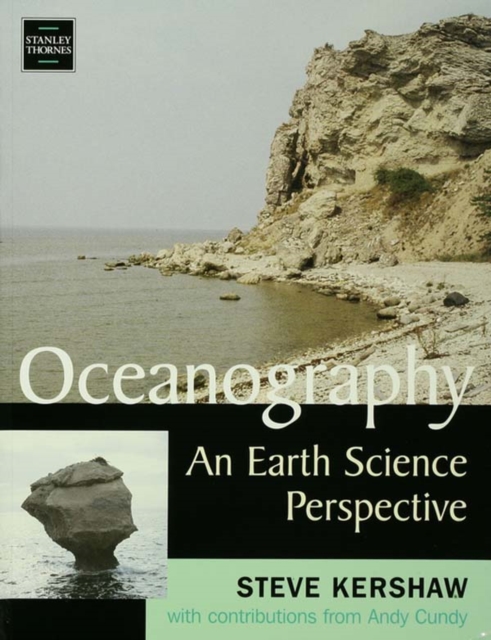
This work provides a wide perspective of the oceans by examining their places in the earth sciences, drawing together all the key strands of ocean study and presenting a holistic view of ocean processes, ancient and modern.
This work provides a wide perspective of the oceans by examining their places in the earth sciences, drawing together all the key strands of ocean study and presenting a holistic view of ocean processes, ancient and modern.
Presented in a style intended for the non-specialist reader, with technical terms and mathematical formulae kept to a minimum, the second edition of this introduction to groundwater covers a range of topics as they relate to hydrogeology.
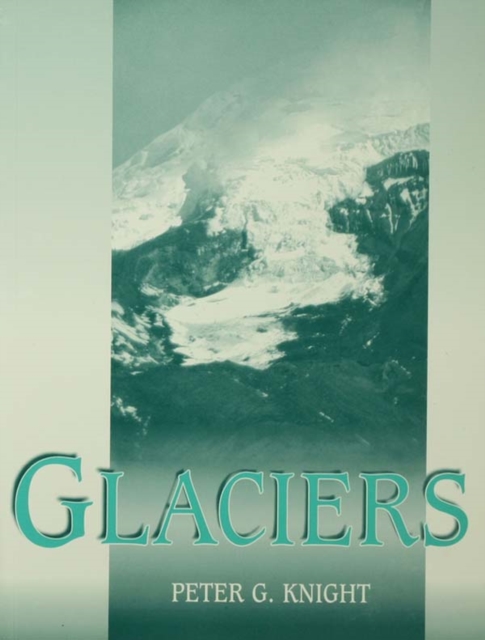
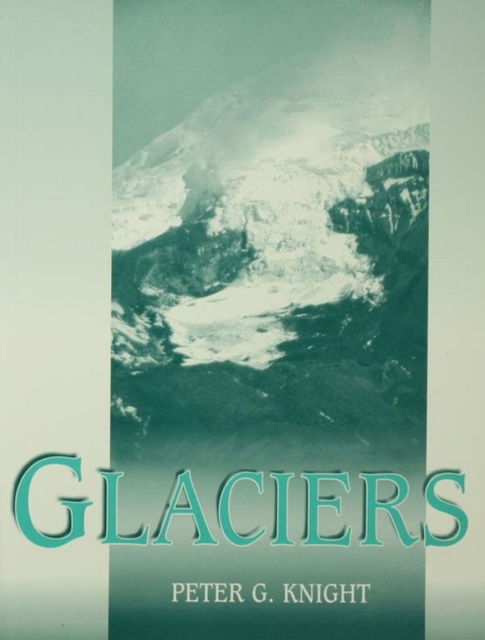
This book offers a comprehensive and detailed summary of our knowledge and understanding of glaciers and sets them within a global environment context.
This book offers a comprehensive and detailed summary of our knowledge and understanding of glaciers and sets them within a global environment context.
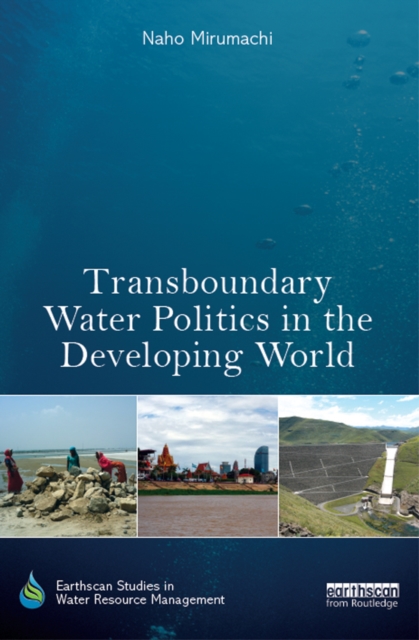
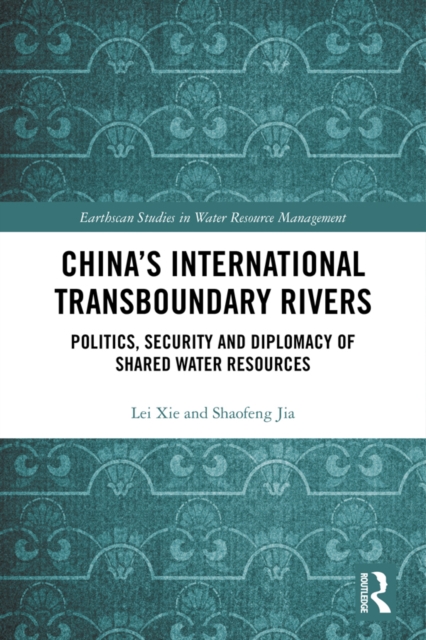
China has forty major transboundary watercourses with neighbouring countries, and has frequently been accused of harming its downstream neighbours through its domestic water management policies, such as the construction of dams for hydropower.
China has forty major transboundary watercourses with neighbouring countries, and has frequently been accused of harming its downstream neighbours through its domestic water management policies, such as the construction of dams for hydropower.
Water is an essential resource for agriculture, but harvesting water for irrigation is a major issue for farmers in developing and underdeveloped countries.
By the year 2000, the world had built more than 45,000 large dams to irrigate crops, generate power, control floods in wet times and store water in dry times.
This book places contemporary problems of ocean use management in historical context beginning with the time of Hugo Grotius, whose seminal 1609 work The Freedom of the Seas was the basis of ocean law for the next three centuries.
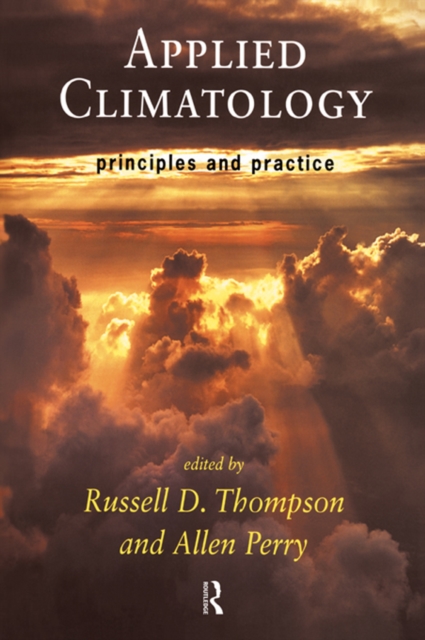
'Big freeze' conditions, storms, severe flooding, droughts, and heatwaves - recent extremes in weather, with their resultant physical, economic and human losses, highlight the vulnerability of society to changes in the atmosphere.
'Big freeze' conditions, storms, severe flooding, droughts, and heatwaves - recent extremes in weather, with their resultant physical, economic and human losses, highlight the vulnerability of society to changes in the atmosphere.
^iEco-Hydrology is the first book to offer an overview of the complex relationships between plants and water across a wide range of terrestrial and aquatic environments.
^iEco-Hydrology is the first book to offer an overview of the complex relationships between plants and water across a wide range of terrestrial and aquatic environments.
This edited collection, first published in 1987, provides a comparative analysis of different approaches to urban modelling, and lays the foundations for the possibility of integration and a more unified field.
This edited collection, first published in 1987, provides a comparative analysis of different approaches to urban modelling, and lays the foundations for the possibility of integration and a more unified field.
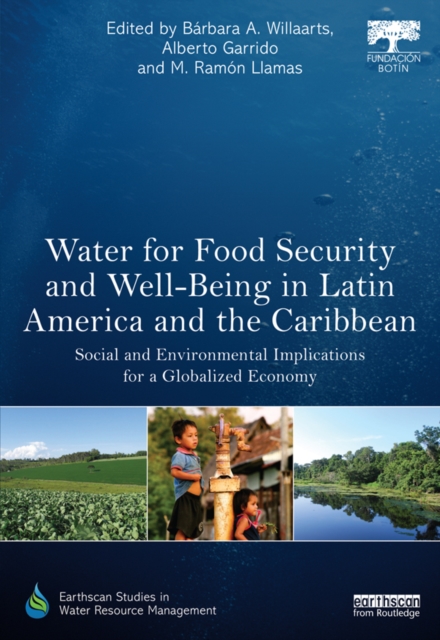
This volume provides an analytical and facts-based overview on the progress achieved in water security in Latin America and the Caribbean (LAC) region over during the last decade, and its links to regional development, food security and human well-being.