There is little disagreement that the potential effects of water contamination on human health and the environment should not be ignored, even though the exact nature of those effects is not yet fully understood.
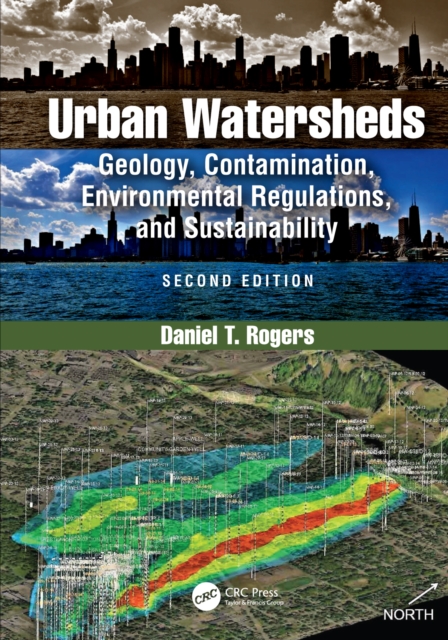
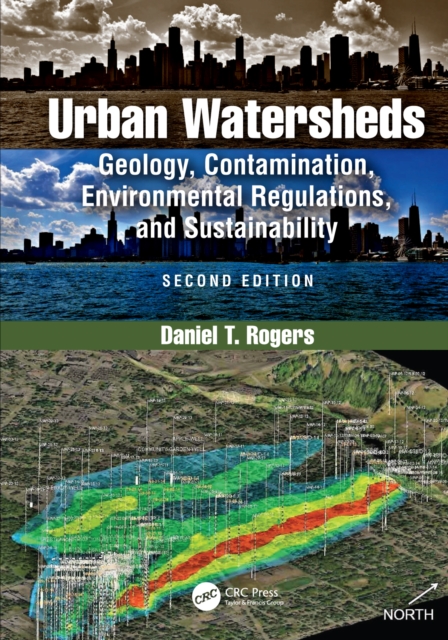
This book provides a critical understanding of the challenges that exist in protecting the local and global environment through compliance efforts using existing environmental regulations.
This book provides a critical understanding of the challenges that exist in protecting the local and global environment through compliance efforts using existing environmental regulations.
Understanding that the natural world beneath our feet is the point at which civilization meets the natural world is critical to the success of restoration and prevention efforts to reduce contaminant impacts and improve the global environment because of one simple fact - contaminants do not respect country borders.
Understanding that the natural world beneath our feet is the point at which civilization meets the natural world is critical to the success of restoration and prevention efforts to reduce contaminant impacts and improve the global environment because of one simple fact - contaminants do not respect country borders.
Field Methods in Marine Science: From Measurements to Models is an authoritative guide of the methods most appropriate for field research within the marine sciences, from experimental design to data analysis.
Field Methods in Marine Science: From Measurements to Models is an authoritative guide of the methods most appropriate for field research within the marine sciences, from experimental design to data analysis.
Drinking Water Safety: Basic Principles and Applications, examines the technical and scientific, as well as regulatory, ethical, and emerging issues of pollution prevention, sustainability, and optimization for the production and management of safe drinking water to cope with environmental pollution, population growth, increasing demand, terrorist threats, and climate change pressures.
Drinking Water Safety: Basic Principles and Applications, examines the technical and scientific, as well as regulatory, ethical, and emerging issues of pollution prevention, sustainability, and optimization for the production and management of safe drinking water to cope with environmental pollution, population growth, increasing demand, terrorist threats, and climate change pressures.
Heavy metal and metalloid contamination of groundwater and surface water ecosystems involves important policy-related and ethical issues besides its more well-known scientific aspects.
Aquatic Chemistry Concepts, Second Edition, is a fully revised and updated textbook that fills the need for a comprehensive treatment of aquatic chemistry and covers the many complicated equations and principles of aquatic chemistry.
Increasing demand for water, higher standards of living, depletion of resources of acceptable quality, and excessive water pollution due to urban, agricultural, and industrial expansions have caused intense environmental, social, economic, and political predicaments.
Increasing demand for water, higher standards of living, depletion of resources of acceptable quality, and excessive water pollution due to urban, agricultural, and industrial expansions have caused intense environmental, social, economic, and political predicaments.
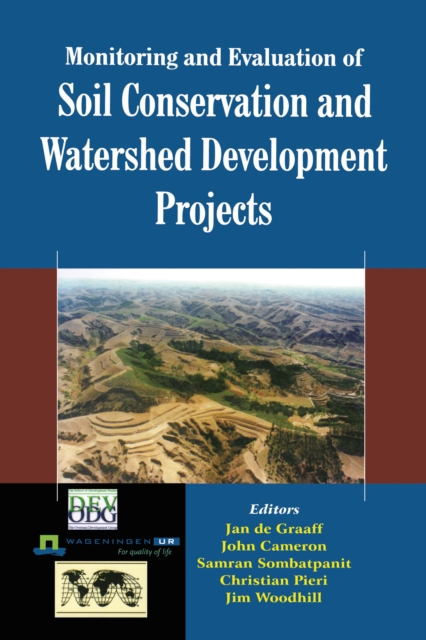
This book provides diverse information and critical know-how to implement appropriate methodology and cost-efficient monitoring and evaluation systems better suited to assess the impacts of soil conservation and wastershed multi-sectoral development activities.
Aiming to describe the role of dominant ecological factors and of human activities on the organisms of running water and the functioning of the ecosystem, this work covers the few European water courses that are well known in ecological studies.
Nowadays, textile units utilize a number of dyes, chemicals, reagents, and solvents to impart the desired quality to fabrics, and generate a substantial quantity of effluents/contaminants, which cause severe environmental problems if disposed of without proper treatment.
Nowadays, textile units utilize a number of dyes, chemicals, reagents, and solvents to impart the desired quality to fabrics, and generate a substantial quantity of effluents/contaminants, which cause severe environmental problems if disposed of without proper treatment.
Hormones and Pharmaceuticals Generated by Concentrated Animal Feeding Operations: Transport in Water and Soil examines how hormones, antibiotics and pharmaceuticals generated from concentrated animal feeding operations (CAFOs) of cattle, poultry, swine and aquaculture are transported in water and soil.
At a time when the polar regions are undergoing rapid and unprecedented change, understanding exchanges of momentum, heat and salt at the ice-ocean interface is critical for realistically predicting the future state of sea ice.
Reviews of Environmental Contamination and Toxicology attempts to provide concise, critical reviews of timely advances, philosophy and significant areas of accomplished or needed endeavor in the total field of xenobiotics, in any segment of the environment, as well as toxicological implications.
The state organisation responsible for coordinating the hydropower el- tricity system in Norway ("e;Samkjoringen"e;) contacted me in 1990 about the advanced plan for deregulating the electricity system, separating gene- tion, transmission, and distribution and introducing a wholesale market for electricity.
Wastewater treatment technology is undergoing a profound transformation due to the fundamental changes in regulations governing the discharge and disposal of h- ardous pollutants.