Authored by world-class scientists and scholars, The Handbook of Natural Resources, Second Edition, is an excellent reference for understanding the consequences of changing natural resources to the degradation of ecological integrity and the sustainability of life.
Authored by world-class scientists and scholars, The Handbook of Natural Resources, Second Edition, is an excellent reference for understanding the consequences of changing natural resources to the degradation of ecological integrity and the sustainability of life.
Authored by world-class scientists and scholars, The Handbook of Natural Resources, Second Edition, is an excellent reference for understanding the consequences of changing natural resources to the degradation of ecological integrity and the sustainability of life.
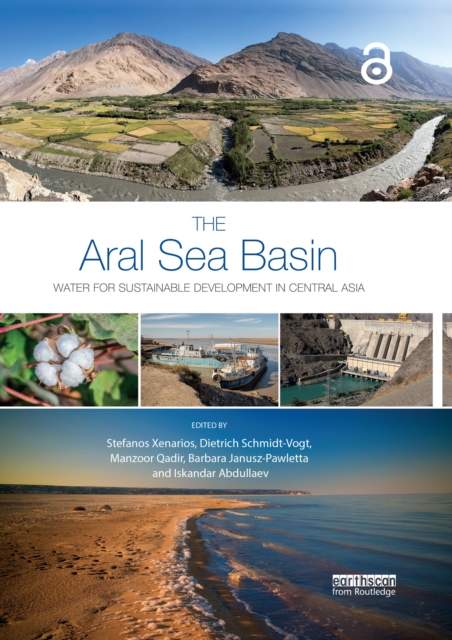
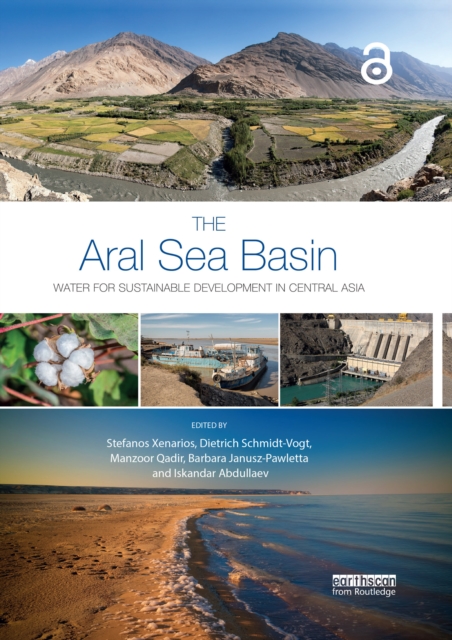
This book offers the first multidisciplinary overview of water resources issues and management in the Aral Sea Basin, covering both the Amu Darya and Syr Darya River Basins.
This book offers the first multidisciplinary overview of water resources issues and management in the Aral Sea Basin, covering both the Amu Darya and Syr Darya River Basins.
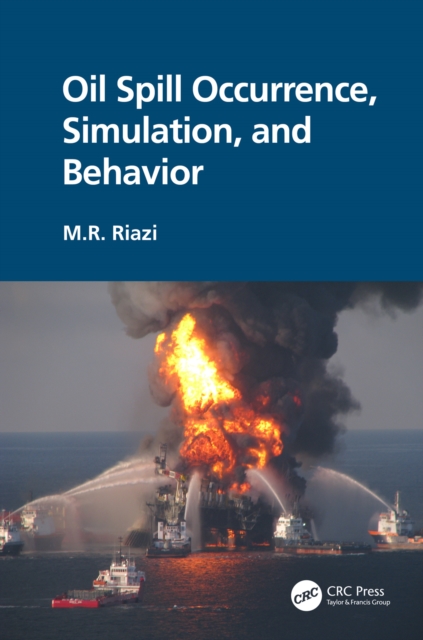
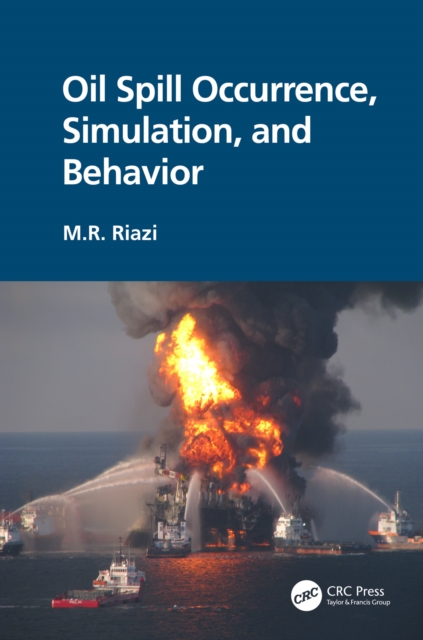
Oil Spill Occurrence, Simulation, and Behavior provides practical insight into oil spills and their causes, impacts, response and cleanup methods, simple and advanced modeling of oil spill behavior, and oil spill simulation techniques.
Oil Spill Occurrence, Simulation, and Behavior provides practical insight into oil spills and their causes, impacts, response and cleanup methods, simple and advanced modeling of oil spill behavior, and oil spill simulation techniques.
This book introduces the concept of Water Diplomacy as a principled and pragmatic approach to problem-driven interdisciplinary collaboration, which has been developed as a response to pressing contemporary water challenges arising from the coupling of natural and human systems.
This book introduces the concept of Water Diplomacy as a principled and pragmatic approach to problem-driven interdisciplinary collaboration, which has been developed as a response to pressing contemporary water challenges arising from the coupling of natural and human systems.
First published in 1999, this volume begins with a panoramic survey by Nigel Harris of the drama of Asian Urbanization, based on the inaugural plenary lecture he gave to the 5th Asian Urbanization Conference held in London.
First published in 1999, this volume begins with a panoramic survey by Nigel Harris of the drama of Asian Urbanization, based on the inaugural plenary lecture he gave to the 5th Asian Urbanization Conference held in London.
This book discusses the balance of priorities within the Water-Energy-Food (WEF) nexus and its impact on policy development and implementation, highlighting innovative perspectives in adopting a holistic approach to identify, analyse and manage the nexus component interdependencies.
This book discusses the balance of priorities within the Water-Energy-Food (WEF) nexus and its impact on policy development and implementation, highlighting innovative perspectives in adopting a holistic approach to identify, analyse and manage the nexus component interdependencies.
Using the water footprint concept, this impactful book aids our understanding of how we can reduce water consumption and pollution to sustainable levels.
Using the water footprint concept, this impactful book aids our understanding of how we can reduce water consumption and pollution to sustainable levels.
As will be made clear in the pages that follow, this book is based on a field research project focused on rice-growing and undertaken in parts of North Arcot District in Tamil Nadu (India) and of Hambantota and Mon-eragala Districts, Sri Lanka.
The aim of the present volume is to review the effects of human activity on physical environment processes, and this is justified not only as a complement to the approach taken by G.
Much of the improvement in material living standards in the Third World is attributable to the exploitation of nonrenewable resources such as fossil fuels and metallic ores, and to the exploitation of renewable resource systems at rates that cannot be sustained.
In our critical attempts to solve the pressing current problems of a limited water supply, it is essential that we act always with a global view to the future.
The 1987-89 drought was a signal event in the evolving interrelationshipsamong climate, natural resources management, technology,and society in the United States.
There is little disagreement that the potential effects of water contamination on human health and the environment should not be ignored, even though the exact nature of those effects is not yet fully understood.
In our critical attempts to solve the pressing current problems of a limited water supply, it is essential that we act always with a global view to the future.
The aim of the present volume is to review the effects of human activity on physical environment processes, and this is justified not only as a complement to the approach taken by G.
As will be made clear in the pages that follow, this book is based on a field research project focused on rice-growing and undertaken in parts of North Arcot District in Tamil Nadu (India) and of Hambantota and Mon-eragala Districts, Sri Lanka.
Much of the improvement in material living standards in the Third World is attributable to the exploitation of nonrenewable resources such as fossil fuels and metallic ores, and to the exploitation of renewable resource systems at rates that cannot be sustained.
The 1987-89 drought was a signal event in the evolving interrelationshipsamong climate, natural resources management, technology,and society in the United States.