This is the first comprehensive international atlas featuring all ecological services provided by Ramsar wetlands, with complete views of all Ramsar sites, through remote sensing and mapping.
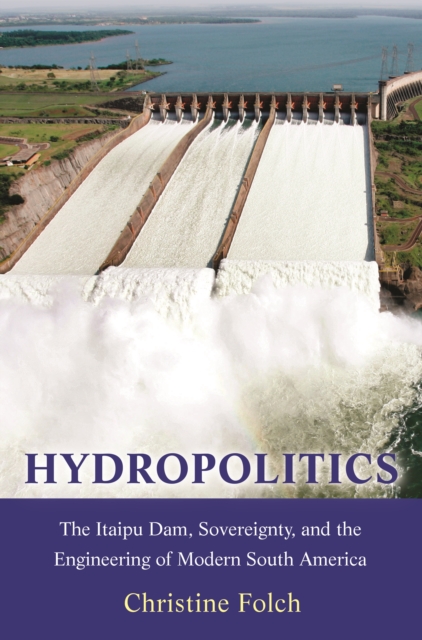
An in-depth look at the people and institutions connected with the Itaipu Dam, the world's biggest producer of renewable energyHydropolitics is a groundbreaking investigation of the world's largest power plant and the ways the energy we use shapes politics and economics.
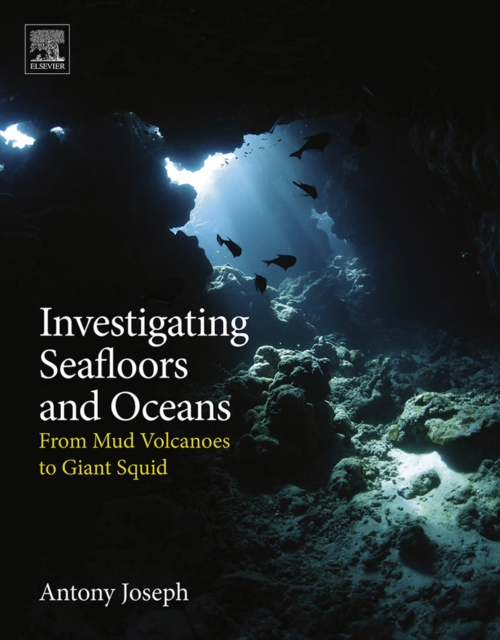
Investigating Seafloors and Oceans: From Mud Volcanoes to Giant Squid offers a bottom-to-top tour of the world's oceans, exposing the secrets hidden therein from a variety of scientific perspectives.
This book presents short papers of participants of the 9th International Scientific Conference-School for Young Scientists Physical and Mathematical Modeling of Earth and Environment Processes.
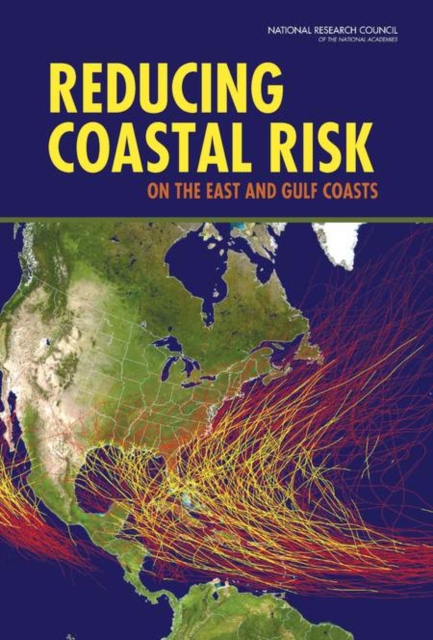
Hurricane- and coastal-storm-related losses have increased substantially during the past century, largely due to increases in population and development in the most susceptible coastal areas.
A bold new perspective on the history of South Asia, telling its story through its climate, and the long quest to tame its watersSouth Asia's history has been shaped by its waters.
Another volume in the popular New Naturalist series, this book gives a comprehensive account of the natural history of Britain and Ireland's inland waters, many of which are popular holiday destinations.
The importance of models to facilitate our understanding and management of the coastal system is evident from this book, which shows that the preference for using models to study the coastal system is shared not only by different research institutions (government, military, industry and academia), but also by researchers from diverse backgrounds.
A diverse and entertaining collection of writing examining and celebrating the British Countryside, from falconry to foraging and from the musings of a nighttime angler to tips for seasonal drinking.
Life in Lakes and Rivers reveals to us not only the fascination of the world of fresh waters, but the excitement and delight of finding out more about it.
The Broads discusses the history of the Broads, the waters in the past and the waters now, the people who come into contact with and influence these waterways, and what the future holds for this small but important area of the countryside.
The story of the 1998 Sydney to Hobart boat race - the most dramatic in yacht racing historyThe waters between Sydney and Hobart are famously treacherous.
The No Logo of climate change - a book that shows how global warming is not a theory we should still debate, but something that has already happened on a global scale.
The epic life story of the Atlantic Ocean from the bestselling author, Simon WinchesterIn a narrative tour de force, Simon Winchester dramatises the life story of the Atlantic Ocean, from its birth in the farther recesses of geological time to its eventual extinction millions of years in the future.
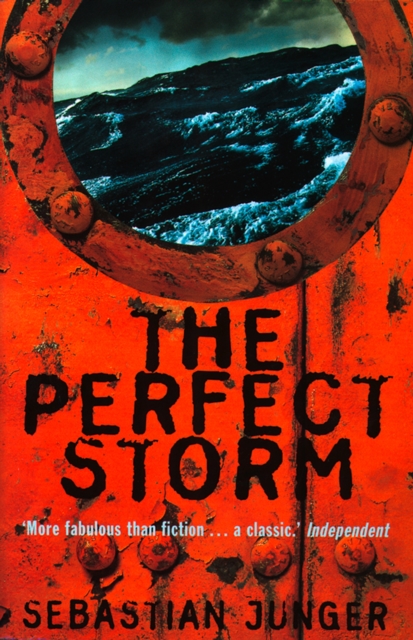
The worst storm in history seen from the wheelhouse of a doomed fishing trawler; a mesmerisingly vivid account of a natural hell from a perspective that offers no escape.
The Grand Canyon Monitoring and Research Center began long-term planning at its inception and, in May 1997, produced a Long-Term Monitoring and Research Strategic Plan that was adopted by stakeholder groups (the Adaptive Management Work Group and the Technical Work Group) later that year.
During recent years, large-scale investigations into global climate change and other highly visible issues have taken the lion's share of declining research funds.
The collapse of cod, flounder, and haddock fish stocks in the Northeast United States has caused widespread concern among managers and fishers in the United States and Canada.
Recent scientific literature has raised many concerns about whether fisheries have caused more extensive changes to marine populations and ecosystems than previously realized or predicted.
Oceanography has moved into the spotlight of urgent social concern, because of the oceans' impact on issues such as global climate change, biodiversity, and even national security.
The United States faces decisions requiring information about the oceans in vastly expanded scales of time and space and from oceanic sectors not accessible with the suite of tools now used by scientists and engineers.
This book summarizes three symposia that were convened in the California, Gulf of Maine, and Gulf of Mexico regions to seek new ways to improve the use of science in coastal policymaking.