This book examines some of the successes and failures of actual implementation of modern water policy options in the light of the principles and concepts which have emerged from the Rio Earth Summit, the Dublin Statement and other international consensus.
Providing an introduction, the scientific background, case studies and future perspectives of in-situ arsenic remediation technologies for soils, soil water and groundwater at geogenic and anthropogenic contaminated sites.
Environmental Fluid Mechanics (EFM) studies the motion of air and water at several different scales, the fate and transport of species carried along by these fluids, and the interactions among those flows and geological, biological, and engineered systems.
Dry areas suffer not only from limited rainfall but alsonatural leakage'-90% of rainwater is lost directly or indirectly, and is unavailable for agriculture or domestic use.
The challenge of water scarcity as a result of insufficient seasonal rainfall and dry spell occurrences during cropping seasons is compounded by inefficient agricultural practices by smallholder farmers where insignificant soil and water conservation efforts are applied.
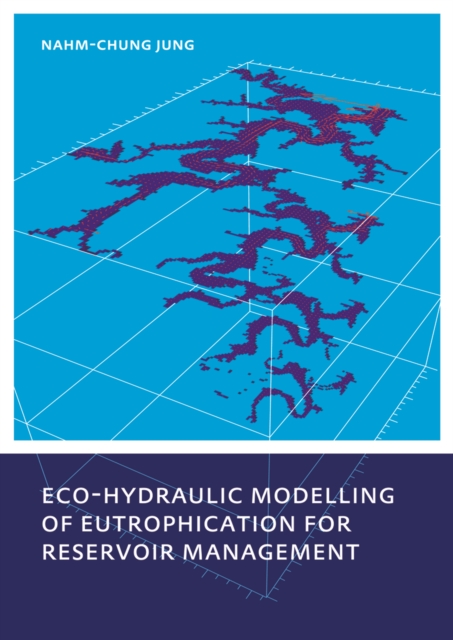
This study presents an systematic approach to water quality assessment, hybrid modelling and decision support for eutrophication management in deep reservoirs.
The Lake and Pond Management Guidebook is the successor to the bestselling Lake Smarts: The First Lake Maintenance Handbook, the "e;bible"e; for small-scale lake and pond improvements, published by the Terrene Institute in 1993.
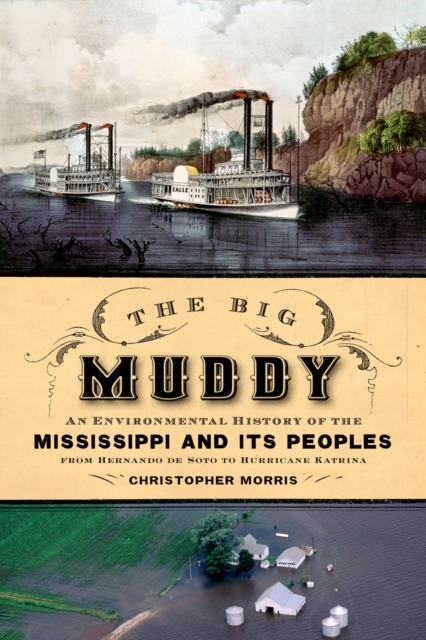
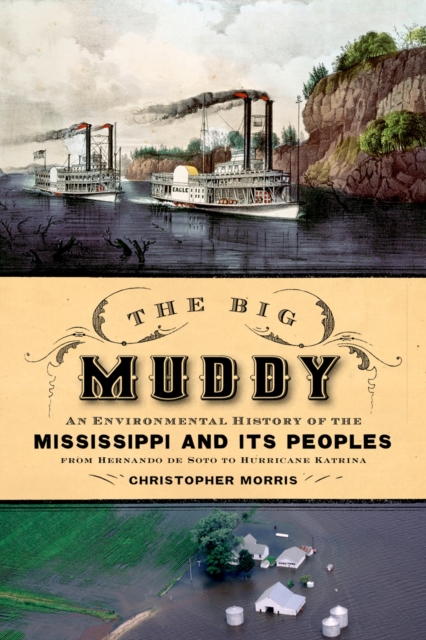
In The Big Muddy, the first long-term environmental history of the Mississippi, Christopher Morris offers a brilliant tour across five centuries as he illuminates the interaction between people and the landscape, from early hunter-gatherer bands to present-day industrial and post-industrial society.
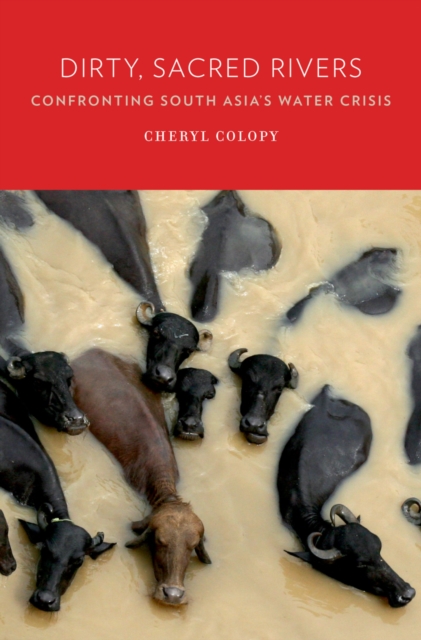
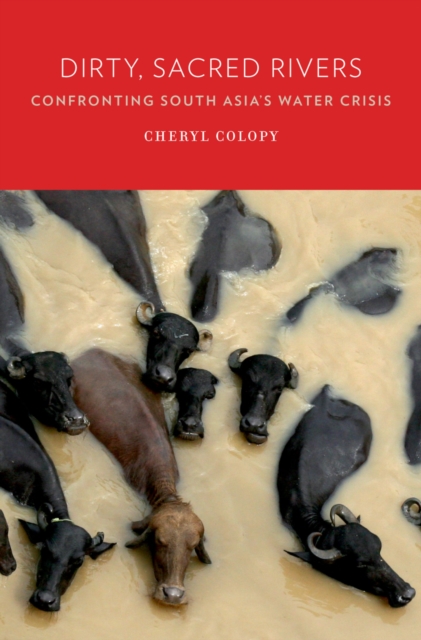
Dirty, Sacred Rivers explores South Asia's increasingly urgent water crisis, taking readers on a journey through North India, Nepal and Bangladesh, from the Himalaya to the Bay of Bengal.
Dirty, Sacred Rivers explores South Asia's increasingly urgent water crisis, taking readers on a journey through North India, Nepal and Bangladesh, from the Himalaya to the Bay of Bengal.
In The Big Muddy, the first long-term environmental history of the Mississippi, Christopher Morris offers a brilliant tour across five centuries as he illuminates the interaction between people and the landscape, from early hunter-gatherer bands to present-day industrial and post-industrial society.
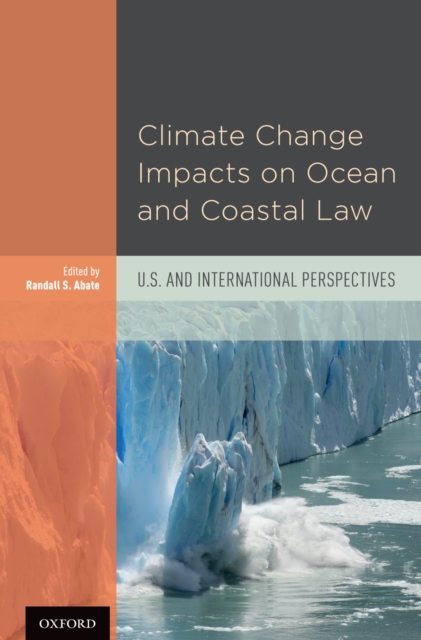
Though not traditionally thought of as strategic natural resources, glaciers are a crucial part of our global ecosystem playing a fundamental role in the sustaining of life around the world.
Though not traditionally thought of as strategic natural resources, glaciers are a crucial part of our global ecosystem playing a fundamental role in the sustaining of life around the world.
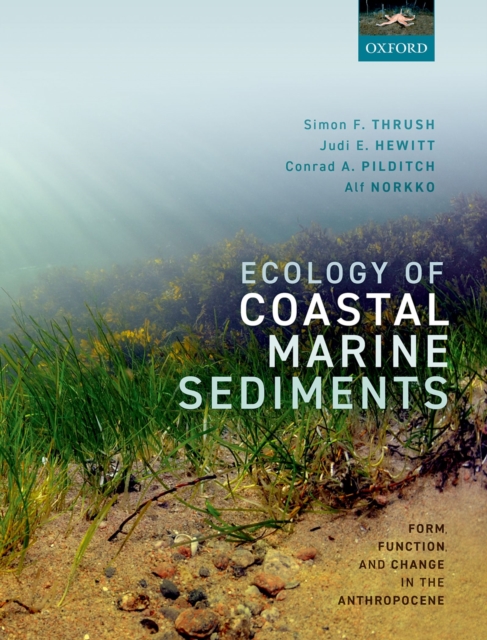
Biologists have made significant advances in our understanding of the Earth's shallow subtidal marine ecosystems, but the findings on these disparate regions have never before been documented and gathered in a single volume.
Stochastic Subsurface Hydrogeology is the study of subsurface, geological heterogeneity, and its effects on flow and transport process, using probabilistic and geostatistical concepts.
Geochemical reaction modeling plays an increasingly vital role in several areas of geoscience, from environmental geochemistry and petroleum geology to the study of geothermal and hydrothermal fluids.
With both the growing importance of integrating studies of air-sea interaction and the interest in the general problem of global warming, the appearance of the second edition of this popular text is especially welcome.
Since the publication of Jerlov's classic volume on optical oceanography in 1968, the ability to predict or model the submarine light field, given measurements of the inherent optical properties of the ocean, has improved to the point that model fields are very close to measured fields.
Lectures on Geophysical Fluid Dynamics offers an introduction to several topics in geophysical fluid dynamics, including the theory of large-scale ocean circulation, geostrophic turbulence, and Hamiltonian fluid dynamics.
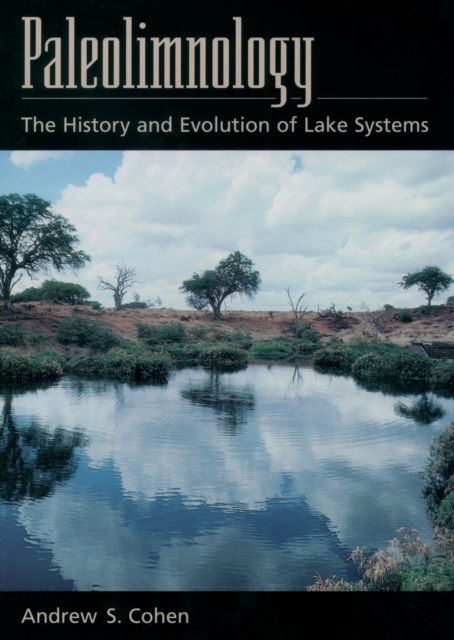
This text, written by a leading researcher in the field, describes the origin and formation of lakes in order to give context to the question of how lacustrine deposits form.
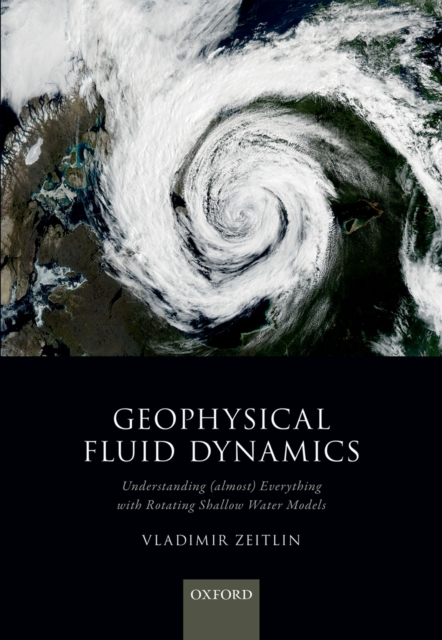
Geophysical fluid dynamics examines the dynamics of stratified and turbulent motion of fluids in the ocean and outer core, and of gases in the atmosphere.
This authoritative guide enables accurate identification of the common components of the inshore benthic invertebrates of the British Isles and adjacent European coasts, as well as a substantial proportion of fish species.
This authoritative guide enables accurate identification of the common components of the inshore benthic invertebrates of the British Isles and adjacent European coasts, as well as a substantial proportion of fish species.
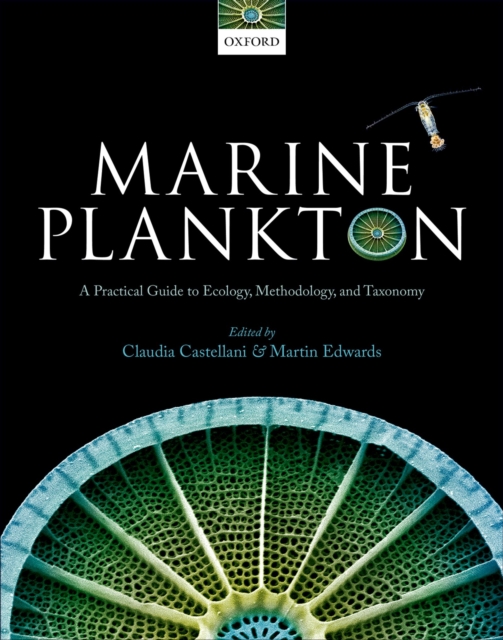
A thorough understanding of planktonic organisms is the first step towards a real appreciation of the diversity, biology, and ecological importance of marine life.
The Antarctic continent carries the greatest diversity of lake environments on the planet: freshwater and saline lakes, tidal freshwater epishelf lakes, lakes on ice shelves and glacier surfaces, and over three hundred subglacial lakes; extraordinary ecosystems that have been separated from the atmosphere for up to millions of years.
The Antarctic continent carries the greatest diversity of lake environments on the planet: freshwater and saline lakes, tidal freshwater epishelf lakes, lakes on ice shelves and glacier surfaces, and over three hundred subglacial lakes; extraordinary ecosystems that have been separated from the atmosphere for up to millions of years.