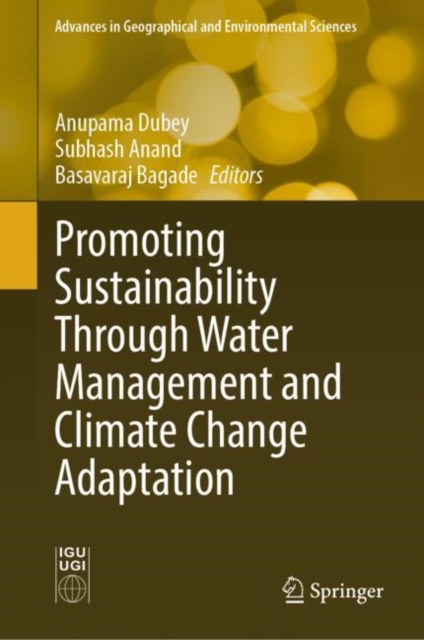
This book explores the concept and issues of sustainability and its symbiotic relationship with existing water resources, the surrounding climate and geospatial development.
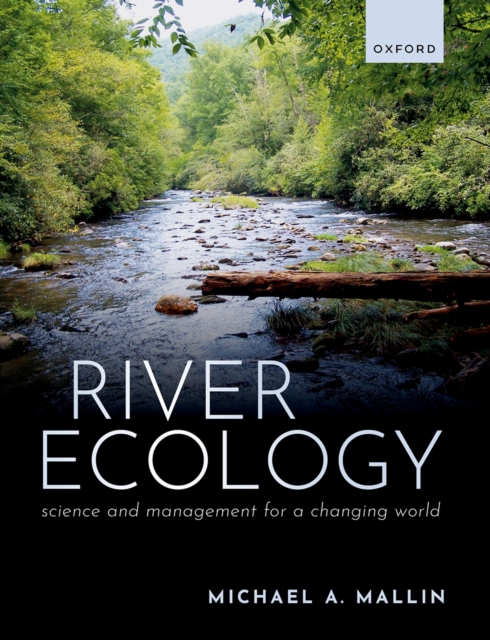
Rivers have been vitally important to human populations worldwide for millennia as "e;highways"e; for inland travel, and as sources of water for drinking, cooking, cleaning, manufacturing, irrigation, and power generation, as well as repositories for human, animal, and industrial wastes.
This book examines the increasingly prevalent issues around sewerage and sewage and explores what environmental health practitioners (EHPs) can contribute to addressing this issue and what further action is required.
This book examines the increasingly prevalent issues around sewerage and sewage and explores what environmental health practitioners (EHPs) can contribute to addressing this issue and what further action is required.
This book highlights unique and deeper insights into the operations of off-grid water supply business models and the policy implications that they raise.
This book highlights unique and deeper insights into the operations of off-grid water supply business models and the policy implications that they raise.
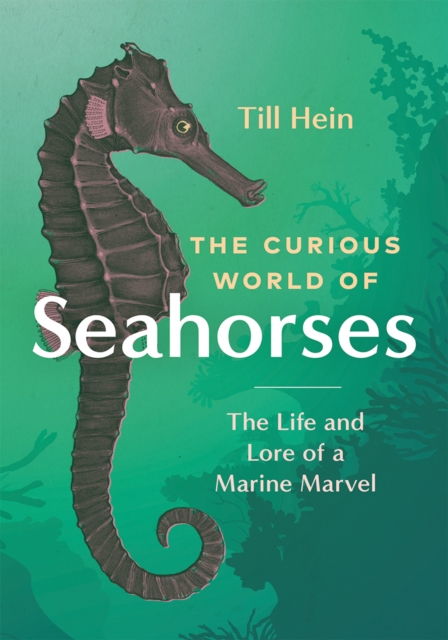
With the whimsy and heart of The Soul of an Octopus and the surprising details of the very best science writing, The Curious World of Seahorses brilliantly captures the oceans most charismatic and mysterious inhabitant.
This new edition of The Drinking Water Handbook is thoroughly revised and updated and includes a comprehensive discussion of "e;forever chemicals,"e; as well as the herbicide atrazine in drinking water.
This book highlights the latest knowledge and innovations in the fields of civil engineering and construction industry striving for a sustainable built environment.
This book explores how human civilization has contributed to changes in the Anthropocene, an era that marks a fundamental change in the way mankind has interacted with the Earth system.
This book compiles a broad range of monitoring and early warning technologies focused on high-resolution in-situ water quality parameters at springs and monitoring wells.
Hydrological Drought: Processes and Estimation Methods for Streamflow and Groundwater, Second Edition provides a comprehensive review of processes and estimation methods for streamflow and groundwater drought.
This book edition on "e;Wastewater Management and Technologies"e; brings together a wealth of expertise by the authors, who exemplify the wide range of options available-from nature-based solutions to different levels of technology-and the different experiences through case studies from around the world, with a particular focus on conditions in developing countries.
This volume compiles recent research on phytoplankton primary productivity (PP) in the Indian Ocean to provide an understanding and consolidation of the driving mechanisms of PP variability in diverse oceanic ecosystems globally.
This book presents the selected papers presented at the 5th International Symposium on Water Pollution and Treatment (ISWPT 2022), held during October 28-29, 2022, in Bangkok, Thailand.
This book summarises for the first time all relevant methodologies for type-based flood statistics, introduces the basis of flood typology and makes them accessible to the user.
In a time without GPS and echosounder, European engineers and black labourers worked for decades to get a better understanding of the nautical intricacies of the Congo River.
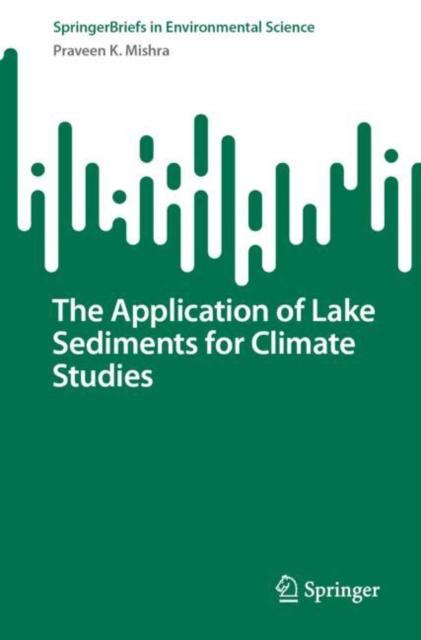
The book discusses a comprehensive overview of various limnological approaches for climate studies, and sheds light on a multi-dimensional approach (i.
This book presents the selected papers presented at the 5th International Symposium on Water Pollution and Treatment (ISWPT 2022), held during October 28-29, 2022, in Bangkok, Thailand.
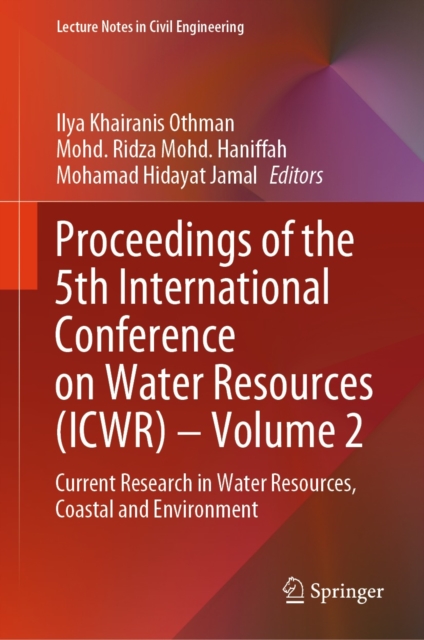
This book comprises selected proceedings of the 5th International Conference on Water Resources 2021 (ICWR 2021) focusing on innovations and preparations to face the water-related challenges.
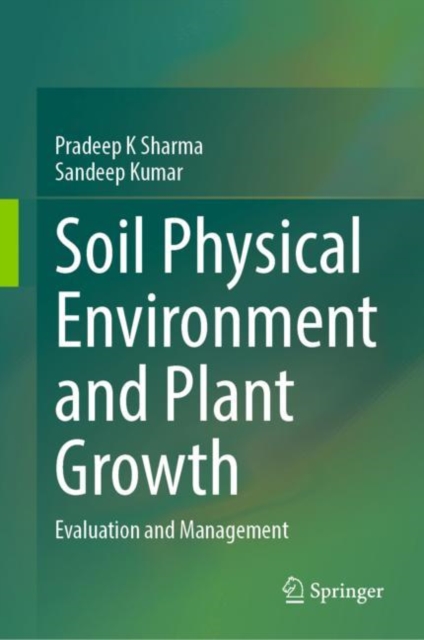
This textbook on the applied aspects of soil physics covers introduction to soil physical properties and processes, and their evaluation and management in relation to plant growth.
This book summarises for the first time all relevant methodologies for type-based flood statistics, introduces the basis of flood typology and makes them accessible to the user.
This volume compiles recent research on phytoplankton primary productivity (PP) in the Indian Ocean to provide an understanding and consolidation of the driving mechanisms of PP variability in diverse oceanic ecosystems globally.
The book discusses a comprehensive overview of various limnological approaches for climate studies, and sheds light on a multi-dimensional approach (i.
In a time without GPS and echosounder, European engineers and black labourers worked for decades to get a better understanding of the nautical intricacies of the Congo River.
This book comprises selected proceedings of the 5th International Conference on Water Resources 2021 (ICWR 2021) focusing on innovations and preparations to face the water-related challenges.
This book edition on "e;Wastewater Management and Technologies"e; brings together a wealth of expertise by the authors, who exemplify the wide range of options available-from nature-based solutions to different levels of technology-and the different experiences through case studies from around the world, with a particular focus on conditions in developing countries.
This textbook on the applied aspects of soil physics covers introduction to soil physical properties and processes, and their evaluation and management in relation to plant growth.
Hydro-Meteorological Hazards, Risks, and Disasters, 2e, provides an integrated look at the major disasters that have had, and continue to have, major implications for many of the world's people, such as floods and droughts.
This book deals with the role of emerging technologies such as remote sensing and GIS and artificial intelligence/machine learning in water supply, conservation and management for sustainable development.
This book is the first collection of state-of-the-art research projects analyzing water conflict and cooperation with an explicitly theoretical point of view.
For years, exploration of seabed natural resources has been ongoing while exploitation in deep marine areas remained unrealistic due to land-based mineral availability and costs.
Hydro-Meteorological Hazards, Risks, and Disasters, 2e, provides an integrated look at the major disasters that have had, and continue to have, major implications for many of the world's people, such as floods and droughts.
This book deals with the role of emerging technologies such as remote sensing and GIS and artificial intelligence/machine learning in water supply, conservation and management for sustainable development.